

Business
Walmart hikes sales and earnings forecast as it attracts shoppers across incomes


A shopper pushes a cart outside a Walmart store in San Leandro, California, US, on Tuesday, Aug. 19, 2025.
David Paul Morris | Bloomberg | Getty Images
Walmart raised its sales and earnings outlook Thursday as the retailer posted revenue gains in its fiscal third quarter, driven by double-digit e-commerce growth and new customers across incomes.
The retailer said it expects full-year net sales to climb between 4.8% and 5.1%, up from its previous expectations of 3.75% to 4.75%. It said it expects its adjusted earnings per share to range from $2.58 to $2.63, a slight raise from its prior range of $2.52 to $2.62.
It marked the second quarter in a row Walmart hiked its full-year forecast.
Walmart’s earnings report is the first since the Arkansas-based company announced a leadership change. The big-box retailer said last week that John Furner, the CEO of its U.S. business, will succeed longtime CEO Doug McMillon on Feb. 1.
In an interview with CNBC, Chief Financial Officer John David Rainey said consumer habits didn’t change during the quarter, as shoppers spent selectively and looked for deals. He said Walmart has gained those “value-seeking” customers across incomes, both because of the economic backdrop and its own strategic moves.
“Consumers are looking to do business with those companies that are providing value, that are delivering the convenience that they’ve come to know and expect, and that are executing consistently well,” he said.
He said Walmart saw an impact from the pause in Supplemental Nutrition Assistance Program, or SNAP, benefits, formerly known as food stamps, during the prolonged government shutdown. But he said “that’s starting to rebound now that people are receiving those funds again.”
Here is what the big-box retailer reported for the fiscal third quarter compared with Wall Street’s estimates, according to a survey of analysts by LSEG:
- Earnings per share: 62 cents adjusted vs. 60 cents expected
- Revenue: $179.50 billion vs. $177.43 billion expected
Walmart also said Thursday that it will transfer the listing of its common stock to the Nasdaq and will begin trading there on Dec. 9. It is currently traded on the New York Stock Exchange. It will have the same stock ticker symbol, “WMT.”
The company’s stock closed Thursday at $107.11, up about 6.5%. As of Thursday’s close, shares of Walmart are up about 19% so far this year. That outpaces the S&P 500’s approximately 11% gains during the same period.
As a retail giant that draws shoppers across incomes, Walmart is closely watched as an indication of the health of the U.S. consumer and how President Donald Trump‘s tariffs are affecting the prices shoppers pay. It can speak to consumer behavior across categories, since it sells discretionary items like makeup and clothes along with necessities like milk and toilet paper.
Walmart has gained more high-income customers as even affluent households sought relief from pricier grocery bills due to high inflation in recent years. That cohort also has responded to store remodels and faster deliveries.
That growth continued in the most recent quarter, Rainey told CNBC. He said Walmart has gained market share across incomes, but “they’re more pronounced in the upper-income segment.”
Some of those shoppers have come to Walmart for speed, Rainey said. The retailer can now deliver to about 95% of U.S. households from stores in under three hours.
Customers now expedite about a third of its online orders from stores to arrive in one- or three-hour timeframes, he said. He said revenue related to those faster deliveries has increased 70% year over year. The company charges a fee for some speedier orders, and others are included as a benefit of its subscription-based membership program, Walmart+.
The expedited delivery service is popular, even with shoppers with lower incomes, he said. During the weeks of November when SNAP benefits were paused, Rainey said Walmart noticed a dip in that volume.
In the three-month period that ended Oct. 31, Walmart’s net income increased to $6.14 billion, or 77 cents per share, from $4.58 billion, or 57 cents per share, in the year-ago period.
Excluding one-time items, such as business reorganization charges, Walmart’s adjusted earnings per share was 62 cents.
Revenue rose from $169.59 billion in the year-ago quarter.
Comparable sales for Walmart U.S. rose 4.5% in the third quarter, excluding fuel, compared with the year-ago period. That surpassed analysts’ expectations of 4% growth, according to StreetAccount. The industry metric, also called same-store sales, includes sales from stores and clubs open for at least a year.
At Sam’s Club, comparable sales rose 3.8%, excluding fuel.
Walmart e-commerce sales grew by 27% globally, as all segments of the company posted sharp gains. In the U.S., e-commerce rose 28%, driven by increases in store-fulfilled delivery of online orders and growth of advertising and its third-party marketplace.
E-commerce sales internationally jumped 26% and at Sam’s Club in the U.S., they rose 22%.
In the U.S., shoppers made more trips to Walmart and spent more on those visits. Customer transactions rose 1.8% and average ticket increased by 2.7%.
As Walmart gains more digital traffic and adds more products to its third-party marketplace, advertising has been a meaningful growth area, too. In the quarter, its global advertising business increased by 53%, including Vizio, the smart TV maker it acquired last year for $2.3 billion. Its U.S. advertising business, Walmart Connect, grew 33% year over year.
Walmart is mulling another acquisition after it expanded its third-party marketplace rapidly in recent years, as it is in talks to buy R&A Data, a startup that works to curb scams and counterfeits, CNBC reported Wednesday.
Like other retailers, Walmart has said it raised prices on some items to offset higher costs from tariffs. About a third of what Walmart sells in the U.S. comes from other parts of the world, with China, Mexico, Canada, Vietnam and India representing its largest markets for imports, Rainey told CNBC in May.
On a call with CNBC on Thursday, Rainey said when it comes to higher tariff costs, “the pressure is real.” Yet, he said Walmart’s team has been able to reduce the impact on customers by finding ways to absorb some costs.
Furner, Walmart’s incoming CEO who currently leads the retailer’s U.S. business, said on the earnings call that there’s been some relief on key food categories, which is helping offset tariff cost pressures. Earlier this month, Trump exempted some major agricultural imports, including cocoa, bananas and coffee, from increased duties as he faced backlash over high prices.
Plus, Furner said the big-box retailer’s wider assortment has helped the company find a balance as it increases prices on some items and lowers them on others. It’s also adjusted its merchandise orders to reduce the risk of markdowns. For example, it’s kept a larger inventory of items for kids, since people tend to prioritize their families even when they feel financial pressure, he said.
Walmart’s gains in non-food categories, which tend to be higher margin, have also helped. Sales of fashion, a category that includes apparel, shoes, jewelry and accessories, grew more than 5% in the quarter compared to the year-ago period, he said.
Walmart’s results on Thursday followed cautious updates from Target, Home Depot and Lowe’s. All three of those retailers lowered their full-year profit outlooks this week and referred to consumers who were hesitant to make big purchases and hungry for deals.
T.J. Maxx and Marshalls parent company TJX, on the other hand, hiked its full-year forecast, saying it’s seeing a “strong start” to the holidays as it caters to value-conscious shoppers.
Rainey said Walmart is “going into the holiday pretty optimistic,” saying it’s prepared with competitive price points.





Business
The NBA doesn’t just want to build a European basketball league — it wants to revolutionize the international pro game

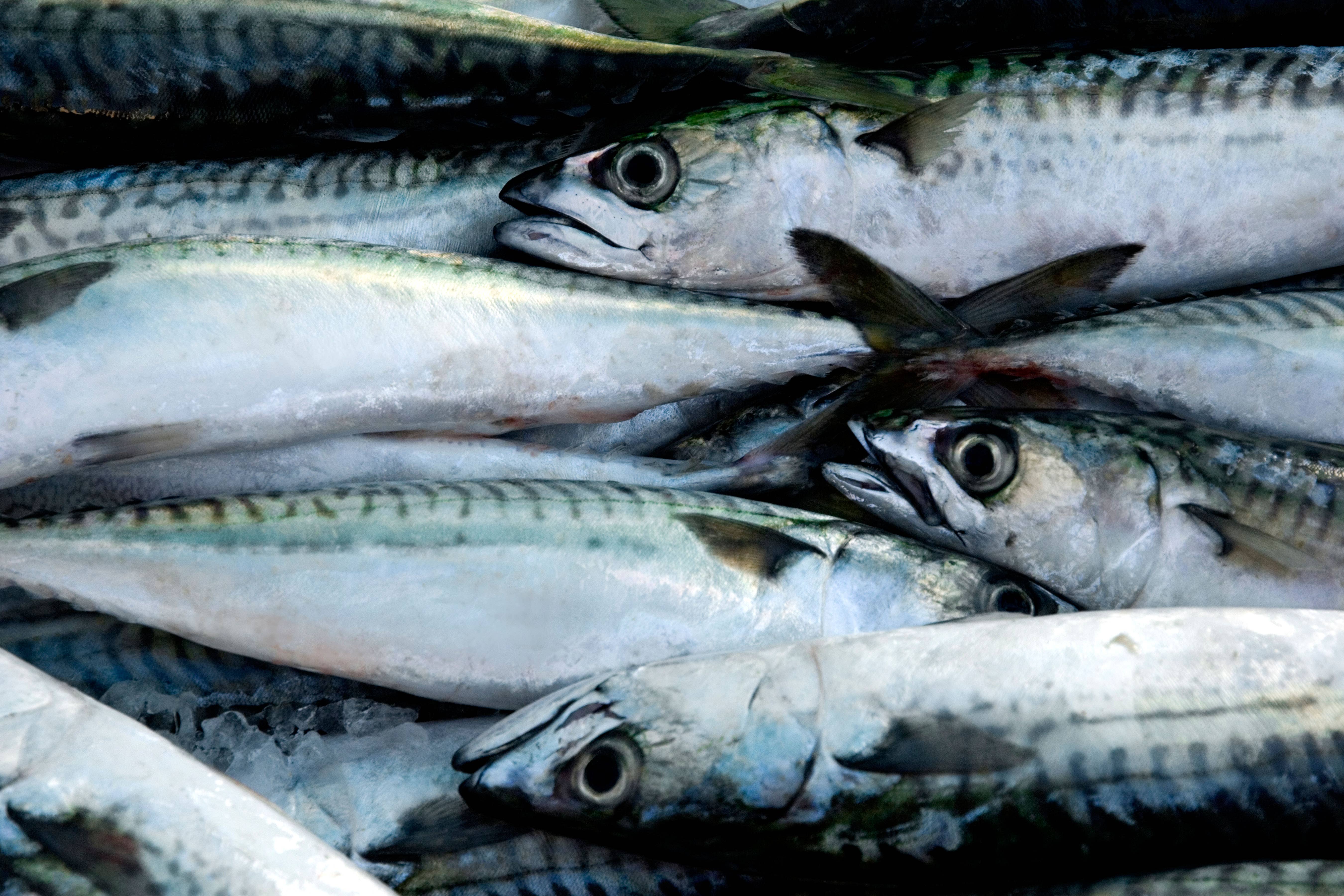
Waitrose is set to remove mackerel from its shelves amid escalating concerns over unsustainable fishing practices.
The retailer said that it is the first major UK supermarket to suspend sourcing of the popular fish.
It said that fresh, chilled, and frozen mackerel, primarily sourced from Scottish waters, will be unavailable to shoppers by 29 April. Tinned varieties will follow once the current stock is depleted.
Conservationists are welcoming the move and urging other supermarkets to follow suit.
The measure comes as governments have repeatedly failed to implement catch limits recommended by scientists, jeopardising the long-term viability of mackerel stocks.
The International Council for Exploration of the Sea (ICES) has issued stark warnings, advising a 70 per cent reduction in catches for 2026 across all regional mackerel stocks compared to 2025’s recommended levels.
With the stock consistently fished above sustainable thresholds, this translates to a 77 per cent cut on the 755,143 tonnes scientists estimated would be caught in 2025.
Overfishing has resulted in depleting mackerel stocks in the north-east Atlantic, with Ices saying the species, and the wider fishing industry, could face long-term risks unless countries stick to recommended catch limits.
Waitrose said the decision in December by four of the coastal states which fish mackerel to cut catches by 48 per cent was a step forward, but did not meet Ices advice.
North-east Atlantic mackerel will no longer meet the supermarket’s responsible sourcing requirements in line with the Sustainable Seafood Coalition codes of conduct, the retailer said.
Jake Pickering, head of agriculture, aquaculture and fisheries at Waitrose, said: “By suspending sourcing of mackerel at Waitrose we are reinforcing our ethical and sustainable business commitments, acting to tackle overfishing and protect the long-term health of our oceans and this crucial fish.
“Our customers trust us to source responsibly, and we are closely monitoring the fishery.
“We look forward to bringing mackerel back to our shelves once it meets our high sourcing standards.”
As alternatives, Waitrose is launching a new range of fish products including hot smoked herring, hot smoked peppered herring and hot smoked sweetcure seabass, all of which are Marine Stewardship Council (MSC) certified.
The retailer said it would also introduce MSC-certified frozen sardines from May as a sustainable replacement for frozen mackerel, and plans to become the first retailer to sell 100 per cent MSC tinned sardines.
Waitrose said it would maintain its relationship with its mackerel suppliers and its new supply of herring, seabass, sardines and trout will be sourced through current supplier partnerships.
But there is currently no predetermined time-frame as to when Waitrose will start sourcing mackerel again.
Marija Rompani, director of ethics and sustainability at the John Lewis Partnership, said: “We believe sustainable food production must balance climate action, nature protection and responsible fish sourcing is fundamental to protecting our oceans.
“We will continue to work closely with suppliers and industry partners to support the recovery and responsible management of fish stocks.”
Charles Clover, co-founder of conservation charity Blue Marine Foundation, said mackerel – one of the largest remaining commercial fish stocks in the north-east Atlantic – had declined 75 per cent in the last 10 years because fishing nations, including the UK, had overfished it.
“They have put too little effort into the task of reaching agreement on a sharing arrangement – and some countries have been awarding themselves more quota than is justified by science,” he said.
“This crisis has been ignored for too long.
“We hope that this action by Waitrose sends it to the top of the political agenda. We call on other retailers to follow Waitrose’s example.”

The arrival of a salary credit message at the beginning of the month often brings a sense of relief and optimism, with many planning to save money or make long-delayed purchases. However, for a large number of salaried individuals, that confidence fades quickly as expenses begin to pile up. Rent, electricity bills, EMIs, online purchases, dining out and everyday spending gradually reduce bank balances, leaving many struggling by the third week of the month. (News18 Hindi)

Financial experts say that recurring cash shortages are often not caused by insufficient income but by poor money habits. Small and unnoticed mistakes in managing personal finances can gradually weaken long-term financial stability. The good news, experts note, is that these habits can be corrected with simple changes and better planning. (News18 Hindi)

1. One of the most common mistakes is the absence of a proper budget. Many people begin spending as soon as their salary is credited without deciding in advance how the money will be used. Without a clear spending plan, expenses tend to rise uncontrollably. Experts recommend allocating money for essential needs such as rent, groceries, utility bills and savings immediately after receiving a salary. Preparing a simple budget by listing fixed monthly expenses in a notebook or mobile app can help maintain financial discipline. (News18 Hindi)

2. Frequent small online purchases also contribute significantly to unnecessary spending. With doorstep deliveries and frequent discounts, cashback offers and flash sales, consumers often buy items that are not essential. While individual purchases may seem minor, repeated spending of a few hundred or thousand rupees can add up to a substantial amount by the end of the month. Financial planners advise clearly distinguishing between needs and wants before making purchases. (News18 Hindi)

3. Another major mistake is the absence of an emergency fund. Unexpected expenses such as medical bills, urgent travel or home repairs can disrupt monthly budgets. Without savings set aside for emergencies, many individuals rely on credit cards or loans, which can lead to debt and reduce the following month’s disposable income. Experts suggest building an emergency fund gradually, ideally covering at least three months of essential expenses. (News18 Hindi)

4. Saving only what remains at the end of the month is another common but ineffective approach. In most cases, little or no money is left after regular spending. Financial advisers recommend setting aside savings as soon as the salary is credited, a strategy often referred to as the “pay yourself first” principle. This method helps create a consistent saving habit. (News18 Hindi)

5. Spending to maintain a certain lifestyle is also a growing concern, particularly in the age of social media. The desire to match others’ lifestyles often leads to purchases such as expensive gadgets, branded clothing or frequent dining out, even when these expenses exceed one’s income. Experts warn that such spending patterns can increase financial stress and recommend aligning lifestyle choices with income and financial priorities. (News18 Hindi)

To improve financial discipline, experts advise reviewing expenses from the previous three months to understand spending patterns. Based on this assessment, individuals can create a simple plan that divides income into spending, saving and investing. Automated savings options such as Systematic Investment Plans (SIPs) or recurring deposits can help ensure consistent saving. Even small financial changes, experts say, can lead to significant long-term benefits. (News18 Hindi)


“Heated Rivalry” Season 2 is coming “as soon as humanly possible,” says creator Jacob Tierney

Third victim dies from injuries in Rhode Island rink shooting

The NBA doesn’t just want to build a European basketball league — it wants to revolutionize the international pro game

-

 Tech7 days ago
A $10K Bounty Awaits Anyone Who Can Hack Ring Cameras to Stop Sharing Data With Amazon
-

 Fashion6 days ago
ICE cotton ticks higher on crude oil rally
-
 Business6 days ago
US Top Court Blocks Trump’s Tariff Orders: Does It Mean Zero Duties For Indian Goods?
-
 Business5 days ago
Eye-popping rise in one year: Betting on just gold and silver for long-term wealth creation? Think again! – The Times of India
-

 Entertainment5 days ago
Viral monkey Punch makes IKEA toy global sensation: Here’s what it costs
-

 Sports6 days ago
Brett Favre blasts NFL for no longer appealing to ‘true’ fans: ‘There’s been a slight shift’
-

 Entertainment6 days ago
The White Lotus” creator Mike White reflects on his time on “Survivor
-

 Tech7 days ago
Donald Trump Jr.’s Private DC Club Has Mysterious Ties to an Ex-Cop With a Controversial Past