

Politics
Wave 93: Israeli military support centers targeted in joint retaliatory strike

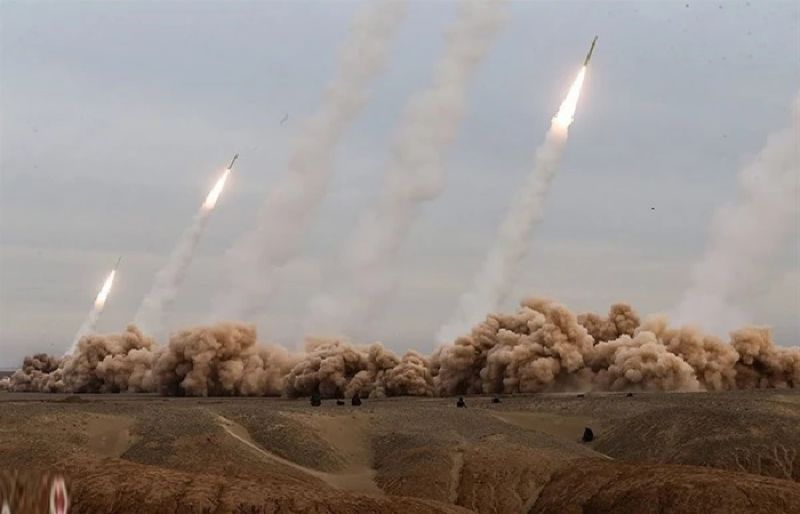

Iranian and allied resistance forces executed Wave 93 of their retaliatory campaign against US-Israeli aggression, dealing precise blows to critical Israeli military staging grounds deep inside the occupied territories.
Wave 93 of Operation True Promise 4 was executed on Friday afternoon against targets in the north and the heart of the occupied territories, and dedicated to the great mujahid Sayyid Hassan Nasrallah and Sheikh Ahmed Yassin, according to a statement by the Islamic Revolution Guards Corps.
During this fierce assault, the centers of gathering and combat support of the Zionists in Western Galilee, Haifa, Kafr Kanna, and Krayot were precisely hit, the statement noted.
Detailing the tactical execution, this wave was carried out as a joint operation with the Islamic Resistance and a combination of solid and liquid fuel missiles, long-range and guided, and suicide drones, based on the statement.
It noted that the wave of drone and missile launches “will continue continuously, uninterruptedly, and shot after shot.”
This sweeping strike is a direct response to the United States and Israel, who launched their criminal aggression against Iran on February 28 by assassinating Leader of the Islamic Revolution Seyyed Ali Khamenei along with senior military commanders.
The enemies have deliberately targeted Iran’s civilian infrastructure and energy facilities, killing hundreds of Iranian people, including some 170 children at an elementary school in Minab.
Iran’s successful retaliatory strikes have inflicted heavy losses on Washington and Tel Aviv and demonstrated the futility of their military posturing.
Politics
Iran can sustain Strait of Hormuz closure for years, will cut US military logistics: Official
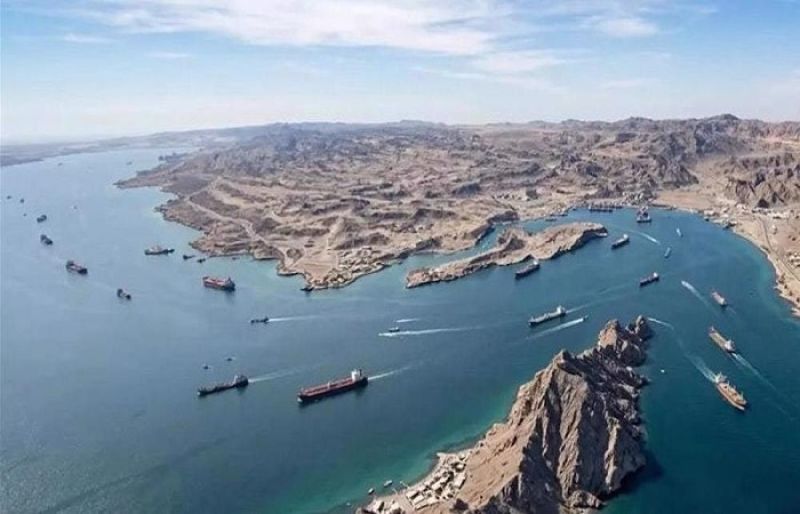
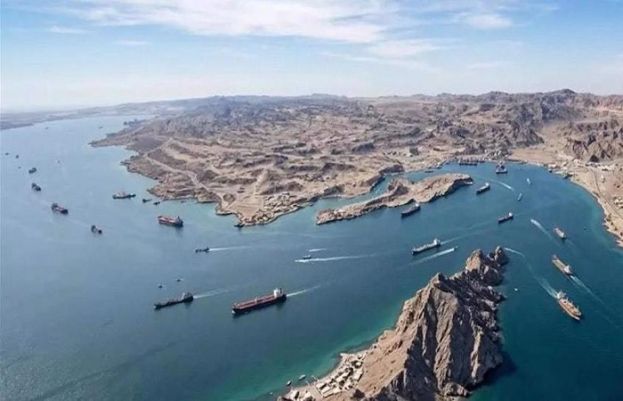
The current situation in the Strait of Hormuz could remain as it is for a long time, and Iran has the capability to sustain it for years, a senior Iranian security official told Press TV.
Speaking to Press TV, the official – who spoke on condition of anonymity – explained that Iran’s heightened sensitivity over the strategic waterway stems from the fact that the majority of equipment used to supply US military bases and garrisons across the region has historically been transported by sea.
“Iran has the capability to sustain this situation for years,” the official said, referring to the effective shutdown of the strategic waterway to US and allied vessels.
The official further stated that Iran believes it should no longer allow such logistical support to continue.
“The majority of the equipment used to supply US military bases and garrisons in the region has been provided via the sea, and Iran must no longer allow this to continue,” he said.
According to the security official, Iran believes that if it had begun regulating the strait earlier, the enemy’s logistical capabilities would have been significantly reduced.
“For this reason, Iran will no longer permit such logistics to take place,” he added.
The Strait of Hormuz, through which approximately one-fifth of global oil supplies pass, has been effectively closed to US and allied vessels amid the US-Israeli war of aggression against the Islamic Republic of Iran, which started on February 28.
Iran’s ability to choke maritime traffic through the narrow waterway, situated between the Persian Gulf and the Gulf of Oman, has been a key point of leverage in the ongoing war.
The effective shutdown of the strait has disrupted global supply and triggered a sharp surge in oil prices, with Brent crude climbing toward record levels. Analysts warn prices could reach $200 per barrel if the war of aggression persists and the US refuses Iranian demands.
The rise in crude prices has quickly filtered into the US gasoline market. Average prices have climbed above $4 per gallon, while diesel has approached $5-$6 per gallon in many states, levels not seen in years. This surge is fueling growing discontent across the United States.
Beyond crude, the closure of the Strait to US and allied vessels has also disrupted LNG, fertilizer, and other key commodities.
Logistics costs and insurance premiums have surged, intensifying inflationary pressures in the US, particularly through higher transportation, food, and industrial costs.
Trump issued repeated warnings that continued closure or disruption of shipping through the strategic waterway, which carries around 20 percent of the world’s crude oil supply, would trigger severe retaliation, including strikes on Iranian power plants.
Deadlines initially set at 48 hours were later extended to five days and then ten, even as the Iranian armed forces dismissed the threats and warned of severe countermeasures.
In a desperate move, Trump later urged European partners to dispatch naval forces to the Strait to escort tankers and ensure freedom of navigation. None of them responded favorably, fueling his frustration.
More recently, after all options had been exhausted, the US president signaled that securing and reopening the Strait is no longer a key American war objective, suggesting that military operations against Iran could end even if the Strait remains closed.
- Iran threatens increase in attacks on energy sites in region.
- Whomever captured crew “would be specially commended”.
- Israel’s military reports new missile salvo from Iran.
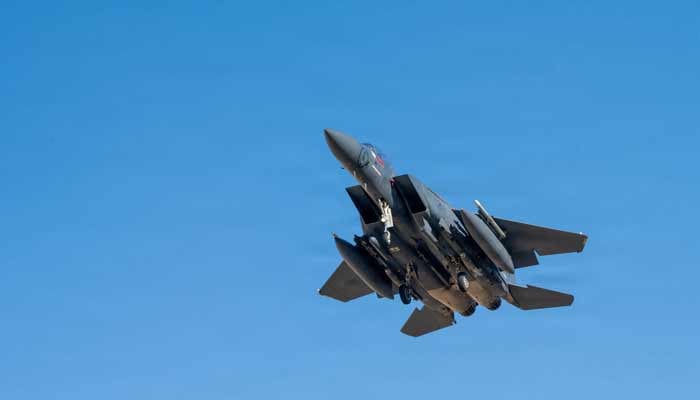
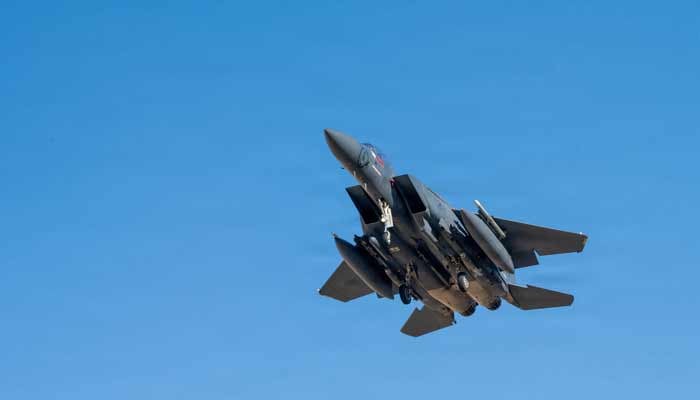
A US fighter jet was shot down over Iran and a search and rescue operation was underway for any survivors, a US official told Reuters on Friday, in the first such known incident since the US launched its war with Iran on February 28.
The official, who spoke on condition of anonymity, did not offer further details.
The Pentagon and US Central Command did not respond to requests for comment.
The prospect of US pilots being alive and on the run inside Iran during an ongoing conflict greatly raises the stakes for the United States in the conflict. Iranian officials called on civilians to be on the lookout for survivors.
The governor of Iran’s Kohgiluyeh and Boyer-Ahmad province said whomever captured or killed the crew “would be specially commended,” according to the semi-official Iranian news agency ISNA.
The war started more than a month ago with US-Israeli strikes on Iran, triggering retaliation that spread the conflict throughout the Middle East, convulsing the global economy and impacting millions of people worldwide.
“Military forces have launched a search operation to find the American fighter pilot who was hit earlier today,” Iran’s Fars news agency said.
The report of the downed jet came as fresh strikes hit Israel, Iran and Gulf countries. Large blasts rocked northern Tehran Friday afternoon, an AFP journalist said. It was not immediately clear what was hit.
Earlier, Israel’s military reported a new missile salvo from Iran, activating its air defences.
Strikes by all sides have increasingly targeted economic and industrial sites, raising fears of wider disruption to global energy supplies and deepening the conflict’s impact beyond the battlefield.
The Iranian fire came as Trump said the US military “hasn’t even started destroying what’s left in Iran. Bridges next, then Electric Power Plants!” on his Truth Social platform, after the United States struck Iran’s tallest bridge.
About 70% of Iran’s steel production capacity, Israeli Prime Minister Benjamin Netanyahu said Friday, after Iran’s two largest steel plants earlier this week said they were forced out of action by several waves of US and Israeli air attacks.
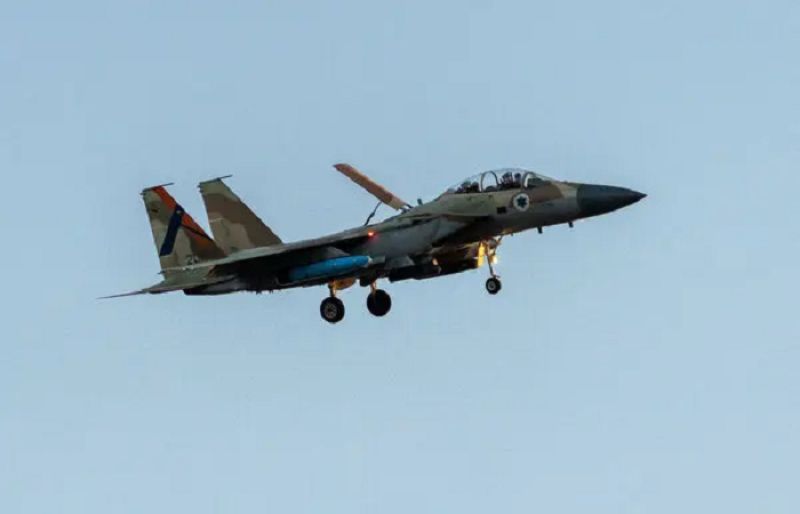
Iran’s Revolutionary Guards have claimed that their air defence system shot down a warplane over the Gulf while also launching missile strikes on multiple locations in Israel.
The attacks reportedly targeted key military sites, causing explosions and fires in several areas.
The Iranian Navy said a fighter jet was downed near Qeysham Island, releasing a video of the incident.
The Guards also claimed that the US aircraft carrier Abraham Lincoln was targeted with cruise missiles, accompanied by video footage.
According to Iranian sources, missile strikes hit Israeli bases in Tel Aviv and Eilat, destroying military installations.
Some missiles reportedly landed in populated areas, starting fires, and Iran claimed Israel’s missile defence system failed to intercept the attacks.
No official response has been issued by Israeli authorities.


Our Favorite iPad Is $50 Off

Joe Jonas shares candid glimpse into parenthood with Sophie Turner

Robert Pattinson gets emotional about fatherhood in new interview

-

 Entertainment1 week ago
Lee Sang-bo dies at 45: Funeral details revealed
-

 Sports1 week ago
Illinois defense gets tough, ousts Houston to reach Elite Eight
-

 Sports6 days ago
USMNT handed reality check by Doku, Belgium ahead of World Cup
-

 Sports6 days ago
2026 NCAA men’s hockey tournament: Schedule, results
-

 Fashion1 week ago
China rolls out tariff cuts on Congo imports from April 1
-

 Fashion7 days ago
EU apparel imports slump 15.48% YoY in Jan; Bangladesh hardest hit
-
 Business1 week ago
How do you spot a fake online review?
-

 Sports6 days ago
Man City show why they are worthy WSL title winners as tired United wilt