

Politics
Zohran Mamdani takes oath as Mayor of New York

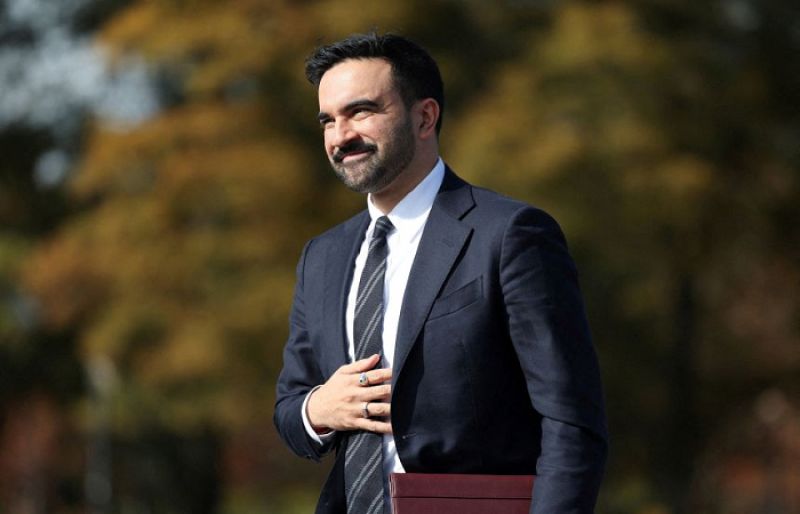

Zohran Mamdani, the young upstart of the US left, was sworn in Thursday to take over as New York mayor for a term sure to see him cross swords with President Donald Trump.
After the clocks struck midnight, bringing in 2026, Mamdani took his oath of office at an abandoned subway stop to begin managing the United States’ largest city. He is New York’s first Muslim mayor.
His office said the understated venue beneath City Hall reflected his commitment to working people, after the 34-year-old Democrat campaigned on promises to address the soaring cost of living.
“This is truly the honor and the privilege of a lifetime,” Mamdani told reporters after taking his oath.
But it remains to be seen if Mamdani — virtually unknown a year ago — can deliver on his ambitious agenda, which envisions rent freezes, universal childcare and free public buses.
Once an election is over, “symbolism only goes so far with voters. Results begin to matter a whole lot more,” New York University lecturer John Kane said.
How Trump behaves could be a decisive factor.
The Republican, himself a New Yorker, has repeatedly criticized Mamdani, but the pair held surprisingly cordial talks at the White House in November.
Lincoln Mitchell, a political analyst and professor at Columbia University, said the meeting “couldn’t have gone better from Mamdani’s perspective.”
But he warned their relationship could quickly sour.
One flashpoint might be immigration raids as Trump wages an expanding crackdown on migrants across the United States.
Mamdani has vowed to protect immigrant communities.
Before the November vote, the president also threatened to slash federal funding for New York if it picked Mamdani, whom he called a “communist lunatic.”
The mayor-elect has said he believes Trump is a fascist.
Block party
Mamdani’s private swearing-in to start his four-year term was performed by New York Attorney General Letitia James, who successfully prosecuted Trump for fraud.
A larger, ceremonial inauguration is scheduled later Thursday with speeches from left-wing allies Senator Bernie Sanders and Congresswoman Alexandria Ocasio-Cortez.
Around 4,000 ticketed guests are expected to attend the event outside City Hall.
Mamdani’s team has also organized a block party that it says will enable tens of thousands of people to watch the ceremony at streetside viewing areas along Broadway.
In a first for the city, Mamdani is using several Korans to be sworn in as mayor — two from his family and one that belonged to Puerto Rico-born Black writer Arturo Schomburg, The New York Times reported.
The new job comes with a change of address as he swaps his rent-controlled apartment in the borough of Queens for the luxurious mayor’s residence in Manhattan.
Some had wondered if he would move to the official mansion given his campaigning on affordability issues. Mamdani said he is doing so mainly for security reasons.
Born in Uganda to a family of Indian origin, Mamdani moved to New York at age seven and enjoyed an elite upbringing with only a relatively brief stint in politics, becoming a member of the New York State Assembly before being elected mayor.
Compensating for his inexperience, he is surrounding himself with seasoned aides recruited from past mayoral administrations and former US president Joe Biden’s government.
Mamdani has also opened dialogue with business leaders, some of whom predicted a massive exodus of wealthy New Yorkers if he won. Real estate leaders have debunked those claims.
As a defender of Palestinian rights, he will have to reassure the Jewish community of his inclusive leadership.
Recently, one of his hires resigned after it was revealed she had posted antisemitic tweets years ago.
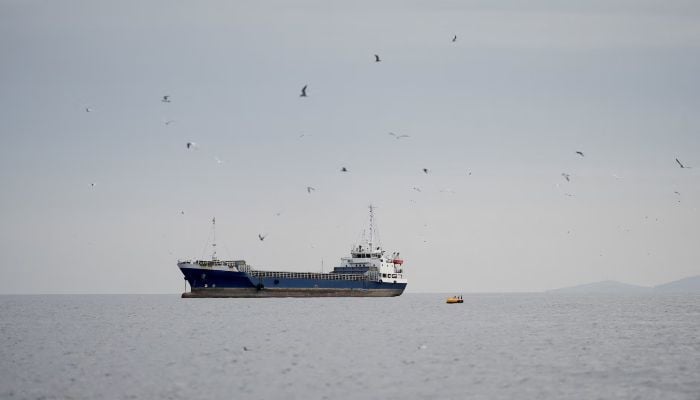
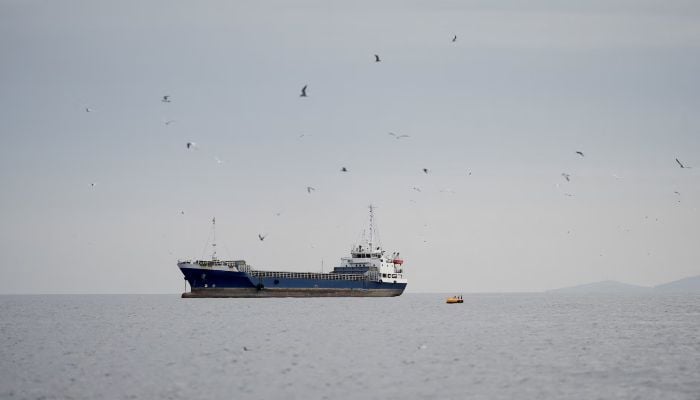
ATHENS: Fraudulent messages promising safe passage through the Strait of Hormuz in exchange for cryptocurrency have been sent to some shipping companies whose vessels are stranded west of the waterway, Greek maritime risk management firm MARISKS has warned.
The US has maintained its blockade of Iranian ports, while Iran has lifted and then re-imposed its blockade of the Strait of Hormuz, through which roughly a fifth of the world’s oil and liquefied natural gas passed before war broke out in the Middle East.
Amid ceasefire talks, Tehran, which controls the chokepoint, has proposed tolls on vessels to safely transit.
MARISKS on Monday issued an alert warning shipowners that unknown actors, claiming to represent Iranian authorities, had sent some shipping companies a message demanding transit fees in cryptocurrencies, Bitcoin or Tether, for “clearance”.
“These specific messages are a scam,” the firm said, adding the message was not sent by Iranian authorities.
There was no immediate comment from Tehran.
Hundreds of ships and about 20,000 seafarers remain stranded in the Gulf.
On April 18, when Iran briefly opened the strait subject to checks, ships tried to pass but at least two of them, including a tanker, reported that Iranian boats had fired shots at them, forcing the vessels to turn around.
MARISKS said that it believed that at least one of the vessels, which tried to exit the strait on Saturday and was hit by gunfire, was a victim of the fraud.
Reuters was not able to verify the information or track companies that had received the message.
“After providing the documents and assessing your eligibility by the Iranian Security Services, we will be able to determine the fee to be paid in cryptocurrency (BTC or USDT). Only then will your vessel be able to transit the strait unimpeded at the pre-agreed time,” said the message cited by MARISKS.
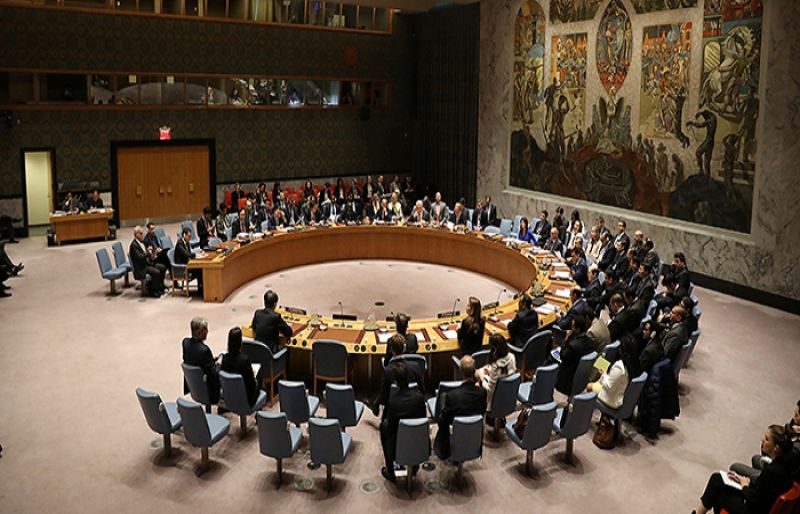
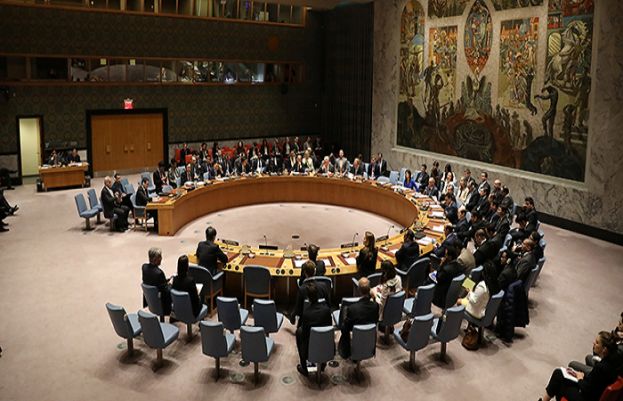
The UN Security Council on Monday condemned the recent killing of a French peacekeeper in Lebanon, whose death France has blamed on Hezbollah.
The Frenchman was killed and three others wounded when their unit was ambushed on Saturday as it headed to a UN Interim Force in Lebanon (UNIFIL) outpost cut off from the fighting between Hezbollah and Israel.
“The members of the Security Council condemned in the strongest terms the attack…(and) reaffirmed their full support for UNIFIL” a statement from the UN body said.
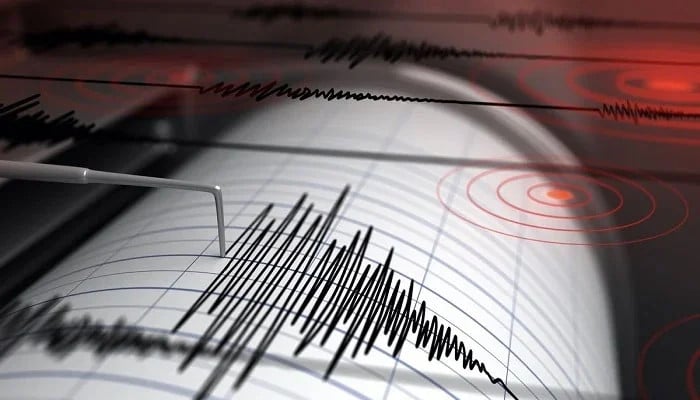
TOKYO: At least six people were reported injured on Tuesday, a day after a powerful quake rattled northern Japan, but there appeared to be no major damage from the tremor that also triggered tsunami waves up to 80 centimetres (31 inches).
However, the Japan Meteorological Agency (JMA) also warned of an increased risk of a megaquake — a tremor with a magnitude of 8.0 or stronger — hours after Monday’s 7.7 magnitude quake in Pacific waters off northern Iwate prefecture.
The jolt was so intense that it shook large buildings in the capital Tokyo, hundreds of kilometres from the epicentre.
Six people were reported injured by 8am (2300 GMT Monday), two seriously, the Fire and Disaster Management Agency (FDMA) said in a statement.
There were no reported fire outbreaks or damage to important facilities, it said.
Japan issued a warning for tsunami waves of up to three metres (10 feet) but it was lifted hours after an 80-centimetre (31-inch) wave hit a port in Kuji in Iwate, one among a series of small waves that hit elsewhere in northern Japan.
The JMA said that “the likelihood of a new, huge earthquake occurring is relatively higher than during normal times”.
Municipalities in the affected region issued non-compulsory evacuation directives to more than 182,000 residents, the FDMA said.
Japan is one of the world’s most seismically active countries, sitting on top of four major tectonic plates along the western edge of the Pacific “Ring of Fire”.
The archipelago, home to around 125 million people, typically experiences around 1,500 jolts every year and accounts for about 18 percent of the world´s earthquakes.
The vast majority are mild, although the damage they cause varies according to their location and the depth below the Earth´s surface at which they strike.
Japan is haunted by the memory of a massive 9.0 magnitude undersea quake in 2011, which triggered a tsunami that killed or left missing around 18,500 people and caused a devastating meltdown at the Fukushima nuclear plant.


Scam messages offering ships safe transit through Hormuz, warns security firm

UN Security Council denounces killing of French peacekeeper in Lebanon
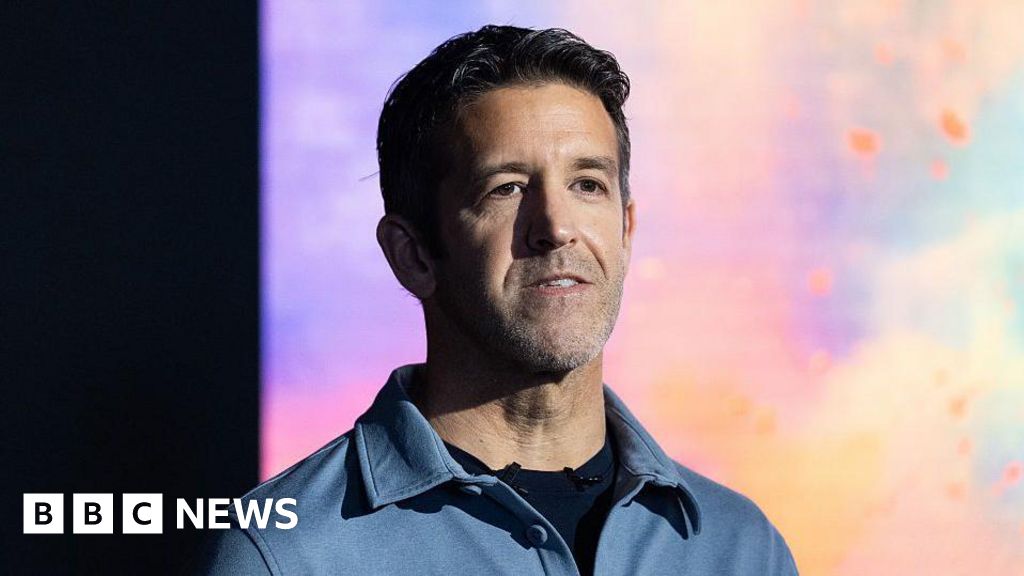
Apple names new boss to replace Tim Cook after 15 years

-

 Fashion5 days ago
France’s LVMH Q1 revenue falls 6%, shows resilience amid Iran war
-

 Sports1 week ago
The case for Man United’s Fernandes as Premier League’s best
-

 Entertainment1 week ago
Palace left in shock as Prince William cancels grand ceremony
-
 Business1 week ago
UK could adopt EU single market rules under new legislation
-

 Entertainment6 days ago
Is Claude down? Here’s why users are seeing errors
-

 Fashion1 week ago
Energy emerges as biggest cost driver in textile margins
-
 Business1 week ago
Delta Air Lines unveils first new Delta One suite in premium cabin arms race
-

 Tech1 week ago
A Lot of Shops Won’t Fix Electric Bikes. Here’s Why