

Business
PwC graduate roles under threat from AI, accountancy firm boss says


Nick MarshBusiness reporter, Singapore
 Getty Images
The growth of artificial intelligence (AI) may eventually lead to fewer entry-level graduates being hired, the boss of accountancy giant PwC has told the BBC.
However, global chairman Mohamed Kande said AI was not behind recent job cuts at the firm, adding that the company actually needed to hire hundreds of new AI engineers but was struggling to find them.
But some observers say the technology itself threatens thousands of junior jobs across the professional services industry.
Speaking on the sidelines of a business summit in Singapore, Mr Kande also said big changes in the global economy, such as US President Donald Trump’s sweeping tariffs, had been good for the firm’s consulting business.
He also addressed the company’s suspension in China last year over its work on the collapsed property giant Evergrande, promising that the same mistakes “would not happen again”.
Headquartered in London, PwC is one of the Big Four accountancy firms. It provides a range of services, such as financial auditing, consulting and tax advice for business clients around the world.
According to Mr Kande, advising them on how to integrate AI into their operations will be at the heart of the firm’s future business strategy, even as the rapidly advancing technology affects its own hiring plans.
Firms who would have previously hired PwC consultants to sift through data and documents may now use AI models instead, turning weeks of costly work into mere minutes.
Every year, the company hires thousands of new graduates in entry-level positions – including 1,300 in the UK and 3,200 in the US last year – but it recently dropped long-term plans to continue increasing its headcount.
In 2021, PwC said it wanted to hire 100,000 people over the course of five years – but Mr Kande said this would no longer be possible.
“When we made the plans to hire that many people, the world looked very, very different,” he said.
“Now we have artificial intelligence. We want to hire, but I don’t know if it’s going to be the same level of people that we hire – it will be a different set of people.”
Last year, PwC cut more than 5,600 roles across its worldwide operation.
The boss of the company’s UK business has previously spoken about reducing graduate recruitment, admitting that AI was “certainly reshaping roles”.
At a global level, however, Mr Kande insisted that the AI boom was an “exciting time” for creating new jobs.
“We are looking for hundreds and hundreds of engineers today to help us drive our AI agenda, but we just cannot find them,” he said.
Trade turmoil ‘good for us’
Businesses around the world may be facing challenges adapting to AI, but in the meantime PwC appears to have benefited from the broader uncertainty in the global economy, largely fuelled by President Trump’s extensive use of tariffs.
“We are receiving a lot of calls from many companies around the world asking how to navigate the current environment,” said Mr Kande.
“It’s been good for us. We need to remain relevant to our clients and we have to be in these discussions, which we are.”
However, the company took a huge reputational blow last year, when Chinese authorities suspended PwC for six months over its work on the collapsed property giant Evergrande.
The firm went bust after amassing debts of more than $300bn (£230bn) and has been at the centre of a ruinous housing crisis that continues to damage lives and livelihoods in China.
The country’s Securities Regulatory Commission found that PwC, as the auditor, had “covered up and even condoned” financial fraud at Evergrande.
Mr Kande, whose tenure as global chairman began after Evergrande went bankrupt, said PwC no longer faced any restrictions in China.
“Let me tell you – we changed many of our people, implemented new quality management systems and introduced new governance systems,” he said.
“My focus has been to make sure nothing like this ever happens again.”

Malaysia-based Karex produces more than five billion condoms a year and supplies global brands like Durex and Trojan.
Source link
Tesco Pet Insurance, who provided the cover, says “the cost of claims is one of a number of factors that can affect the price of a policy at renewal” and also noted Tilly’s age had been reflected in the quote. It says the couple had a more comprehensive policy, which typically costs more than basic levels of cover, and that alternative options were presented to Fawcett and Neild.
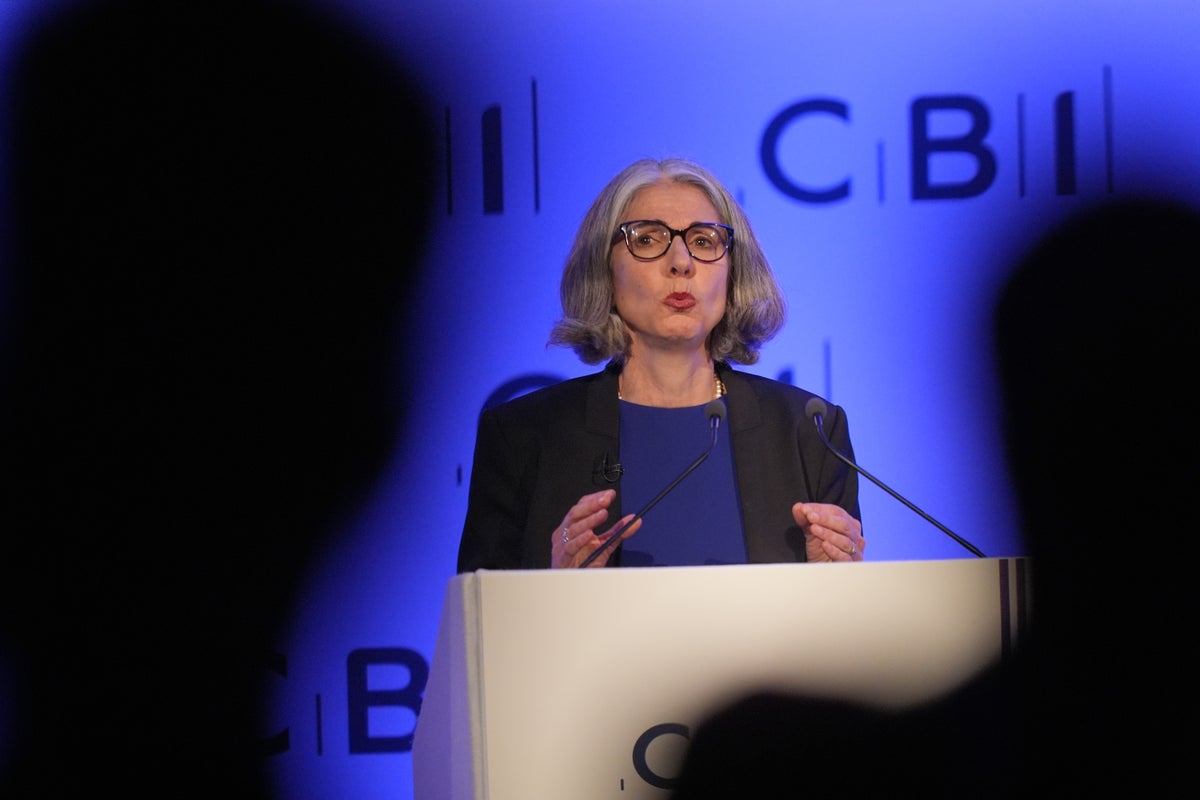
The UK must not “cut ourselves off” from trade opportunities in China despite security and business risks, the head of the Confederation for British Industry has warned.
CBI chief Rain Newton-Smith highlighted that British businesses see increased trade with Chinese firms as an opportunity to drive growth.
Her remarks came as business leaders were questioned by MPs on Parliament’s Business and Trade Select Committee regarding the UK’s economic relationship with China.
Last December, Prime Minister Sir Keir Starmer admitted China poses security threats to the UK but urged for greater business ties.
Ms Newton-Smith, chief executive of one of the UK’s largest business groups, was positive about the Government’s engagement with China.
“You can’t have a growth strategy without a strategy for China,” she said.
“China has the biggest contribution to global growth, is the third largest trading partner, and the world’s largest consumer market.
“The UK is second largest exporter of trade and services.
“We are mindful as all businesses are of security risks but it is really important that we have a strategy towards China.
“This Government has increased the economic engagement with China and including business within this does help us as a country.”
She added: “If we think about the future economy, there is a huge market in China and I think we mustn’t cut ourselves off from some of the opportunities there, even if in some areas there are difficult conversations and negotiations that need to be had.”
Peter Burnett, chief executive of the China-Britain Business Council, told the committee: “There are risks associated with technology advancement, AI, industrial development that they need to assess.
“Increasingly you will find them saying that they need to engage more in China to understand those risks and to develop some of the technologies along some of those risks themselves.”


IMF to give specific attention to low-income, vulnerable nations

A case for fuel reforms
World’s biggest condom maker Karex set to raise prices due to Iran war

-

 Fashion6 days ago
France’s LVMH Q1 revenue falls 6%, shows resilience amid Iran war
-

 Sports1 week ago
The case for Man United’s Fernandes as Premier League’s best
-

 Entertainment1 week ago
Palace left in shock as Prince William cancels grand ceremony
-
 Business1 week ago
UK could adopt EU single market rules under new legislation
-

 Entertainment7 days ago
Is Claude down? Here’s why users are seeing errors
-

 Fashion1 week ago
Energy emerges as biggest cost driver in textile margins
-
 Business1 week ago
Delta Air Lines unveils first new Delta One suite in premium cabin arms race
-
 Fashion1 week ago
Asia claims largest share of markets on Kearney FDI Confidence Index