

Politics
Lightning strike injures almost 100 at rally for Brazil’s former president


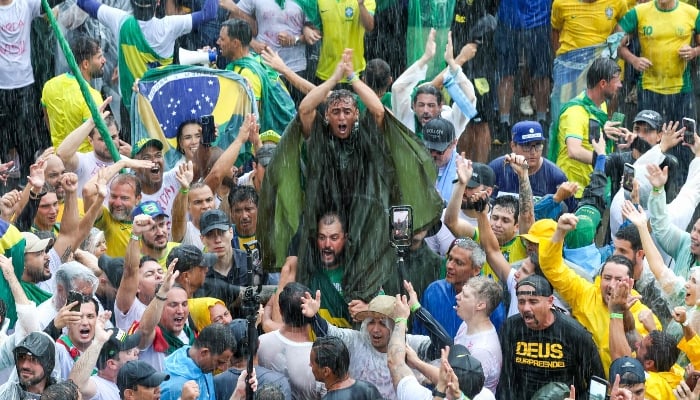
Lightning struck near a rally of supporters of Brazil’s former far-right president Jair Bolsonaro in Brasilia on Sunday, injuring 89 people, according to the fire department.
Thousands gathered in the rain in the Brazilian capital to support Bolsonaro, who was sentenced to 27 years in prison last year for leading a failed coup d’etat following his narrow re-election loss.
Footage shared online shows crowds with colourful umbrellas and plastic ponchos stunned by a sudden flash of light and rumbling sound.
The fire department told AFP they treated 89 people at the scene, including 47 who were taken to hospital.
Eleven people “required major medical care,” the fire department added.
The gathering was organised by Brazilian lawmaker Nikolas Ferreira to demand “amnesty” for Bolsonaro.
The former head of state is incarcerated in the Papuda penitentiary complex in Brasilia.
He suffers from serious health complications related to a 2018 stabbing on the campaign trail and spent a week in hospital in December following surgery for a groin hernia and treatment for recurring hiccups.
Earlier this month he underwent tests after a fall in prison, but no serious injuries were found.
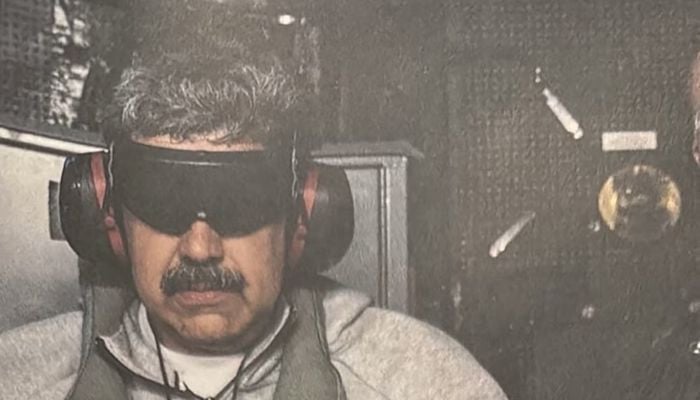
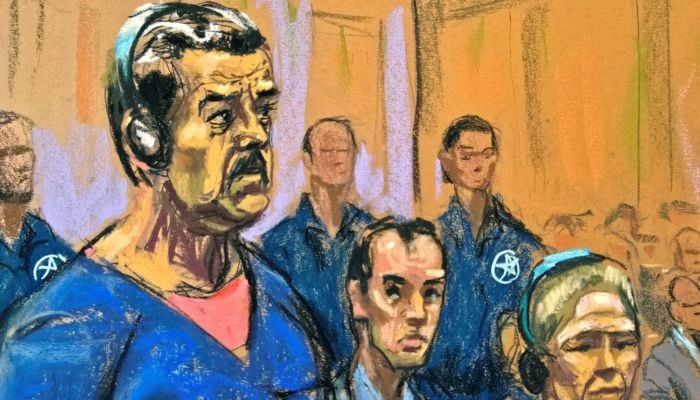
CARACAS: Ousted Venezuelan president Nicolas Maduro and his wife, captured by US forces in a nighttime raid in January, said Saturday that they feel “steadfast” and “serene” in their first social media post from prison.
Maduro and his wife Cilia Flores have been held in a Brooklyn jail for almost three months, after American commandos snatched the pair from their compound in Caracas, and they have reportedly been without access to the internet or newspapers.
“We are well, steadfast, serene and in constant prayer,” the pair said in a message shared on Maduro’s X account, though it was unclear who made the post on their behalf.
“We have received your communications, your messages, your emails, your letters and your prayers. Every word of love, every gesture of affection, every expression of support fills our souls and strengthens us spiritually.”
A source close to the Venezuelan government told AFP that Maduro reads the Bible and is referred to as “president” by some of his fellow detainees in Brooklyn’s Metropolitan Detention Centre, a federal prison known for unsanitary conditions.
He is only allowed to communicate by phone with his family and lawyers for a maximum of 15 minutes per call, the source added.
His son, Nicolas Maduro Guerra, known as “Nicolasito,” has said in public appearances that his father is well, calm, and even exercising in prison.
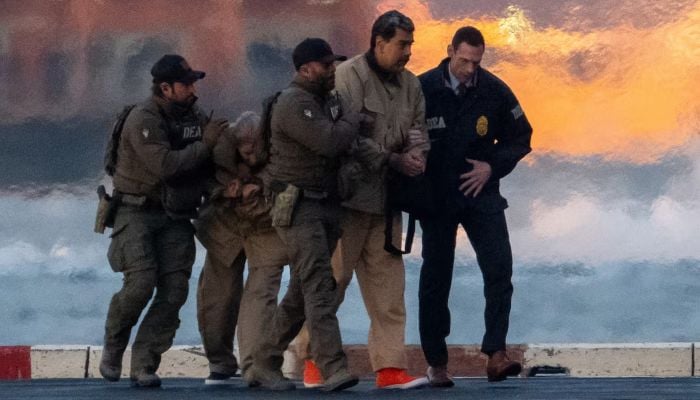
Maduro, who has declared himself a “prisoner of war,” had not spoken since being arraigned in New York on January 5.
“We feel a deep admiration for our people’s ability to remain united in difficult times, to express love, awareness, and solidarity, within Venezuela and beyond our borders,” the couple added in Saturday’s post.
During a one-hour hearing on Thursday, the judge rejected a defence motion over Maduro and his wife’s apparent inability to afford their legal bill without aid from the Venezuelan government. Neither spoke during the court appearance.
Maduro has pleaded not guilty to charges of “narco-terrorism” conspiracy, cocaine importation conspiracy, possession of machine guns and destructive devices and conspiracy to possess machine guns and destructive devices.
The January operation deposed Maduro, who had led Venezuela since 2013, forcing the oil-rich country to largely bend to US President Donald Trump’s will.
Delcy Rodriguez, who had been Maduro’s vice president since 2018, is now at the helm and grappling with leading a country saddled with the world’s largest proven oil reserves but an economy in shambles.
Since Maduro’s ouster, Rodriguez has enacted a historic amnesty law to free political prisoners jailed during his tenure and reformed oil and mining regulations in line with US demands for access to her country’s vast natural wealth.
This month, the State Department said it was restoring diplomatic ties with Venezuela in a sign of thawing relations.
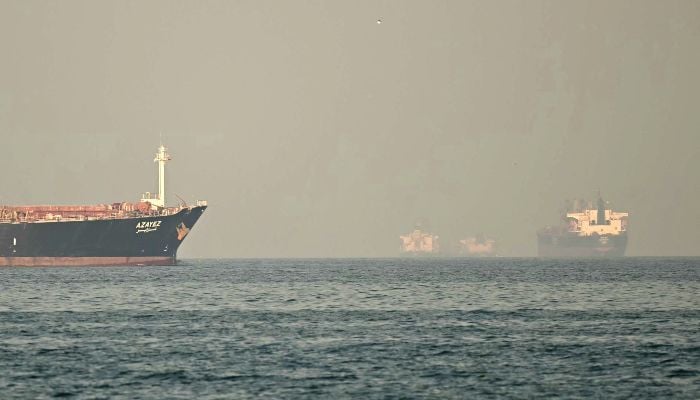
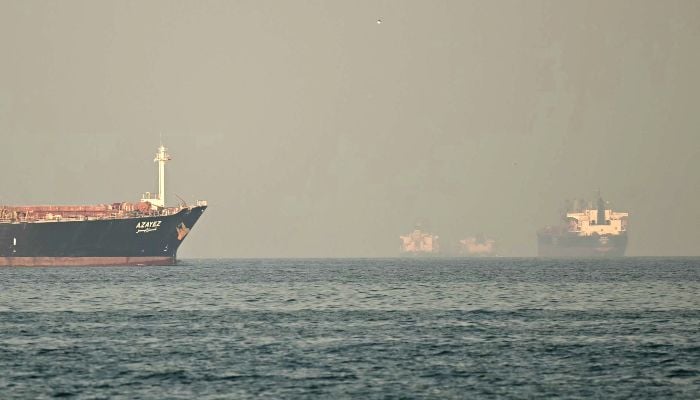
LONDON: Seafarers’ helplines say they are overwhelmed with messages from crews stuck in the Gulf by the Middle East war, desperately seeking repatriation, compensation and onboard supplies.
“Writing to urgently inform you that our vessel is currently facing a critical situation regarding provisions and one crew health conditions,” read an email from one seafarer on March 24 to the International Transport Workers’ Federation (ITF)’s Seafarer Support team.
“Immediate supply of food, drinking water, basic necessities is required to sustain the crew,” said the message to the team’s helpline.
The ITF said it had received more than 1,000 emails and messages from seafarers stuck around the Strait of Hormuz and the wider region since the war erupted with US-Israeli strikes on Iran on February 28.
Bomb strikes
Some sought to clarify what their rights are while navigating a war zone, while others sent videos of bombings striking next to their ship and asked the federation for help to get off board, according to ITF documents seen by AFP.
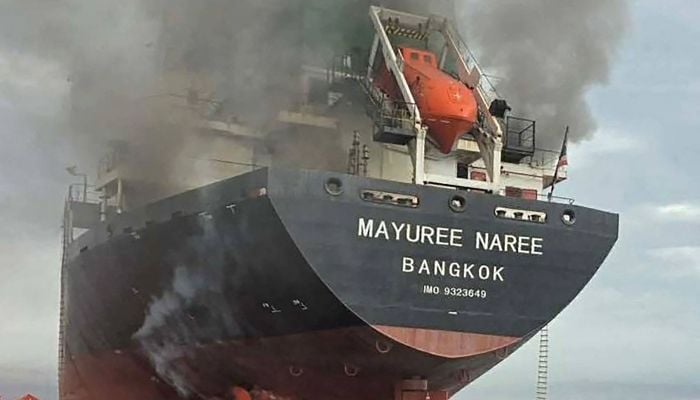
“It is an extraordinary situation, there is a lot of panic,” Mohamed Arrachedi, ITF’s Network Coordinator for the Arab World and Iran, in charge of handling requests from seafarers in the region, told AFP, describing the situation as “really shocking”.
“I get calls from seafarers at two o’clock, three o’clock in the morning. They call me the minute they have access to the internet,” Arrachedi said on Wednesday by telephone from Spain.
“One seafarer called in a panic, saying: ‘We are here bombed. We don’t want to die. Please help me, sir. Please get us from here.”
About 20,000 seafarers are currently stuck in the Gulf, according to the UN’s maritime body, known as the IMO, and at least eight seafarers or dock workers have died in incidents in the region since February 28.
All correspondence was shared with AFP on condition of anonymity, as the helpline guarantees confidentiality to seafarers.
War zone rights
The International Bargaining Forum (IBF), a global maritime labour body, has declared the area a war zone.
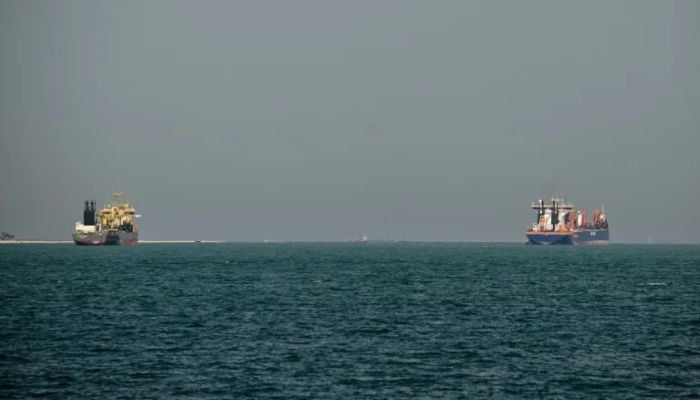
This normally gives seafarers exceptional rights, including repatriation at the company’s cost and double pay for those working on ships covered by IBF agreements — around 15,000 vessels worldwide, according to the ITF.
Despite this, many seafarers — especially on ships without such labour agreements — are reporting difficulties with getting repatriated.
In one email sent to the ITF on March 18, a seafarer said the ship’s operator was ignoring crews’ requests to leave, arguing that there were no flights from Iraq and refusing alternative routes.
“They are forcing us to continue to do cargo operations and STS (ship-to-ship operations) even (when) we raise our concerns about our safety and we are in war like area. They are keeping us in a position with no options,” read the email seen by AFP.
The International Seafarers’ Welfare and Assistance Network (ISWAN), another organisation operating a helpline, told AFP on Wednesday that it had seen “a 15-20% increase in calls and messages” since the start of the war, with a third relating to repatriation difficulties.
$16 a day
Another major concern is compensation.
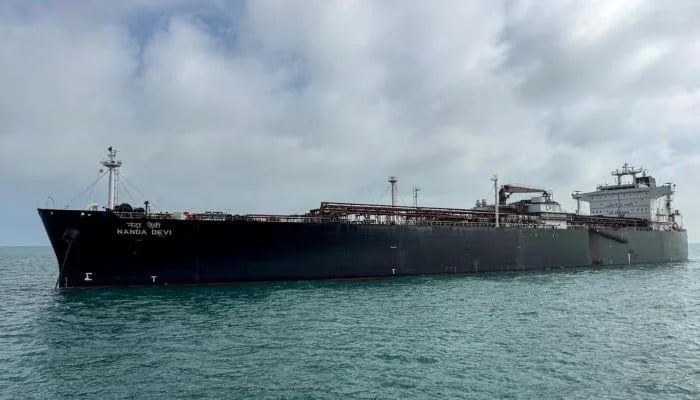
“About 50% of emails we receive concern pay,” Lucian Craciun, one of five members of ITF’s support team processing requests at the organisation’s headquarters in London, told AFP.
He said many seafarers choose to stay on board despite the dangerous conditions because they cannot afford to leave.
One email seen by AFP came from a seafarer asking to confirm whether his salary would go from $16 a day to $32 because he was in a designated war zone.
The ITF says such low salaries indicate that the shipowners do not have labour agreements in place to ensure decent pay.
Seafarers working under such arrangements are particularly at risk because their contracts often do not cover operations in war zones, and owners tend not to respond to requests from organisations such as the ITF, according to the support team.
When that happens, the ITF reaches out to the flag states and, if that does not work, to the state port authority where the vessel is located.
Arrachedi said that many such cases in the Gulf are still unresolved, with seafarers desperately awaiting responses from operators.
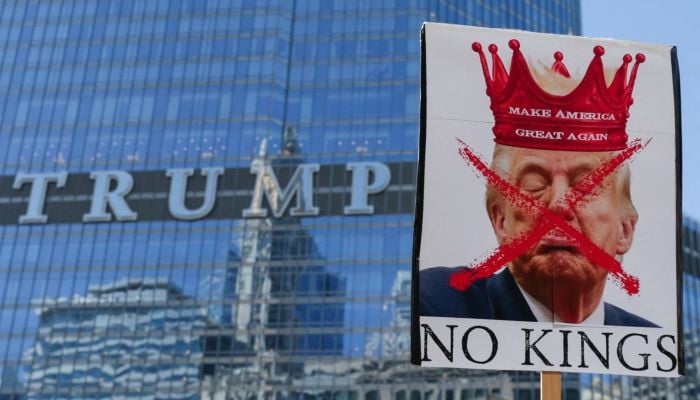
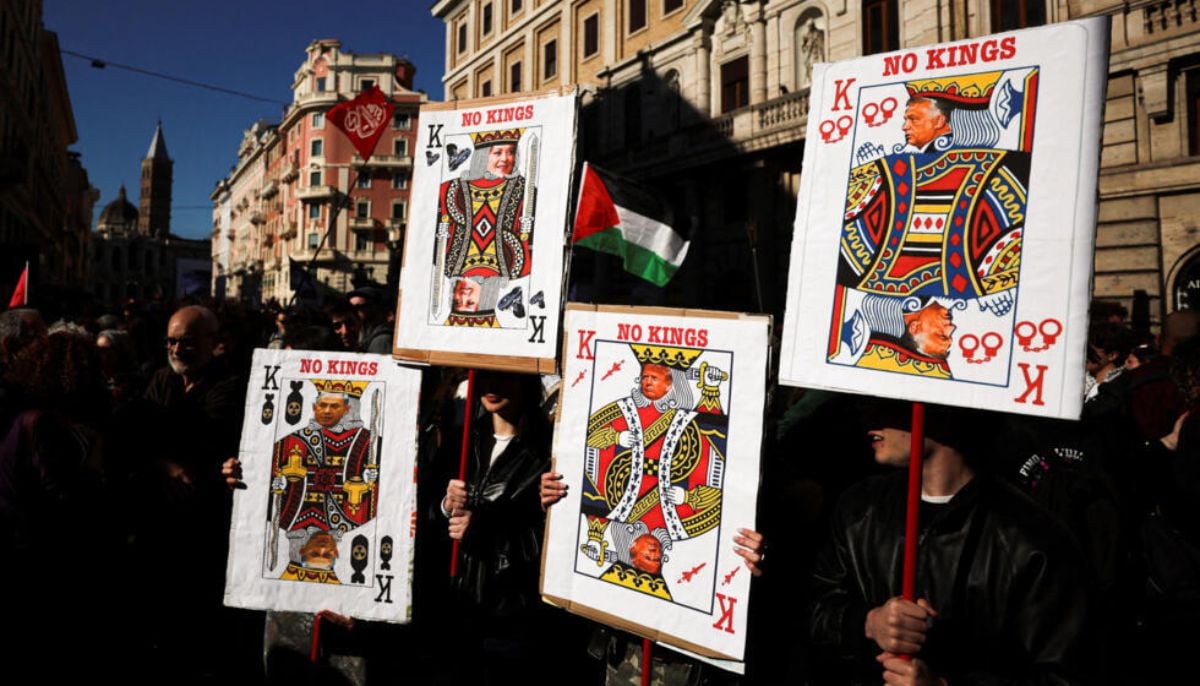
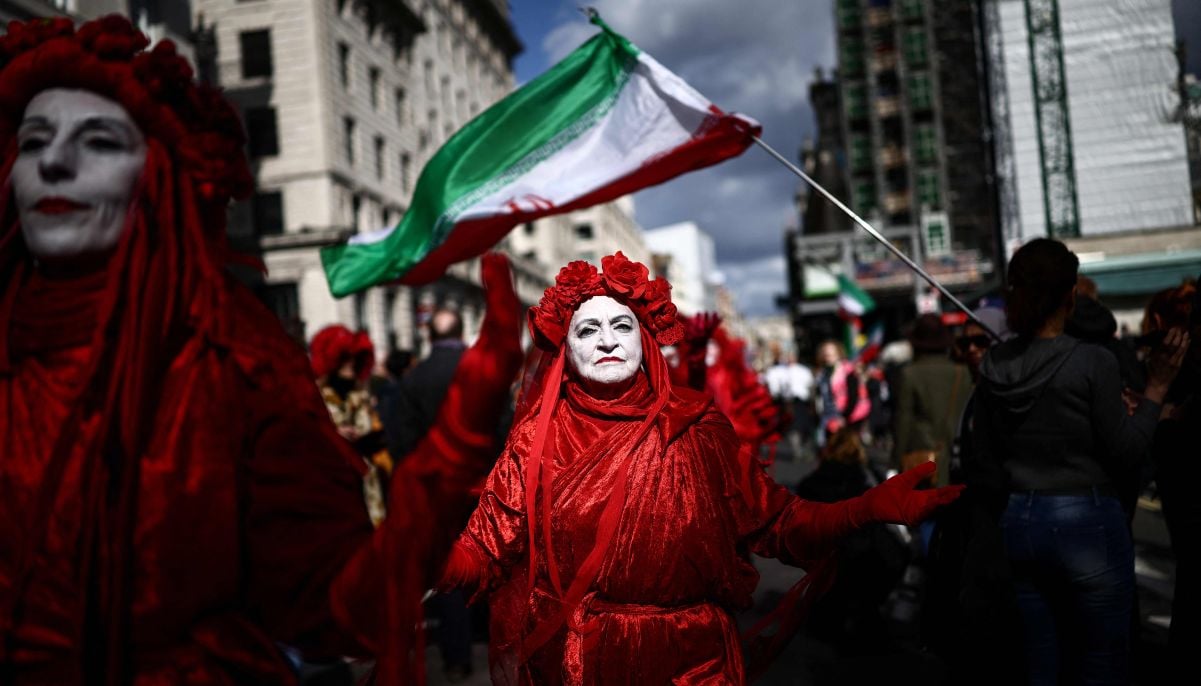
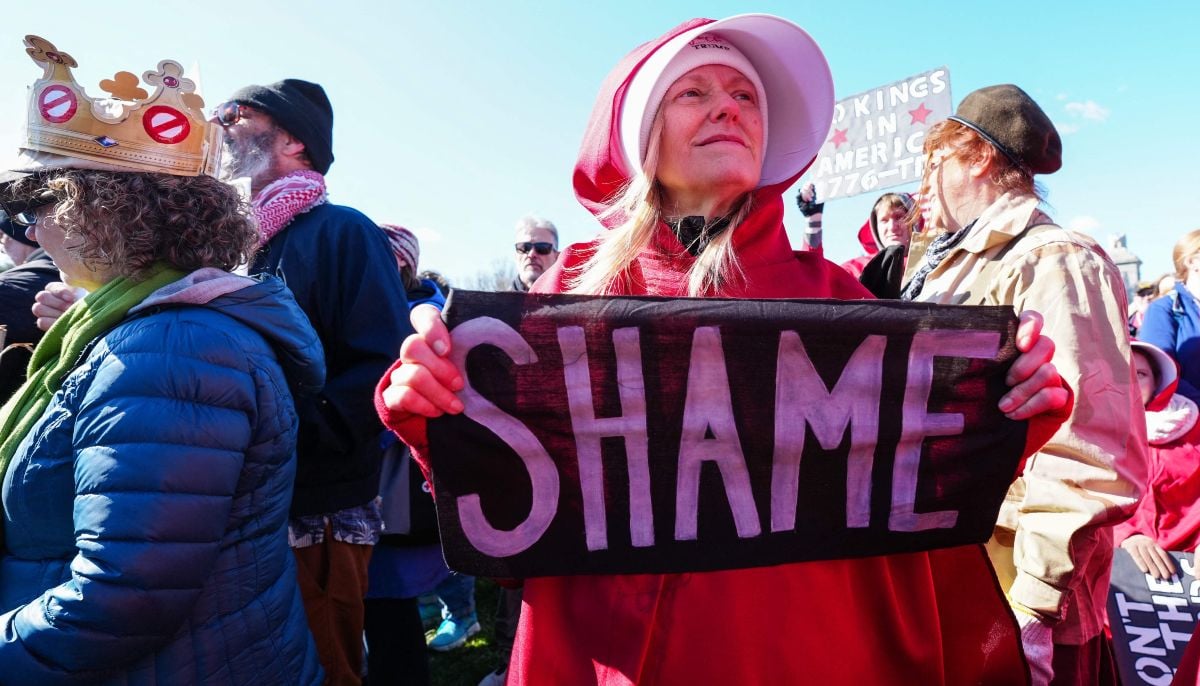
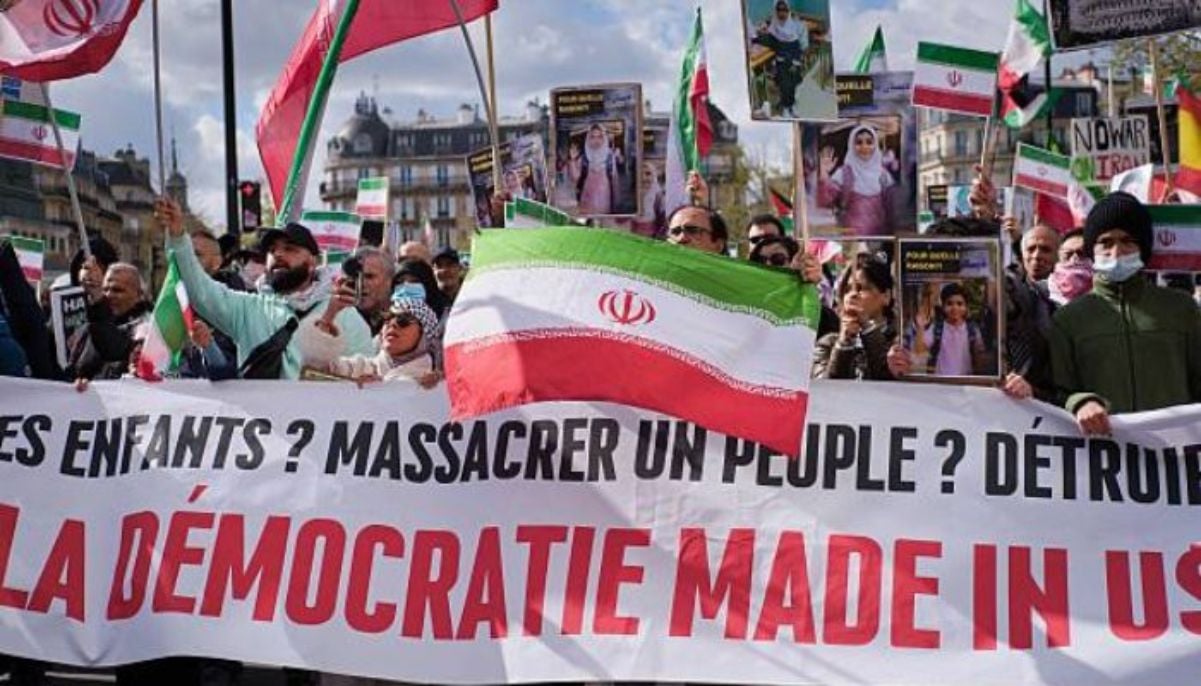
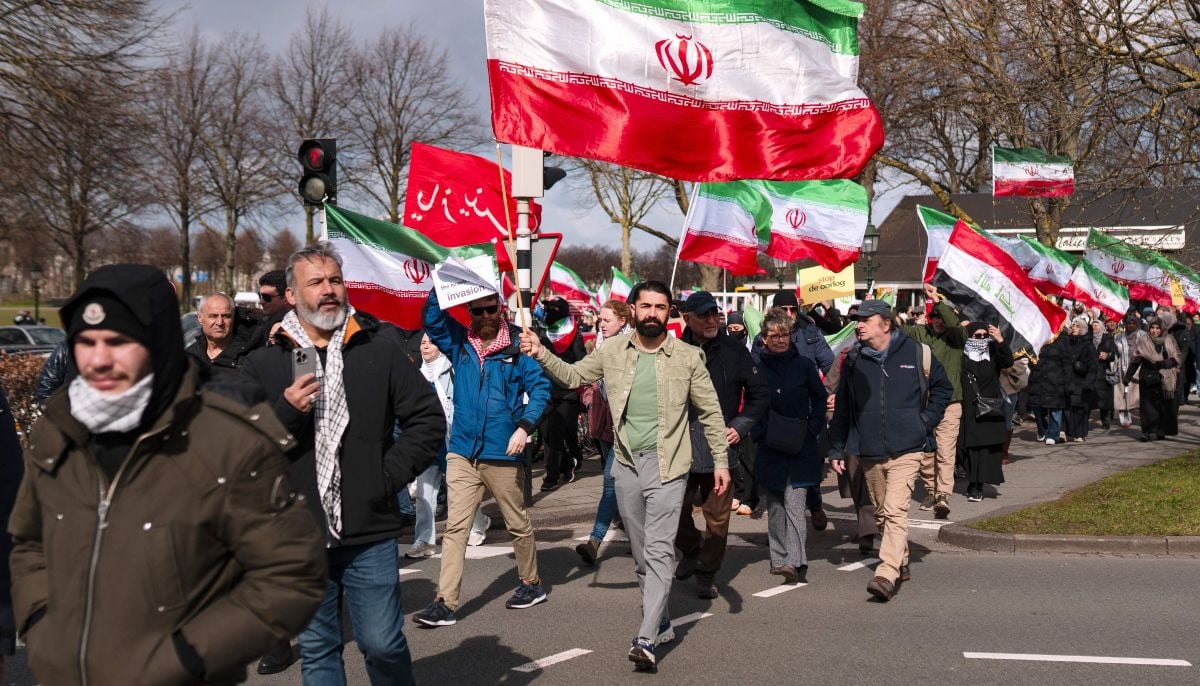
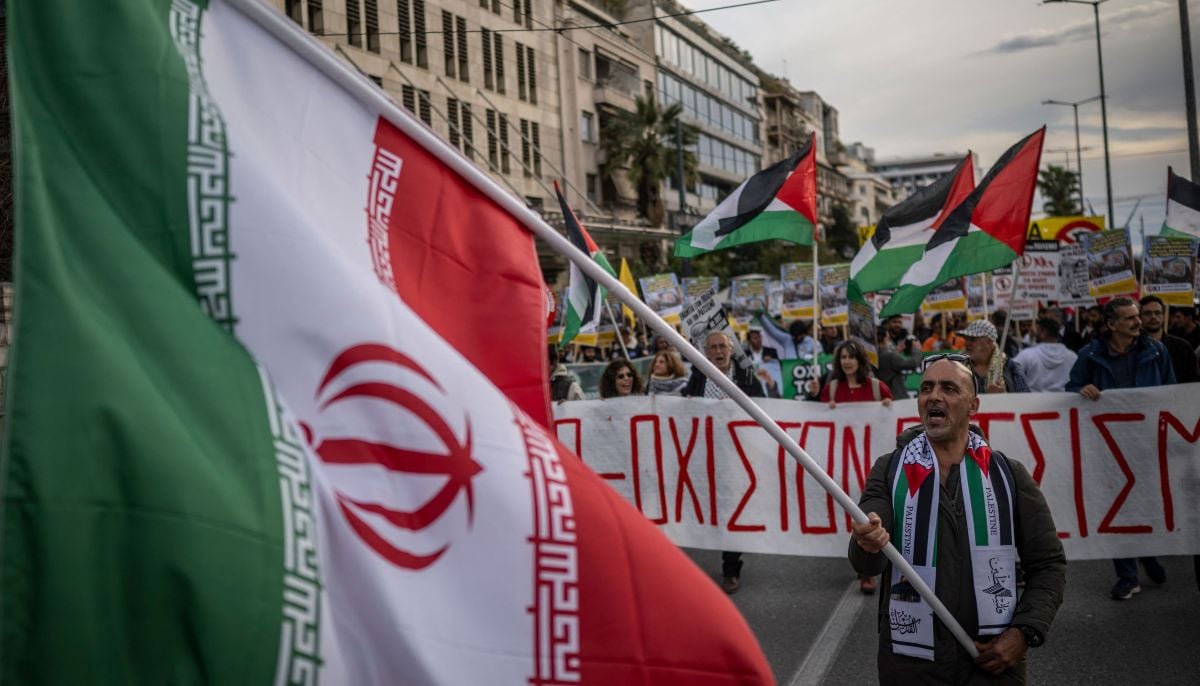
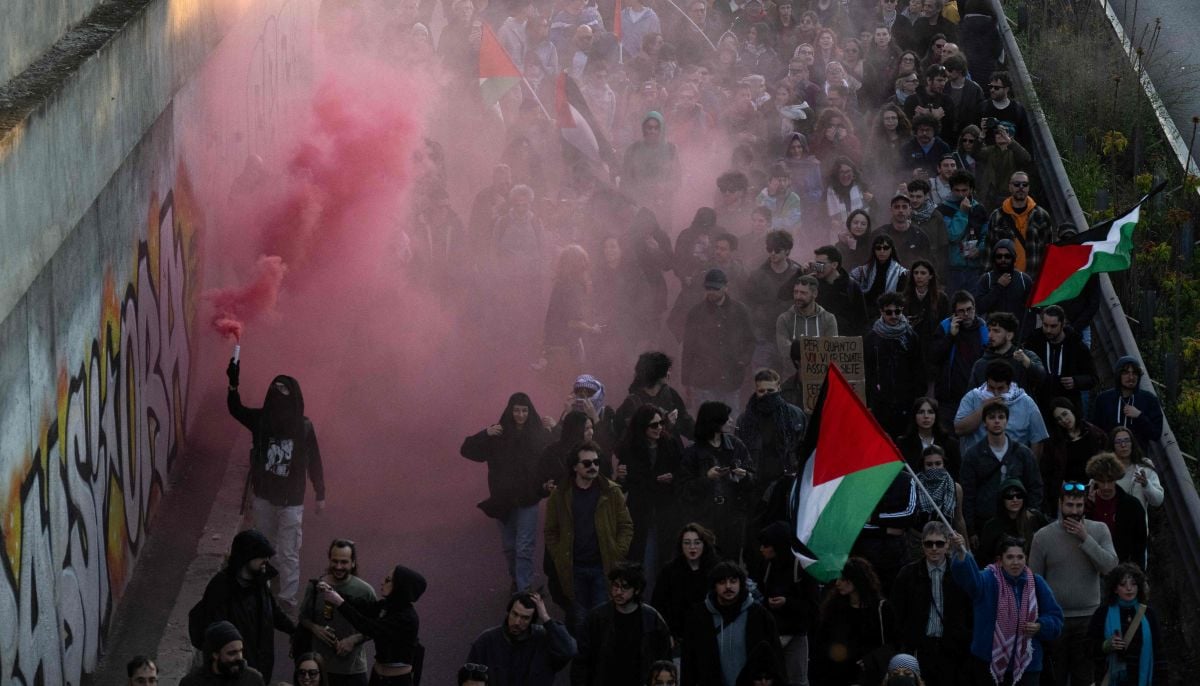
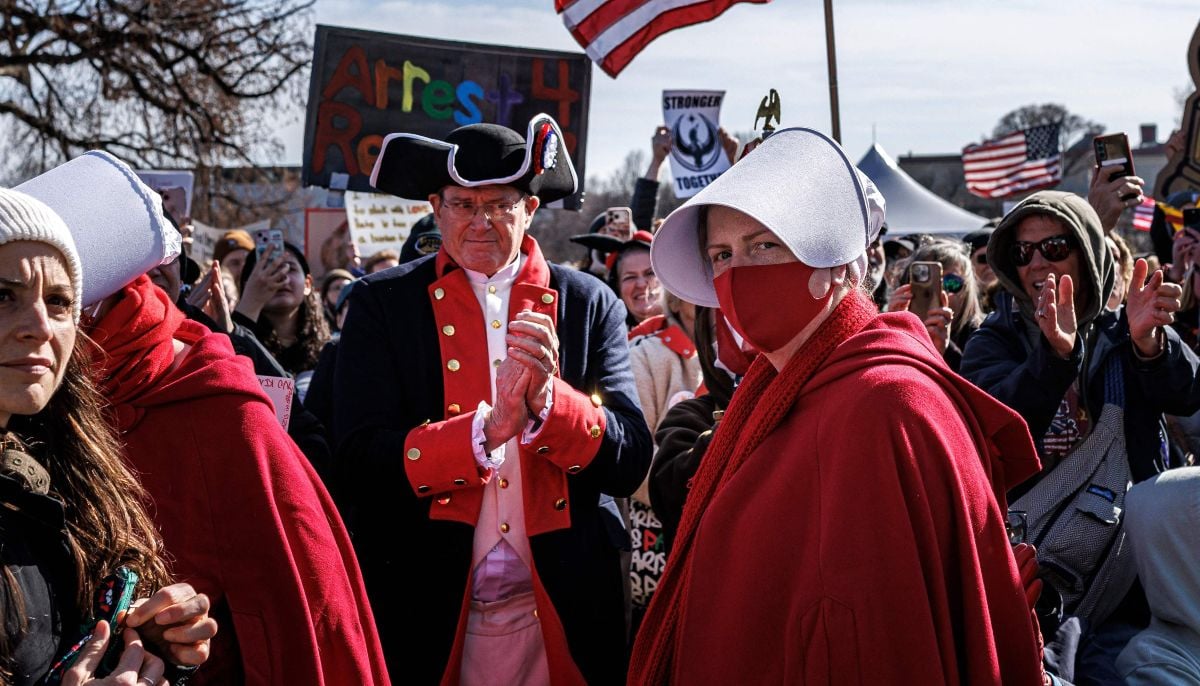
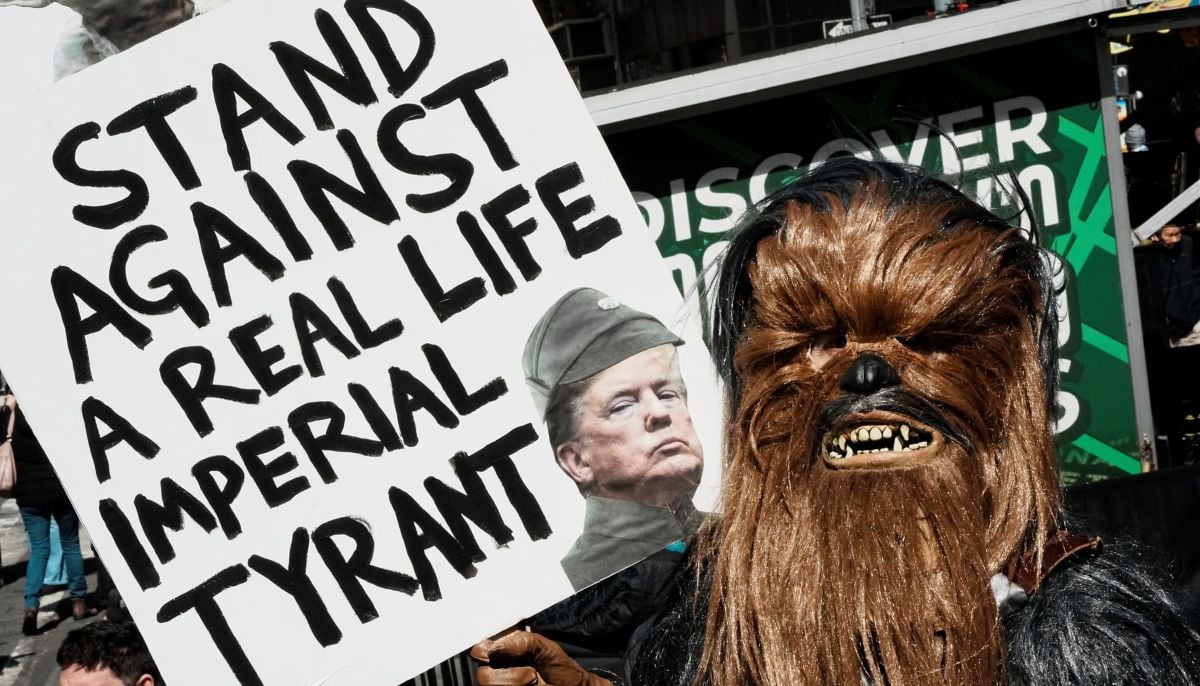
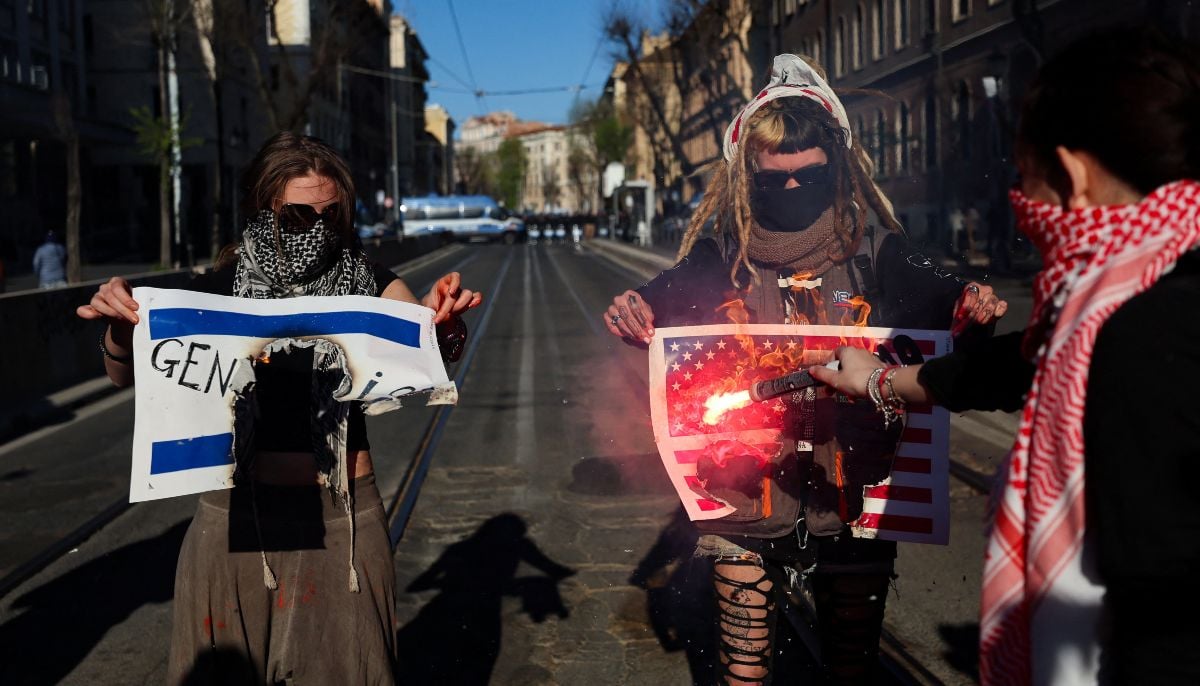
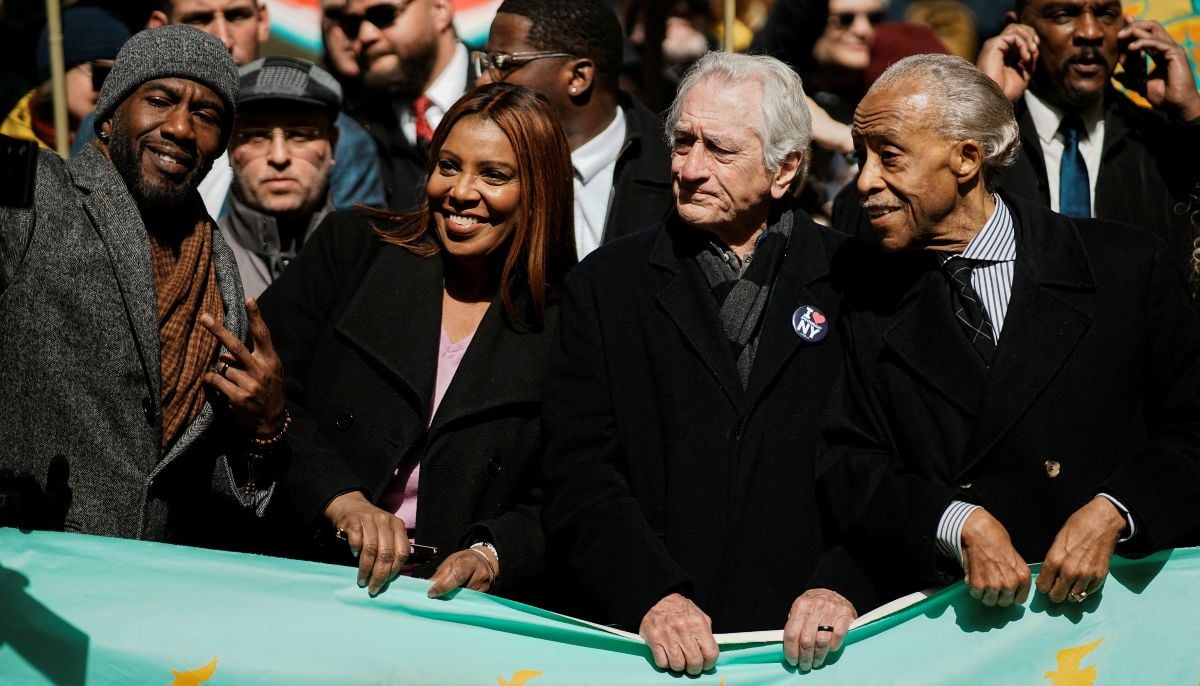
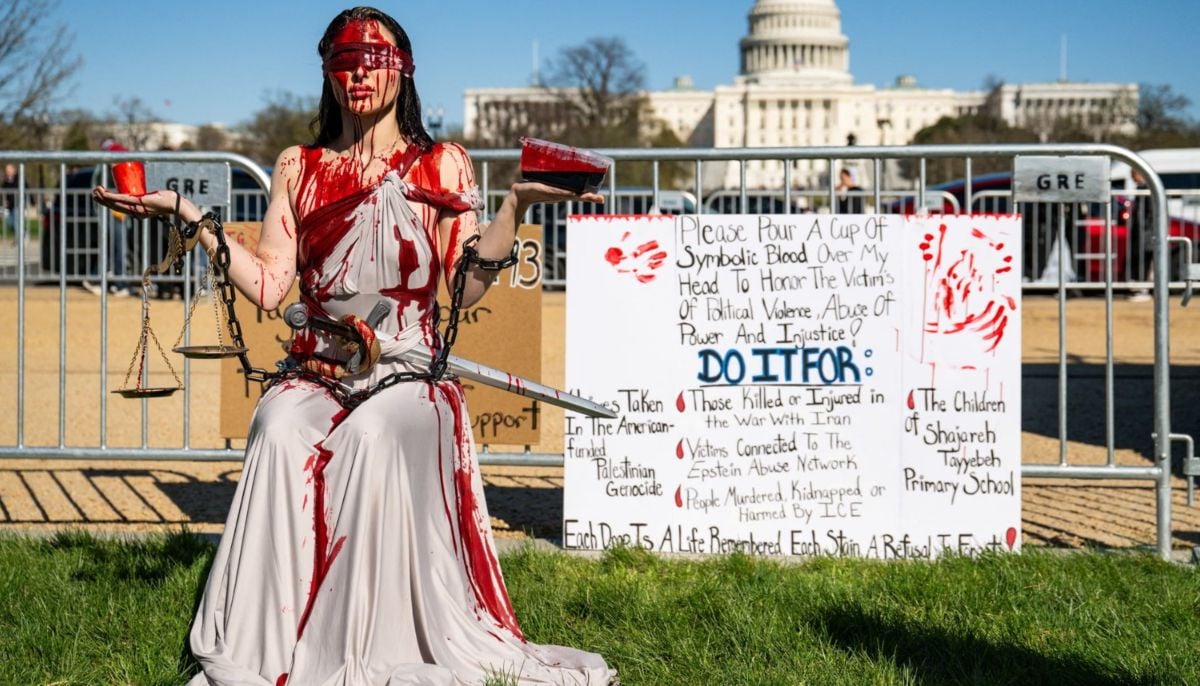
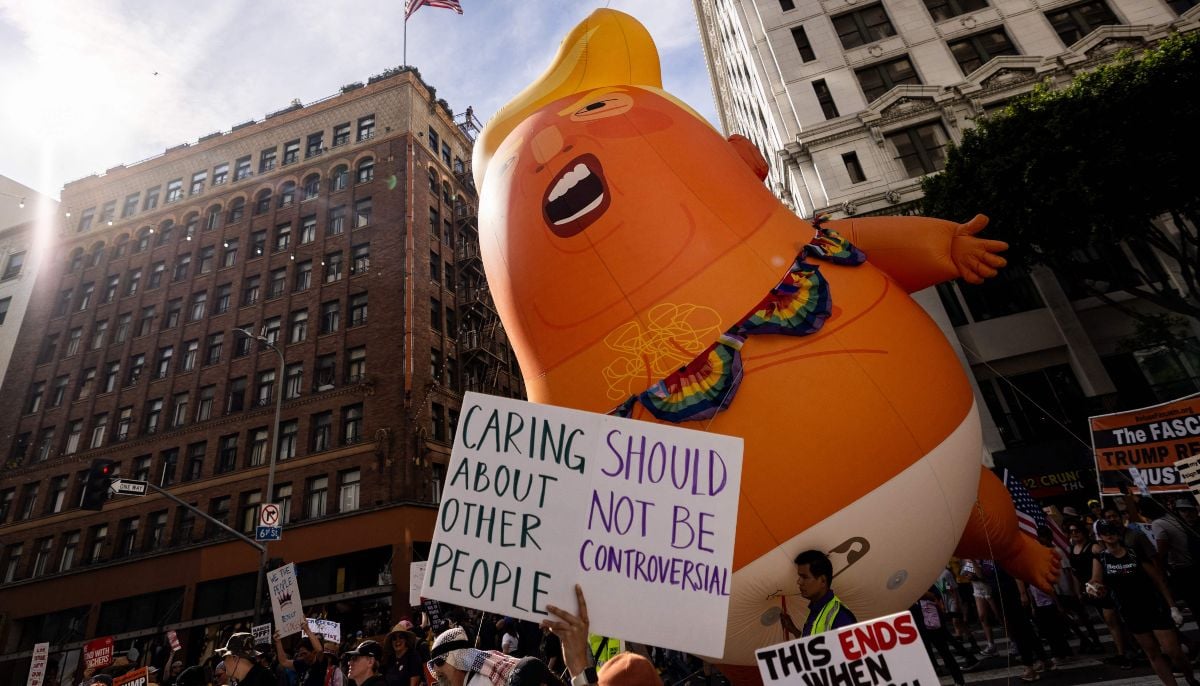
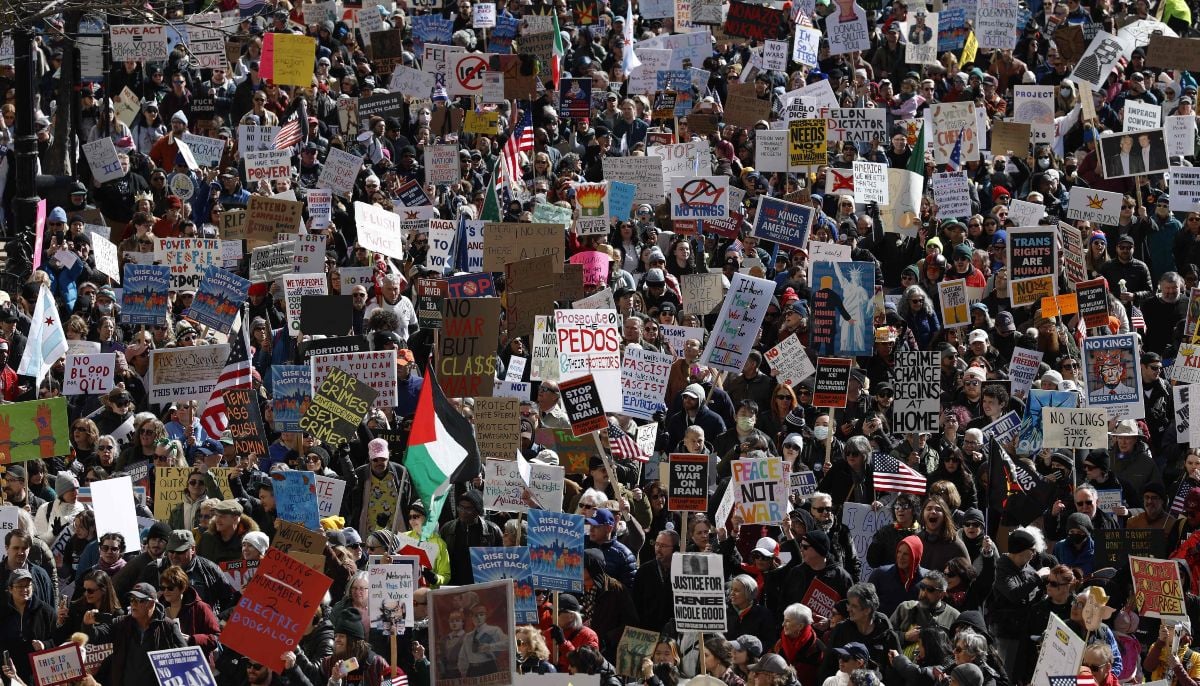
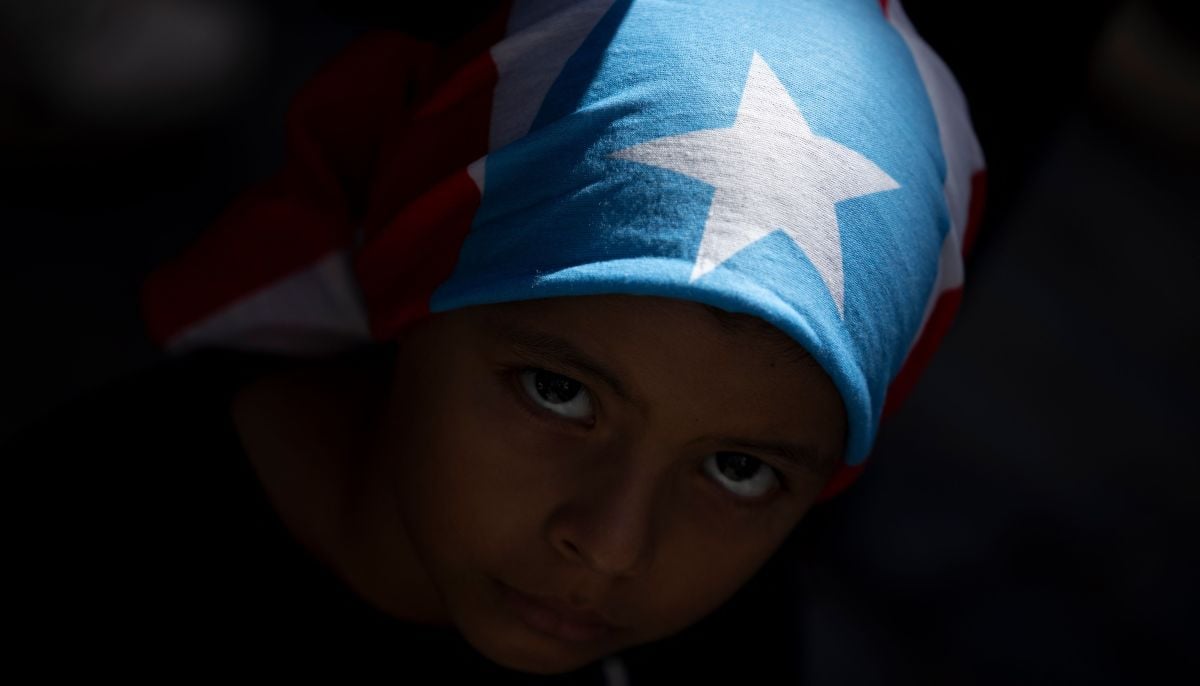
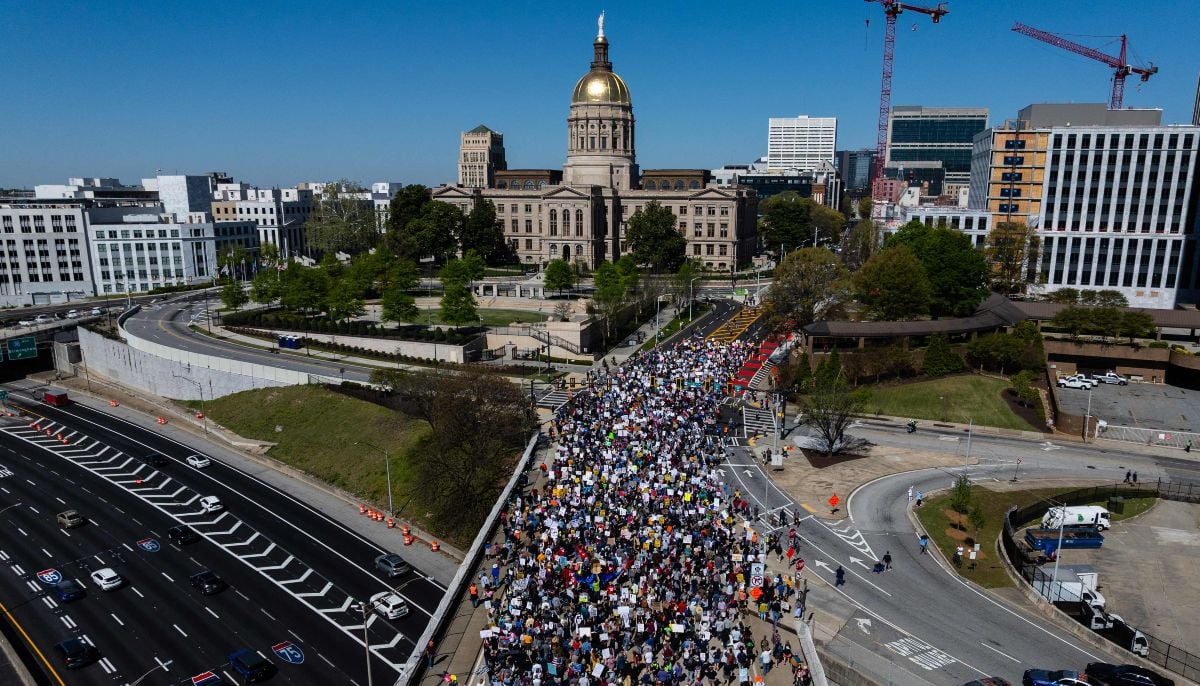
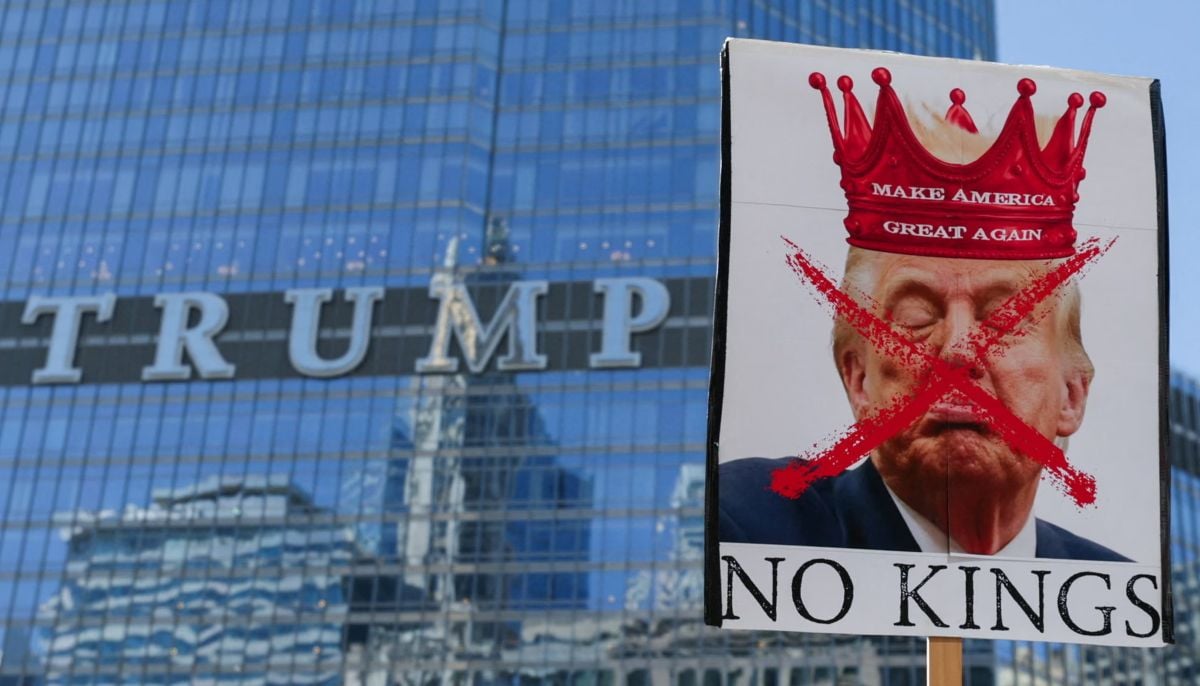
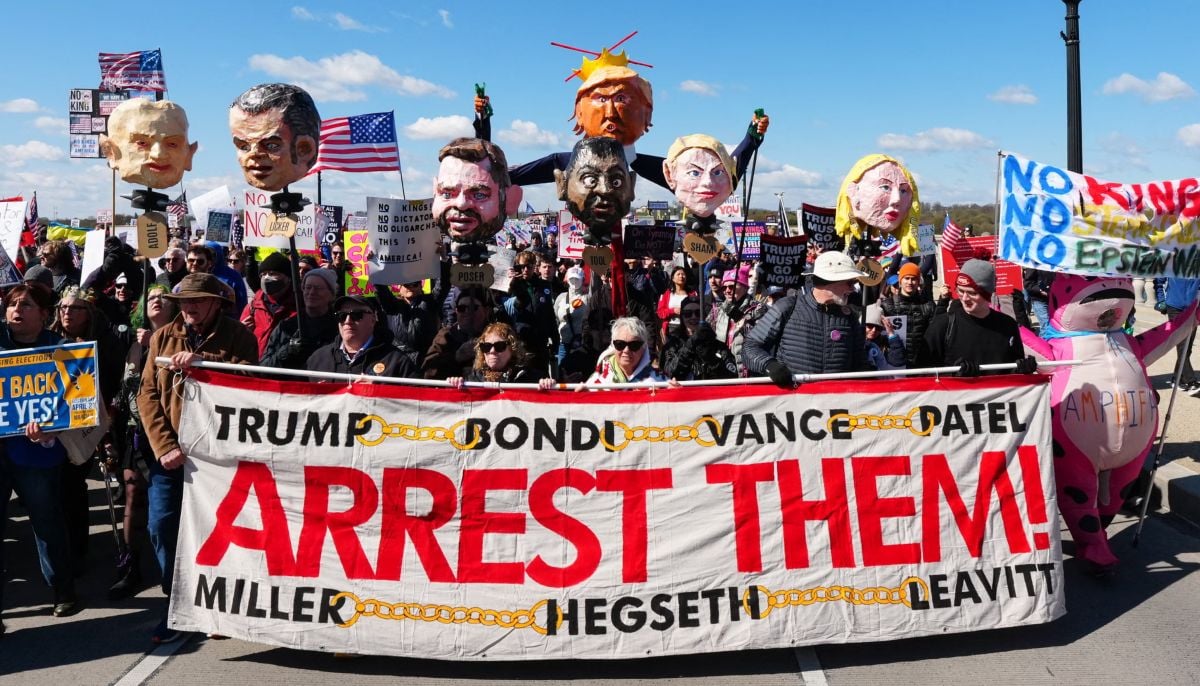
Large No Kings protests took place across the world on Saturday as demonstrators voiced opposition to US President Donald Trump and called for an end to the war on Iran.
Outside the United States, rallies were held in countries including Greece, Italy, France, Spain, Germany, the Netherlands and Australia, where protesters chanted slogans against the Trump administration and demanded that the war be stopped.


Reranking the MVP for each of the top Premier League clubs

Deals From the Amazon Spring Sale That Passed Our BS Test

Venezuela’s Maduro thanks supporters in first online post from US prison

-
 Business1 week ago
Flipkart group CFO to leave co amid IPO plans – The Times of India
-

 Sports1 week ago
Rating Adidas’ 2026 World Cup away shirts: Argentina, Spain, Mexico and more
-

 Fashion1 week ago
China’s textile & apparel exports surge 17% to $50 bn in Jan-Feb 2026
-

 Sports1 week ago
American Conference Commissioner Tim Pernetti thanks Trump for Army-Navy game executive order
-
Tech1 week ago
The Corsair 4000D RS PC Case Keeps Your System Cool
-

 Tech1 week ago
Gamers Hate Nvidia’s DLSS 5. Developers Aren’t Crazy About It, Either
-
 Business1 week ago
‘Marriage penalty’ in Washington state’s new millionaire tax stirs debate
-

 Entertainment5 days ago
UN warns migratory freshwater fish numbers are spiralling