

Business
Banks open as tax gap hits Rs374b | The Express Tribune

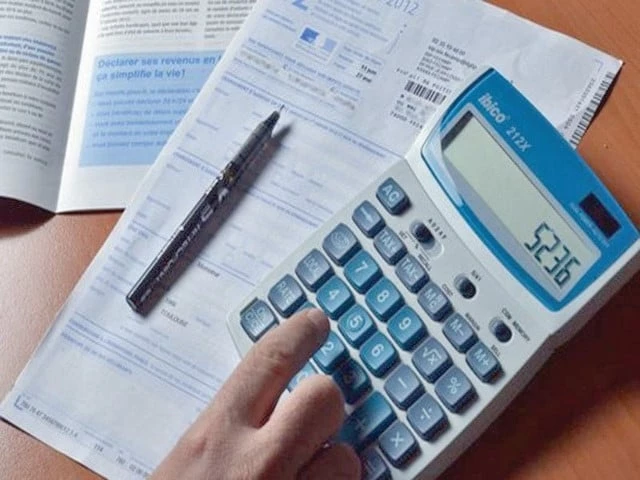
The FBR’s performance has deteriorated despite distributing 1,000 cars and increasing salaries by up to 400% to incentivise officers to perform better. Photo: AFP
ISLAMABAD:
As the tax shortfall against the downward revised target widened to Rs374 billion, the central bank on Friday ordered commercial banks to remain open on a holiday in the hope of collecting a few billion rupees more to minimise the yawning gap.
The Federal Board of Revenue (FBR) collected Rs7.15 trillion till the last working day of the month, falling short of the July-January target by a margin of Rs374 billion, according to provisional results compiled till Friday evening. Compared to the same period last year, the collection was nearly 12% or Rs743 billion higher till the last working day.
The FBR expects that the collection would improve by Rs50 billion on Saturday after more companies deposit money on account of super tax arrears.
However, against the original target, the shortfall was as high as Rs597 billion for the July-January period of the current fiscal year, according to the provisional figures. The International Monetary Fund (IMF) had downward adjusted the target due to the slowing economy and a low rate of inflation.
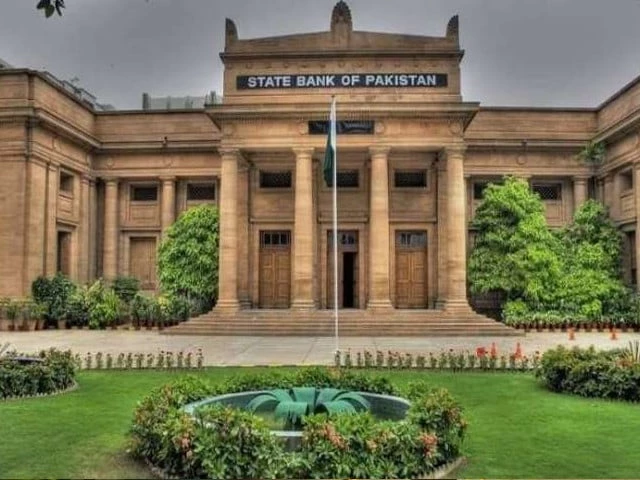
Due to the widening gap, despite recovering some arrears of the super tax after the Federal Constitutional Court judgment in favour of the FBR, the State Bank of Pakistan (SBP) on Friday issued instructions to banks to remain open on Saturday (today).
“To facilitate taxpayers in making over-the-counter (OTC) payments of government duties and taxes, it has been decided, on the request of the Federal Board of Revenue (FBR), that Saturday opening branches of all commercial banks (including NBP branches handling customs collection) shall observe extended working hours from 9am to 5pm,” according to a statement issued by the central bank.
In a functional tax and governance system, banks are not forced to keep their branches open to compensate for the FBR’s failures.
The central bank further stated that banks have been advised to keep their concerned branches open on January 31, 2026, for as long as required to facilitate the Special Clearing for Government transactions conducted by NIFT. Banks shall also ensure uninterrupted availability of their online payment channels, including internet banking, mobile applications, ATMs and other digital platforms, to facilitate the online payment of government duties and taxes, it added.
Prime Minister Shehbaz Sharif is heavily invested in improving the affairs of the FBR but, so far, he has not been able to achieve the desired results.
The Constitutional Court this week ruled in favour of the government in the super tax case, allowing the FBR to recover an estimated Rs190 billion from taxpayers. FBR officials said they have managed to recover at least Rs50 billion on account of super tax, while further recoveries were expected next month.
However, Dr Ikramul Haq, a renowned tax and legal expert, wrote that “the short order of the Federal Constitutional Court, validating super tax under sections 4B and 4C of the Income Tax Ordinance, has unsettled established constitutional jurisprudence governing the limits of parliamentary power to impose ‘taxes on income’.” He stated that the judgment’s paragraph alone collapses under the weight of its own internal contradiction. One cannot, in constitutional logic, exhaust a legislative entry and yet continue to derive further taxing power from the very same entry by merely altering nomenclature, he added.
The FBR’s performance has deteriorated despite distributing 1,000 cars and increasing salaries by up to 400% to incentivise officers to perform better.
The details showed that, against the revised target of Rs3.64 trillion, the FBR collected Rs3.5 trillion in income tax, falling short of the goal by Rs162 billion, though it was 12.5% higher than last year. Sales tax collection amounted to Rs2.44 trillion, falling short of the target by Rs207 billion, but was 11% higher than last year.
Federal excise duty collection remained at Rs462 billion, slightly higher than the revised target, and was also 18% more than the previous fiscal year’s collection. Customs duty collection fell short of the target by Rs30 billion and stood at Rs750 billion.
The FBR paid Rs339 billion in refunds, which were Rs25 billion higher than the previous fiscal year.
Against the monthly target of Rs1.03 trillion, the FBR collected Rs986 billion in January. However, the FBR expects that the collection would cross Rs1 trillion by Saturday evening as it continues to push companies to pay arrears of the super tax.




Heineken has announced a substantial investment exceeding £44 million into hundreds of its pubs across the UK, a move expected to create approximately 850 jobs.
The Dutch brewing giant’s Star Pubs operation, which manages 2,350 sites nationwide, is undertaking this significant financial commitment despite a challenging period for the pub sector.
The industry has faced considerable pressure over the past year, grappling with escalating labour costs and increases in national insurance contributions.
Concurrently, consumer spending has been constrained by concerns over inflation and rising unemployment, further impacting pub revenues. However, pubs did receive additional business rates support from the government last month, aimed at alleviating some of these financial burdens.
Lawson Mountstevens, managing director of Star Pubs, indicated that the investment strategy is partly designed to bolster revenues and help the group navigate the recent “sustained increases in running costs”.
This year, £44.5 million will be allocated to upgrades for 647 pubs. A notable 108 of these venues are earmarked for particularly significant cash injections, with each transformation costing at least £145,000.
Heineken clarified that while the majority of its pubs are group-owned, they are independently operated by local licensees. A key focus for this investment, particularly in the lead-up to the 2026 football World Cup, will be on sports-focused venues.
The pub firm and brewer has a history of significant investment in British pubs, having pumped £328 million into the sector since 2018. Work has already commenced at 52 locations, including eight projects dedicated to reopening boarded-up pubs that have endured lengthy closures.
Mr Mountstevens also urged the government to reduce the tax burden on pubs, arguing it would ease cost pressures and foster further job creation within the industry.
He stated: “We can only do so much; the root-and-branch reform of business rates that the industry has been calling for over many years is urgently required, as well as a lowering of the burden of taxation on pubs, including VAT and beer duty.”
He concluded with a direct appeal: “We are calling on the Government to support us in bringing out the best in the Great British pub.”

GameStop’s boss Ryan Cohen says he sees potential to make eBay a much bigger rival to Amazon.
Source link
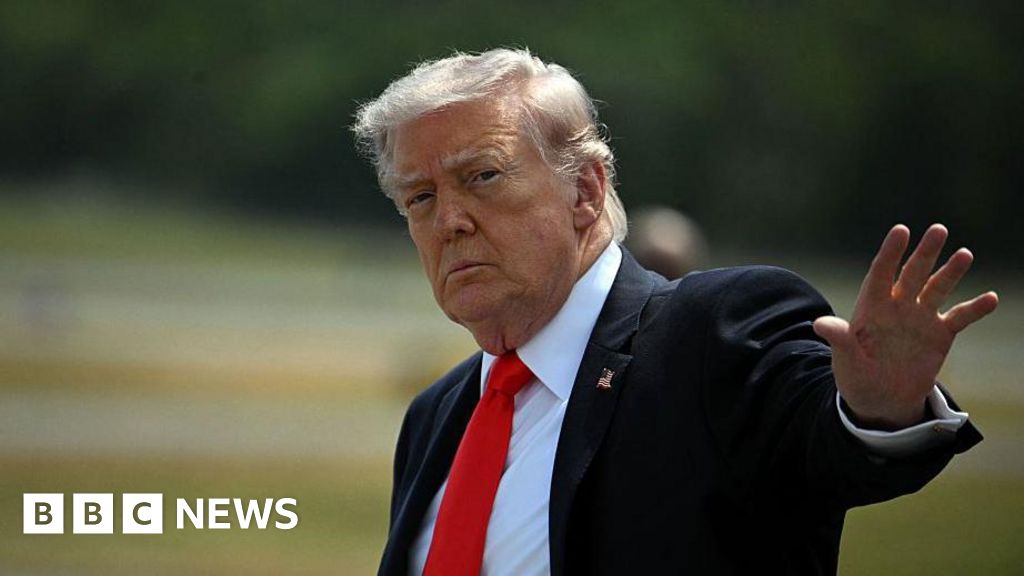
It comes as the US said on Monday it will begin to help “guide” vessels out of the Strait of Hormuz.
Source link


Met Gala 2026 “Costume Art” red carpet pictures from New York City

Jack Brooksbank opts for intimate celebration as new baby brings fresh focus

White House briefly locked down after Secret Service shooting in Washington

-
 Tech1 week ago
A Brain Implant for Depression Is About to Be Tested in Humans
-
 Business1 week ago
Pakistan’s oil market is fuelling the crisis | The Express Tribune
-

 Tech1 week ago
Almost 90% of women leave tech industry within 10 years | Computer Weekly
-
 Business1 week ago
‘I had £20,000 stolen and had to fight a 13-month fraud reporting rule to get it back’
-

 Sports6 days ago
Pro wrestling star Steph De Lander reveals how colleague’s advice helped lead her to title triumph at ACW
-

 Entertainment1 week ago
Norway joins Type 26 Frigate Programme to boost NATO naval power
-

 Entertainment1 week ago
Melania Trump says ABC should ‘take a stand’ on late-night host Kimmel
-

 Tech7 days ago
This Ambitious Laptop Doesn’t Leave Much Room for Your Hands