

Business
From Gridlock To Global City: How Karnataka Budget Charts Bengaluru’s Next Leap

Last Updated:
Recognising Bengaluru as both a global startup hub and a land of immense aspiration, the government has maintained an aggressive development grant of Rs 7,000 crore




Addressing the city’s burgeoning population of 1.40 crore, the government has formalised the Cauvery Phase VI project. File image
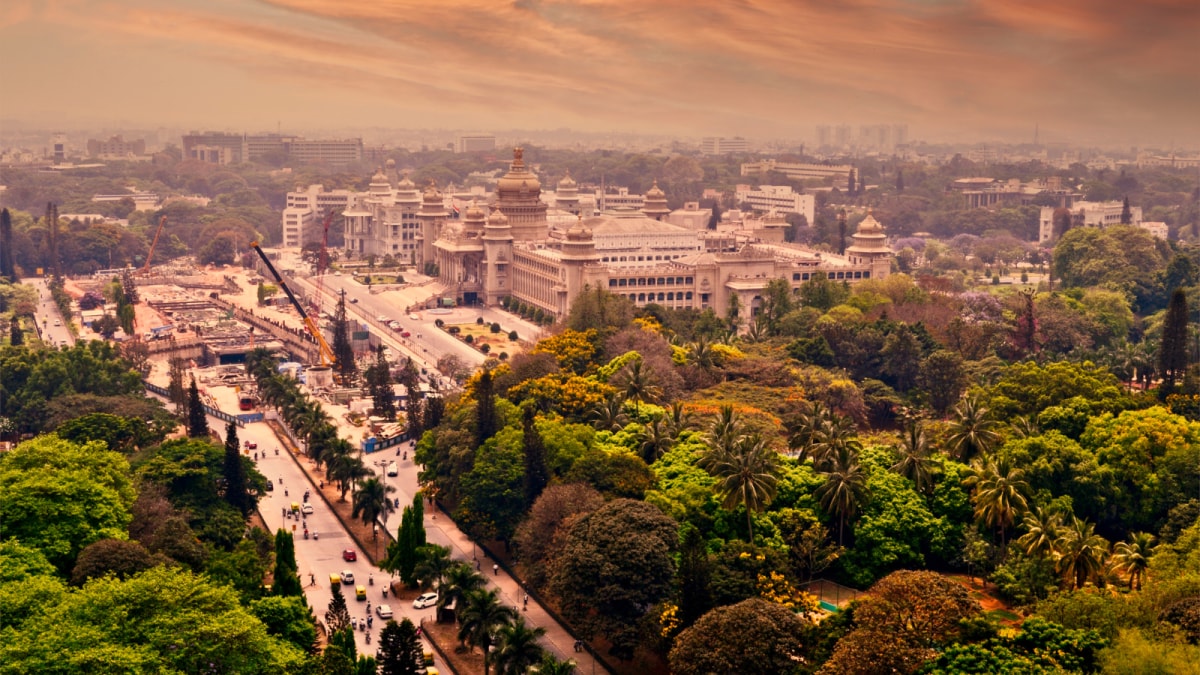
The Karnataka State Budget for 2026-27 has unveiled a transformative financial roadmap for Bengaluru, aimed at elevating the state capital into a “world-class liveable city.” Recognising the metropolis as both a global startup hub and a land of immense aspiration, the government has maintained an aggressive development grant of Rs 7,000 crore. This sustained investment seeks to address the twin challenges of urban sprawl and traffic congestion that have long shadowed the city’s rapid economic rise.
The Rs 40,000 Crore Subterranean Shift
In perhaps the most ambitious infrastructure proposal in the city’s history, the government has approved a 40 km tunnel road network. Designed to cut through the city’s densest areas, the network will feature north-south and east-west corridors at an estimated cost of Rs 40,000 crore.
The project will be executed under a Build-Own-Operate-Transfer (BOOT) model, with the first phase—a 17 km stretch of the North-South corridor—already moving toward implementation. Tenders for this initial phase have been invited at a cost of Rs 17,780 crore. This subterranean strategy is complemented by the Bengaluru Business Corridor Phase-1, a 73 km stretch connecting Tumakuru Road to Hosur Road, which the government aims to complete within four years.
Scaling Mass Transit and Pedestrian Access
“Namma Metro” continues its trajectory as India’s second-largest network. The budget proposes the completion of an additional 41 km of metro lines within the current financial year, a milestone expected to push daily ridership to 15 lakh commuters. Notably, the government highlighted a significant fiscal imbalance in the project’s funding, pointing out that the state has shouldered 88% (Rs 59,376 crore) of the total expenditure to date, compared to the central government’s 12% contribution.
To bridge the gap between mass transit and the “last mile”, a new 9 km pedestrian walkway will be constructed along the Outer Ring Road (ORR) metro viaduct. This Rs 160 crore initiative is a landmark partnership with the Outer Ring Road Companies Association, reflecting a new model of corporate-government collaboration in urban design.
Durability and Urban Aesthetics
The budget moves away from quick-fix road repairs towards long-term durability. Over the next three years, the government plans to white-top more than 450 km of roads at a cost of Rs 3,000 crore. The urban experience will be further enhanced through:
- The beautification of 175 major junctions.
- The construction of 100 new skywalks.
- The renovation of 500 km of footpaths using city corporation resources.
- An investment of Rs 450 crore to upgrade the Silk Board to KR Puram corridor into a global-standard thoroughfare.
Water Security and Environmental Resilience
Addressing the city’s burgeoning population of 1.40 crore, the government has formalised the Cauvery Phase VI project. Assisted by JICA, this Rs 6,939 crore initiative will secure an additional six TMC of drinking water. To mitigate the recurring threat of urban flooding, Rs 2,000 crore has been earmarked for storm water drain upgrades under a World Bank-assisted programme. The city’s long-term growth will be guided by the Revised Master Plan-2041, scheduled for completion by late 2027.
Sports and Cultural Landmarks
In a move to bolster Bengaluru’s status as a sporting and cultural capital, the budget announced two massive landmark projects:
Anekal Cricket Stadium: A new, state-of-the-art 80,000-seater cricket stadium will be built in Anekal, significantly expanding the city’s capacity for international sporting events.
Malleswaram Convention Centre: A world-class convention centre will be developed on land owned by the Mysore Lamp Works in Malleswaram under a Public-Private Partnership (PPP) model.
By combining deep-tunnel engineering with massive mass transit expansion and environmental safeguards, the 2026-27 budget represents a definitive attempt to future-proof Bengaluru against the pressures of its own success.
March 06, 2026, 18:00 IST
Read More





Malaysia-based Karex produces more than five billion condoms a year and supplies global brands like Durex and Trojan.
Source link
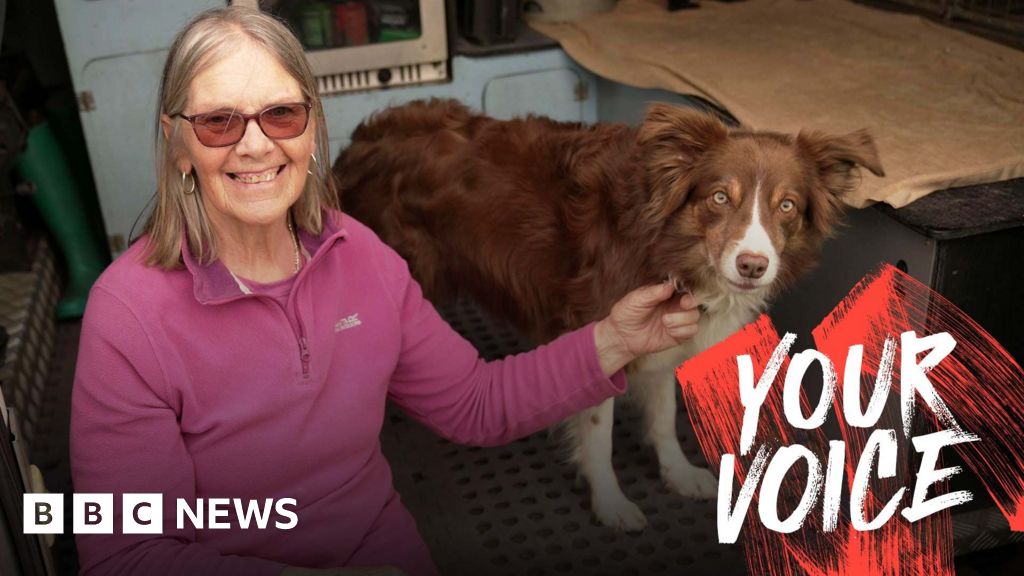
Tesco Pet Insurance, who provided the cover, says “the cost of claims is one of a number of factors that can affect the price of a policy at renewal” and also noted Tilly’s age had been reflected in the quote. It says the couple had a more comprehensive policy, which typically costs more than basic levels of cover, and that alternative options were presented to Fawcett and Neild.
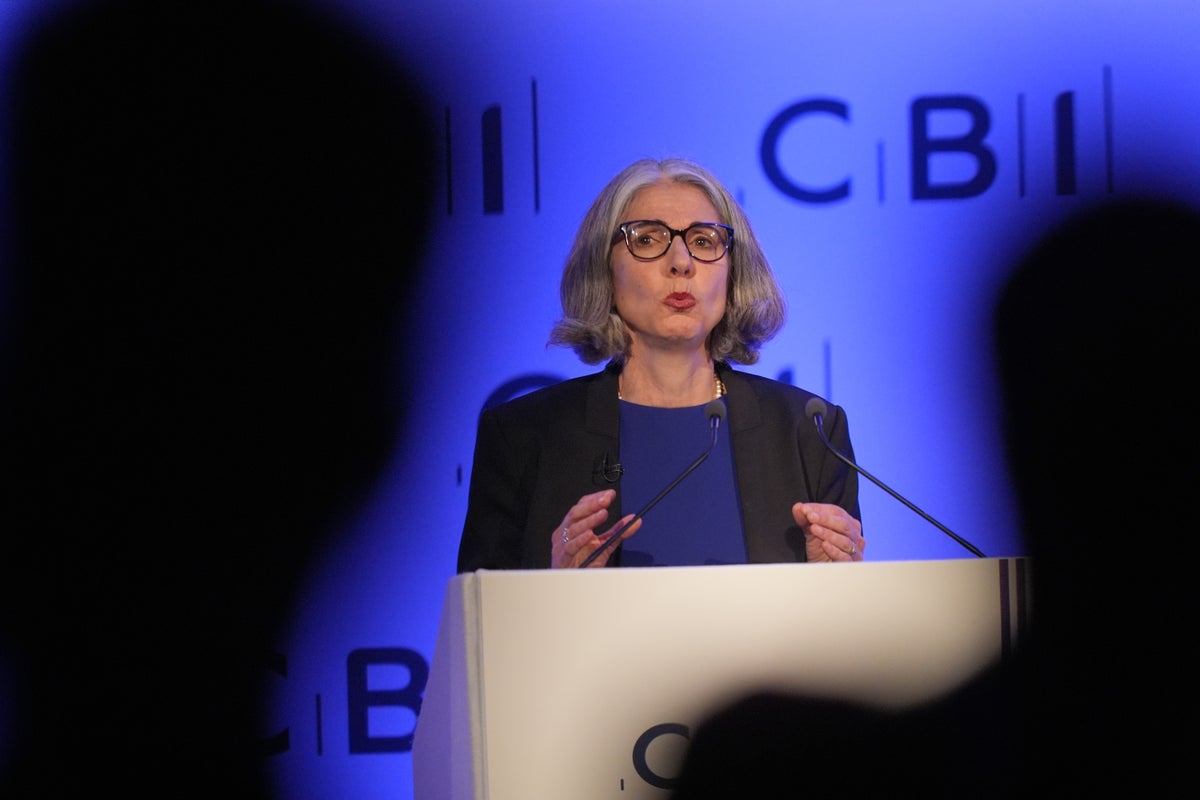
The UK must not “cut ourselves off” from trade opportunities in China despite security and business risks, the head of the Confederation for British Industry has warned.
CBI chief Rain Newton-Smith highlighted that British businesses see increased trade with Chinese firms as an opportunity to drive growth.
Her remarks came as business leaders were questioned by MPs on Parliament’s Business and Trade Select Committee regarding the UK’s economic relationship with China.
Last December, Prime Minister Sir Keir Starmer admitted China poses security threats to the UK but urged for greater business ties.
Ms Newton-Smith, chief executive of one of the UK’s largest business groups, was positive about the Government’s engagement with China.
“You can’t have a growth strategy without a strategy for China,” she said.
“China has the biggest contribution to global growth, is the third largest trading partner, and the world’s largest consumer market.
“The UK is second largest exporter of trade and services.
“We are mindful as all businesses are of security risks but it is really important that we have a strategy towards China.
“This Government has increased the economic engagement with China and including business within this does help us as a country.”
She added: “If we think about the future economy, there is a huge market in China and I think we mustn’t cut ourselves off from some of the opportunities there, even if in some areas there are difficult conversations and negotiations that need to be had.”
Peter Burnett, chief executive of the China-Britain Business Council, told the committee: “There are risks associated with technology advancement, AI, industrial development that they need to assess.
“Increasingly you will find them saying that they need to engage more in China to understand those risks and to develop some of the technologies along some of those risks themselves.”


IMF to give specific attention to low-income, vulnerable nations

A case for fuel reforms
World’s biggest condom maker Karex set to raise prices due to Iran war

-

 Fashion6 days ago
France’s LVMH Q1 revenue falls 6%, shows resilience amid Iran war
-

 Sports1 week ago
The case for Man United’s Fernandes as Premier League’s best
-

 Entertainment1 week ago
Palace left in shock as Prince William cancels grand ceremony
-
 Business1 week ago
UK could adopt EU single market rules under new legislation
-

 Entertainment7 days ago
Is Claude down? Here’s why users are seeing errors
-

 Fashion1 week ago
Energy emerges as biggest cost driver in textile margins
-
 Business1 week ago
Delta Air Lines unveils first new Delta One suite in premium cabin arms race
-
 Fashion1 week ago
Asia claims largest share of markets on Kearney FDI Confidence Index