

Fashion
Arena launches swimwear collection with LYCRA ecomade fibre

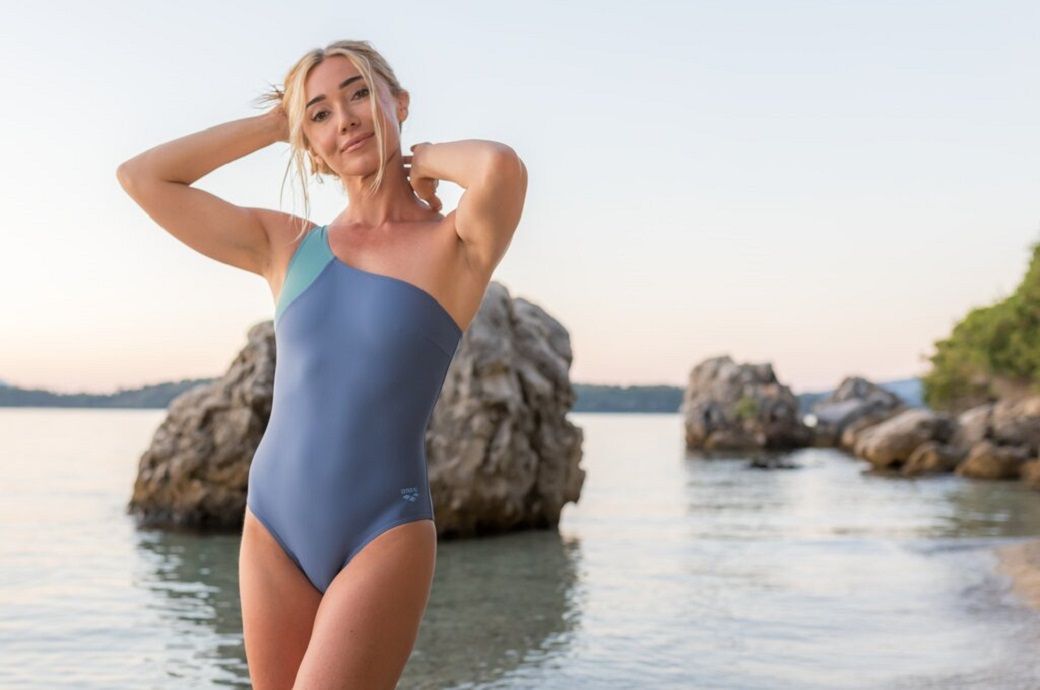
arena, one of the leading brands in the world of swimming, is presenting its first collection of swimsuits made with the renewable LYCRA EcoMade fibre, raising the bar of innovation with an absolute novelty. This project celebrates the connection between the body and nature, transforming every movement into a gesture of awareness and style.
Arena has launched its first swimsuit collection made with renewable LYCRA EcoMade fibre, featuring the sustainable Vitalife fabric with 70 per cent plant-based elastomer.
Offered in three women’s styles and nature-inspired colours, the line blends performance and eco-responsibility.
Supported by athlete Sahika Ercumen, it promotes mindful, environmentally respectful swimming.
The Vitalife Fabric: Performance and Sustainability
At the heart of this collection is Vitalife, a revolutionary fabric that combines high performance with a profound commitment to sustainability. Its uniqueness lies in the use of an innovative LYCRA elastomer composed of 70% plant-based materials, primarily corn, a renewable resource harvested annually. The new fibre offers a concrete and sustainable alternative to traditional fossil raw materials, while guaranteeing the same performance as the original LYCRA and proven resistance to degradation caused by chlorine, UV rays, and sun creams.
Style and Functionality for Every Woman
The collection is aimed primarily at those who do not compromise between style and performance, with a particular focus on sustainability. The swimsuits are offered in three distinct models, designed to enhance every silhouette and perfectly adapt to the needs of every woman:
- Single shoulder: for a femininity expressed with elegance.
- O back: a comfortable and trendy design for those seeking a modern look.
- Swim pro-back: ideal for swimmers facing intense training, without sacrificing style.
Colors that Tell the Story of Nature
The color palette is an ode to nature, with ethereal and pastel shades that evoke lightness and elegance, mixed with intense and dusty colors, an echo of earthly strength. Deep blues, on the other hand, recall the hidden life of the ocean, creating a harmonious dialogue between the aquatic and terrestrial worlds.
Each model is available in three color variations, in a mix of shades that combines earth tones and pastel hues: Morocco-Valencia, Film-Stone blu, and Caviar-Valencia.
“Since I was little, I had to deal with asthma, a condition that limited my breathing and my freedom – said Sahika Ercumen Turkish freediver who hold several records. “To overcome this challenge, I started practicing swimming and, later, freediving. Water was not just a sport for me, but real therapy and salvation. Immersing myself transformed my relationship with breathing, allowing my respiratory problems to progressively improve until they almost disappeared. But water also became the stage for a continuous challenge with myself, a challenge that pushed me beyond my limits and allowed me to achieve many world records. It is proof that what seems like a weakness can become our greatest strength.
Today, I am honored and profoundly happy to have become an ambassador for the ‘Vitalife’ swimwear line, because the values embodied in these designs are also my own. The dedication to protecting nature and in particular the care and respect for water are the same ones I firmly believe in. I love how their colors vibrate and are inspired by the Earth’s palette, with shades ranging from the deep sea to the horizon, ideally uniting the sky and the water. For me, Vitalife’. is a manifesto that celebrates life, the environment, and well-being. They are values that I will carry with me in every dive”.
“At arena, we are committed to creating high-performance swimwear that is durable, chlorine-resistant, and safe”. stated Peter Graschi, CEO of arena.” Many of our products already feature recycled fibres such as nylon and polyester, and our collaboration with the LYCRA Company, marks a further step towards sustainability. By introducing bio-derived elastane—sourced from renewable materials—we reduce reliance on virgin fossil-based resources without compromising on quality.
Using responsible fibers, such as recycled, organic or bio-based, is part of our broader commitment to environmental protection and responsible innovation.
This choice reflects our long-term vision as a Società Benefit, where business success goes hand in hand with social and environmental responsibility. Through trusted partnerships and rigorous testing, we ensure that sustainable materials continue to meet our exacting standards of performance, while contributing to meaningful, lasting change”.
“The LYCRA Company, always at the forefront of innovation in the textile world, is actively committed to reducing greenhouse gas emissions throughout the value chain. We believe that every player in the supply chain—from suppliers to brands, up to the final consumer—has a fundamental role. Only through shared commitment can we build a truly sustainable future for future generations,” declared Alistair Williamson, Vice President EMEA & South Asia of The LYCRA Company.
This collection, therefore, goes beyond a simple swimsuit, celebrating a new way of experiencing sport and fashion, in harmony with the environment. Vitalife is not only a cutting-edge technical proposal but also an invitation to swim while respecting the environment around us, transforming every stroke into a gesture in favor of the planet. The collection will be available online starting December 4th. In 2026, the collection will also be available in the best sports stores.
Note: The headline, insights, and image of this press release may have been refined by the Fibre2Fashion staff; the rest of the content remains unchanged.
Fibre2Fashion News Desk (HU)







The increase was driven primarily by higher reinvested earnings and intra-company loans, indicating continued engagement by existing investors with Bangladesh.
Reinvested earnings rose by 318.25 per cent, from $103.79 million in 2024 to $434.10 million in 2025, while intra-company loans increased by 25.68 per cent, from $621.96 million to $781.68 million.
Bangladesh’s net FDI inflows increased by 39.36 per cent last year to $1,770.42 million compared with $1,270.39 million in 2024, the Bangladesh Bank said.
The increase was driven primarily by higher reinvested earnings and intra-company loans.
Reinvested earnings rose by 318.25 per cent, from $103.79 million in 2024 to $434.10 million in 2025, while intra-company loans rose by 25.68 per cent.
Equity capital remained broadly stable, rising by 1.84 per cent, from $544.64 million to $554.64 million in 2025, a release from Bangladesh Investment Development Authority said.
Greenfield project announcements declined by 16 per cent in 2025.
Fibre2Fashion News Desk (DS)
The company’s adjusted EBITDA, excluding Employee Stock Option Plan (ESOP) expenses, rose around 14 per cent YoY to ₹468 crore, while EBITDA margin improved by 20 basis points to around 9.3 per cent. Excluding the reciprocal tariff impact of around ₹36 crore and incremental losses of around ₹13 crore in Bihar and Guatemala, adjusted EBITDA margin stood at around 10.3 per cent.
Pallab Banerjee, managing director, Pearl Global Industries, said: “FY26 marked the company’s second consecutive year of double-digit growth and improved profitability. This performance further solidifies the position of Pearl Global’s diversified operating model and disciplined execution across geographies.”
Pearl Global Industries has reported its highest-ever FY26 revenue of ₹5,025 crore (~$523.93 million), up 11.5 per cent YoY, driven by volume growth and value-added products.
PAT rose 17 per cent to ₹270 crore (~$28.15 million), while Q4 revenue hit ₹1,314 crore (~$137 million).
The company shipped 78.1 million pieces.
Its net worth stands at ₹1,438 crore (~$149.93 million).
He said that geopolitical shifts and Gulf conflicts could lead to energy cost escalation, affecting raw material and logistics costs. However, the company remains prepared to manage these headwinds, supported by its diversified manufacturing base, strong order book, and broad market presence.
The profit after tax (PAT) increased 17 per cent YoY to ₹270 crore (~$28.15 million), the company said in a press release.
On a standalone basis, FY26 revenue stood at ₹1,081 crore, while adjusted EBITDA was ₹67 crore, with EBITDA margin improving by 60 basis points to 6.2 per cent, mainly due to cost restructuring. Standalone PAT rose to ₹69 crore from ₹55 crore in the previous year.
The company’s net worth stood at ₹1,438 crore (~$149.93 million) as of March 31, 2026, compared with ₹1,146 crore a year earlier.
“In FY26, Group delivered another year of resilient performance against a complex geopolitical backdrop. Group achieved, among others, two major milestones this year: revenue crossed INR 5,000 crore mark and installed capacity surpassed 100 million pieces per annum,” said Pulkit Seth, vice-chairman and non-executive director, PGIL.
Seth added that the global apparel industry faced tariff-related disruptions during FY26, with the company’s India operations impacted by tariffs and penal duties imposed by the US. However, he added that Pearl Global leveraged its diversified, multi-country manufacturing presence to mitigate these challenges and deliver double-digit growth.
For the fourth quarter (Q4) of FY26, PGIL posted its highest-ever quarterly revenue of ₹1,314 crore (~$137 million), up 6.9 per cent YoY. Adjusted EBITDA rose 13.7 per cent to ₹135 crore, with margin at 10.3 per cent, the highest EBITDA margin recorded by the company in any quarter. PAT for the quarter stood at ₹81 crore, up 24.6 per cent YoY, PGIL said in a press release.
Standalone revenue during the quarter stood at ₹304 crore, adjusted EBITDA at ₹24 crore, and PAT at ₹14 crore.
PGIL shipped its highest-ever volumes in Q4 FY26 and FY26, at 22 million pieces and 78.1 million pieces respectively. Its annual installed capacity crossed 100 million pieces, reaching around 101 million pieces.
The ongoing capex in Bangladesh is expected to be completed by the first half of FY27 and will add around 6-7 million pieces of capacity during the year.
Fibre2Fashion News Desk (SG)
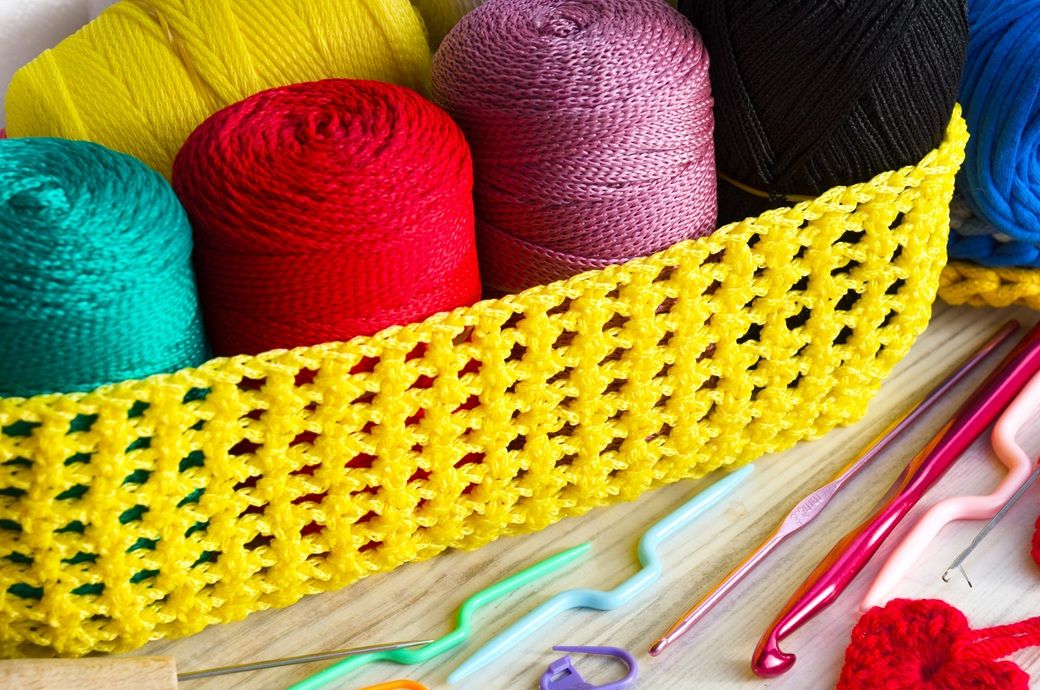
PTA prices recorded notable declines across key Asian benchmarks, tracking crude oil weakness rooted in evolving geopolitical signals. The correction was broad-based, spanning China, Southeast Asia, and South Korea, while India**;s CIF price held steady reflecting the lag in import contract structures and limited spot availability in the domestic market on the day.
The *** per cent Polyester Yarn market witnessed a slightly negative trend during the assessed period, with mild price corrections observed across both yarn grades in the Asia Free on Board (FOB) China market. Prices for **s (*** per cent polyester yarn) declined from around $*.***/kg to nearly $*.***/kg, registering a decrease of approximately *.** per cent.


Gartner: How AI will transform managed network services | Computer Weekly

Trump issues dire warning to Iran to accept peace deal
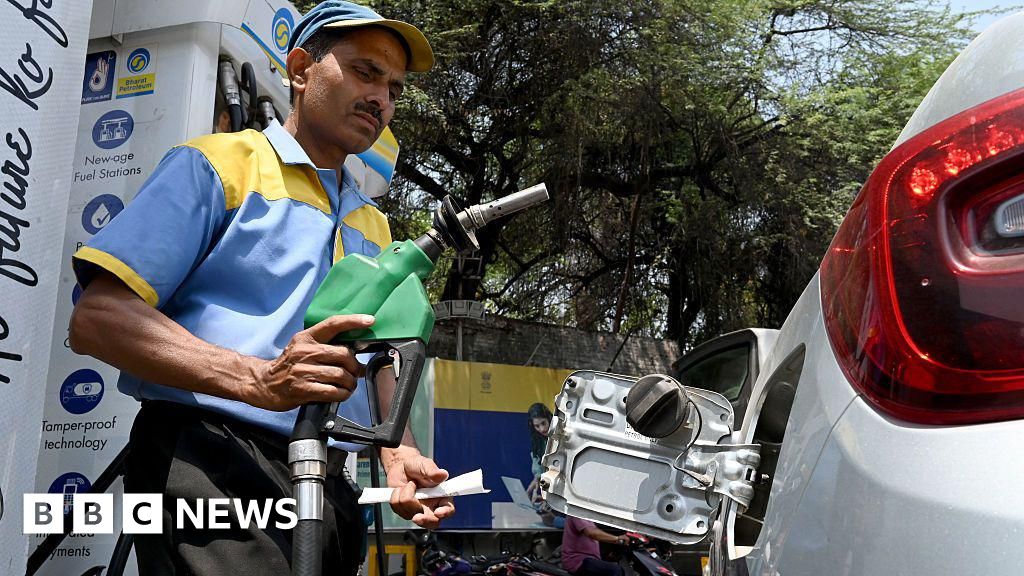
Oil prices rise after Trump warns Iran over stalled peace talks

-

 Entertainment5 days ago
Conan O’Brien hat tricks as Oscar host
-
 Tech1 week ago
Could Contact-Tracing Apps Help With the Hantavirus? Not Really
-

 Tech1 week ago
I Tried the Best Captioning Smart Glasses, and Only One Leads the Pack
-
 Fashion5 days ago
Italy’s Zegna Group’s Q1 growth boosted by strong organic performance
-

 Sports1 week ago
Bobby Cox, legendary Atlanta Braves manager who led 1995 World Series champions, dead at 84
-

 Entertainment1 week ago
Martin Short: Facing tragedy with joy
-

 Entertainment1 week ago
Tom Brady gets back at Kevin Hart during Netflix roast
-

 Entertainment1 week ago
Martha Stewart: How to make an omelet