

Fashion
Chanel emerges as fastest-growing luxury fashion brand in 2025: Report

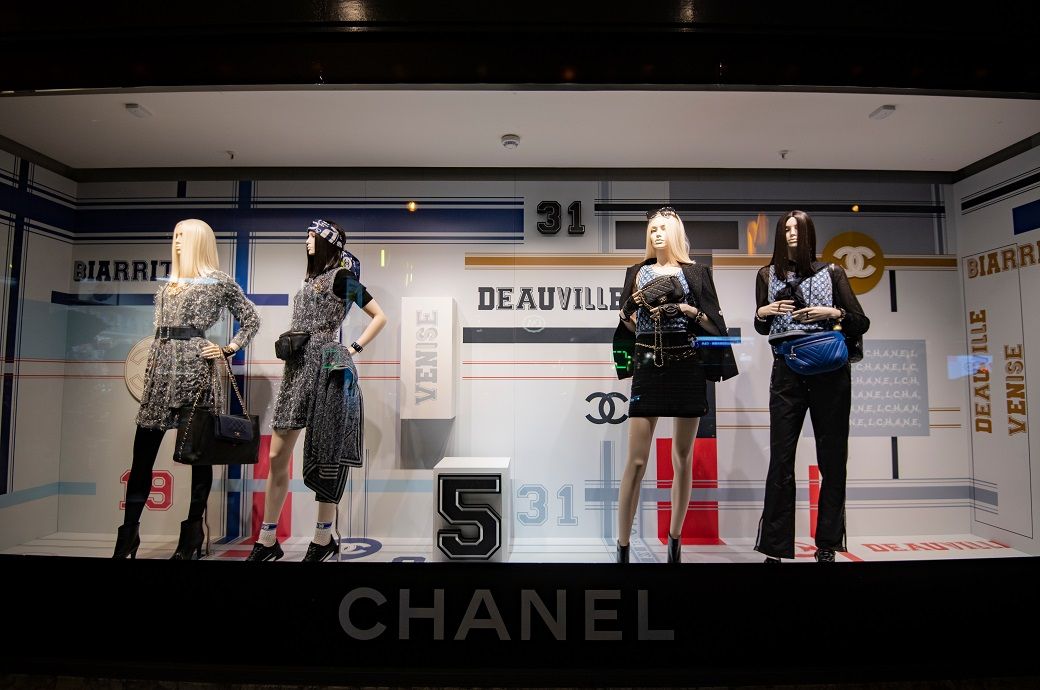
Louis Vuitton posted modest growth of 2 per cent, taking its brand value to $32.9 billion, though its ranking slipped to third among the world’s most valuable brands. Hermes held on to fourth place, underpinned by its disciplined scarcity approach, craftsmanship-driven positioning, and steady demand across leather goods, apparel, and accessories.
Chanel emerged as the fastest-growing luxury fashion brand in 2025, with brand value surging 45 per cent to $37.9 billion, ranking second globally, as per a recent report.
Apparel-led brands dominated nearly 69.7 per cent of total value.
Louis Vuitton slipped to third despite growth, while Dior was named the strongest brand.
France remained the global luxury hub, followed by Italy and Germany.
Apparel-focused luxury brands dominated the rankings, accounting for nearly 69.7 per cent of total brand value, underscoring fashion’s pivotal role in shaping the global luxury landscape.
Dior strengthened its standing as one of the sector’s most influential fashion houses, with brand value rising 18 per cent to $17.3 billion. Beyond value growth, Dior was named the strongest luxury and premium brand globally, achieving a Brand Strength Index score of 93.5 out of 100. Brand Finance highlighted Dior’s exceptional reputation scores, including a perfect score in the US, alongside strong consideration and recommendation metrics in Europe and North America.
Gucci, despite a 24 per cent decline in brand value to $11.4 billion and a drop to ninth place, remained firmly within the global top 10. Brand Finance noted that while the brand faces a period of transition, its scale, heritage, and global recognition continue to anchor its long-term relevance in luxury fashion.
Geographically, France remained the epicentre of luxury fashion, accounting for 48.7 per cent of total luxury and premium brand value, followed by Italy at 18.4 per cent and Germany at 13 per cent, added the report.
Five of the top 50 brands have earned an esteemed AAA+ brand strength rating—the highest rating awarded by Brand Finance.
Fibre2Fashion News Desk (SG)









While exporters are now allowed to import raw materials from abroad on an FOC basis under a recent policy change, such a provision does not exist for sourcing the same materials locally, industry leaders said.
Bangladesh RMG players have urged the government to remove restrictions on sourcing raw materials free of cost (FOC) from local suppliers.
Industry leaders said allowing FOC sourcing from domestic suppliers would boost local sales, strengthen backward linkage industries and raise overall value addition in the export-oriented sector.
Many local suppliers can provide inputs now against global orders.
They feel allowing FOC sourcing from domestic suppliers would boost local sales, strengthen backward linkage industries and raise overall value addition in the export-oriented RMG sector.
In a letter sent recently to the National Board of Revenue (NBR), the Bangladesh Knitwear Manufacturers and Exporters Association (BKMEA) called for removing policy barriers and providing clarity on the issue, according to a domestic media outlet.
Many local suppliers are now capable of providing inputs against international buyers’ orders. In some cases, foreign buyers or their nominated agents are willing to supply materials free of cost through local vendors for use in export production.
However, the absence of clear policy guidelines on whether such transactions qualify as ‘deemed exports’ has created uncertainty, preventing manufacturers from using locally sourced FOC inputs.
Allowing exporters to use locally-sourced inputs under a cutting, making and trimming (CMT) model would further streamline production, BKMEA said.
Fibre2Fashion News Desk (DS)


Such countries include fragile and conflict-affected states and small developing states, especially where debt and financing pressures are mounting, he noted in his statement.
The IMF will continue to support countries in their efforts to promote stability and growth, including through sound macroeconomic policies, domestic resource mobilisation and better governance.
The chair of its International Monetary and Financial Committee said this support will include specific attention to low-income and vulnerable countries.
The committee called for enhanced debt transparency.
“We remain committed to further improving debt restructuring processes, including under the Common Framework, building on the progress already achieved, and advancing the work at the Global Sovereign Debt Roundtable (GSDR) to ensure debt restructurings are delivered in a predictable, timely, orderly and coordinated manner,” he said.
The committee called for enhanced debt transparency from all stakeholders, including private creditors.
“We will advance structural reforms to enable private sector-led investment, increase productivity, safeguard energy security, and elevate medium-term growth prospects,” added Aljadaan.
Fibre2Fashion News Desk (DS)


Transfer rumors, news: Arsenal ramp up interest in Williams

Bangladesh RMG units call for allowing local FOC raw material sourcing
UK inflation accelerates after Iran war drives sharp rise in fuel prices

-

 Fashion6 days ago
France’s LVMH Q1 revenue falls 6%, shows resilience amid Iran war
-

 Sports1 week ago
The case for Man United’s Fernandes as Premier League’s best
-
 Business1 week ago
UK could adopt EU single market rules under new legislation
-

 Entertainment7 days ago
Is Claude down? Here’s why users are seeing errors
-
 Business1 week ago
Delta Air Lines unveils first new Delta One suite in premium cabin arms race
-

 Fashion1 week ago
Asia claims largest share of markets on Kearney FDI Confidence Index
-

 Tech7 days ago
The Deepfake Nudes Crisis in Schools Is Much Worse Than You Thought
-

 Sports7 days ago
PSL 11: Peshawar Zalmi win toss, opt to field first against Quetta Gladiators