

Fashion
Egypt’s SCZONE signs $16.5-mn pact with Turkish firm for RMG project

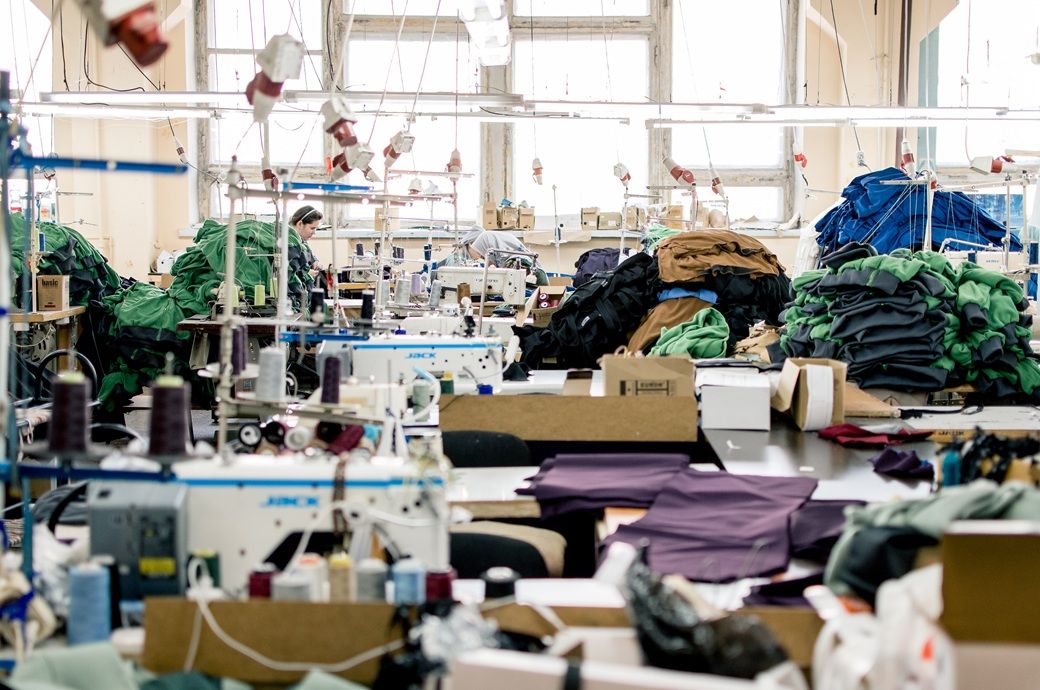
The project, expected to create around 2,500 direct jobs, will produce nearly 7 million pieces of RMG and denim products annually, with four-fifths of output meant for exports.
The Suez Canal Economic Zone has signed a $16.5-million pact with Turkish firm ELA Tekstil to set up a RMG and denim factory in the Qantara West Industrial Zone.
The project, expected to create around 2,500 direct jobs, will produce nearly 7 million pieces of RMG and denim products annually, with four-fifths of output meant for exports.
This project brings the total number of projects in the Zone to 42.
SCZONE chairman Waleid Gamal El-Dein said this agreement reflects the success of the authority’s efforts in attracting specialised industrial investment at Qantara West, according to domestic media reports.
This project brings the total number of projects in the Qantara West Industrial Zone to 42, with a total investment of around $1.14 billion in this sector.
Fibre2Fashion News Desk (DS)










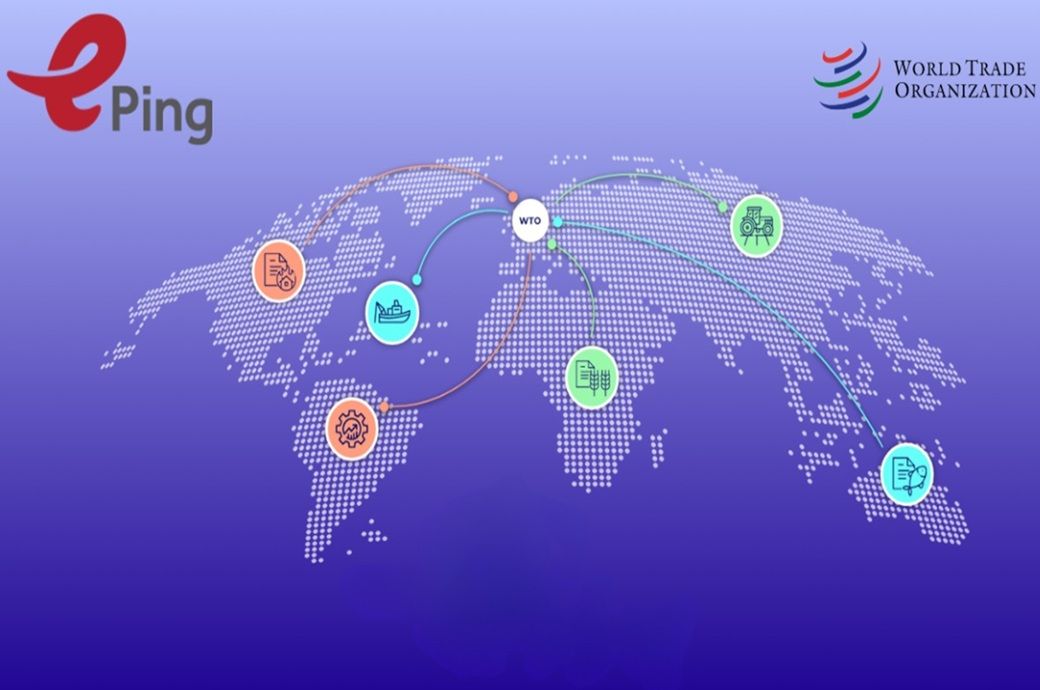
The free, global platform ePing was by the WTO, the International Trade Centre (ITC) and the United Nations Department of Economic and Social Affairs (UNDESA). It helps address this challenge.
The WTO is implementing a project to strengthen use of the ePing platform on sanitary and phytosanitary and technical barriers to trade, helping governments and stakeholders better track and engage in evolving product requirements affecting international trade.
The project focuses on Kenya, Namibia, South Africa, Tanzania and Uganda, and aims at enhancing transparency, predictability and market access.
It allows users to follow notified draft SPS and TBT measures in real time, receive tailored email alerts, and engage with regulators before new requirements enter into force.
Funded by the Standards and Trade Development Facility (STDF), the three-year project focuses on five African countries—Kenya, Namibia, South Africa, Tanzania and Uganda—and aims at enhancing transparency, predictability and market access.
The project brings together governments, the private sector and international partners to improve how regulatory information is shared, accessed and used in sectors affected by SPS measures and TBT, an official release said.
Workshops are being planned in these five countries to strengthen practical use of ePing among regulators, enquiry points, exporters, trade associations and other stakeholders who rely on timely regulatory information to access markets.
The urgency of strengthening ePing use is underscored by growing volumes of regulatory activity, the WTO added.
Fibre2Fashion News Desk (DS)

The latest Prime insights, when layered with real-time market indicators, reveal a system under stress: synthetic fibre shocks, constrained manufacturing operations, and shifting sourcing models are converging to create early signs of a supply shock. What makes this cycle structurally different is its breadth impacting fibres, processing, logistics, and retail simultaneously raising concerns not just about margins, but about continuity of supply itself.
*” src=”https://static.fibre*fashion.com/newsresource/newscontentimages/***/table-**_********T******.jpg” />

The concerns were conveyed at the first meeting of the textile industry committee of the Korea Federation of SMEs (KBIZ) that discussed supply chain crisis responses and measures to expand the use of domestic fabrics.
South Korean textile sector SMEs are concerned that the increased localisation of military apparel is leading to structural issues like cost burdens and procurement risks, which are disproportionately hitting small sewing firms.
The textile industry committee of the Korea Federation of SMEs has sought adjustment official estimate prices and establishment of a risk-sharing structure for fabric procurement.
The committee will recommend to relevant ministries the need to adjust the official estimate prices and to establish a risk-sharing structure for fabric procurement.
While the country’s textile industry is showing a long-term declining trend in overall production and exports, logistics disruptions from the Middle East conflict, tightening environmental regulations and the European Union’s introduction of the digital product passport (DPP) are putting further pressure on the industry, committee chairman Kim Kwon-ki told the meeting.
An expert said the country’s textile industry must leverage its strength of maintaining a full-stream production structure from yarn to finished products, and discover new growth engines through structural transformation centered around high-value-added industrial and functional materials, a domestic media outlet reported.
Fibre2Fashion News Desk (DS)


WTO to boost ePing use to raise transparency, market access in Africa

Textile crisis deepens in Q2 2026 as supply shock surges

Trump to put his picture in US passports

-

 Politics1 week ago
UK’s Starmer seeks to deflect blame over Mandelson appointment
-
 Business1 week ago
How Trump’s psychedelics executive order could unlock stalled cannabis reform
-

 Entertainment1 week ago
Lee Anderson, Zarah Sultana kicked out of UK Parliament for calling PM ‘liar’
-
 Business1 week ago
Us-India Trade Talks: US–India trade deal: Where do talks stand & what to expect – explained – The Times of India
-

 Tech1 week ago
A Humanoid Robot Set a Half-Marathon Record in China
-

 Fashion1 week ago
India, US to resume BTA talks today
-
 Business7 days ago
UK inflation accelerates after Iran war drives sharp rise in fuel prices
-

 Fashion1 week ago
Global energy growth slows to 1.3% in 2025: Report