

Fashion
EU Parliament members set conditions for lowering tariffs on US items

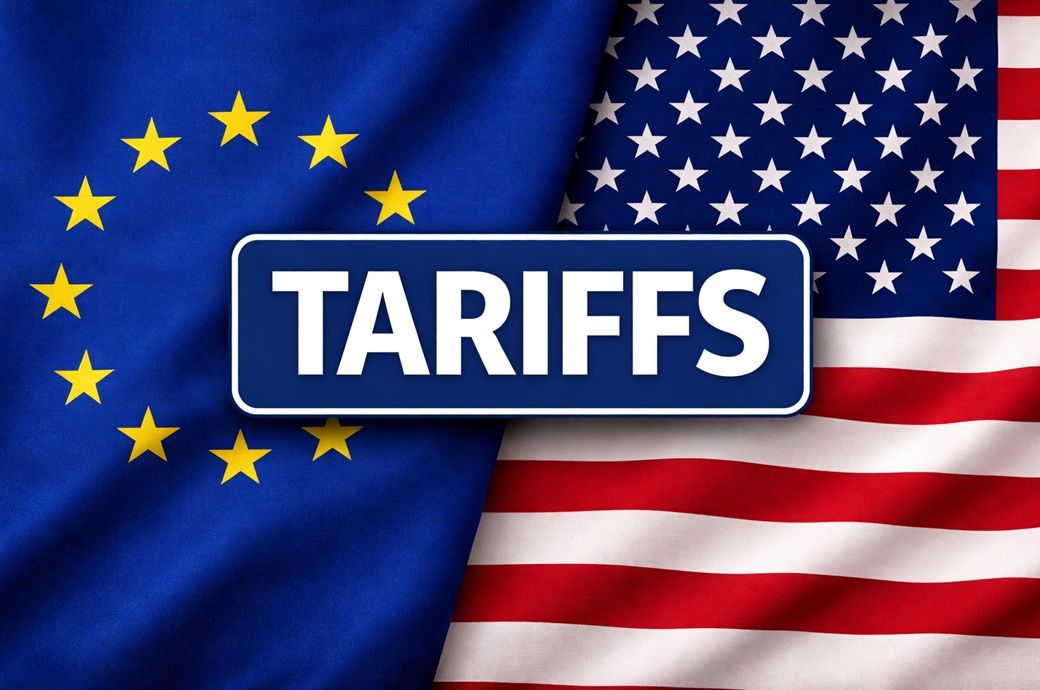
On July 27, 2025, in Turnberry, Scotland, US President Donald Trump and European Commission President Ursula von der Leyen reached a deal on tariff and trade issues, outlined in a joint statement published on August 25.
EU Parliament members have adopted their position on two proposals implementing the tariff aspects of the EU-US Turnberry trade deal.
The texts, if agreed with EU members, will eliminate most tariffs on US industrial goods and offer preferential market access for many US seafood and agricultural goods.
The members strengthened the proposed suspension clause, and introduced ‘sunrise’ and ‘sunset’ clauses.
The texts, if agreed with EU member states, will eliminate most tariffs on US industrial goods and provide preferential market access for a wide range of US seafood and agricultural goods, in line with the commitments made in summer 2025 between the EU and the United States.
The MEPs strengthened the proposed suspension clause, which would allow the tariff preferences with the US to be suspended under a number of conditions.
For instance, the Commission would be able to propose suspending all or some trade preferences if the US were to impose additional tariffs exceeding the agreed 15-per cent ceiling, or any new duties on EU goods, a release from the Parliament said.
The suspension clause could also be activated if the US undermines the objectives of the deal, discriminated against EU economic operators, threatened member states’ territorial integrity, foreign and defence policies, or engaged in economic coercion, it noted.
The MEPs have introduced a ‘sunrise clause’ that means the new tariffs would only become effective if the US respects its commitments. These conditions include the US lowering its tariffs on EU products with a steel and aluminium content below 50 per cent, to a tariff of maximum 15 per cent.
Furthermore, for EU products with a steel and aluminium content of above 50 per cent, unless the US reduces its tariffs to a maximum of 15 per cent, EU tariff preferences for US exports of steel, aluminium and their derivative products would cease to apply six months after the entry into application of the regulation.
The members also agreed on an expiry date for the main regulation on March 31, 2028. This could only be extended via a new legislative proposal, to be submitted following a thorough impact assessment of the effects of the regulation.
The European Commission would be tasked with monitoring the impact of the new rules and would be able to suspend the new tariffs temporarily, should US imports reach a level that could cause serious harm to EU industry.
Fibre2Fashion News Desk (DS)








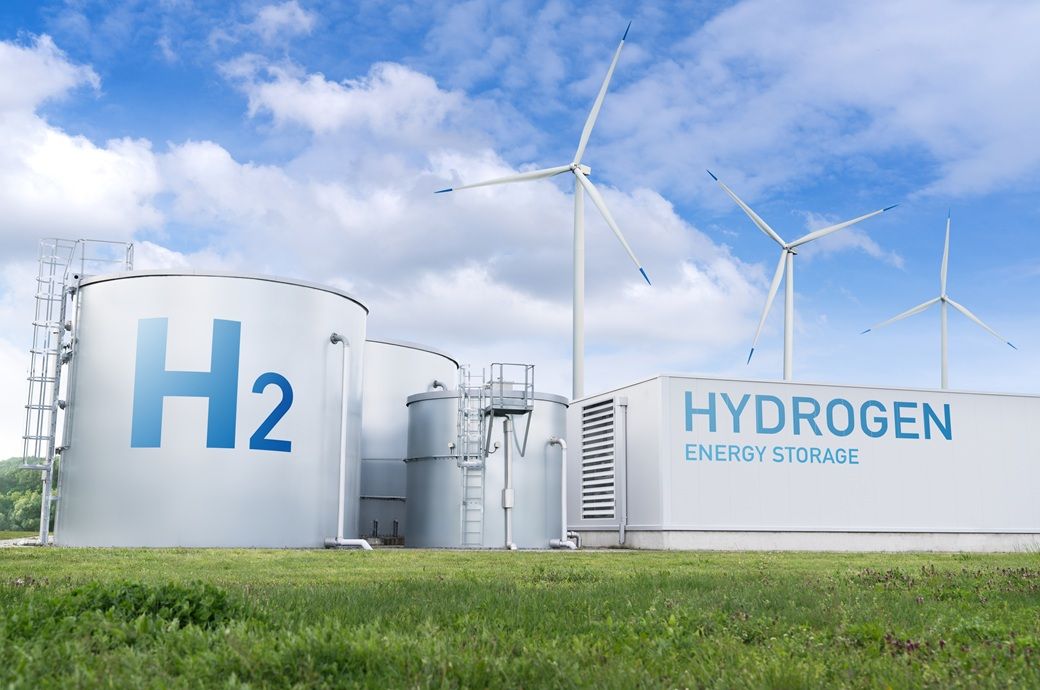
The scheme will contribute to the objectives of the Clean Industrial Deal to accelerate the decarbonisation of EU industry, the REPowerEU Plan to reduce dependence on Russian fossil fuels, as well as the EU Hydrogen Strategy, an official release said.
The European Commission has cleared a $1.5-billion German state aid scheme to produce renewable hydrogen through the European Hydrogen Bank’s ‘Auctions-as-a-Service’ tool for the auction that closed in 2026.
The scheme will contribute to the objectives of the Clean Industrial Deal, the REPowerEU Plan to reduce dependence on Russian fossil fuels, as well as the EU Hydrogen Strategy.
The approved scheme will support construction of up to 1,000 MW of installed electrolyser capacity, and the production of up to 10 million tonnes of renewable hydrogen. This is estimated to avoid up to 55 million tonnes of carbon dioxide.
The aid will be awarded through a competitive bidding process that will be supervised by the European Climate, Infrastructure, and Environment Executive Agency (CINEA).
The scheme will provide support to companies planning to construct new electrolysers feeding renewable hydrogen into the Danish Hydrogen Backbone 1 pipeline, which is a project of common interest, and deliver it to buyers connected to the German Hydrogen Core Network.
The aid will not only support the production of renewable hydrogen, but also cross-border infrastructure that connects renewable hydrogen sources in the North Sea to large-scale buyers.
Under the scheme, the aid will take the form of a direct grant per kilogram of renewable hydrogen produced. The aid will be granted for a maximum duration of ten years. Beneficiaries will have to prove compliance with EU criteria for the production of renewable fuels of non-biological origin (RFNBOs).
The European Hydrogen Bank is an initiative to facilitate EU production and imports of renewable hydrogen in and to Europe. Its objective is to close the investment gap and connect the future renewable hydrogen supply to consumers to meet the intended target of 20 million tonnes by 2030, contributing to the REPowerEU objectives and the transition to climate neutrality.
Run by the Innovation Fund, the hydrogen auctions implement the EU-domestic leg of the European Hydrogen Bank and are financed through the EU Emissions Trading System revenues.
Fibre2Fashion News Desk (DS)
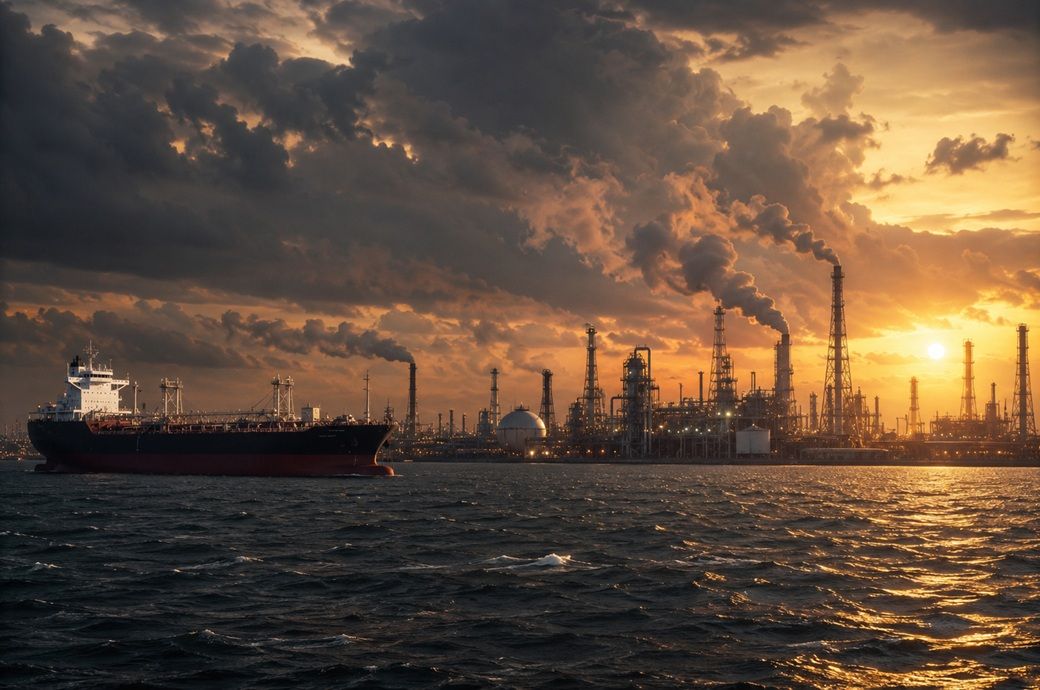
The US–Iran military conflict has sent shockwaves through global energy and chemical markets. Crude surged past $*** per barrel in late March and April ****, its highest level in years. Prices briefly touched $*** per barrel in late April before stabilising near $*** per barrel, following several news-driven fluctuations. Year-on-year, this represents a surge of over +** per cent vs. **** highs and remains +** per cent above compared to last year’s equivalent period.
Key petrochemical feedstocks that directly feed the textile chain — Naphtha, Paraxylene (PX), Purified Terephthalic Acid (PTA), Mono Ethylene Glycol (MEG), Ethylene, and Ethylene Oxide are all under severe cost pressure. Further escalation above $***–***/barrel would trigger a new wave of downstream price hikes across yarn, fabric, and finishing chemicals.

The US-Iran war has intensified cost pressures, with higher fuel and product prices sharply weakening consumer sentiment.
Lower- and middle-income households are bearing the steepest burden as gas takes a larger share of discretionary spending.
Higher-income consumers remain more resilient, keeping aggregate demand firm despite widening spending divergence.
Source link


Prince William receives unexpected request as royal faces expensive bill

EU Commission clears $1.5-bn German aid to produce renewable hydrogen

EasyJet boss says airline is ‘not seeing any disruption to fuel supply’

-

 Entertainment1 week ago
Conan O’Brien hat tricks as Oscar host
-

 Fashion1 week ago
Italy’s Zegna Group’s Q1 growth boosted by strong organic performance
-
 Business1 week ago
Pound wobbles and bonds suffer as Starmer battles on
-

 Fashion1 week ago
US T&A exports decline 10% to $5 bn on softer regional demand
-

 Entertainment5 days ago
Where Pete Davidson, Elsie Hewitt stand after breakup: Details revealed
-

 Sports1 week ago
2025-26 NBA Title Odds: Thunder, Spurs Favored; Knicks Rising
-
 Business7 days ago
Jersey Election 2026: Cost of living concern in St Helier Central
-

 Tech1 week ago
Hantavirus Conspiracy Theories Are Already Spreading Online