

Business
Food price rises slow as UK inflation remains at 3.8%

Charlotte EdwardsBusiness reporter, BBC News
 Getty Images
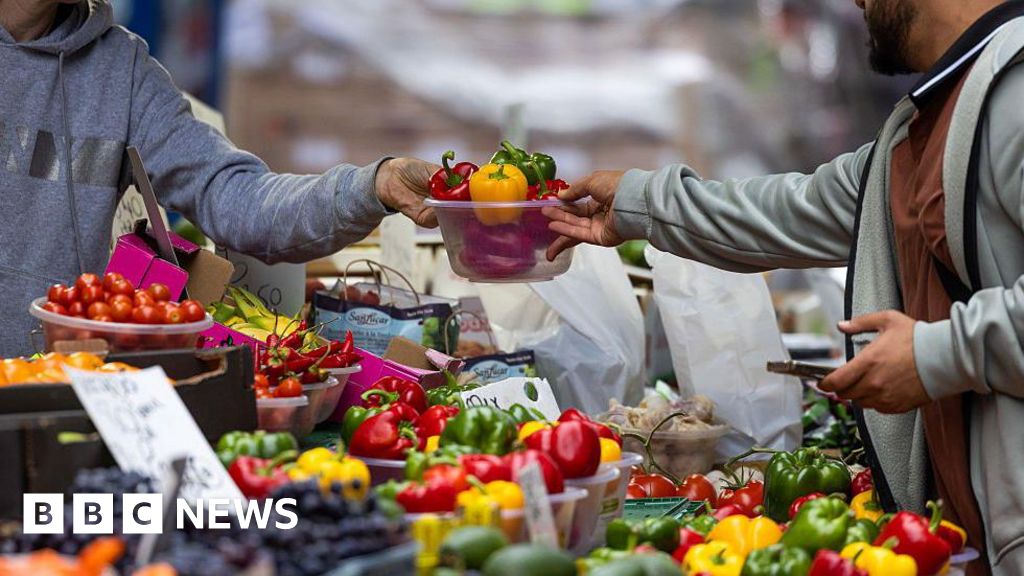
Food and drinks prices in the UK are increasing at their slowest rate in more than a year, while overall inflation remains unchanged for the third month in a row.
Month-on-month, the cost of food and non-alcoholic drinks actually edged down slightly in September – the first fall since May 2024. The ONS said his was likely to have been driven by increased sales and discounting by retailers.
The UK inflation rate for all items remained stable at a lower-than-expected 3.8% in the year to September, official figures show.
Chancellor Rachel Reeves said she was “not satisfied with the numbers” on inflation, while shadow chancellor Mel Stride said it was “pushing up the cost of living”.

 Elaine Doran/BBC
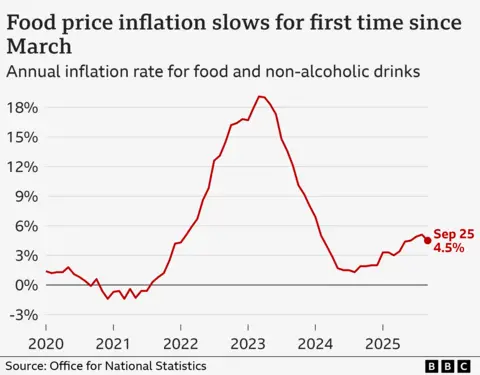
The inflation rate for food and non-alcoholic drinks was down to 4.5% for the year to September from 5.1% in the year to August.
This means the price shoppers pay for groceries and non-alcoholic drinks is still going up, just more slowly than before.
But between August and September this year, the cost of food and non-alcoholic drinks overall actually fell by 0.2% – the first fall for 16 months.
The drop was driven by slightly cheaper vegetables, milk, cheese and eggs, bread and cereals, fish, mineral waters, soft drinks and juices.
However, the cost of specific items such as red meat and chocolate continued to rise.
Kayleigh Brannan, a mother to baby Hadley, told the BBC she had noticed the price of meat rising in particular, and that now Hadley has started eating solid foods, she expected her expenses would be going up.
“It’s not too bad at the moment but you can see the prices going up,” she said.
She added: “The maternity pay is not enough. You’ve still got the same bills, you’ve still got to pay the mortgage… obviously you have more pressure then.”
Britain’s inflation rate was also 3.8% in July and August, according to the ONS, which is still much higher than the Bank of England’s 2% target.
However, the central bank’s economists had forecast inflation to rise to 4% in September.
ONS chief economist Grant Fitzner said: “The largest upward drivers came from petrol prices and airfares, where the fall in prices eased in comparison to last year.”
He added: “These were offset by lower prices for a range of recreational and cultural purchases including live events.”
Mr Fitzner told BBC Radio 4’s Today programme that food prices were still “running quite high at 4.5%” but added “the fact that we have seen that steady increase dip a little is encouraging.”
“It is just one month’s numbers so we will have to see what transpires in future months – but nonetheless a small glimmer of hope there,” he said.
Paul Dales, chief UK economist for Capital Economics, said while food price inflation could rise further, “this will probably be the peak in inflation”.
James Walton, chief economist at the Institute of Grocery Distribution said the declining rate of food and drink inflation “aligns with our predictions that food inflation will start to moderate, and we may have seen the peak.”
“Whilst this is good news, prices for shoppers are still going up year on year, just more slowly,” he said.
Mr Walton noted that items such as red meat, coffee and chocolate are still seeing strong price increases and linked this to issues with production, such as bad weather.
Danni Hewson, AJ Bell head of financial analysis, said: “Staples like vegetables, milk, cheese and bread were all pared back a touch, though such tiny movements won’t make a huge difference to the overall bill when people reach supermarket tills.”
Dr Kris Hamer, director of insight at the British Retail Consortium, said the figures were “unlikely to raise consumer spirits as the cost of a weekly grocery shop was still “significantly higher than last year”.
“Nonetheless, consumers will have been happy to see the price of key staples such as rice, bread and cereal fall on the month,” he said.
The chancellor said she was “not satisfied with these numbers.”
“For too long, our economy has felt stuck, with people feeling like they are putting in more and getting less out,” Reeves said.
She added that she was determined to ensure the government supports people “struggling with higher bills and the cost of living challenges, deliver economic growth and build an economy that works for, and rewards, working people.”
In a post on X, the shadow chancellor said that inflation running at nearly double the Bank of England’s target was “pushing up the cost of living and punishing those Labour promised to protect”.
Stride claimed national insurance increases, government borrowing and not having “the backbone to reduce spending” were all contributing to inflation.
The overall inflation figure for September matters more than most other months.
That’s because the government usually uses this as the benchmark for the benefits uprating in April.
It means millions of people depending on benefits are likely to see a 3.8% increase in their payments next year.
The state pension will rise by more, because the annual increase for that is determined by the so-called triple lock.
This guarantees that the state pension goes up each year in line with either inflation, wage increases or 2.5% – whichever is the highest. September’s inflation figure of 3.8% is below average earnings for the relevant period (4.8%) which means the rise in wages will decide the state pension increase.
The inflation figures for the past three months were the joint-highest recorded since January 2024, when the rate was 4%, according to the ONS.
Inflation in the UK remains well below the 11.1% figure reached in October 2022, which was the highest rate for 40 years.
Business
Noida International Airport inauguration: Delhi-NCR gets new airport – all you need to know – The Times of India
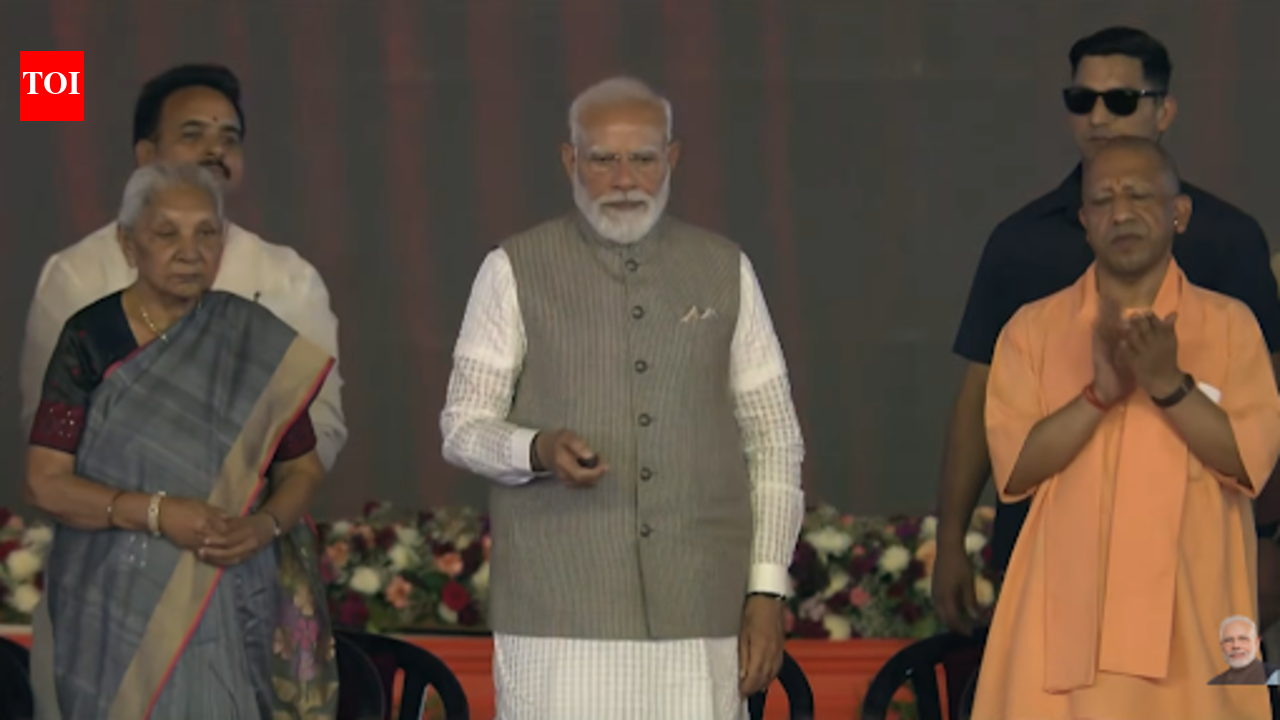
NEW DELHI: Prime Minister Narendra Modi on Saturday inaugurated Phase I of the Noida International Airport at Jewar in Uttar Pradesh, marking a significant milestone in India’s expanding aviation infrastructure.PM Modi was accompanied by Uttar Pradesh chief minister Yogi Adityanath and Governor Anandiben Patel.
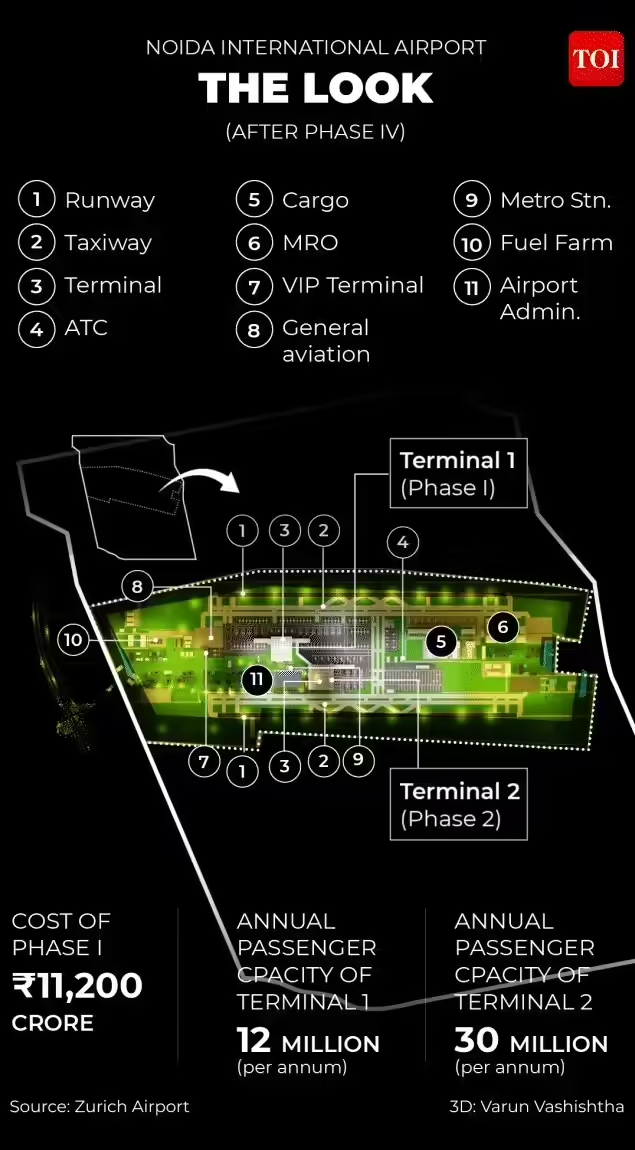
Developed at an investment of around Rs 11,200 crore under a Public–Private Partnership (PPP) model, the project is expected to enhance both regional and international connectivity for the National Capital Region (NCR).The airport is being positioned as a key addition to India’s aviation network, aimed at easing pressure on existing infrastructure while supporting the country’s ambition of becoming a global aviation hub.
Second international gateway for Delhi NCR
Noida International Airport has been developed as the second international gateway for Delhi NCR, complementing the existing Indira Gandhi International Airport, which currently handles the majority of the region’s air traffic.
.
With rising passenger demand and capacity constraints at IGI Airport, the new facility is expected to play a crucial role in distributing traffic more efficiently.Together, the two airports will function as an integrated aviation system, helping reduce congestion, improve connectivity, and enhance the region’s standing among leading global aviation hubs.
Phase I capacity and future expansion plans
Phase I of the airport is designed to handle 12 million passengers per annum (MPPA), providing immediate relief to the region’s growing air travel demand.The project has been planned with scalability in mind, with provisions to expand capacity to 70 million passengers annually in subsequent phases. This long-term vision reflects the government’s strategy to future-proof infrastructure and accommodate sustained growth in air travel.
Modern infrastructure and all-weather operations
The airport features a 3,900-metre runway capable of handling wide-body aircraft, making it suitable for both domestic and international long-haul operations.
.
Equipped with advanced navigation systems such as the Instrument Landing System (ILS) and modern airfield lighting, the facility is designed to support efficient, all-weather, round-the-clock operations. These features ensure operational reliability even under challenging weather conditions.
Cargo hub and logistics ecosystem
In addition to passenger services, the airport includes a comprehensive cargo ecosystem aimed at strengthening logistics and trade.The Multi-Modal Cargo Hub comprises an Integrated Cargo Terminal and dedicated logistics zones, with an initial handling capacity of over 2.5 lakh metric tonnes annually. This capacity is expected to expand significantly to around 18 lakh metric tonnes in the future, positioning the airport as a major cargo and logistics centre in North India.
Dedicated MRO facility to enhance efficiency
A key component of the airport’s infrastructure is a 40-acre Maintenance, Repair and Overhaul (MRO) facility.This dedicated facility is expected to improve operational efficiency by enabling airlines to service and maintain aircraft locally, reducing turnaround times and operational costs. It also strengthens India’s capabilities in aviation maintenance services.
Sustainability and future-ready design
Noida International Airport has been designed as a sustainable and future-ready infrastructure project, with a focus on achieving net-zero emissions.The project incorporates energy-efficient systems and environmentally responsible practices, aligning with India’s broader climate goals. The airport’s development reflects a growing emphasis on green infrastructure in large-scale projects.
Architecture inspired by Indian heritage
Blending modern infrastructure with cultural aesthetics, the airport’s architectural design draws inspiration from traditional Indian elements such as ghats and havelis.This approach aims to create a distinctive identity for the airport while offering passengers a sense of place rooted in Indian heritage.
Strategic location and multi-modal connectivity
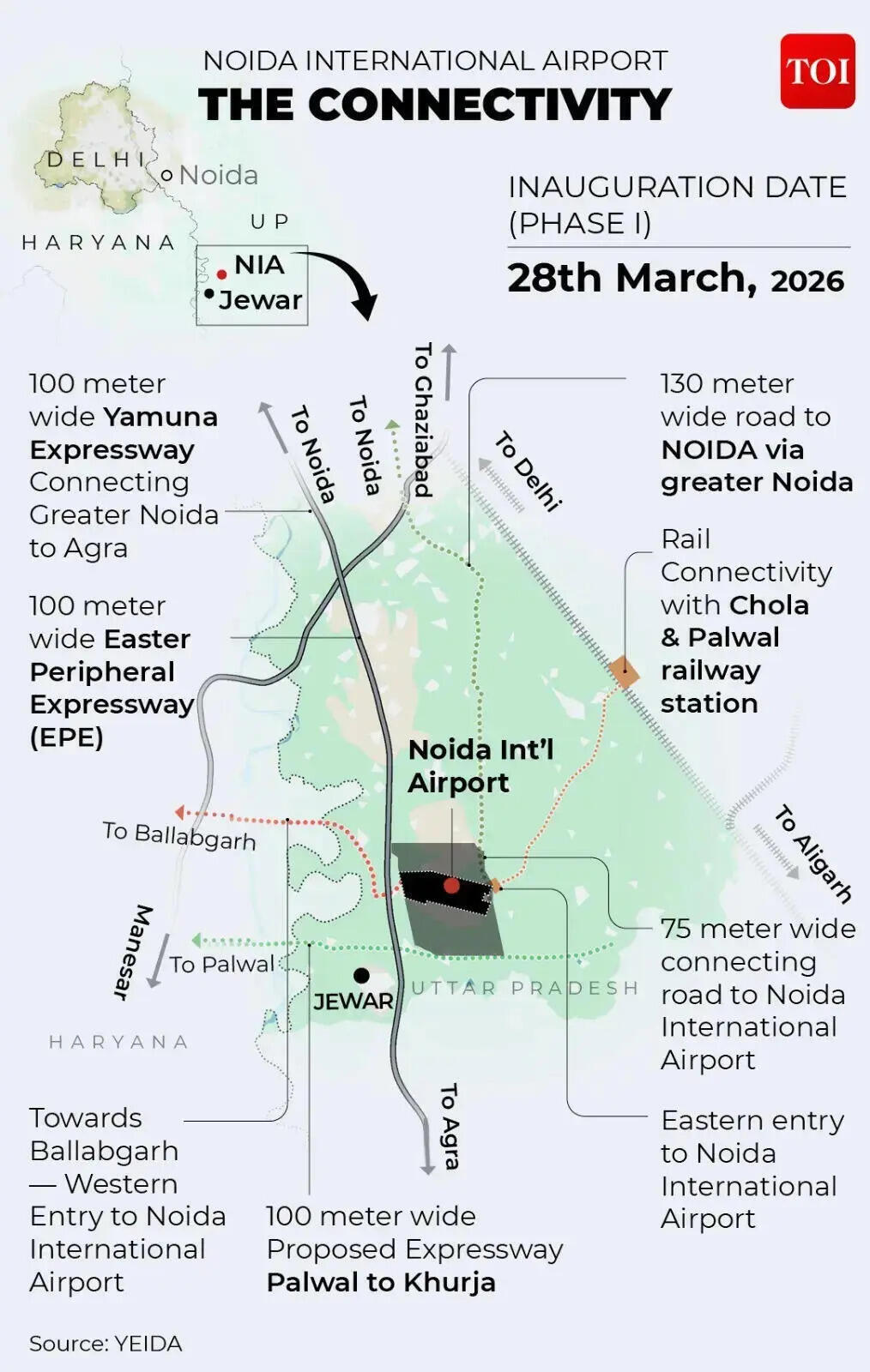
Strategically located along the Yamuna Expressway in Gautam Buddha Nagar district, the airport is planned as a multi-modal transport hub.It will feature seamless integration with road, rail, metro and regional transit systems, ensuring smooth connectivity for passengers and cargo. This connectivity is expected to significantly improve accessibility for travellers across Delhi NCR and neighbouring regions.
Boost to India’s aviation ambitions
The inauguration of Phase I of Noida International Airport is being seen as a major step in strengthening India’s aviation ecosystem.By expanding capacity, improving connectivity, and integrating modern infrastructure with sustainability, the project is expected to play a key role in positioning Delhi NCR as a major global aviation hub while supporting economic growth and regional development
Business
Iran permits 2 Pakistani cargo ships to pass through Strait of Hormuz | The Express Tribune
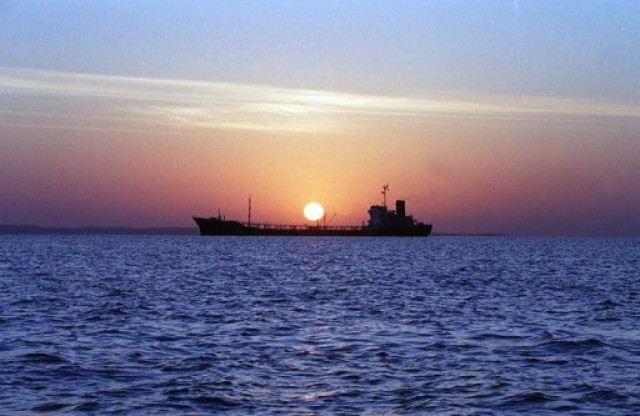
Iran has permitted two Pakistani cargo ships to transit through the Strait of Hormuz, sources in the Ministry of Maritime Affairs confirmed on Saturday.
The vessels, Multan and P-Akili, which were previously held after Iranian forces took control of the strait — a key global oil supply route — have now crossed and are en route to Karachi. They are expected to dock at Karachi port on March 31, a source familiar with the matter said.
Multan is a general cargo ship, while P-Akili is carrying over 80 million litres of crude oil. Sources added that Iranian authorities not only allowed the vessels to pass but also provided an escort until they cleared the strait’s flashpoint line.
Read: Global poll says Iran war leaves US increasingly isolated internationally
This move comes amid ongoing mediation efforts by Islamabad, in coordination with Turkiye and Egypt, to curb the escalating conflict in the Middle East.
It is the second time Tehran has permitted a Pakistani ship to pass through the Strait of Hormuz since the conflict began on February 28. Previously, a Pakistani oil tanker transited the strait on March 16.
The Middle East region remains on high alert following the joint US-Israel offensive on Iran that began on February 28, which has resulted in over 1,900 deaths, including then-Supreme Leader Ali Khamenei.
Tehran has retaliated with drone and missile strikes targeting Israel, Jordan, Iraq, and Gulf countries hosting US military assets, causing casualties, infrastructure damage, and disruption to global markets and aviation.

Butter, chocolate, coffee and milk have all seen prices rocket. Tracing back through the story of one particular supermarket staple begins to explain why
Source link


Transfer rumors, news: Salah eyes Roma after Liverpool exit

NHL playoff watch: Guide to all 15 games on Showdown Saturday

I Tested Garmin Watches for a Decade While Hiking, Biking, and Climbing. Here’s What You Should Buy

-
 Business1 week ago
Flipkart group CFO to leave co amid IPO plans – The Times of India
-

 Fashion1 week ago
China’s textile & apparel exports surge 17% to $50 bn in Jan-Feb 2026
-
 Business1 week ago
Video: The Effects of High Oil Prices
-

 Sports1 week ago
Rating Adidas’ 2026 World Cup away shirts: Argentina, Spain, Mexico and more
-

 Sports1 week ago
American Conference Commissioner Tim Pernetti thanks Trump for Army-Navy game executive order
-
Tech1 week ago
The Corsair 4000D RS PC Case Keeps Your System Cool
-

 Tech1 week ago
‘Uncanny Valley’: Nvidia’s ‘Super Bowl of AI,’ Tesla Disappoints, and Meta’s VR Metaverse ‘Shutdown’
-

 Tech1 week ago
Gamers Hate Nvidia’s DLSS 5. Developers Aren’t Crazy About It, Either