

Politics
Former New York Mayor Giuliani hospitalised in critical condition

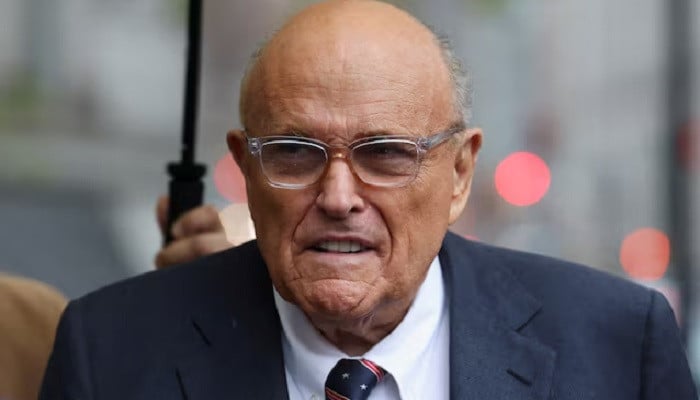
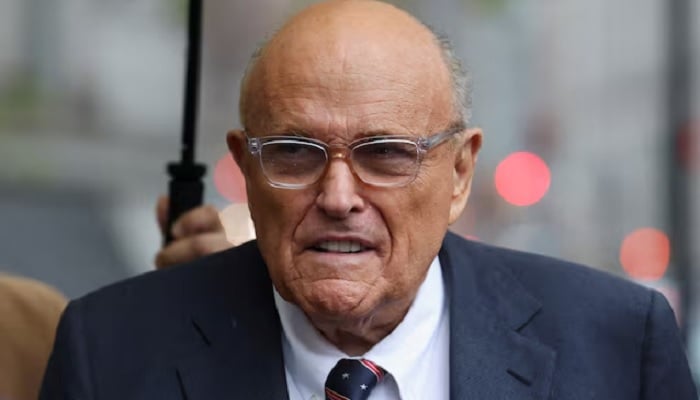
Former New York City Mayor Rudy Giuliani has been hospitalised and is in “critical but stable condition,” his spokesperson said on Sunday.
The spokesperson, Ted Goodman, did not immediately provide more details about Giuliani’s condition or how long he has been hospitalised.
“Mayor Giuliani is a fighter who has faced every challenge in his life with unwavering strength, and he’s fighting with that same strength now,” Goodman said in a statement. “We do ask that you join us in prayer for America’s Mayor Rudy Giuliani.”
Giuliani, 81, garnered acclaim for his response to the September 11, 2001, al Qaeda attack on New York City, earning the nickname “America’s Mayor.”
Giuliani worked as an attorney for President Donald Trump in his failed efforts to overturn the results of the 2020 election, an effort that led to criminal charges against Giuliani in two US states and a defamation lawsuit from election workers. Giuliani has denied wrongdoing in the criminal cases.
Trump, in a social media post, called Giuliani the “Best Mayor in the History of New York City” and said he had been mistreated by Democrats.
Giuliani was previously hospitalised last year following a car crash in New Hampshire.
- Trump calls “Project Freedom” humanitarian gesture for stranded ships.
- Iran chokes off major flows of oil, gas and fertiliser to world economy.
- Over 900 commercial vessels present in Gulf, says maritime intel firm.
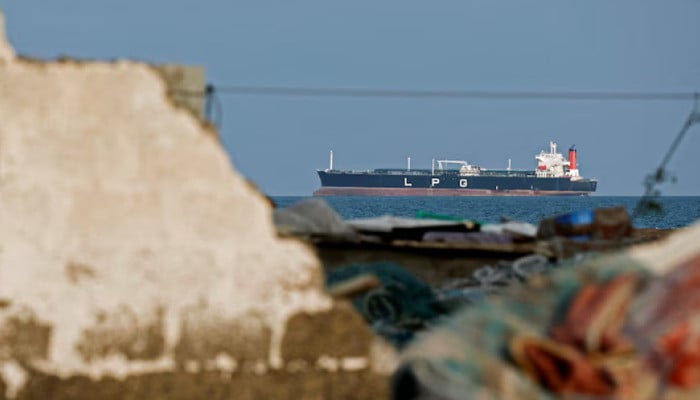
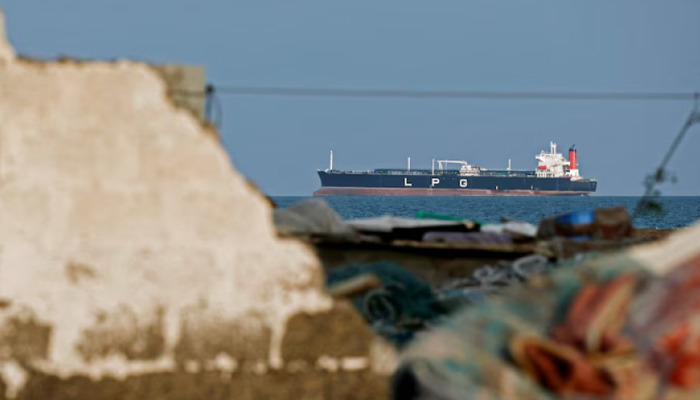
Iran warned on Monday that it would consider any US attempt to interfere in the Strait of Hormuz a breach of the Mideast ceasefire, as President Donald Trump said the United States would begin escorting ships through the blocked waterway.
Negotiations between the two countries have been deadlocked since a ceasefire came into effect on April 8, and Iran’s stranglehold on the strategic strait following US-Israeli attacks on Tehran has been a main point of contention.
Trump said Sunday the new maritime operation, which he dubbed “Project Freedom,” was a “humanitarian” gesture for crews aboard the many ships swept up in the blockade and which may be running low on food and other crucial supplies.
“We will use best efforts to get their Ships and Crews safely out of the Strait. In all cases, they said they will not be returning until the area becomes safe for navigation,” Trump said in a Truth Social post, noting operations would begin on Monday.
In response, the head of the Iranian parliament’s national security commission said: “Any American interference in the new maritime regime of the Strait of Hormuz will be considered a violation of the ceasefire.”
By blocking the Strait of Hormuz, Iran has choked off major flows of oil, gas and fertiliser to the world economy, while the United States has imposed a counter-blockade on Iranian ports.
Trump, in his post, said he was “fully aware that my Representatives are having very positive discussions with the Country of Iran, and that these discussions could lead to something very positive for all.”
He made no direct mention of what Tehran described as a 14-point plan “focused on ending the war.”
US Central Command said it would use guided-missile destroyers, over 100 land and sea-based aircraft, multi-domain unmanned platforms and 15,000 service members in the Hormuz effort.
As of April 29, more than 900 commercial vessels were located in the Gulf, according to maritime intelligence firm AXSMarine.
‘Impossible operation’
US news website Axios, citing two sources briefed on the proposal, reported that Iran set “a one-month deadline for negotiations on a deal to reopen the strait,” dissolve the US naval blockade and end the war.
Earlier Sunday, the Revolutionary Guards sought to put the onus back on Trump, saying he must choose between “an impossible operation or a bad deal with the Islamic Republic of Iran.”
Washington’s European allies are concerned that the longer the strait remains closed, the more their economies will suffer, and German Foreign Minister Johann Wadephul demanded that it be reopened.
In a call with his Iranian counterpart Abbas Araghchi, Wadephul stressed that Germany supported a negotiated solution but that “Iran must completely and verifiably renounce nuclear weapons and immediately open the Strait of Hormuz.”
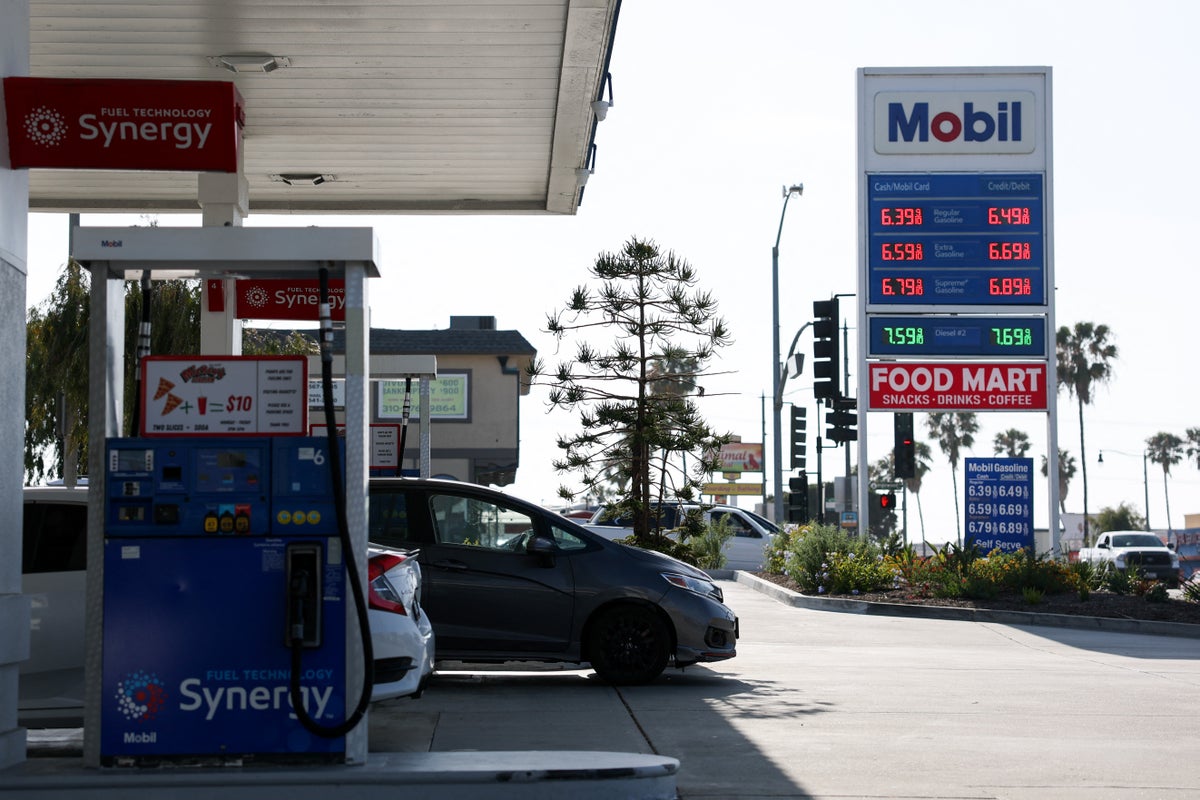
Oil prices are currently about 50% above pre-conflict levels, largely due to the supply snarls in the strait.
‘Suffocating the regime’
The US president, who spent the weekend at his Mar-a-Lago resort in Florida, declined on Sunday to specify what could trigger new American military action.
But in his post he said that “if in any way, this Humanitarian (ship-guiding) process is interfered with, that interference will, unfortunately, have to be dealt with forcefully.”
Treasury Secretary Scott Bessent said the US naval blockade was only part of a broader economic embargo.
“We are suffocating the regime, and they are not able to pay their soldiers. This is a real economic blockade, and it is in all parts of government,” he told Fox News.
In yet more bellicose rhetoric, Mohsen Rezaei, a military adviser to Iran’s Supreme Leader Ayatollah Mojtaba Khamenei, said Iranian forces would sink US ships.
“The US is the only pirate in the world that possesses aircraft carriers. Our ability to confront pirates is no less than our ability to sink warships. Prepare to face a graveyard of your carriers and forces,” he posted on X.
- Merz says withdrawal not linked to his criticism of US’s Iran policy.
- Pentagon to cut 5,000 troops from Germany, raising concerns.
- Biden-era missile deployment plan also seen as abandoned.
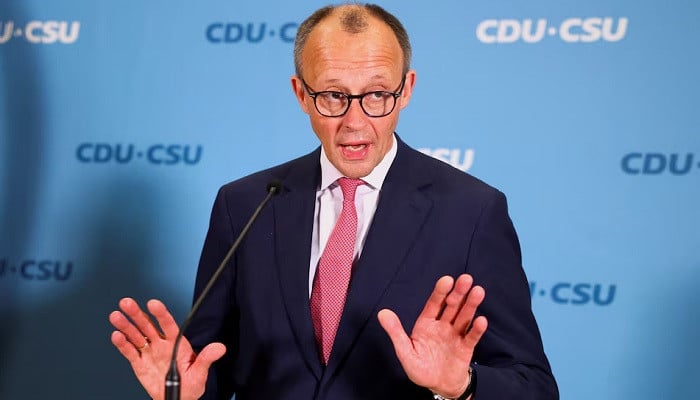
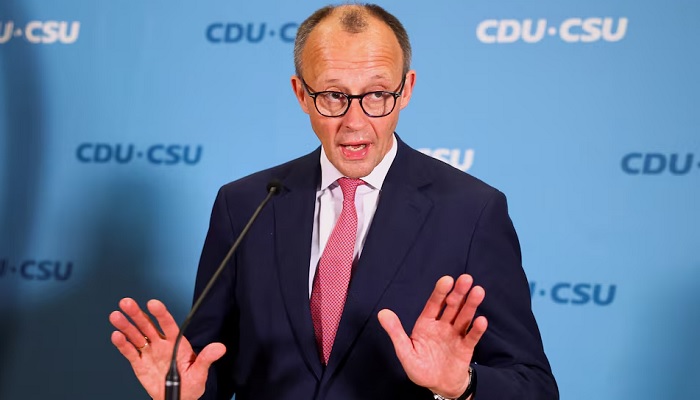
German Chancellor Friedrich Merz said he must accept that President Donald Trump does not share his opinions in order to work with the United States within Nato, but stressed there was no link between their rift and a planned troop drawdown.
Merz dismissed suggestions that his criticism of US war planning in Iran had sparked Washington’s Friday announcement that the US would reduce its military presence in Germany, its largest European base, by 5,000 soldiers, and repeated his commitment to the transatlantic alliance.
Merz had questioned whether Trump had an exit plan for the Middle East and said the US was being “embarrassed” in talks with Iran. Trump later called Merz an “ineffectual” leader.
“I have to accept that the American president has a different view on these issues than we do. But that does not change the fact that I remain convinced that the Americans are important partners for us,” Merz told public broadcaster ARD in an interview due to be aired later on Sunday.
Asked whether US plans to reduce its troop presence in Germany had anything to do with the spat between the two leaders, Merz said, “There is no connection.”
Trump called for a reduced US military presence in Germany already during his first term and has repeatedly called on Europeans to take greater responsibility for their own security.
Friday’s announcement is also seen as a cancellation of a plan under Joe Biden’s administration to deploy a US battalion with long-range Tomahawk missiles to Germany.
This is a blow to Berlin, which had pushed for the move as a powerful deterrent against Russia, while the Europeans develop such weapons of their own.
Merz said Trump had never committed to this plan and that it was unlikely the US would give up such weapons systems, adding, “If I’m not mistaken, the Americans don’t have themselves enough at the moment.”
- Iran wants end to US blockade, nuclear talks postponed.
- President Trump has made Iran nuclear deal a priority.
- US and Israel have suspended bombing for four weeks.
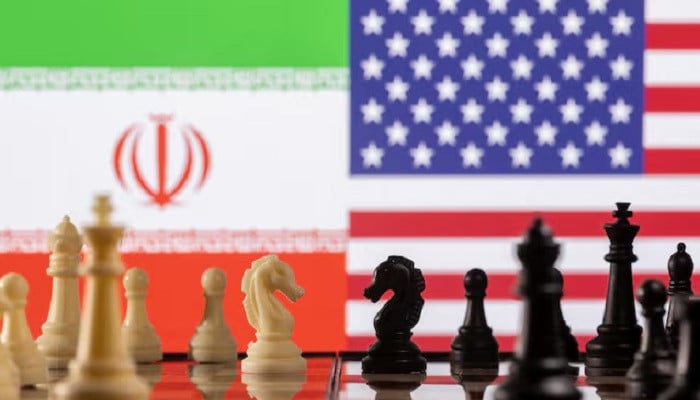
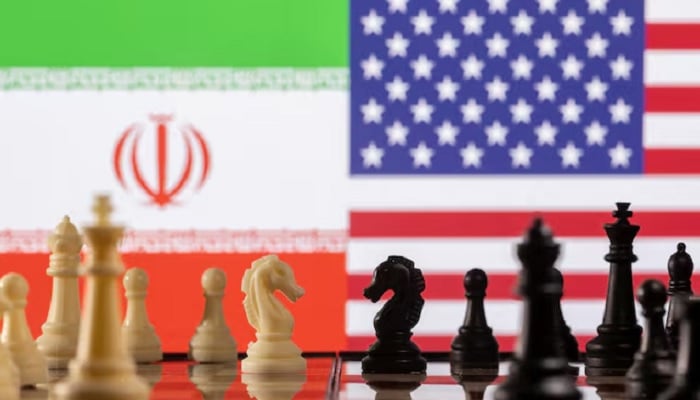
Iran said on Sunday it had received a US response to its latest offer for peace talks, a day after President Donald Trump said he would probably reject the Iranian proposal because “they have not paid a big enough price”.
Iranian state media reported that Washington had conveyed its response to Iran’s 14-point proposal via Pakistan, and that Tehran was now reviewing it. There was no immediate confirmation from Washington or Islamabad of the US response.
“At this stage, we do not have nuclear negotiations,” state media quoted Iran’s Foreign Ministry spokesperson Esmaeil Baghaei as saying, an apparent reference to Iran’s proposal to set aside talks on nuclear issues until after the war ends and the foes agree to lift opposing blockades of Gulf shipping.
On Saturday, Trump said he had yet to review the exact wording of the Iranian peace proposal but was likely to reject it.
“I will soon be reviewing the plan that Iran has just sent to us, but can’t imagine that it would be acceptable in that they have not yet paid a big enough price for what they have done to Humanity, and the World, over the last 47 years,” he wrote on social media.
Strait in stress
The United States and Israel suspended their bombing campaign against Iran four weeks ago, and US and Iranian officials held one round of talks. But attempts to set up further meetings have so far failed.
Iran handed over its latest proposal on Thursday, and a senior Iranian official confirmed on Saturday that Tehran envisions ending the war and resolving the shipping standoff first, while leaving talks on Iran’s nuclear programme for later.
Though Trump initially said on Friday that he was not satisfied with the Iranian proposal, he said on Saturday he was still looking at it.
“They told me about the concept of the deal. They’re going to give me the exact wording now,” he told reporters. Asked if he might restart strikes on Iran, Trump replied: “I don’t want to say that. I mean, I can’t tell that to a reporter. If they misbehave, if they do something bad, right now we’ll see. But it’s a possibility that could happen.”
Iran’s proposal vs Washington’s demands
The proposal to delay talks on nuclear issues until a later phase would appear at odds with Washington’s repeated demand that Iran accept stringent restrictions on its nuclear programme before the war can end.
Washington wants Tehran to give up its stockpile of more than 400 kg (900 pounds) of highly enriched uranium, which the United States says could be used to make a bomb. Iran says its nuclear programme is peaceful, though it is willing to discuss some curbs in return for the lifting of sanctions, as it had accepted in a 2015 deal that Trump abandoned.
While repeatedly he is in no hurry, Trump is under domestic pressure to break Iran’s hold on the Strait of Hormuz, which has choked off 20% of the world’s oil and gas supplies and pushed up US gasoline prices. Trump’s Republican Party faces the risk of a voter backlash over higher prices in midterm congressional elections in November.
Iranian media said Tehran’s 14-point proposal includes withdrawing US forces from nearby areas, lifting the blockade, releasing frozen assets, paying compensation, lifting sanctions, ending the war on all fronts, including Lebanon and creating a new control mechanism for the strait.
Iran has been blocking nearly all shipping from the Gulf apart from its own for more than two months. Last month, the US imposed its own blockade of ships from Iranian ports.
Speaking on condition of anonymity to discuss confidential diplomacy, the senior Iranian official said Tehran believed its latest proposal to shelve nuclear talks for a later stage was a significant shift aimed at facilitating an agreement.
“Under this framework, negotiations over the more complicated nuclear issue have been moved to the final stage to create a more conducive atmosphere,” the official said.
Israel orders Lebanon evacuations
On Sunday, Israel ordered thousands of Lebanese to leave villages in southern Lebanon, an escalation of a war between Israel and Iran’s Hezbollah allies there that has run in parallel to the Iran war and could further complicate wider peace efforts.
Iran has said talks with Washington cannot resume unless a ceasefire also holds in Lebanon, which Israel invaded in March to attack Hezbollah after the Iranian-backed Lebanese group fired across the border in support of Tehran.
Lebanon and Israel agreed to a separate truce last month, but fighting has continued, though on a smaller scale. The Israeli military issued an urgent warning on Sunday to residents of 11 towns and villages in Lebanon’s south, urging them to evacuate their homes and move at least 1,000 metres (3,300 feet) away to open areas.
The military said it was conducting operations against Hezbollah following what it described as a violation of the ceasefire, warning that anyone near Hezbollah fighters or facilities could be at risk.


Australian wool prices edge higher, quality gap weighs on market

Kim Kardashian delights fans with pregnancy pic ahead of Met Gala: ‘Loading’
Oil prices hold steady after Trump says US to help ships leave Strait of Hormuz

-

 Tech7 days ago
A Brain Implant for Depression Is About to Be Tested in Humans
-

 Tech1 week ago
Almost 90% of women leave tech industry within 10 years | Computer Weekly
-
 Business1 week ago
Pakistan’s oil market is fuelling the crisis | The Express Tribune
-
 Business6 days ago
‘I had £20,000 stolen and had to fight a 13-month fraud reporting rule to get it back’
-

 Sports6 days ago
Pro wrestling star Steph De Lander reveals how colleague’s advice helped lead her to title triumph at ACW
-

 Entertainment7 days ago
Norway joins Type 26 Frigate Programme to boost NATO naval power
-

 Entertainment7 days ago
Melania Trump says ABC should ‘take a stand’ on late-night host Kimmel
-

 Tech6 days ago
This Ambitious Laptop Doesn’t Leave Much Room for Your Hands