

Business
Fuel supply fears ease as oil tankers arrive at Port Qasim | The Express Tribune

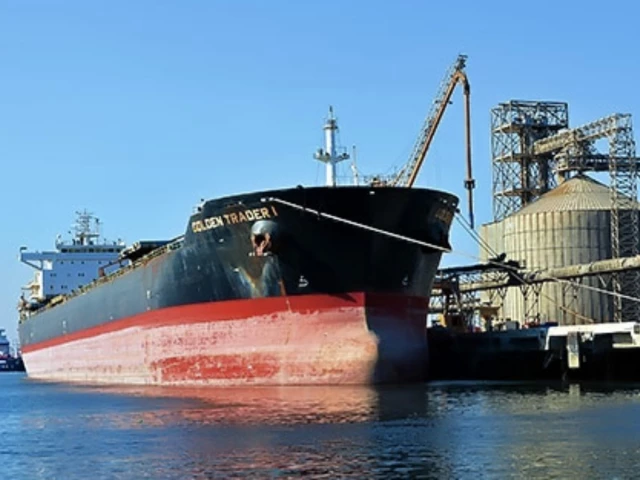
Port Qasim spokesperson says vessel from Fujairah has arrived, three more ships expected in coming days
Fears of a petrol shortage in Pakistan began to subside on Tuesday as oil shipments began arriving at Port Qasim after fuel prices surged amid the ongoing US-Iran conflict in the Middle East.
According to Port Qasim Authority (PQA) spokesperson Asad Altaf Hussain Warsi, the vessel Torm Damini has already discharged about 37,000 metric tonnes of gas oil at Port Qasim over roughly 40 hours and is scheduled to sail tonight.
“The tanker Nave Atropos, carrying around 50,000 metric tonnes of Mogas (motor gasoline) from Singapore, arrived at Port Qasim on March 9 and is scheduled to berth on March 11. The vessel is expected to complete discharge operations within about 30 hours before sailing on March 12,” he said.
Read More: PM Shehbaz announces 4-day work week
Warsi further said that another vessel, Spruce II, carrying approximately 55,000 metric tonnes of Mogas from Sohar, Oman, was expected to arrive at the port today.
“The ship will berth after Nave Atropos and is expected to sail on March 13 following the completion of discharge operations,” he added.
He said a third tanker, Sea Clipper, carrying around 34,000 metric tonnes of Mogas from Fujairah, was scheduled to arrive on March 11. The vessel will berth after Spruce II and is expected to complete discharge operations within about 30 hours before sailing on March 14.
Read More: OGRA dismisses reports of Rs73 petrol, Rs84 diesel hike as ‘completely baseless’
Warsi said a vessel arriving from Fujairah had already reached the port, while three additional ships carrying petroleum products were expected in the coming days.
He added that one of the incoming vessels was arriving from Oman, while details of the remaining two ships would be shared once confirmed.
Warsi said the PQA was ensuring smooth handling and scheduling of all vessels to maintain uninterrupted port operations and steady fuel supplies.
The situation in the Middle East worsened after the United States and Israel attacked Iran, resulting in the killing of its Supreme Leader, Ayatollah Ali Khamenei. In retaliation, Iran launched attacks on Gulf states and closed the Strait of Hormuz, triggering a sharp rise in global crude oil prices.
To cope with the situation, the government last Friday increased petrol and diesel prices by Rs55 per litre. The sharp hike has intensified the cost-of-living pressures, with residents reporting higher transport fares and rising prices of daily-use items.




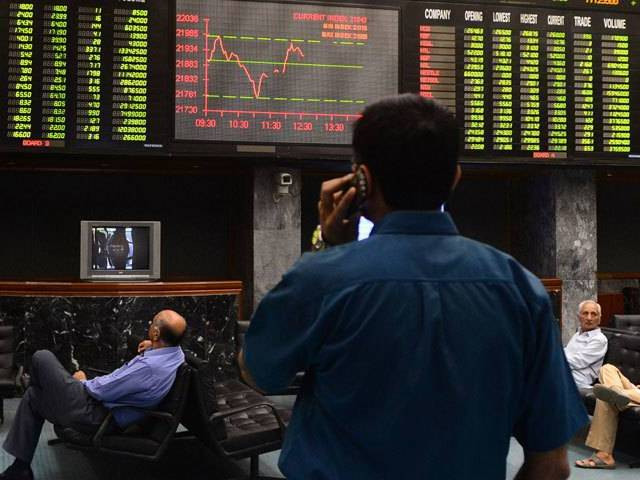
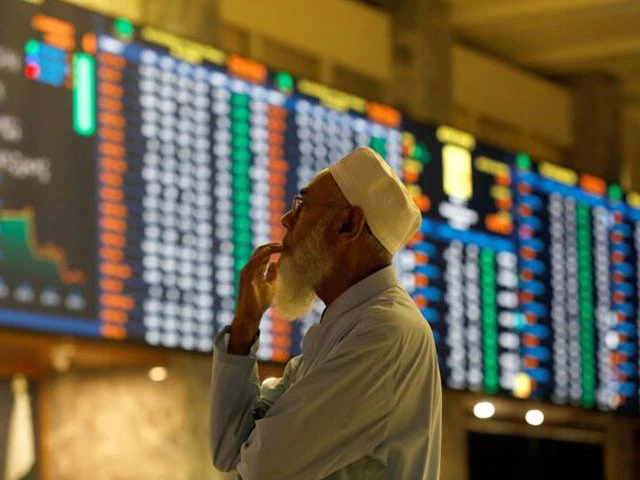



Europe’s largest carmaker said post-tax profits had dropped to their lowest level since 2016.
Source link
Business
Gas supply rejig: Govt prioritises LPG, CNG and piped cooking gas amid LNG disruption – The Times of India
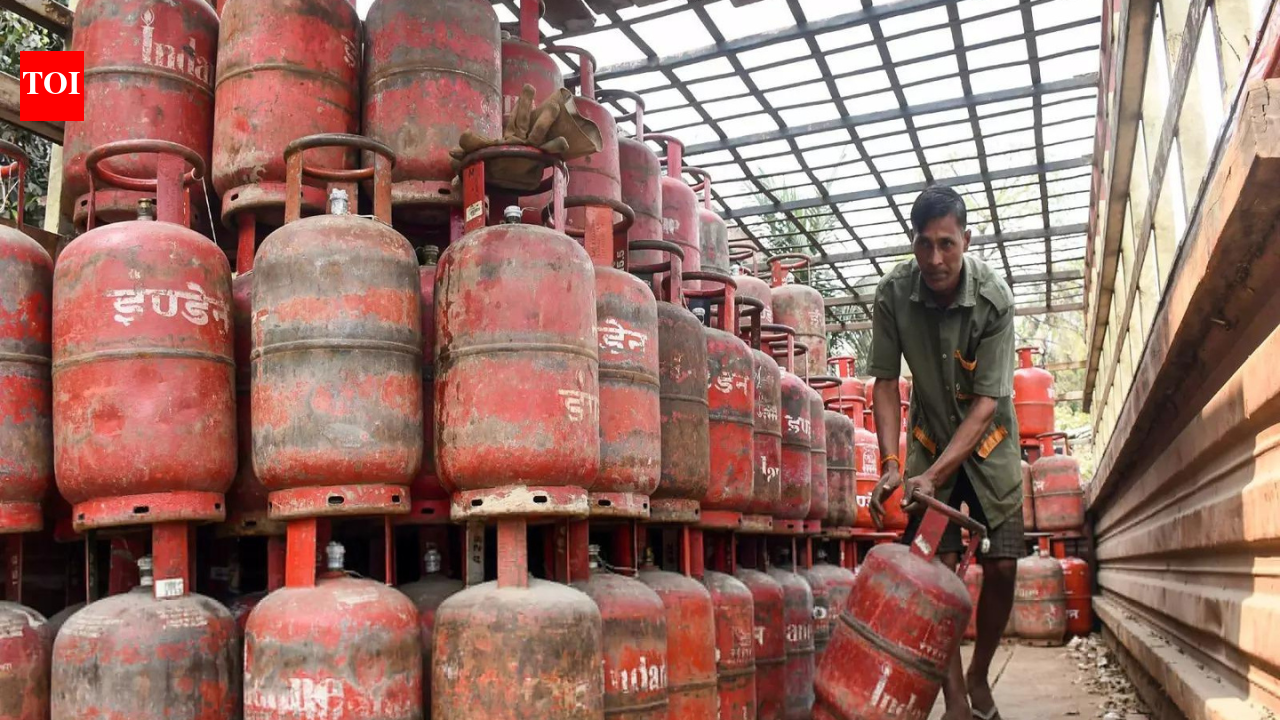
The government has revised the priority order for allocating domestically produced natural gas, placing LPG production, CNG for transport and piped cooking gas for households at the top of the list, as disruptions in imported gas supplies intensify amid the widening West Asia conflict, PTI reported.According to a gazette notification, the requirements of these sectors will be fully met first before gas is supplied to other sectors.Under the revised framework, the fertiliser sector has been placed second, with at least 70% of its past six-month average gas demand to be met, subject to availability.At the third priority level, gas supply to tea industries, manufacturing units and other industrial consumers will be maintained at 80% of their past six-month average consumption, depending on operational availability.City gas distribution (CGD) entities supplying gas to industrial and commercial consumers have been placed at fourth priority in the revised allocation order.The reshuffle means that domestically produced gas will be diverted towards priority sectors, while supplies to petrochemical plants, power plants and other high-priced gas consumers may be curtailed.The move follows supply disruptions triggered by the ongoing conflict in West Asia.Following US-Israeli strikes inside Iran and Tehran’s retaliation, maritime traffic through the Strait of Hormuz has sharply declined, while insurance premiums have surged and energy markets have turned volatile.The strait handles roughly one-fifth of global seaborne oil and nearly one-third of LNG shipments, and is a key route for India’s imports of LNG and LPG.With tanker movement slowing, the government has decided to rework the allocation of domestically available gas to ensure supplies to essential sectors such as household cooking fuel and vehicular transport.Natural gas produced in India currently meets about half of the country’s total consumption of around 191 million standard cubic metres per day.“The Central Government has assessed that the ongoing conflict in the Middle East has resulted in the disruption of liquefied natural gas (LNG) shipments through the Strait of Hormuz and suppliers have invoked force majeure clause,” the notification said.It added that the revised allocation was necessary to maintain supplies and ensure equitable distribution of natural gas to priority sectors.The notification stated that domestic piped natural gas, CNG for vehicles and LPG production — including LPG shrinkage requirements — will receive 100% of their past six-month average gas consumption.Gas required for pipeline compressor fuel and other operational needs of the pipeline network will also receive priority allocation.For fertiliser plants, gas supply will be maintained at 70% of their past six-month average consumption, and the fuel must be used strictly for fertiliser production.“The gas marketing entities shall ensure that gas supply to tea industries, manufacturing and other industrial consumers supplied through the national gas grid is maintained at 80 per cent of their past six month average gas consumption subject to operational availability,” the order said.Similarly, CGD companies will ensure industrial and commercial consumers supplied through their networks receive 80% of their past six-month average gas consumption, depending on availability.To meet these priorities, gas supplies will be curtailed first to petrochemical facilities such as ONGC Petro additions Ltd, GAIL Pata Petrochemical Complex, Reliance O2C and other high-pressure high-temperature gas consumers, followed by power plants if required, the order said.Oil refining companies have also been asked to absorb part of the LNG supply disruption by reducing gas consumption at refineries to around 65% of their past six-month average usage.State-owned GAIL has been tasked with managing the allocation and distribution of natural gas to implement the revised priority order.

The government has been urged to take quick action to help the 1.7 million homes that still use heating oil and have seen prices double due to the US attacks on Iran.
These are often people in rural areas, who have seen prices for their fuel jump in some cases from 62p a litre before the war to perhaps £1.73 now.
Suppliers have been accused of delivering supplies without a price being quoted, leaving consumers in for a nasty shock when the bill arrives.
Conservative net zero minister Clare Coutinho wants the Competition and Markets Authority (CMA) to probe the suppliers and order them to be fairer to consumers.
Speaking on the BBC Today programme this morning, Ms Coutinho said: “Heating oil is being delivered without a price being quoted. We have called on the CMA to investigate these practices. We want more transparency and fair practices for consumers.”
Chancellor Rachel Reeves says she has asked the CMA to be “vigilant”, but Ms Coutinho accused the government of being “slow off the mark”.
“I hope this is something we can work on together. It is people who are vulnerable and in rural communities who have no other choice,” she added.
All energy costs are rising as fears grow of a supply squeeze. But heating oil seems to be the energy supply that is being most badly hit. There are about 120 heating oil suppliers, much smaller firms than the large energy conglomerates that supply electricity and gas to most of the population.
Emma Simpson, chief executive of Rural Action Derbyshire, a charity that runs an oil-buying scheme, said: “People who rely on heating oil are facing a sudden and frightening surge in cost. We may be heading into spring, but anyone running low on oil right now doesn’t have the luxury of waiting for prices to fall.”
She added: “For some, the decision to order or not will come down to whether they can realistically afford it, and that is a really hard position to be in.”
There were wild swings in both the oil and equity markets on Monday. But on Tuesday, oil prices fell sharply and stock markets bounced back as US president Donald Trump said the US-Israel war with Iran could be over soon.
The price of Brent crude was more than 8 per cent lower at just under $91 dollars a barrel, retreating from near-four year highs above $100 a barrel in volatile trading on Monday.
Markets responded by recovering some of the recent ground lost in the sell-off, with the FTSE 100 Index up 1.6% soon after opening, up 165.3 at 10,414.8.
Lindsay James, investment strategist at Quilter, said: “Markets are attempting to stabilise after an extraordinary round trip in oil prices that saw prices collapse from an intraday high of nearly $120 a barrel back towards the low $90s, helped in part by President Trump signalling that the war with Iran could be ‘very complete, pretty much’.
“Equities in the US responded in turn with modest gains while Treasury yields reversed, ending the day fractionally lower.”
Matt Britzman, senior equity analyst at Hargreaves Lansdown, said: “Global equity markets are still taking their cues from oil this morning – but the tone has notably improved after yesterday’s wild swings.
“What initially looked like a one-way surge in energy costs and the inflation headaches that come with it has started to stabilise, offering some much-needed breathing room.”


Italy’s Prada explores layered identities for Fall/Winter 2026

Ex-Jets linebacker, charged with first-degree murder, allegedly consulted ChatGPT about cover-up

Iran war raises new credit risks for emerging market sovereigns: Fitch

-

 Politics3 days ago
India let Iran warship dock the day US sank another off Sri Lanka, say officials
-

 Sports4 days ago
Pakistan set for FIH Pro League debut | The Express Tribune
-

 Entertainment3 days ago
Harry Styles kicks off new era with ‘One Night Only’ comeback show
-
 Business3 days ago
Restaurant group changes name after bid to buys pubs across the UK
-

 Tech1 week ago
The 5 Big ‘Known Unknowns’ of Donald Trump’s New War With Iran
-
 Business1 week ago
Labour parliamentarians urge UK Government to oppose Rosebank oil field
-
 Business4 days ago
Home heating oil: ‘Most of my pension has gone on home heating oil’
-

 Sports1 week ago
USA vs. Argentina (Mar 1, 2026) Live Score – ESPN