

Business
Gold buying on Dhanteras, Diwali: Should you opt for 9K gold jewellery? Here’s what experts say – The Times of India


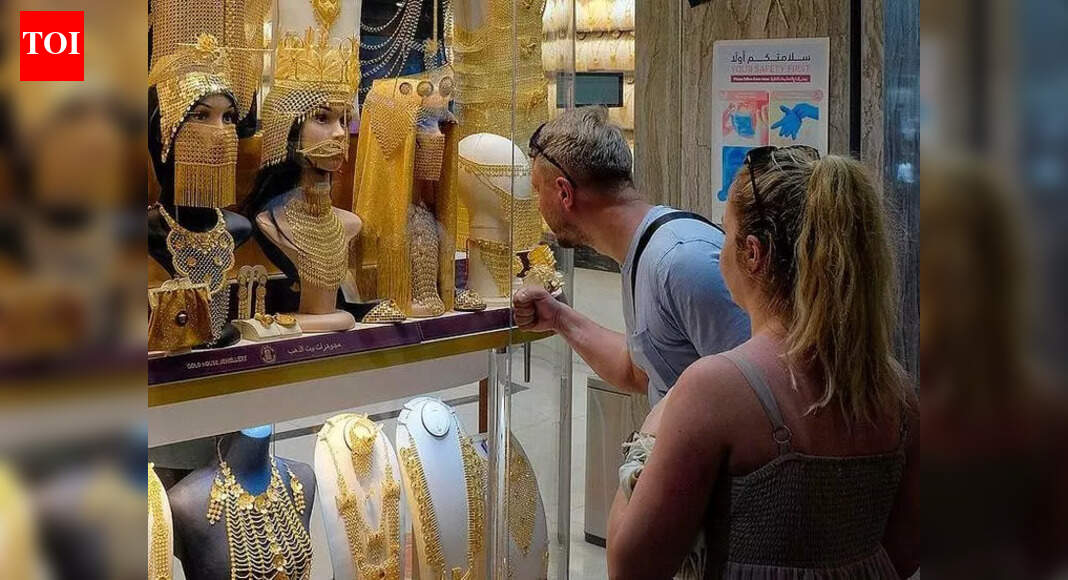
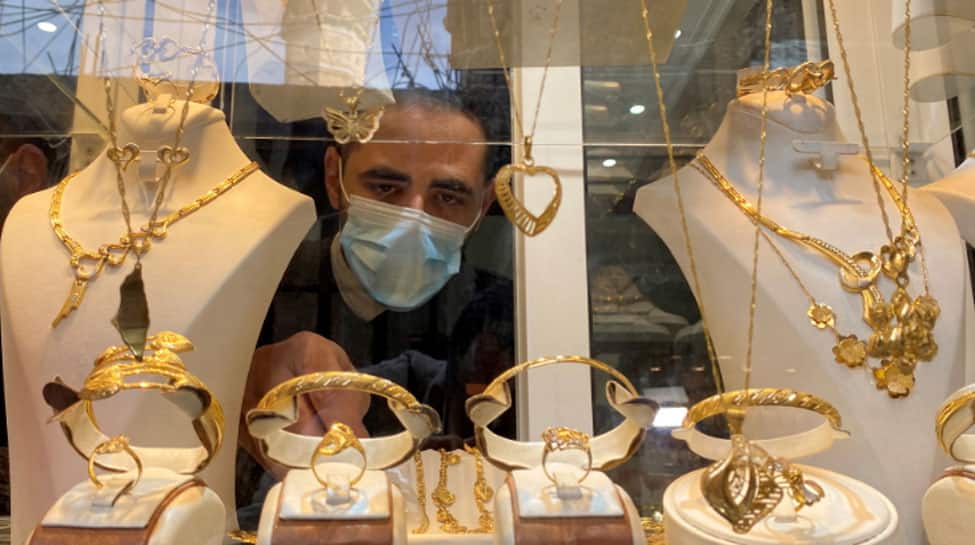
Thinking of buying gold jewellery on Dhanteras and Diwali 2025? With gold prices hitting record highs, buyers who are mindful of their budget may consider 9K gold jewellery.The central government introduced hallmarking for 9K gold jewellery in July 2025, placing it alongside existing categories of 24K, 23K, 22K, 20K, 18K, and 14K gold jewellery. This 9K variant contains 37.5% pure gold, with the remaining portion consisting of alloy metals.Due to its lower gold content, this variety offers an economical option for individuals unable to purchase higher-purity gold. This raises questions about whether 9K gold is becoming a preferred investment choice.With the approaching festivities of Dhanteras and Diwali, it’s worth examining if consumers are selecting 9K gold for jewellery or investment purposes, based on expert opinions.According to Aksha Kamboj, Vice President, India Bullion & Jewellers Association (IBJA) and Executive Chairperson, Aspect Global Ventures, investors are choosing more affordable gold options to participate in the gold market.Aksha told ET, “With 24K prices at steep levels, the lower karat allows for a lighter ticket entry, and so many buyers are willing to compromise and take on a lower karat of either 14K or even 9K gold to keep an exposure to the gold asset class.”Lower karat gold doesn’t necessarily indicate inferior quality. According to Vijay Kuppa, CEO of InCred Money, “If your goal is to buy a durable, affordable piece of fashion jewellery for everyday wear, 9K or 14K is practical because the added alloys make it very strong”.Regarding investment potential, Vijay told ET, “But if your goal is wealth preservation or investment, always choose the highest purity you can, which is typically 22K for jewellery or 24K for coins, bars, or digital gold.”RiddiSiddhi Bullions Ltd.’s Managing Director and IBJA President, Prithviraj Kothari, states, “9K gold (37.5% purity) is not suitable for investment in India. It is inexpensive and durable, but it has too low gold content to have much intrinsic value.”According to the report, he further explains, “22K (91.6% purity) and 18K (75%) gold are better options for jewellery and investment since more of their resale value is linked to gold prices in the market, while 14K and 9K are mainly for fashion jewellery.”Regarding investment value of 9K gold jewellery, Tradejini’s COO Trivesh D indicates that gold below 22K falls into lifestyle category.As Trivesh elaborates, “Jewellery made from 18K or 9K is a personal asset, not an investment. Once you factor in making charges, GST, and purity loss, it’s all about aesthetics. Only 22K and 24K gold fit the definition of a true investment.”Opting for a smaller quantity of higher purity gold is more advantageous than having larger amounts of 9K gold, according to Prithviraj.“Because of the low intrinsic gold content of 9K gold, its resale value is mainly driven by making charges, not bullion value. In addition, 18K gold and 22K are very easily pledged, sold, or exchanged across India. On the other hand, 9K gold is unlikely to be accepted by most jewellers,” says Prithviraj.According to Trivesh, higher purity gold serves well as an investment, whilst lower-karat gold is suitable for ornamental purposes.“A small quantity of high-purity gold always beats a large quantity of diluted metal. You are buying intrinsic value, not volume. With 22K or even 18K, you retain better resale prospects, liquidity, and credibility in the market, while 9K gold is more like costume jewellery with limited financial worth,” says Trivesh.How does hallmarking influence the acceptance of lower-purity gold amongst cost-conscious buyers? According to Aksha, the hallmarking requirement for 9K and 14K gold will enhance confidence amongst price-sensitive purchasers.“The Indian Bureau of Standards (BIS) has approved the hallmarking of 9K gold as of now, so there is some guarantee of the purity that is on the label and therefore consumers will trust even lower purity gold,” she adds.(Disclaimer: Recommendations and views on the stock market and other asset classes given by experts are their own. These opinions do not represent the views of The Times of India)





Malaysia-based Karex produces more than five billion condoms a year and supplies global brands like Durex and Trojan.
Source link
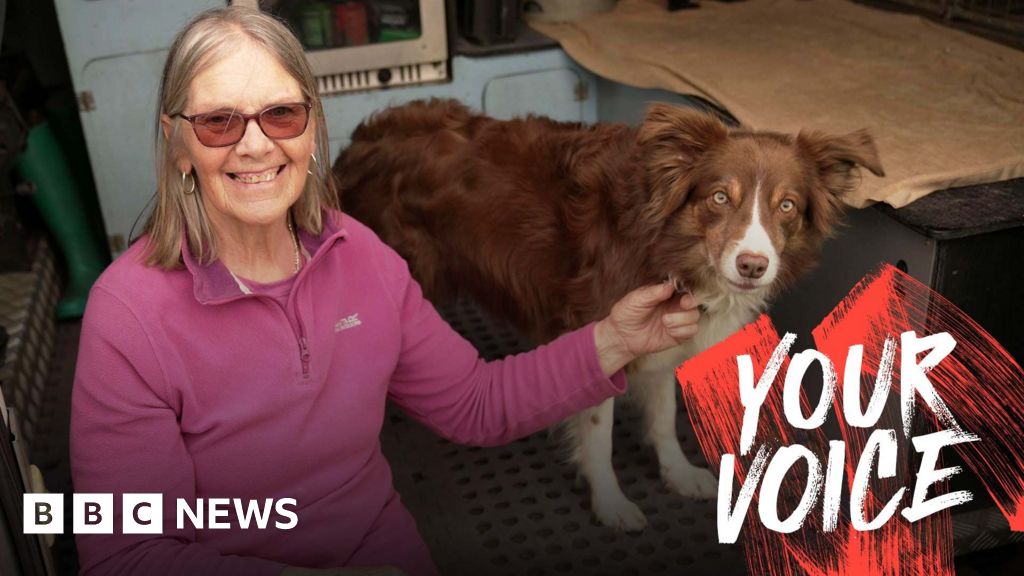
Tesco Pet Insurance, who provided the cover, says “the cost of claims is one of a number of factors that can affect the price of a policy at renewal” and also noted Tilly’s age had been reflected in the quote. It says the couple had a more comprehensive policy, which typically costs more than basic levels of cover, and that alternative options were presented to Fawcett and Neild.
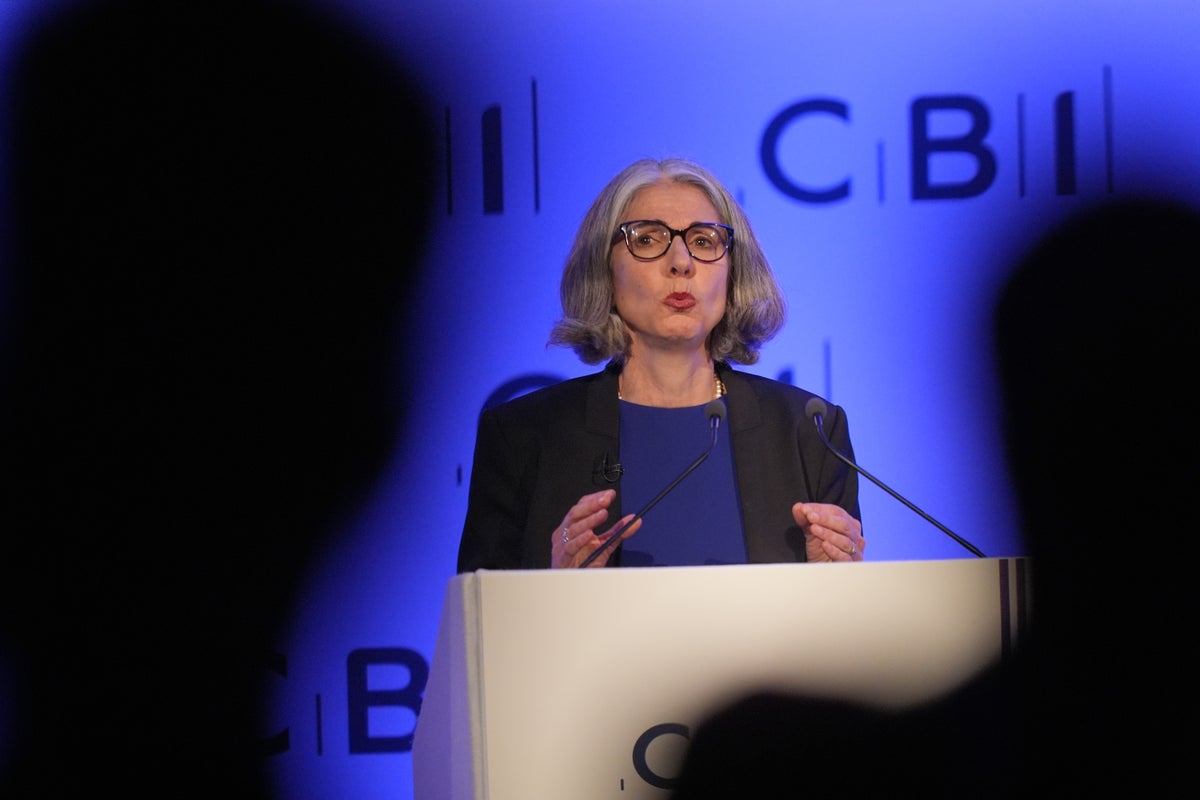
The UK must not “cut ourselves off” from trade opportunities in China despite security and business risks, the head of the Confederation for British Industry has warned.
CBI chief Rain Newton-Smith highlighted that British businesses see increased trade with Chinese firms as an opportunity to drive growth.
Her remarks came as business leaders were questioned by MPs on Parliament’s Business and Trade Select Committee regarding the UK’s economic relationship with China.
Last December, Prime Minister Sir Keir Starmer admitted China poses security threats to the UK but urged for greater business ties.
Ms Newton-Smith, chief executive of one of the UK’s largest business groups, was positive about the Government’s engagement with China.
“You can’t have a growth strategy without a strategy for China,” she said.
“China has the biggest contribution to global growth, is the third largest trading partner, and the world’s largest consumer market.
“The UK is second largest exporter of trade and services.
“We are mindful as all businesses are of security risks but it is really important that we have a strategy towards China.
“This Government has increased the economic engagement with China and including business within this does help us as a country.”
She added: “If we think about the future economy, there is a huge market in China and I think we mustn’t cut ourselves off from some of the opportunities there, even if in some areas there are difficult conversations and negotiations that need to be had.”
Peter Burnett, chief executive of the China-Britain Business Council, told the committee: “There are risks associated with technology advancement, AI, industrial development that they need to assess.
“Increasingly you will find them saying that they need to engage more in China to understand those risks and to develop some of the technologies along some of those risks themselves.”


IMF to give specific attention to low-income, vulnerable nations

A case for fuel reforms
World’s biggest condom maker Karex set to raise prices due to Iran war

-

 Fashion6 days ago
France’s LVMH Q1 revenue falls 6%, shows resilience amid Iran war
-

 Sports1 week ago
The case for Man United’s Fernandes as Premier League’s best
-

 Entertainment1 week ago
Palace left in shock as Prince William cancels grand ceremony
-

 Entertainment7 days ago
Is Claude down? Here’s why users are seeing errors
-
 Business1 week ago
UK could adopt EU single market rules under new legislation
-

 Fashion1 week ago
Energy emerges as biggest cost driver in textile margins
-
 Business1 week ago
Delta Air Lines unveils first new Delta One suite in premium cabin arms race
-

 Fashion1 week ago
Asia claims largest share of markets on Kearney FDI Confidence Index