

Business
How weight-loss injections are making obesity a wealth issue

 Nick TriggleHealth correspondent
 BBC
BBCThree years ago, a fashion editor friend returned from Milan Fashion Week bursting with a story to tell.
Most fashion editors stayed at the same hotel, she explained, and each bedroom had its own mini fridge. After checking out, en route to the airport, a stylist in her party cried out that he’d left “an important package” in his fridge and telephoned the hotel, pleading with them not to throw it away.
“Turns out he’d forgotten his Ozempic,” my editor friend whispered. We were baffled. Ozempic?
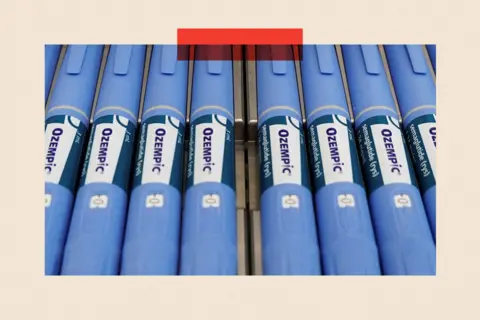
Back then, Ozempic was not part of the common lexicon. But quietly, in certain circles, this injectable drug, which is licensed for the treatment of type 2 diabetes, was being prescribed privately and off-label for weight loss.
Flash forward to today and the picture is vastly different. “So many fashion people are on it,” she tells me today. “And now they’re very vocal.”
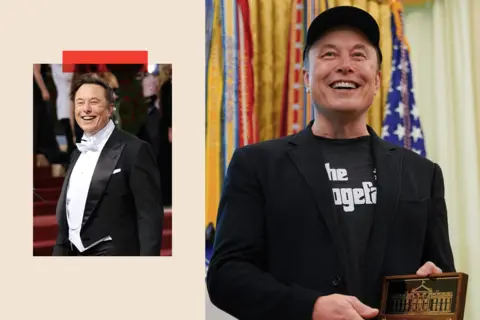
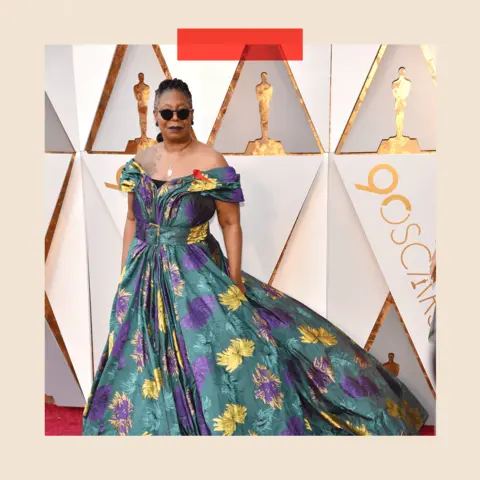
Serena Williams, Elon Musk and Whoopi Goldberg have all spoken about using weight-loss injections. Some are now prescribed by the NHS, including Wegovy and Mounjaro, generating scores of headlines.
Really, this should have made it a great leveller. In theory, anyone struggling with obesity can – without the expense of a private doctor – get help to manage their weight.
Only that’s not the full picture.
 AFP via Getty Images
Thousands of NHS patients are believed to be missing out. And with the NHS tightly restricting access, some working in the field warn a two-tier system around weight-loss drugs is developing – one that’s benefitting the most well-off.
Martin Fidock, who is UK managing director of Ovivia, which provides Wegovy and lifestyle support to NHS patients, claims that thanks to varying thresholds of eligibility in different regions, NHS prescriptions are a “postcode lottery”.
An estimated 1.5 million people in the UK use these drugs – but more than nine in 10 are believed to pay privately. Prices vary but it generally costs between £100 and £350 a month, depending on the dose and lifestyle support.
Then, last month, it was reported that pharmaceutical giant Eli Lilly was expected to increase the list price of Mounjaro by as much as 170%.
They have since done a deal for UK distributors, meaning rises are likely to be less, and the deal doesn’t affect the cost to the NHS – but it has still caused concern in some quarters.
“It’s scary,” says Brad, a tech company worker in his 40s. He has been taking Mounjaro for a year and worries he may not be able to afford to continue.
“I’ve lost 20kg and want to keep using it, but it’s a lot of money. It’s unfair.”
 Getty Images (R) AFP via Getty Images (L)
Nutritionists and GPs I spoke to have also expressed concerns about the broader system, and in particular whether existing health inequalities could worsen.
“We cannot allow good health to become a luxury for the wealthiest by limiting access to weight-loss drugs to those who can pay privately,” argues Katharine Jenner, executive director of Obesity Health Alliance.
So could it really be that weight-loss injections – for all of their benefits – are turning obesity into a wealth issue?
The NHS ‘postcode lottery’
Weight-loss drugs have been available on the NHS for some time, but the landscape changed significantly with the introduction of some newer medications – among them, semaglutide, marketed under the brand name Wegovy, and tirzepatide, sold as Mounjaro.
Wegovy was first prescribed for obesity by the NHS in 2023, while Mounjaro followed earlier this year. They work in part as an appetite suppressant by mimicking a hormone, which makes people feel fuller.
Studies have suggested patients can lose as much as a fifth of their body weight.
They are licensed for people with a BMI of 27 or more for those with a health condition or above 30 for those without (adjusted for certain ethnic groups). But tougher NHS criteria are being applied, and in England and Wales the drugs are mostly restricted to those with a BMI of over 35.
Plus there are more restrictions too.
For Wegovy, local areas are making their own decisions on access.
Martin Fidock claims that in recent months a third of regional health boards have increased the BMI threshold, which he says has resulted in fewer people being able to get it. (The BBC has been unable to verify this data.)
A spokesperson for Novo Nordisk, the pharmaceutical giant that makes Wegovy, told the BBC it is “concerned about the growing disparity” in access to NHS specialist weight management services.
“This has led to a large proportion of people needing to pay out of pocket, an option which is out of reach in areas of depravation where obesity rates are significantly higher.”
NHS England has said the differences could be related to different levels of need and other providers being more active in certain regions, but confirmed it was up to local areas to decide how much to spend.
 Reuters
For Mounjaro, NHS England has started it for people with a BMI above 40 who also have certain health conditions. The NHS roll-out officially began in June, but a report published earlier this month suggests that not all general practices had started offering it.
Just 18 out of 42 NHS boards across England confirmed that they’d begun prescribing it in line with the roll-out plan, according to data obtained by freedom of information requests published in the BMJ.
The NHS has previously said it is supporting the phased rollout for eligible patients and that “these represent brand-new services in primary care that are being established and scaled up over time”.
But Mr Fidock believes we are seeing a “postcode lottery”.
“We have got an obesity epidemic and these drugs provide us with an opportunity to tackle it in a way we have never been able to do before. But your ability to benefit is dependent largely on whether you have the means to pay.”
Adding to the challenge is the fact that more people from deprived areas struggle with obesity in the first place: more than a third of people in the most deprived areas are obese – twice that of more affluent neighbourhoods.
Beyond the physical health risks – and there are many, including higher risks of cancer and heart disease, plus mental health problems – there may be social consequences too.
One US study found that obese men with a bachelor’s degree earn 5% less than their thinner colleagues, while those with a graduate degree earn 14% less. For obese women it is worse still, earning 12% and 19% less respectively, based on data concerning 23,000 US workers, published in The Economist in 2023.
NHS GP Matthew Calcasola, who is also involved in a service Get a Drip, which offers weight-loss drugs privately, has his own concerns.
“We’re concerned health inequality will build,” he says. “GPs worry about this.”
Private patients priced out
Meanwhile, a booming private market has emerged. Sara de Souza, a business analyst from Nottingham, is among those delighted that it has.
Following the birth of her son Vito in 2023, she put on 30kg. “I got to 96kg,” she recalls. “Me and my husband both got into bad habits. We were so busy, we were eating junk food and having chocolates.
“I was always tired and struggled to pick up my baby. But I just couldn’t lose the weight.”
Sara tried dieting and went to see her GP who referred her to a lifestyle diet and activity programme. But still the pounds stuck.
At her heaviest her BMI was 37.5, but she wasn’t eligible for NHS access and paid £200 a month for the drug through an app called Juniper, which also gave her diet and lifestyle advice. Within a year she had lost the full 30kg.
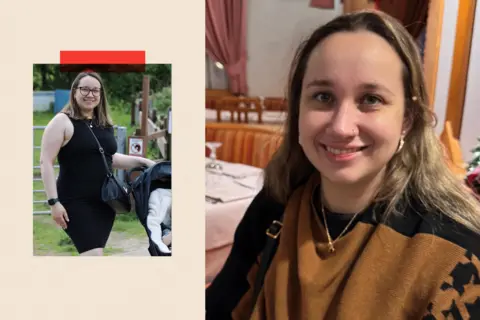
“It completely changed my life. I felt like a new person, alive again. It’s not just how I look, it’s how I feel and being able to keep up with my son.”
Sara says the cost didn’t impact her. “Even if it had, I’d have carried on, because of the benefits.”
Not everyone feels the same. Some 18% of overweight Britons would be willing to pay for weight-loss drugs – but if they were available on the NHS, 59% said they would be keen on using them, according to new polling by communications agency Strand Partners.
And some of those willing to pay privately fear they could find themselves being priced out following the proposed price spike.
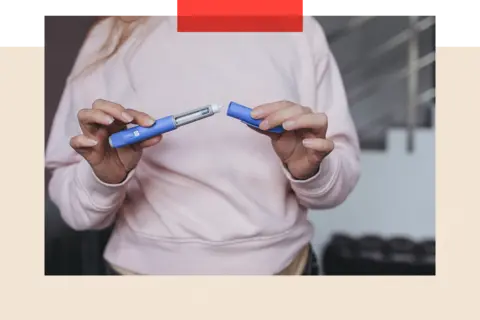 Getty Images
“If I’d had to pay £300 or even more, I would have really struggled to afford it,” says Pete Beech, 57, from Southampton.
He weighed 18 stone and paid £160 a month for a prescription of Mounjaro to help him lose weight to qualify for an ultrasound treatment as part of his treatment for prostate cancer.
“The way the NHS is rationing these drugs has consequences beyond just obesity.”
James O’Loan, head of online pharmacy Chemist 4 U, has already observed some people stretching themselves financially to get hold of weight-loss drugs – some have asked for payment plans, which they cannot offer.
“Some people can’t move on to the higher doses because of cost,” he explains.
 Getty Images for ESSENCE
Then there are concerns about a weight-loss drug black market, or unscrupulous dispensing.
“Some services are desperate to dispense the stuff and don’t care what happens,” claims Professor Richard Donnelly, editor of medical journal Diabetes, Obesity and Metabolism. “People are just asked to fill in a quick questionnaire. There’s no proper medical assessment or follow up.”
He also stresses that they should not be seen as a quick fix. “They’re not there to lose a bit of fat around the tummy.”
Whilst generally well tolerated, there are risks of certain side effects — including nausea, constipation and diarrhoea. A study into potential serious side effects of weight loss jabs has also been launched after hundreds of people reported problems with their pancreas.
The NHS advises people never take a medicine for weight management if it has not been prescribed for them.
‘Not a magic bullet’
Some argue that the answer is, simply, to widen NHS access. The issue, of course, comes in part down to cost.
Michael Shah, senior analyst at Bloomberg Intelligence, believes that this could start to resolve itself in time.
“There are more than 160 weight-loss drugs in clinical development,” he says. Once available, he predicts that the competition could push costs down across the board.
“NHS bargaining power should improve as additional players and treatments enter the space.”
 Kevin Mazur/WireImage via Getty Images
Earlier this year the Tony Blair Institute suggested that the drugs should be offered to everyone with BMIs over 27, arguing that it costs even more to deal with the consequences of obesity.
Obesity is estimated to cost the economy £98bn a year, according to research commissioned by the think tank, once you take into account lost productivity as well as the NHS treatment costs and the impact on the individual.
The Institute suggests a means-tested system with those entitled to free prescriptions getting it free and others self-funding or encouraging employers to share the cost.
NHS England has said it is looking at an option to “accelerate roll out to even more people in the future”.
But it also pointed out that weight loss drugs should not be seen as a “magic bullet”.
Are we medicalising a social issue?
All of this begs a broader question – that is, in medicalising debates around tackling obesity, do we risk overlooking the wider social issue?
“By thinking we have a treatment for obesity we lose focus and stop thinking about the more difficult issues around the food industry and regulation, which are the root cause of this,” warns Greg Fell, president of the Association of Directors of Public Health.
“I do have concerns about equity of access,” he adds. “But I think the NHS has carefully thought about this and probably is, more or less, in the right place.”
 Getty Images
In post-war Britain, obesity was rare due to food shortages and physically demanding lifestyles – lower-income groups were more likely to suffer from malnutrition.
Only since the 1980s have obesity rates risen across all social classes, with a growing disparity between rich and poor.
It is driven by several interconnected factors. Katharine Jenner argues there needs to be more done to address one of them in particular: our “broken food system”.
“People in poorer areas are surrounded by junk food advertising, more unhealthy takeaways, and face bigger barriers to buying healthy food,” she says.
“Without investment in prevention, health will get worse, inequalities will widen, and the costs will fall on all of us.”
How to effectively achieve that is perhaps the biggest question of all. But whatever the answer – and regardless of whether the onus really should be on the state or as others argue, the individual – it runs far deeper than the cost of a weight-loss jab.
“We live in a society that prizes freedom of choice and expression, values material wealth and tolerates vast inequality,” argues Chris Rojek, sociology professor at City St George’s, University of London. “In such a system, casualties are inevitable.
“It would be naïve — or even pious — to claim we can simply solve this. The answer is complex and touches the very fabric of our society.”
Top picture credit: Onzeg/ Getty Images
BBC InDepth is the home on the website and app for the best analysis, with fresh perspectives that challenge assumptions and deep reporting on the biggest issues of the day. And we showcase thought-provoking content from across BBC Sounds and iPlayer too. You can send us your feedback on the InDepth section by clicking on the button below.

Labour MPs are among a group of more than 60 parliamentarians to have made public their opposition to the planned Rosebank oil field – with one of Sir Keir Starmer’s backbenchers urging the Government to rule against the development and take a stand “against Trump, Reform and their fossil fuel paymasters”.
Clive Lewis is one of more than 50 MPs at Westminster who have signed a pledge from campaign group Uplift to “oppose the Rosebank oil field” and instead “advocate for a properly funded just transition for oil and gas workers and communities”.
Urging the Government to reject the development, Norwich South MP Mr Lewis said: “We must stand our ground against Trump, Reform and their fossil fuel paymasters.
“Approving an enormous new oil field would mean caving in to their anti-climate, anti-renewables agenda that runs completely counter to our values and our long-term interests.”
Scottish Labour MP Chris Murray, another of the Labour MPs to have signed the pledge, said the decision on Rosebank was “an opportunity for the Government to change course”.
It comes as the UK Government continues to consider whether the development of the oil field can go ahead – with Labour now under mounting pressure after the loss of the Gorton and Denton by-election to the Greens on Thursday.
Rosebank, which lies about 80 miles west of Shetland, is the UK’s largest untapped field, containing up to an estimated 300 million barrels of oil.
Drilling there was approved by the Conservative government in 2023 but was then subject to a legal challenge in the wake of a Supreme Court ruling which said the emissions created from burning fossil fuels should be considered when granting permission for new sites.
Now the decision on whether it can proceed lies with Labour ministers – with some 16 Labour MPs having made plain their opposition to the development.
The group includes Mr Lewis, Mr Murray, former Labour shadow chancellor John McDonnell and Scottish Labour’s Brian Leishman.
Former Labour MPs Jeremy Corbyn and Diane Abbott have also signed the pledge, along with a number of Liberal Democrat and Green MPs, SNP MP Chris Law, Plaid Cymru’s Liz Saville Roberts and Paul Maskey of Sinn Fein.
In Scotland a number of Labour MSPs have signed the pledge, along with Green MSPs – including the party’s Scottish co-leader Ross Greer – and former SNP health secretary Michael Matheson.
While previous Scottish first ministers Nicola Sturgeon and Humza Yousaf made plain their opposition to Rosebank, First Minister John Swinney has insisted the Scottish Government takes a “case-by-case approach” to new oil and gas developments, stressing these should only proceed if found to be compatible with climate change targets.
Mr Lewis said opposing Rosebank would “show that a Labour Government will stand by the promises we made to the country”.
He added: “There are only so many times we can afford to make mistakes and then change course.
“With Rosebank, we have an opportunity to get it right the first time.”
Mr Murray, the Labour MP for Edinburgh East and Musselburgh, said many locals in his constituency were “deeply concerned about Rosebank and rightly so”.
He added: “Climate change is one of the reasons I came into politics, and opening new oil and gas fields is simply incompatible with our climate commitments.
“With the North Sea’s oil supply dwindling, Scotland’s energy sector must transition to clean energy, or workers risk being left behind.”
Scottish Labour MSP Mercedes Villalba, who has also signed the pledge, argued that “approving projects like Rosebank will lock us into a toxic dependence on volatile, conflict-ridden fossil fuels”.
This would create “another excuse to delay the urgent investment needed to create secure, well-paid jobs for Scotland’s workers”, she added.
Ms Villalba said: “In an increasingly uncertain world, where climate action is relegated in favour of fossil politics, the UK and Scotland must lead the way on the clean energy transition.”
Wera Hobhouse, Liberal Democrat MP for Bath, said people in her constituency and across the country “are already facing the consequences of an increasingly unstable climate”.
Highlighting the impact of flooding and “skyrocketing food prices”, she said that “climate impacts are now a daily reality”.
Ms Hobhouse said: “Extreme weather is damaging crops, putting pressure on farmers, and destroying our precious natural environment.
“We cannot ignore these warning signs.
“A massive new oil field like Rosebank would only make matters worse.
“The emissions would be enormous, locking us into decades more pollution when we should be cutting carbon and unlocking the benefits of cheap, renewable energy.”
Approving the Rosebank development would “make a mockery of Labour’s environmental promises”, she said.
A UK Government spokesperson said: “Our priority is to deliver a fair, orderly and prosperous transition in the North Sea in line with our climate and legal obligations, which drives our clean energy future of energy security, lower bills, and good long-term jobs.”
Business
UAE stock markets close, trading halted by Abu Dhabi Securities Exchange and the Dubai Financial Market for two days amid Iran–US–Israel war fallout – The Times of India
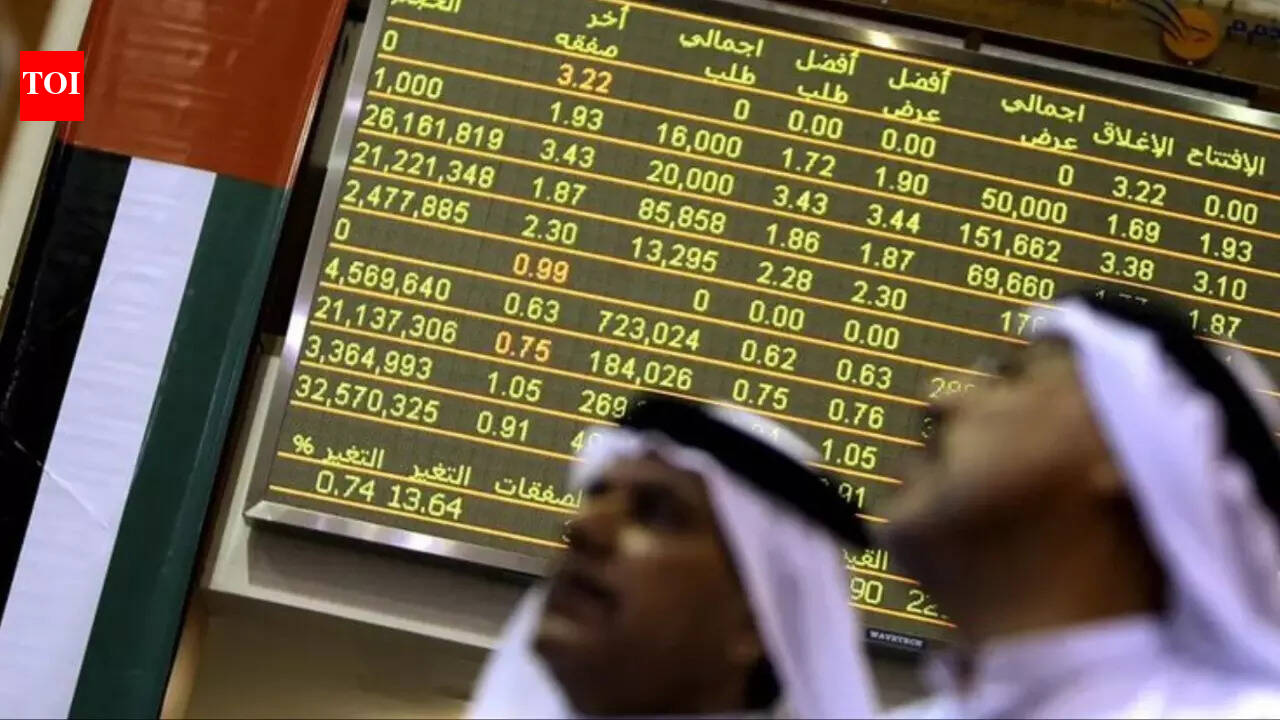
In an unprecedented economic response to escalating regional conflict, the United Arab Emirates has announced that its two major financial markets, the Abu Dhabi Securities Exchange (ADX) and the Dubai Financial Market (DFM), will remain closed on Monday, March 2 and Tuesday, March 3, 2026. The decision comes as the UAE reels from a series of retaliatory Iranian strikes following coordinated US and Israeli military actions against Iran, which have destabilised Gulf business sentiment and prompted sweeping security and economic precautions.The UAE Capital Markets Authority said that keeping the exchanges closed temporarily is part of its supervisory and regulatory mandate, providing authorities and market participants time to assess the impact of recent events on financial infrastructure and investor confidence. The halt affects equities, derivatives and trading in hundreds of billions of dollars in listed assets and is among the clearest signs yet of economic shockwaves from the regional crisis.
Why UAE stock markets are paused: Regional conflict among Iran–US–Israel disrupts confidence
The closures follow Iran’s retaliatory missile and drone strikes on Gulf cities and strategic targets, including airports and other infrastructure, after a joint US–Israel offensive. These attacks have not only led to safety measures such as airspace restrictions and travel advisories but also triggered widespread business disruption across the Gulf. Major airports in Dubai and Abu Dhabi have seen operations halted or altered and commercial hubs from ports to retail centres have felt the strain.
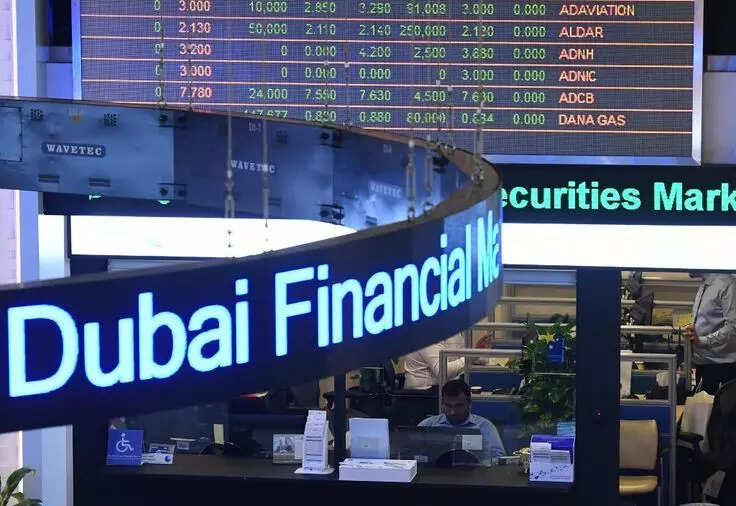
UAE Markets Shut Down: Is This Economic Capitulation to Regional War?
Financial markets are typically among the first economic indicators affected by geopolitical instability. When investors fear prolonged unrest, they often pull funds from equities and seek so-called “safe-haven” assets like gold, sovereign debt or commodities such as oil, especially when conflict threatens critical energy supply corridors like the Strait of Hormuz.
Regional market turmoil and knock-on effects in the Middle East amid Iran–US–Israel clashes
While the UAE exchanges are closed, other Gulf markets that remained open on Sunday experienced significant sell-offs as investors reacted to the turmoil:
- Saudi Arabia’s benchmark index saw sharp drops before partially recovering as investors weighed conflict risks against energy price gains.
- Muscat and other regional bourses also slid, reflecting broader risk-off sentiment.
- In Kuwait, authorities took the rare step of suspending trading indefinitely due to “exceptional circumstances” linked to the same regional tensions.
Financial markets are serving as a barometer of risk and economic confidence and the dramatic moves across the Gulf underscore how intertwined political stability is with economic performance in the region.
What the UAE’s stock market closure means for investors
For both domestic and international investors, the temporary shutdown of ADX and DFM has several implications. Liquidity and price discovery are paused, leaving billions of dollars in listed assets in limbo. Risk premiums on Gulf assets may rise, as traders reassess exposure during periods of heightened uncertainty. Investor sentiment is likely to remain fragile until there are visible signs of de-escalation or credible diplomatic resolutions.Economists note that halting trading does not eliminate market pressure, it simply delays it and when markets do reopen, there may be sharp moves as investors recalibrate positions based on new geopolitical and economic realities. The conflict has not just shaken stock markets, energy markets have also reacted. Reports from analysts indicate that crude oil prices have surged as fears of supply disruptions increase, with the Strait of Hormuz, a crucial passage for roughly 20% of global oil exports, under theoretical threat of closure.
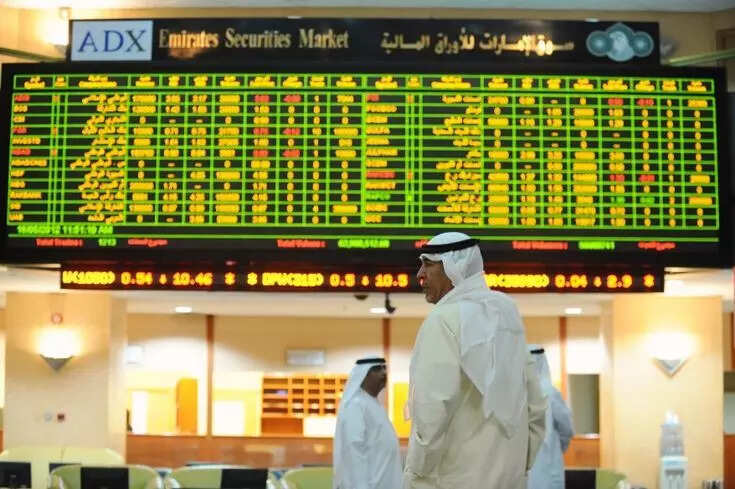
UAE Stock Markets Closed: What Does This Mean for Global Investors Amidst Escalating Conflict?
Higher oil prices can partially offset stock market pain in energy-exporting economies like the UAE but the overall economic impact remains complex. Other sectors, from tourism and hospitality to trade and logistics, have also felt immediate fallout: airport shutdowns have stranded travellers and corporate events and networking key to Ramadan business cycles have been postponed, compounding uncertainty.
UAE government messaging and future prospects
UAE authorities have stressed that public and economic safety remain top priorities. The temporary market closure is coupled with broad advisories across transportation, education and public services, such as airports issuing travel advisories and schools moving to remote learning, aimed at ensuring operational stability while the situation evolves. Officials have pledged to monitor conditions closely and communicate updates on any further market action. This includes potential rescheduling of reopening dates for ADX and DFM or additional measures to support investors once trading resumes.The UAE Capital Markets Authority ordered a two-day closure of the Abu Dhabi and Dubai stock markets on March 2–3, 2026, in response to escalating regional tensions. The pause follows retaliatory strikes by Iran after US and Israeli military action, which have disrupted markets, air travel and business operations across the Gulf. Gulf markets that remained open experienced sharp declines and volatility, reflecting investor risk aversion. Oil prices and safe-haven assets have climbed as geopolitical risk fuels global economic uncertainty. Authorities will continue to assess and communicate market developments as conditions evolve.

Taxpayers must adopt carefully structured approach to ensure compliance while optimising tax efficiency
Tax collection. Photo: file
KARACHI:
Capital value tax (CVT) is not a novel concept in Pakistan’s fiscal framework. It was first introduced through the Finance Act, 1989, primarily as a tax on the acquisition or transfer of specified assets, including immovable property, motor vehicles, and certain financial instruments.
Over time, its scope and application evolved, and it effectively ceased to operate after its abolition through the Tax Laws (Amendment) Ordinance, 2020.
The present CVT regime was reintroduced under Section 8 of the Finance Act 2022 as Capital Value Tax 2022, complemented by the Capital Value Tax Rules, 2022 (SRO 1797(I)/2022 dated September 29, 2022) with further amendments vide Finance Act 2024. The CVT 2022 significantly expanded its scope, notably extending the tax to certain foreign assets of resident individuals, thereby reviving an old concept in a new constitutional and policy context.
Considering the recent wave of notices for CVT recovery and compliance obligations for high-net-worth individuals, it is timely to revisit its key provisions and complexities. Given these complexities, taxpayers must adopt a carefully structured approach to ensure compliance while optimising tax efficiency.
Scope and rates of CVT 2022
As per CVT 2022, a tax shall be levied on the value of assets at rates specified in the First Schedule for tax year 2022 onwards, with motor vehicles in Pakistan subject to taxation from July 1, 2022. The CVT applies to motor vehicles exceeding 1300cc engine capacity, or electric vehicles with battery capacity over 50 kWh, as well as foreign assets of resident individuals exceeding an aggregate value of Rs100 million. In addition, the tax applies to assets notified by the federal government through official notifications.
The Finance Act 2024 introduced an additional category comprising farmhouses and residential houses within the Islamabad Capital Territory (ICT), which are taxed on the basis of area rather than value.
The rates under CVT 2022 vary according to asset type. Motor vehicles and foreign assets are charged at 1% of their value, while notified assets cannot exceed 5% of their value. Farmhouses in ICT are subject to Rs500,000 for areas between 2,000 and 4,000 square yards, and Rs1,000,000 if the area exceeds 4,000 square yards. Residential houses in ICT are charged Rs1,000,000 for areas between 1,000 and 2,000 square yards, and Rs1,500,000 if the area exceeds 2,000 square yards.
Valuation methodology
The valuation of motor vehicles depends on their origin. Imported vehicles are valued based on the customs-assessed import price plus duties and taxes, while locally manufactured or assembled vehicles are assessed at ex-factory prices inclusive of all applicable duties and taxes.
Vehicles sold at public auction are valued at the auction price, inclusive of duties and taxes. In all cases, the vehicle’s value is reduced by 10% for each year from the end of the financial year in which it was acquired, and the value is treated as zero after five years.
Foreign assets are valued either at their total cost or, if the cost cannot be determined with reasonable accuracy, at fair market value. These values are expressed in the relevant foreign currency and converted into Pakistani rupees using exchange rates notified by the State Bank of Pakistan for the last day of the tax year. For notified assets, the valuation follows the specific method prescribed in the government notification.
Collection and compliance
The mechanism for the collection of CVT varies depending on the asset type. For motor vehicles, customs authorities collect the tax on import, manufacturers or assemblers collect on local purchases, and auctioneers collect at the point of sale. Excise and taxation registration authorities collect the tax at the time of vehicle registration or transfer, except where it has already been collected at the import, purchase, or auction stage.
For foreign assets, the liability to pay CVT falls on the person holding the asset through their income tax return. In the case of assets notified by the federal government, the collection follows the method specified in the relevant notification. Failure to pay or collect the tax renders the person personally liable, including a default surcharge of 12% per annum calculated from the due date until payment.
Key legal and computational issues
CVT 2022 raises several legal and computational questions. Legally, the primary issue is whether the federation has the authority to impose tax on foreign assets located outside Pakistan. Additionally, under Entry 50 of the Federal Legislative List, there is debate over whether the federal government can tax immovable property or not based on the fact that it specifies “not including taxes on immovable property”.
Other questions concern the treatment of assets previously declared under the Foreign Assets (Declaration and Repatriation) Act, 2018, the appropriate exchange rate for valuation, and whether historical cost or fair market value should be used. Computational complexities also arise, such as whether foreign liabilities should be deducted from gross asset values to determine the net capital value. These questions along with the jurisdictional challenges form the core of ongoing deliberations surrounding CVT.
Judicial interpretations
The High Courts of Sindh and Lahore have upheld the constitutionality of CVT 2022, ruling that parliament possesses legislative competence to tax the capital value of foreign assets held by resident individuals. The courts clarified that the “immovable property” exception in Entry 50 applies only to domestic property and does not restrict the federal government from taxing global assets. The CVT is considered a tax on the capital value of assets, not on the property itself, allowing the federal government to tax assets outside provincial jurisdictions.
The Appellate Tribunal Inland Revenue (ATIR) has addressed procedural and valuation issues, affirming that assets declared under past amnesty schemes are immune from prosecution for concealment but are not exempt from valid taxes like CVT. The ATIR has also emphasised that valuations must include proper accounting for related foreign liabilities to ensure taxation applies only to the net capital value.
In June 2023, the Supreme Court of Pakistan granted interim relief to petitioners, balancing revenue interests with taxpayers’ rights. Petitioners were directed to deposit 50% of the disputed CVT, with the remaining 50% secured via bank guarantees, effectively staying full recovery until the court determines the federal government’s authority to tax immovable property located abroad.
Legal clarity vs practical challenges
The revival of CVT raises fundamental questions about federal taxing powers, global wealth taxation, and valuation methodology. While High Courts have affirmed parliament’s competence to tax foreign assets of resident individuals, the matter remains under Supreme Court scrutiny.
Beyond constitutional validation, practical challenges persist in ensuring fair computation, accurate valuation, and the avoidance of double economic burden. As enforcement intensifies, clarity in both legal interpretation and administrative practice will determine whether CVT becomes a sustainable fiscal instrument or a recurring source of litigation.
The writer is a tax professional with extensive experience in corporate and international taxation in Pakistan


Ranking MLB’s best at every position for 2026: Olney’s top 10s

Orlando vs. Miami (Mar 1, 2026) Live Score – ESPN
Labour parliamentarians urge UK Government to oppose Rosebank oil field

Pakistan carries out precision strikes on seven militant hideouts in Afghanistan

Eye-popping rise in one year: Betting on just gold and silver for long-term wealth creation? Think again! – The Times of India

These Cheap Noise-Cancelling Sony Headphones Are Even Cheaper Right Now

-
 Politics1 week ago
Pakistan carries out precision strikes on seven militant hideouts in Afghanistan
-
Business1 week ago
Eye-popping rise in one year: Betting on just gold and silver for long-term wealth creation? Think again! – The Times of India
-
 Tech1 week ago
These Cheap Noise-Cancelling Sony Headphones Are Even Cheaper Right Now
-

 Sports1 week ago
Kansas’ Darryn Peterson misses most of 2nd half with cramping
-

 Entertainment1 week ago
Viral monkey Punch makes IKEA toy global sensation: Here’s what it costs
-

 Entertainment1 week ago
Saturday Sessions: Say She She performs "Under the Sun"
-

 Sports1 week ago
How James Milner broke Premier League’s appearances record
-

 Sports1 week ago
Floyd Mayweather to come out of retirement again