

Business
Iea Oil Reserves Release: Iran crisis: IEA says strategic oil reserves to be released immediately in Asia-Oceania, from end-March in US and Europe – The Times of India

The International Energy Agency (IEA) said on Sunday that strategic oil reserves will be released “immediately” in Asia and Oceania, while supplies from member countries in the Americas and Europe will begin flowing from the end of March, as governments move to cushion the oil shock caused by the ongoing West Asia war.As per news agency AFP, the IEA said member countries had already submitted their individual implementation plans, with Asia-Oceania set to receive stocks immediately and America-Europe releases scheduled to start from late March.The agency said a total of 271.7 million barrels of government-managed stocks would be released worldwide under the emergency action.
Asia-Oceania to get oil first
The IEA said the first wave of emergency reserves will be made available fastest in the Asia-Pacific region, where supply stress has become particularly acute.“Individual implementation plans have been submitted to the IEA by Member countries. These plans indicate that stocks will be made available by IEA Member countries in Asia Oceania immediately,” the agency said, according to AFP.“Stocks from IEA Member countries in the Americas and Europe will be made available starting from the end of March,” it added.The announcement provides the clearest timeline yet on how the emergency stock release will actually be phased across regions after the agency agreed earlier this week to tap strategic reserves.
Biggest oil shock in market history, says IEA
IEA members agreed on Wednesday to draw down oil stockpiles in response to the war-driven price surge, in what is by far the largest-ever coordinated intervention of its kind.Calling the disruption unprecedented, the IEA said: “The war in the Middle East is creating the largest supply disruption in the history of the global oil market.”It described the latest emergency stockpile release as the sixth in its history and the first since Russia’s invasion of Ukraine in 2022, calling it a “significant and welcome buffer”.
Oil prices still near $100 despite reserve move
Despite the record intervention, oil prices have not cooled significantly.The announced releases have not had a major impact on crude prices so far, with oil still hovering around $100 a barrel, the highest level since 2022 and sharply above the sub-$70 levels seen before the war.That reflects market concerns that even a historic reserve release may not fully offset the loss of supply caused by the disruption of shipping routes in the Gulf.
Strait of Hormuz remains the key problem
The IEA made clear that the real solution lies not just in reserve releases, but in restoring normal tanker movement through the Strait of Hormuz.“The most important factor in ensuring a return to stable flows is the resumption of regular transit of shipping through the Strait of Hormuz,” the agency said.It added that adequate insurance mechanisms and physical protection for shipping would be critical for the resumption of flows.Iran has effectively blocked the strategic strait since the war began on February 28 with US-Israeli air strikes on Iranian targets.The waterway is one of the most important chokepoints in the global energy system and typically carries about one-fifth of gobal oil shipments.
S&P says reserve release may offer only limited relief
S&P Global Energy has warned that the IEA’s broader plan to release 400 million barrels of emergency oil stocks may provide only limited relief if the Strait of Hormuz remains shut.S&P said the release would help markets adjust to the current imbalance, but flagged uncertainty over whether the oil would reach the regions that need it most, especially Asian markets, where inventories are running down, news agency ANI reported.According to Jim Burkhard, vice president and global head of crude oil research at S&P Global Energy, “There is too much oil that cannot be exported via the Strait of Hormuz and not enough in Asia, where stocks are running down. The market is seriously unbalanced and that will continue until the Strait is reopened and upstream and downstream operations return to normal. It will not happen quickly”.It would take months for the 400 million-barrel release to offset the roughly 430 million-barrel reduction in global supply in March alone.
Global reserve push gathers pace
The Paris-based IEA had earlier agreed to make 400 million barrels available from members’ strategic reserves, far more than the 182.7 million barrels released after the Ukraine war began in 2022.IEA member countries currently hold over 1.2 billion barrels of public emergency oil stocks, plus another 600 million barrels of industry stocks held under government obligation.It also said countries such as Germany and Austria have already confirmed they will release parts of their strategic reserves, while Japan said it would begin drawing down stocks from Monday.The IEA’s latest update signals that the emergency release is now moving from announcement to implementation. But with oil still near $100, tanker flows still disrupted and the Strait of Hormuz effectively shut, markets appear to be betting that reserve barrels alone may not be enough to stabilise global energy supplies quickly.
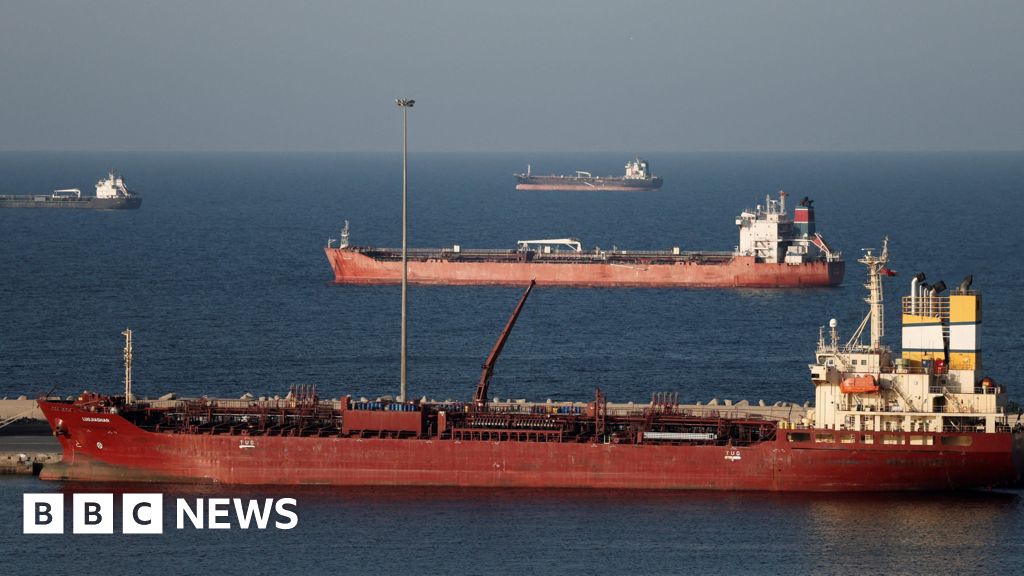
The energy secretary also hinted at the possibility of sending minesweeping drones to the region.
Source link
Business
Gold Prices: Gold, silver may see more corrective moves this week as Middle East tensions, central bank cues drive volatility – The Times of India

Gold and silver prices are likely to remain volatile and could see further corrective moves in the coming week, with investors closely watching developments in the Middle East conflict and a packed calendar of major central bank policy meetings, analysts said.Market participants are expected to remain focused on the evolving geopolitical situation, as any sign of escalation or de-escalation in the Middle East could trigger sharp swings across commodities, currencies and broader financial markets.
Middle East conflict to remain key trigger
Analysts said traders will continue to track the conflict in the Middle East closely, with geopolitical headlines likely to remain the biggest short-term driver for bullion prices.“In the week ahead, focus will remain in the Middle East region as any signs of further escalation or de-escalation may lead to increased volatility in the financial markets,” Pranav Mer, vice president, EBG – commodity & currency research at JM Financial Services Ltd, was quoted as saying by news agency PTI.While gold and silver are traditionally seen as safe-haven assets during times of crisis, recent sessions have shown that broader market stress can also lead to profit-booking and cash-raising, which can weigh on prices even when geopolitical risks remain elevated.
Fed, ECB, BoE and PBOC decisions in focus
On the macroeconomic front, investors will also monitor a heavy lineup of central bank meetings this week.The US Federal Reserve will announce its policy decision on Wednesday, followed by the European Central Bank and the Bank of England on Thursday, and the People’s Bank of China on Friday.These central banks are widely expected to keep interest rates unchanged, but traders will be closely watching their forward guidance for clues on the path of global monetary policy, especially at a time when higher crude oil prices are complicating inflation expectations.
Bullion under pressure last week
Bullion prices remained under pressure in domestic markets last week. On the Multi Commodity Exchange (MCX):
- Silver fell Rs 8,850, or 3.3%
- Gold declined Rs 3,168, or 2%
In the international market, Comex silver dropped nearly $3, or 3.52%, during the week, while gold fell $97, or 2%.Mer told PTI that gold broke down from a consolidation range on Friday and ended the week nearly 2 per cent lower, dragged by a stronger US dollar and growing expectations that major central banks may delay interest rate cuts because of the inflationary impact of surging crude oil prices.
Why bullion fell despite safe-haven demand
The fall in bullion prices came even as equities and other risk assets saw broad pressure.According to PTI, Mer said gold prices slipped despite a wider sell-off in risk assets because traders and investors may have chosen to book profits at higher levels or sold holdings to meet margin calls and liquidity needs.Still, he said bullion continues to retain an important support base from safe-haven demand because of the escalating conflict in the Middle East.“Silver prices closed in negative for the second consecutive week, weighed by a stronger dollar and a consolidative/ corrective move in the industrial metals,” Mer told PTI.
Long-term allocation still favoured
Despite near-term volatility, analysts said gold and silver continue to play an important role in portfolio construction.“Gold and silver earn their place not because of what they return in isolation, but because of how they behave relative to everything else,” Vijay Kuppa, CEO of InCred Money, said, as per PTI.He said the two metals remain valuable because of their low correlation with equities and their ability to act as a hedge against currency debasement.Kuppa also cautioned investors against trying to time the market, saying that while broader commodity markets have been disrupted by supply chain issues and changing trade routes amid the conflict, investors should maintain a long-term allocation to bullion rather than chase short-term price swings.
Last Updated:
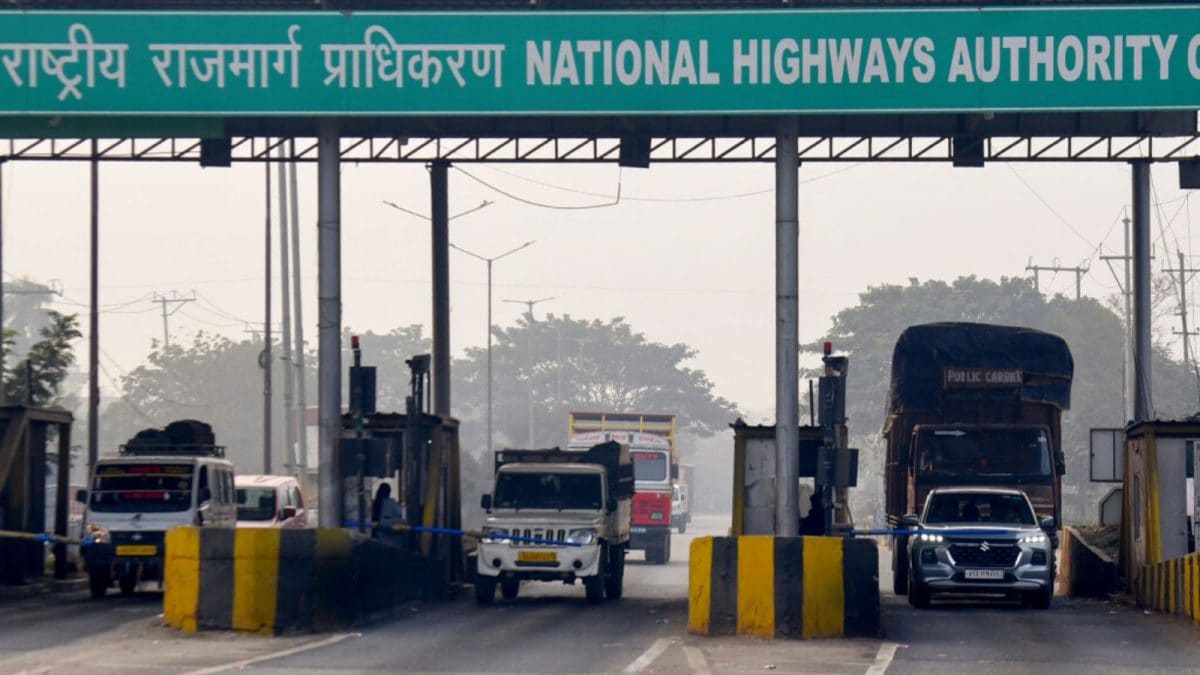
NHAI raised the FASTag Annual Pass fee from Rs 3,000 to Rs 3,075 for 2026–27, effective April 1, 2026. The pass covers 1,150 toll plazas for non-commercial vehicles.




NHAI Revises FASTag Annual Pass Fee for FY27; Price Increased to Rs 3,075
The National Highways Authority of India (NHAI) has announced a revision in the FASTag Annual Pass fee, increasing the charge from Rs 3,000 to Rs 3,075 for the financial year 2026–27. According to an official statement released on March 15, the revised fee will come into effect from April 1, 2026.
The change has been implemented in accordance with the National Highways Fee (Determination of Rates and Collection) Rules, 2008, which allows periodic revision of toll charges. The FASTag Annual Pass facility is available to eligible non-commercial vehicles with a valid FASTag, enabling users to travel across around 1,150 toll plazas on national highways and expressways.
The annual pass allows private vehicle owners to pay a one-time fee for toll usage instead of recharging FASTag frequently. Once activated, the pass remains valid for one year or up to 200 toll plaza crossings, whichever occurs earlier, making it a convenient option for frequent highway commuters.
Users can activate the annual pass on their existing FASTag linked to the vehicle by paying the fee through the Rajmarg Yatra App or via the official NHAI website. According to the authority, the pass is typically activated within two hours of payment.
Launched on August 15, 2025, the FASTag Annual Pass has seen growing adoption among private vehicle owners. NHAI said more than 56 lakh users have already opted for the facility, highlighting its popularity as a convenient and cost-effective option for travellers on national highways across India.
March 15, 2026, 16:25 IST
Read More


Oscars winners list for 2026: Live updates

Men’s March Madness 2026 bracket: Get to know all 68 teams

Conan O’Brien mocks Timothée Chalamet and others at Oscars 2026

-

 Politics1 week ago
India let Iran warship dock the day US sank another off Sri Lanka, say officials
-

 Sports1 week ago
Pakistan set for FIH Pro League debut | The Express Tribune
-

 Entertainment1 week ago
Harry Styles kicks off new era with ‘One Night Only’ comeback show
-
 Business1 week ago
Restaurant group changes name after bid to buys pubs across the UK
-
 Business4 days ago
Stock market crash today (March 12, 2026): Nifty50 opens below 23,600; BSE Sensex down over 900 points on continuing US-Iran war – The Times of India
-

 Sports1 week ago
Winners and losers of the 2026 NHL trade deadline
-

 Entertainment1 week ago
Kanye ‘Ye’ West trips during trial: ‘Is he asleep?’
-

 Tech1 week ago
It’s Time to Wrangle Your Messy Wires With Our Handy Guide to Cable Management