

Business
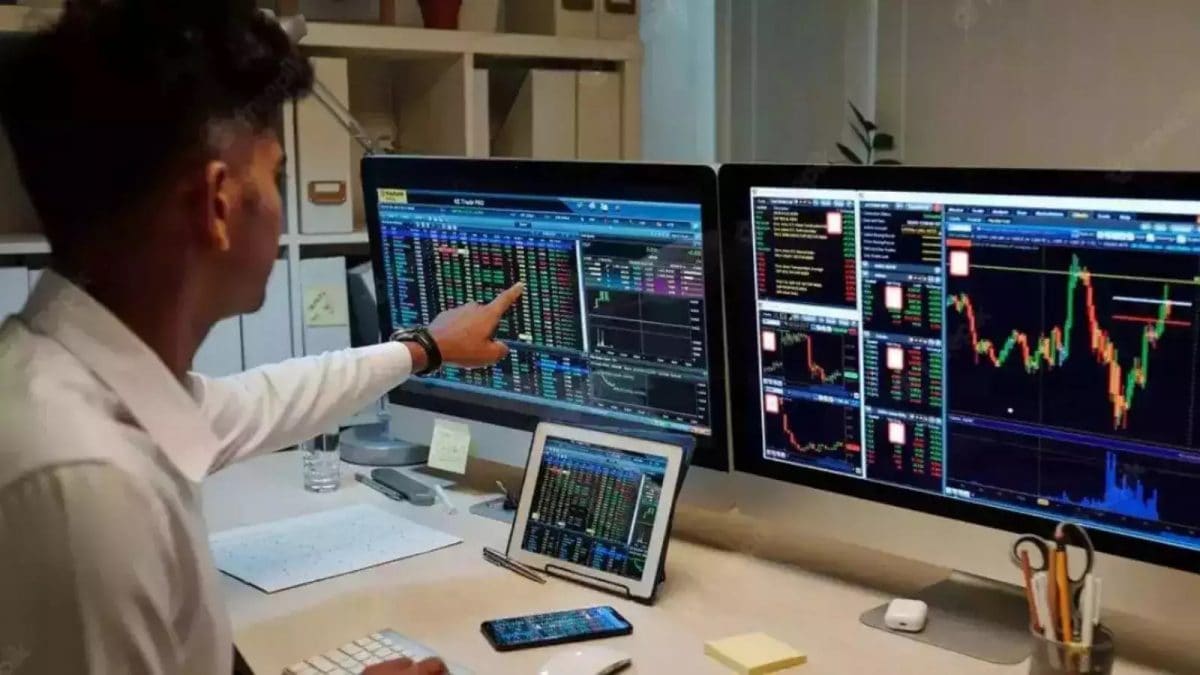
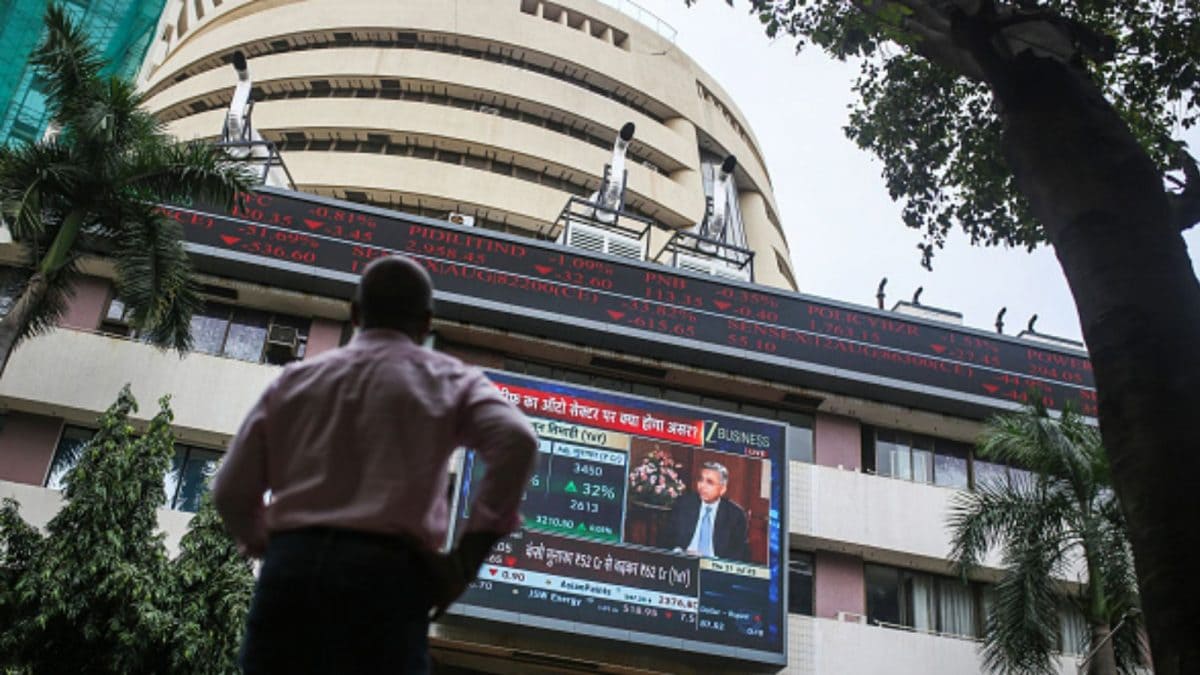
Indian Stock Markets Open Lower Amid Profit Booking; Sensex Slips 380 Points


Mumbai: Indian stock markets opened sharply lower on Tuesday as investors booked profits after the recent rally.
Sentiment weakened further after reports suggested that US President Donald Trump may consider imposing new tariffs on Indian rice, raising fresh worries about unresolved trade issues between Washington and New Delhi.
The Sensex slipped 380 points, or 0.45 per cent, to 84,723 in early trade. The Nifty also moved in the same direction, falling 124 points, or 0.48 per cent, to 25,837.
“On the technical front, the Nifty now holds immediate support in the 25,800–25,850 range, while resistance is seen around 26,100–26,150, where repeated intra-day rejection highlights strong overhead supply,” experts said.
“A decisive breakout above this area will be essential for the index to regain upward momentum, while a sustained move below support may extend the ongoing consolidation,” they added.
The tone in the market remained cautious as major heavyweight stocks came under pressure.
Several blue-chip companies led the decline on the Sensex. Asian Paints, Tech Mahindra, Trent, Eternal, Reliance Industries, TCS, Ultratech Cement, Tata Steel, M&M, Tata Motors PV, HCL Tech, and BEL were among the top laggards, with losses of up to 2.5 per cent.
Only Hindustan Unilever and Bharti Airtel managed to stay in positive territory on the 30-share index.
The weakness was visible across the broader market as well. The Nifty MidCap index dropped 0.64 per cent, while the Nifty SmallCap index was down 0.61 per cent.
Sector-wise, the Nifty IT and Metal indices were among the worst performers, slipping 0.9 per cent and 0.8 per cent, respectively.
The Nifty Auto index also fell 0.8 per cent, while the Realty index declined 0.6 per cent.
Analysts said that the market mood turned cautious as global trade concerns resurfaced, prompting investors to trim their positions and wait for further clarity.



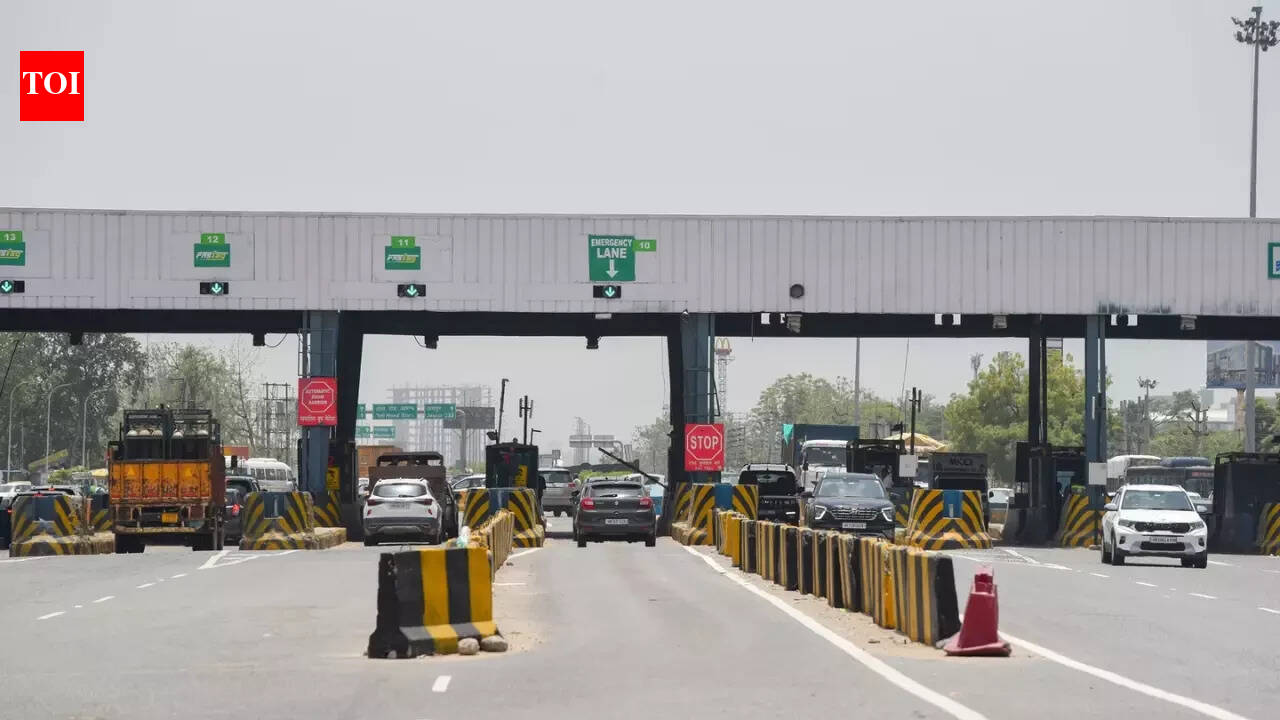
NEW DELHI: Senior executives of some of the highway construction companies told TOI that the increase has started impacting the road construction cost as bitumen and fuel expenses are around 30% of the project cost. “Since the commercial diesel price is revised from time to time, we are worried whether there will be another round of hike in the next fortnight since there is no sign of any end to the Iran-Israel-US war,” said one of the executives.He added that the discount offered prior to the war has been nullified on bitumen which was in the range of Rs 2,000 to Rs 5,000 per tonne.Recently, the National Highway Builders Federation (NHBF) had flagged the issues at a meeting with NHAI. “Sharp escalation in fuel costs is impacting operation of plants at sites…We have no option but to seek govt intervention as the overall cost escalation due to these factors is beyond the normal contractual provisions,” said a representative of NHBF.
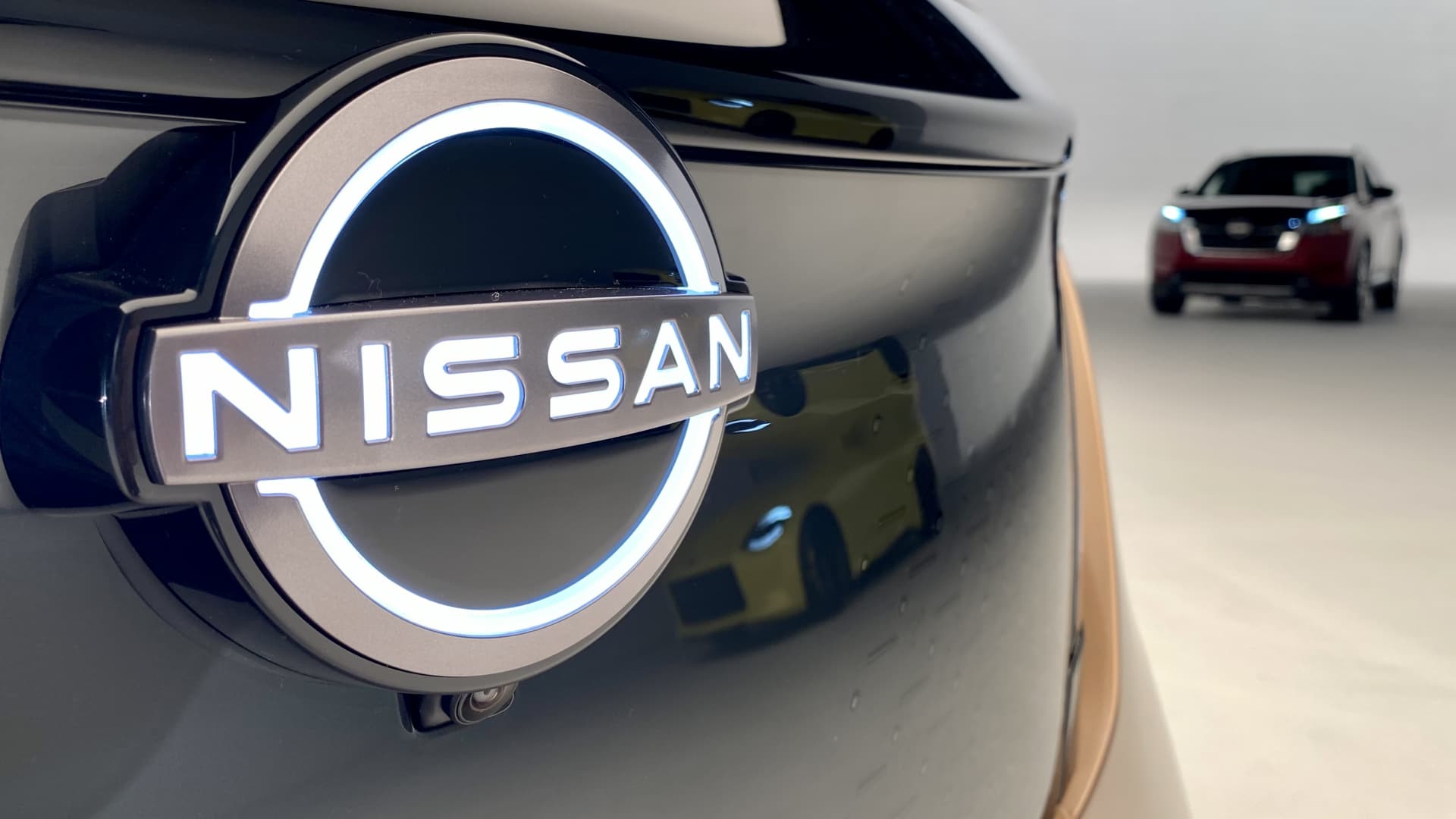
Nissan’s logo is illuminated on a prototype of its new all-electric Ariya crossover. Nissan’s Z Proto performance car is reflected in the vehicle’s grille, while a redesigned Nissan Pathfinder SUV sits in the background.
Michael Wayland / CNBC
Nissan Motor plans to introduce a new type of hybrid to the U.S. market that drives like an all-electric vehicle but is powered — not driven — by a traditional gas-powered engine.
The new Nissan “e-Power” is called a series hybrid. It uses the engine as a generator to power the vehicle’s electric motors that then propel the vehicle. It operates like emerging extended-range electric vehicles, or EREVs, but has a smaller battery and doesn’t require a plug.
It’s also different from a traditional hybrid, such as the Toyota Prius, because the gas engine in those vehicles is used to propel the vehicle. The series hybrid’s engine just keeps the battery charged to power the electric motors in the vehicles.
The e-Power hybrid system for Nissan is planned to launch domestically later this year in a new version of its popular Rogue compact SUV.
Timing for such a vehicle could be ideal for Nissan with climbing gas prices, slower-than-planned adoption of EVs and an expected surge in hybrid sales amid new entries, according to officials.
After losing billions of dollars on EVs, automakers such as Nissan are turning to hybrid vehicles to meet customer expectations for fuel economy and to help with driving performance.
S&P Global Mobility expects hybrids in the U.S. this year to increase to 18.4% of new vehicle sales, up from 12.6% last year and 7.3% in 2023. It’s forecasting pure EVs, meanwhile, will be 7.1% of new vehicle sales, down from 8% last year.
“This is a unique powertrain for the for the U.S.,” Kurt Rosolowsky, Nissan North America vehicle evaluation and test engineer, said during a media briefing. “This is an electrically driven vehicle, as far as what is powering the wheels, but it doesn’t have a plug, and you fill it up with gas like you do with a normal car.”
Series hybrids
Nissan and other automakers have used series hybrids elsewhere, particularly in Asia, but companies have been reluctant to bring the vehicles to the U.S. because of consumer expectations for driving dynamics and power.
To address those concerns, Nissan said it has developed a more powerful 1.5-liter, three-cylinder turbocharged engine specifically for the e-Power system, in addition to new packaging and other upgrades, to appease American buyers.
“The turbo is only there to serve efficiency at higher speeds for the gas engine to deliver energy,” Rosolowsky said.
The e-Power for the U.S. market is Nissan’s third generation of the series hybrid since it debuted in Japan in 2016. Since then, Nissan said it has sold more than 1.6 million vehicles globally with e-Power in nearly 70 countries.
“I think it’s going to be a really good system. I think it’s going to be very popular for Nissan in the new Rogue when it arrives later this year,” said Sam Abuelsamid, vice president of market research at communications and consulting firm Telemetry.
Abuelsamid said the only real drawback to the series hybrid is that it’s less efficient at higher speeds, which Nissan is trying to overcome with the new engine as well as battery size.
Driving e-Power
Driving a European version of the Nissan Rogue Sport sold with the ePower system around suburban Detroit, the vehicle’s driving dynamics — specifically fast acceleration and regenerative braking — are formidable.
They come with the familiar sound of an engine revving but without the shifting or sputtering of transmission gears and far less noise, vibration and harshness, or NVH, as the industry commonly refers to it.
“The driving experience really is what makes it different with those fewer components. You have less noise and less vibration,” Rosolowsky said.
Nissan e-Power logo
Courtesy Nissan
Unlike traditional gas-powered vehicles, the e-Power system also does not require a traditional transmission to shift gears or a driveshaft that transfers torque from the transmission to the differential, powering the wheels.
While the Rogue Sport is a smaller vehicle and only forward-wheel-drive, it’s easy to see how the system will translate to a larger vehicle with all-wheel-drive, which the new Rogue with e-Power will be.
The lack of a plug, some engine noise and slight vibration also might be more familiar for drivers who have been reluctant to adopt all-electric vehicles.
While Nissan is not releasing specifics such as pricing or fuel economy for the upcoming Rogue with e-Power, the Rogue Sport was achieving more than 40 miles per gallon during heavy city driving, according to the vehicle’s MPG system.
The current Nissan Rogue, depending on the model, can achieve more than 30 MPG, according to U.S. Department of Energy and the U.S. Environmental Protection Agency.
Nissan’s vehicles historically been less fuel efficient than those from its larger Japanese rivals. Honda Motor and Toyota Motor, the latter of which pioneered traditional hybrids with the Prius and continues to dominate the sector in the U.S.
Nissan declined to discuss the possibility of expanding the e-Power system to other vehicles in the U.S., but confirmed the new system is modular and capable of working with many different engines.
“If we were to expand this to other vehicles, you can theoretically bolt this onto another gasoline engine of a different size and have more options for an e-Power system,” Rosolowsky said.

A mini burger, mini fries and mini beer, Clinton Hall’s “Teeny Weeny Mini Meal”, is pictured next to a regular-sized combo on Dec. 8, 2025 in New York City. Approximately one in eight American adults are currently taking drugs from the class of GLP-1 agonists that are now popular for weight loss, according to a November poll by the non-profit health policy tracker KFF. Some in the restaurant industry are taking note.
Angela Weiss | AFP | Getty Images
The cost of GLP-1 drugs is falling, and pill versions are hitting the U.S. market. For restaurant chains and snacking giants, higher adoption of weight loss and diabetes treatments poses a threat to their sales — or an opportunity.
GLP-1 drugs slow digestion, suppress users’ appetites and increase satiety. For many restaurants and packaged food manufacturers, those reactions will likely mean weaker sales. Adults who use GLP-1s consume 21% fewer calories and spend nearly a third less on grocery bills on average, according to KPMG. JPMorgan estimates the growing use of the medications could wipe out $30 billion to $55 billion in annual sales for the food and beverage industry as soon as 2030.
About one in every eight U.S. adults is currently taking a GLP-1 drug like Ozempic or Zepbound, according to the KFF Health Tracking Poll conducted from Oct. 27 to Nov. 2. That number doesn’t include consumers who have discontinued their use of the drugs; 18% of respondents said that they have taken a GLP-1 medication at some point.
Those numbers are expected to keep climbing, especially after Novo Nordisk launched its Wegovy pill in January and Eli Lilly prepares to roll out its own oral drug this year. By 2030, more than 30 million Americans could be on a GLP-1 treatment, up from 10 million in 2026, based on J.P. Morgan estimates.
Michael Siluk | UCG | Universal Images Group | Getty Images
But the shift also presents an opportunity for restaurants and food and beverage companies.
With new protein- and fiber-rich options, many businesses are hoping to win over GLP-1 consumers and mollify investors’ concerns about how the treatments will affect their bottom lines.
“Whether it is labeling as GLP-1 friendly, decreasing the serving size, emphasizing protein content, or even when you shift over to the beverage world, because hydration is certainly a concern, there are a number of players that are starting to react to this,” said Don K. Johnson, principal of strategy and execution for EY-Parthenon.
Skipping snacks and breakfast
About half of GLP-1 users report consuming fewer calories while taking the medications, according to UBS Evidence Lab. But the effects aren’t even across the industry, and “certain categories are more impacted than others,” Johnson said.
Snacking, once one of the fastest-growing grocery segments, has taken the biggest hit. About 70% of GLP-1 users who report consuming fewer calories said that they are snacking less, according to a survey conducted by EY-Parthenon last spring.
“I think it is about the specific type of snack, but I do think they’re also snacking less … Having said that, we do see that there is a shift to healthier foods, and that certainly will include healthier snacking,” Johnson said.
Think more yogurt, nuts or fruit, and fewer chips or pretzels.
Since GLP-1 drugs lead patients to lower their caloric intake, every calorie consumed means more. Protein intake is more important to prevent muscle loss. So, too, is fiber to support gut health and digestion. And staying hydrated helps mitigate some of the drugs’ side effects, like nausea and headaches.
The effects of eating less extend to restaurants. About 60% of those respondents to the EY-Parthenon survey said that they are dining out less frequently.
The shift could also hit full-service restaurants where diners order a drink with their meals. Roughly 45% of survey respondents who are eating and drinking less said that they are drinking less alcohol.
Surveys conducted by Bernstein indicate that the frequency of restaurant visits among GLP-1 users can fall by as much as 45%, depending on the category of food and the nature of the occasion, analyst Danilo Gargiulo of Bernstein wrote in a research note published on Tuesday.
The pullback in restaurant visits isn’t spread evenly across times of day, according to Dana Baggett, executive director of restaurant client strategy at RRD, which works with more than 200 restaurant brands.
Lunch, so far, hasn’t been impacted, she said. But breakfast has taken a hit, particularly from high-income GLP-1 users, who represent a bigger percentage of current patients, she said. In practice, that means fewer sugary coffee drinks and doughnuts, although options like Starbucks‘ protein cold foam could encourage those consumers to return.
A commercial for GLP-1 drugs during the Super Bowl LX broadcast on television screens at a bar in Los Angeles, California, US, on Sunday, Feb. 8, 2026.
Jill Connelly | Bloomberg | Getty Images
Dinner, especially at fast-food restaurants, has taken the brunt of the damage so far.
Dinner traffic has fallen 6% among consumers who have been taking the medication regularly, according to Baggett; in other words, overall restaurant sales during dinner hours have declined about 0.4% due to GLP-1 use, she said. But as the number of consumers who use the drug consistently grows, so too will the pressure on restaurant traffic.
And snacking isn’t confined to grocery store aisles. For limited-service restaurants, like McDonald’s or Taco Bell, snacking accounts for 12% of spending, according to Bank of America Global Research.
Even so, threats to those large restaurants chains may only be gradual, which gives them time to adapt.
“I think there shouldn’t be this panic out there in the marketplace, but this is a trend that’s not going away,” Baggett said. “This is an amazing opportunity for brands to start repositioning themselves and focusing on what consumers want: less sugar, higher protein and that focus on fiber.”
How Big Food is evolving
If recent earnings conference calls are any example, restaurant and food executives also think that it isn’t time to panic just yet. For some companies, the trend offers a chance to reach new customers through healthier options.
“I think there are more opportunities than threats, but there are both,” PepsiCo CEO Ramon Laguarta told Wall Street analysts on the company’s earnings conference call in early February.
In recent months, Pepsi has released protein-packed Doritos, relaunched Gatorade and unveiled fiber-rich varieties of SunChips and Smartfood popcorn. Those moves are part of the company’s broader strategy to modernize its portfolio and boost sales by appealing to health-conscious consumers, but they also align with Laguarta’s assumption that GLP-1 medications will be adopted more broadly.
Domino’s Pizza CEO Russell Weiner sounded unshaken when he told analysts last month that the pizza chain hasn’t seen GLP-1 drugs affect its sales yet.
“Dinner, for us, is a sharing occasion, so perhaps that’s why we’re not seeing any impact, but we’re going to continue to watch it,” he said. “But if there needs to be menu innovation around that, we will do that.”
RRD’s Baggett told CNBC that she thinks portions and snack sizing will be key for restaurants to attract consumers who are on GLP-1 treatments.
When asked about the drugs on McDonald’s earnings conference call last month, CEO Chris Kempczinski touted the burger chain’s existing protein options. But he added that the preferences of GLP-1 users are also being considered as the chain creates new menu items.
“We’re also seeing changes around maybe less snacking, changes in some of the beverages that they drink, less sugary drinks, and so all of those things are factoring into some of what we’re out there experimenting with and testing with,” he said.
Other restaurant chains have already launched options that appeal to diners on GLP-1 drugs, even if the medications weren’t the key impetus. For example, Chipotle launched grab-and-go protein cups in December, aiming to cash in on the protein and snacking crazes as its restaurant sales struggled.
And Olive Garden, owned by Darden Restaurants, released a Lighter Portions menu last year, downsizing a handful of its classic entrees at a lower price. Darden CEO Rick Cardenas said that the chain introduced the new menu to give all of its customers more options.
“It just so happens to benefit the consumers that might want smaller portions that are on GLP-1 medications, and we have a lot of options like that in all of our menus,” Cardenas said on the company’s earnings conference call in December.
Marketing to GLP-1 users
Other companies have explicitly appealed to GLP-1 users, particularly when it comes to innovation.
In 2024, Nestle led the pack when it launched Virtual Pursuit, a frozen-food brand targeting GLP-1 users. While the packaging initially didn’t call out that it was “GLP-1 friendly,” the food company updated it later to include it prominently, boosting sales.
“It’s a big initiative for Nestle,” Nestle USA CEO Marty Thompson told CNBC at a media event earlier in March. “There will be those things that are designed for GLP-1, and there will be those things that will be sort of a companion to GLP-1, clearly calling out protein and fiber, but not necessarily designed portion-size wise or whatever for GLP-1.”
Nestle’s focus will extend beyond food, too. Thompson said that the company plans to expand into beverages and listed protein shakes as one potential way to appeal to GLP-1 customers.
Even food companies without much exposure to GLP-1 users are broadening their portfolios to reach them.
Close-up view of Dippin’ Dots ice cream cup in a person’s hand, Santa Cruz, California, June 22, 2024.
Smith Collection | Gado | Archive Photos | Getty Images
For example, Dippin’ Dots and Icee owner J&J Snack Foods makes most of its sales in stadiums, theme parks and malls. Because of its “experiential” focus, CEO Dan Fachner told CNBC that he thinks that J&J is more insulated from the effect of GLP-1 drugs compared with its snacking peers.
“I still think that in most cases, even people on GLP-1 drugs will still use those occasions for snacking,” he said.
Even still, more than a year ago, Fachner presented employees with a challenge for the company’s grocery business, which accounts for 13.5% of annual sales.
“Take the core products — pretzels and churros and Icees and Dippin’ Dots and frozen novelties — tell me how we can make them more GLP-1 friendly as it continues to grow,” he said.
This year, J&J has a number of new products hitting the freezer aisle. Protein has been added to its soft pretzels, now available in a smaller portion size. And Luigi’s Italian Ice, traditionally sold in a cup, will come in a “mini pop size,” with a formula that includes more antioxidants or helps hydration, according to Fachner. If the new products succeed in grocery stores, then J&J plans to take them to the company’s food service customers, as well.
J&J’s new products also have the benefit of appealing to a wider audience than just consumers who are on GLP-1 medication. For example, Fachner expects the new Luigi’s mini pops will appeal to health-conscious moms as a snack for their kids.
Uptake could change strategies
For restaurants and food suppliers, current data on the eating and drinking habits of GLP-1 users are informing their efforts to appeal to those consumers. But that behavior can still fluctuate.
About 5% of users lapse in taking the medications, due to cost, side effects or hitting their weight goal. After quitting, they tend to maintain the same eating habits for a couple of months before eventually returning to a higher caloric intake.
“I think that we don’t spend enough time talking about the fact that there may be sort of a cycle of behaviors — people going on and off of the drugs — that will have sort of an interesting impact on manufacturers of food because there’s no ‘before’ and ‘after,'” EY’s Johnson said. “It’s a process.”
And a whole new group of consumers could soon be taking daily pill versions of GLP-1 medications. It’s too soon to tell if oral GLP-1 drugs will result in more consistent usage or higher quit rates and to know who exactly is trying the pill version over the injectable.
“I don’t have a crystal ball, but my guess is from our survey that the folks using the oral version of the drug will be a new set of people, because one of the barriers to trial was — as can be expected — a lot of people don’t like to take shots of injections,” Johnson said.
There is one prediction that is widely accepted: the pill version will mean much higher adoption of GLP-1 drugs.


Trump warns of replacing TSA with ICE agents amid funding deadlock

Cynthia Erivo steps in after fan heatedly knocked down at show

Giants’ Cam Skattebo issues apology for ‘lapse in judgment’ after downplaying CTE, asthma

-
 Business1 week ago
US issues 30-day waiver for Russian oil shipments stranded at sea | The Express Tribune
-

 Fashion1 week ago
Chinese firm to invest $15.34 million in garment factory at BEPZA
-

 Tech1 week ago
Tips and Advice for Buying Used or Refurbished Electronics
-
 Fashion1 week ago
US unemployment rate 4.4% in Feb 2026, LFPR 62%: BLS
-

 Sports1 week ago
Bilas’ All-America teams: My top 20 men’s college basketball players of 2025-26
-
 Business1 week ago
Oil holds above $100 as tensions escalates between Iran, US and Israel – SUCH TV
-
 Business1 week ago
UAE savings strategies 2026 explained: Best apps, tools, budget rules and smart money hacks to beat rising cost of living in emirates – The Times of India
-

 Entertainment6 days ago
Strategic oil stocks to be released ‘immediately’ in Asia and Oceania: IEA