

Fashion
Kashmir Box evolves into ‘House of Brands,’ eyes global retail expansion


Published
November 20, 2025
Kashmiri heritage fashion and lifestyle retailer Kashmir Box has announced a shift in its business strategy and will evolve into a global ‘House of Brands,’ fuelled by an investment round and FDI (Foreign Direct Investment).
“Our expansion is not just about geography; it is about value creation,” said Kashmir Box’s co-founder and CEO Moheet Mehraj in a press release. “The gradual transition to a House of Brands began in 2019. We are building deeper equity in specific categories. We have proven that an impact-driven model can be financially robust, achieving 4x growth while staying profitable. With the influx of this strategic funding, we are now ready to take this blueprint to the world.”
The business will put its recent investment funds towards expanding its physical retail footprint across the world to connect global shoppers with Kashmiri heritage. In its House of Brands model, Kashmir Box will serve as a parent entity and manage a curated portfolio of brands which celebrate Kashmir’s cultural and aesthetic traditions.
The business will pursue strategic online and offline retail partnerships in India and the Middle East before foraying into new international markets. A flagship store in Delhi NCR is set to launch soon and Kashmir Box plans to open first international retail boutique in the UAE by June, 2026.
“Kashmir Box is proving that heritage, when paired with innovation and design excellence, can fuel a global luxury movement,” said BeyondSeed’s co-founder and CEO Kuldeep Mirani. “Their House of Brands model unlocks unprecedented value for artisans and consumers alike, and BeyondSeed is proud to support this next phase of global expansion.”
Copyright © 2025 FashionNetwork.com All rights reserved.












The move comes as the US textile industry continues to face structural challenges stemming from trade agreements and tariff imbalances over the past two decades. These factors have contributed to a broader decline in domestic manufacturing, including textiles, the USDA said in a press release.
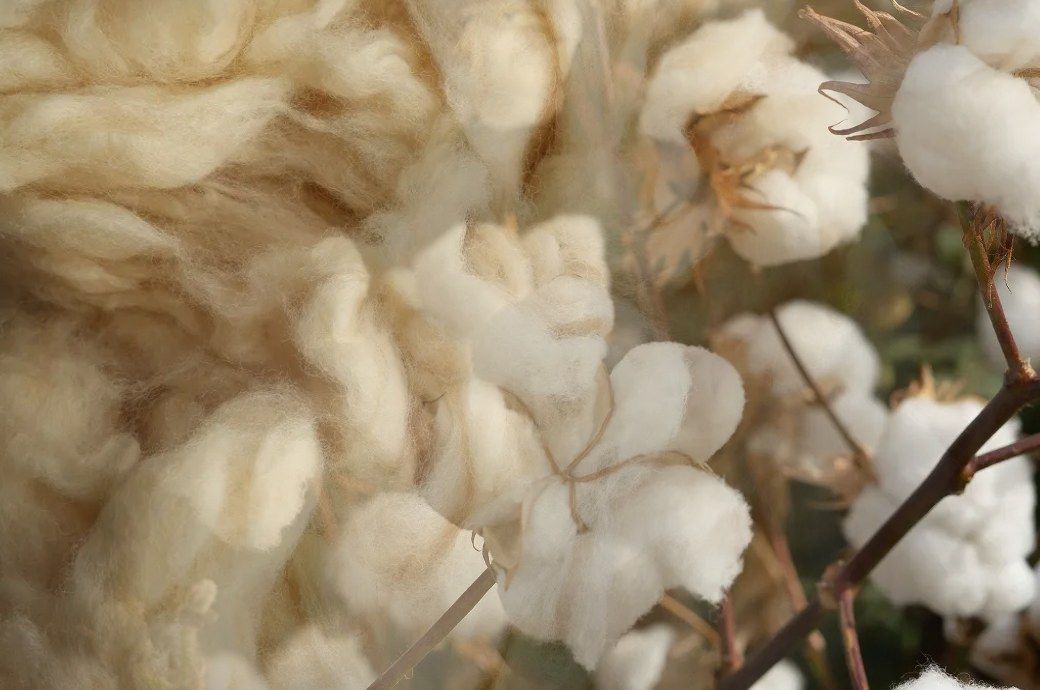
USDA has announced 2026 payments under the Pima Cotton and Wool Trust Funds to support domestic textile manufacturers.
The schemes aim to offset tariff inversion impacts and boost competitiveness.
Backed by the 2014 Farm Bill, the programmes provide financial relief to cotton and wool producers, encouraging domestic production and industry revival.
A key concern highlighted is tariff inversion, where duties on imported fabrics exceed those on finished apparel, incentivising offshore production. The trust fund payments are designed to offset this imbalance by providing financial support equivalent to the benefits manufacturers would receive under more favourable tariff conditions.
“US textile companies produce world-renowned quality products and employ a highly skilled workforce,” said Stephen A Vaden, deputy secretary of Agriculture. “These payments strengthen our domestic manufacturers and ensure a fair playing field for American textiles, helping rebuild this important industry. More American companies should take advantage of this program and manufacture more of the clothing we all wear here in the USA.”
The Pima Cotton Trust, established under section 12314 of the 2014 Farm Bill, is funded through 2031 with $16 million annually from the Commodity Credit Corporation (CCC). It aims to mitigate economic injury caused by higher tariffs on cotton fabric compared with certain cotton apparel imports.
Under the programme, 25 per cent of funds are allocated to associations promoting Pima cotton, another 25 per cent to US yarn spinners producing ring-spun cotton yarn, and the remaining 50 per cent to domestic manufacturers that cut and sew cotton shirts using imported fabric.
Similarly, the Wool Trust, created under Section 12315 of the 2014 Farm Bill, is funded through 2031 with up to $30 million annually. It supports manufacturers affected by tariff disparities in wool products.
The Wool Trust provides payments to worsted wool fabric producers, enables monetisation of tariff-rate quotas, offers duty compensation for wool inputs, and refunds duties on selected wool imports.
Applications for the Pima Cotton Trust close on March 15 each year, while the deadline for the Wool Trust is March 1. Payments are mandated to be made by April 15.
Fibre2Fashion News Desk (SG)
The growth rate was 1.1 per cent points higher than that recorded in the fourth quarter of 2025, indicating improved momentum in industrial activity. On a month-on-month (MoM) basis, industrial output increased by 0.28 per cent in March.
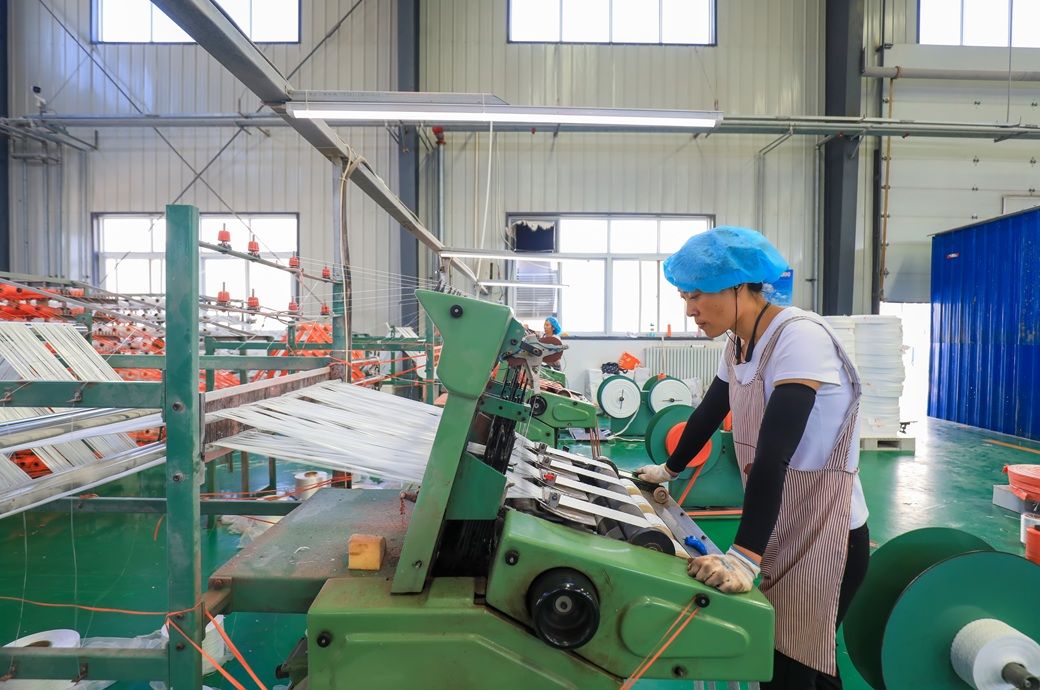
China’s industrial output grew 6.1 per cent year on year (YoY) in Q1 2026, accelerating from the previous quarter.
Growth was driven by manufacturing and mining, while utilities posted moderate gains.
On a monthly basis, output rose 0.28 per cent in March, signalling stable industrial momentum.
The data reflects resilience in large-scale enterprises, supported by improving demand conditions.
Industrial output, a key economic indicator, measures the activity of large enterprises with an annual main business turnover of at least ¥20 million (~$2.91 million).
Sector-wise, the mining industry’s value-added output increased by 6 per cent year on year (YoY) during the quarter, while the manufacturing sector registered a stronger growth of 6.4 per cent. Meanwhile, the production and supply of electricity, heat, gas, and water rose by 4.3 per cent, said Chinese media reports.
Fibre2Fashion News Desk (JP)
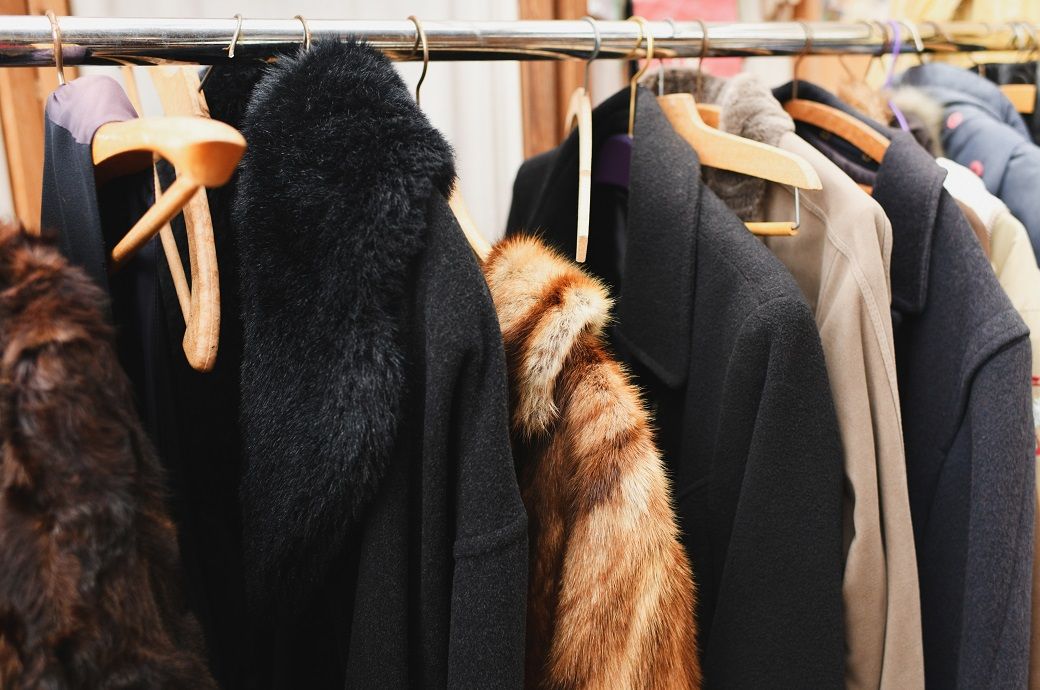
Italy’s apparel exports declined **.** per cent year on year to $*,***.** million in January ****, down from $*,***.** million in January ****. Imports also fell **.** per cent to $***.** million, compared to $*,***.** million a year earlier, indicating a broad-based slowdown in trade flows at the start of the year, according to *fashion.com/market-intelligence/texpro-textile-and-apparel/” target=”_blank”>sourcing intelligence tool TexPro.
The January contraction comes amid a broader environment of cautious retail demand and tighter inventory management across Europe. Nevertheless, the strong full-year **** figures indicate that Italy’s apparel sector continues to maintain stable trade fundamentals, supported by diversified export markets and a balanced sourcing network.


Sources: NWSL expected to vote on calendar shift this month

Christina Applegate admitted to hospital amid MS battle: Report

Oil prices fall again amid Middle East ceasefire hopes

-

 Tech1 week ago
Azure customers up in arms over ‘full’ UK South region | Computer Weekly
-

 Tech1 week ago
As the Strait of Hormuz Reopens, Global Shipping Will Take Months to Recover
-

 Tech1 week ago
This AI Button Wearable From Ex-Apple Engineers Looks Like an iPod Shuffle
-
Uncategorized1 week ago
[CinePlex360] Please moderate: “Trump considers
-

 Politics7 days ago
Indian airlines hit hardest after Dubai limits foreign flights until May 31
-

 Entertainment4 days ago
Palace left in shock as Prince William cancels grand ceremony
-

 Politics7 days ago
Chinese, Taiwanese will unite, Xi tells Taiwan opposition leader
-

 Entertainment6 days ago
Dua Lipa hits major career high ahead of wedding with Callum Turner