

Fashion
Munich Fabric Start puts emotional materiality centre stage with ‘Pleasure’ as its guiding theme

Published
January 15, 2026
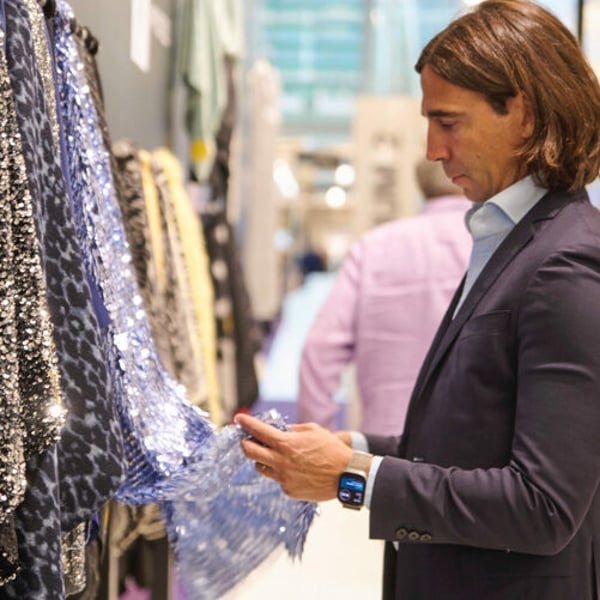
Munich Fabric Start (MFS) is gearing up for its January 27–29 edition. Designers, product managers, and buyers will be able to explore around 1,000 spring/ summer 2027 collections from international fabric and trim manufacturers at the MOC Munich.
With the lead theme of “Pleasure,” the trade show’s organisers aim to spotlight “attitude, sensuality, and emotional materiality” over the three days of the fair. The lead theme frames fashion as an emotional space, an expression of attitude and cultural reflection. Colours, surfaces and materials become conduits for self-confidence and joie de vivre.
“After seasons of restraint, spring/ summer ’27 marks a deliberate counter-design: optimism, sensuality, and creative freedom take the place of pragmatism and neutrality. Physical presence and individuality are regaining importance- as a response to uncertainty, exhaustion and algorithmic predictability,” according to MFS.
“Efficiency and pragmatism are shaping current market developments. And these are not easy times for us as trade fair organisers either. We are countering this with a clearly structured trade fair and a strong positioning as a key source of inspiration, an interactive business forum, and a platform bringing together textile expertise. In terms of fashion and trends, we are heralding a change of perspective: optimism instead of restraint. Self-confidence instead of uncertainty,” adds managing director Florian Klinder.
With the integrated shows Bluezone, Keyhouse, and The Source, the trade fair brings together all relevant fashion segments: high-quality fabrics and trims, international denim expertise, and forward-looking innovations along the entire textile value chain. International reach, collaboration, and sustainability remain central themes.

The consolidation of the trade fair segments at the MOC has proven successful. The trade fair with its eight areas will once again be held under one roof.
Bluezone and Keyhouse with “Sustainable Innovations” will once again be anchored in the high-footfall area of Hall 2 at the upcoming event- directly connected to the Fabrics and Additionals areas.
The Design Studios in Hall 4 are now positioned even more centrally. And the sustainable sourcing area Resource is also set to have a stronger presence, located directly next to The Source in Hall 1.
To provide buyers and designers with a holistic overview, the Bluezone denim trends will be integrated directly into the trend worlds built around the lead theme in the MOC foyer. This new form of presentation reflects market developments in which denim and classic fashion segments are increasingly merging within collections.

The exhibitors will once again include well-known names from the fabric and textile industry, including the Albini Group, Kiki Fashion, Calik, Lanificio di Tollegno, Bornemann Etiketten, Manteco, Pontetorto, Riopele, Thermore, Bureaux Bo, Can Tekstil, and Troficolor Denim Makers.
As usual, a supporting programme of keynotes, panel discussions, and trend presentations will round off the trade fair offering. Current industry topics will be discussed and contextualised on the “Stage” with Peclers Paris, David Shah, O/M Collective, Olivia Does Design, and Monsieur-T, among others. The curator of Sustainable Innovations, Simon Angel, will offer in-depth sessions on future-oriented, sustainable material solutions.
This article is an automatic translation.
Click here to read the original article.
Copyright © 2026 FashionNetwork.com All rights reserved.










The decision was taken during a meeting of the council of ministers that was chaired by the Transitional President Captain Ibrahim Traore.
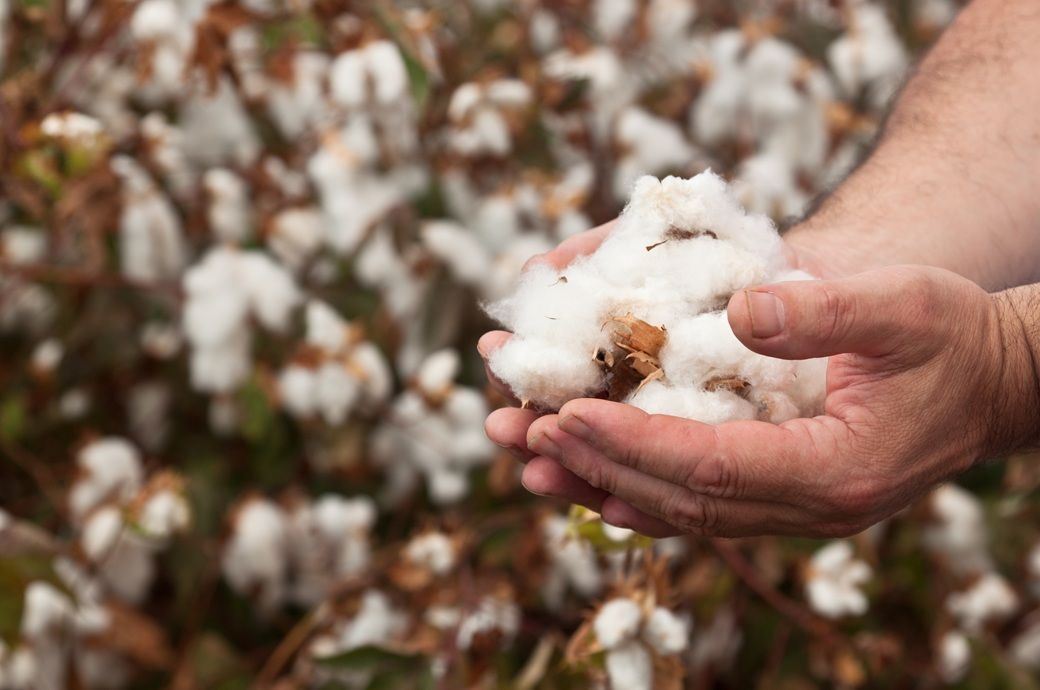
Burkina Faso has announced the full nationalisation of Burkinabe Company of Textile Fibres (Sofitex), citing rising debt, declining production and inefficiencies.
Sofitex was a mixed-ownership firm, in which the state held a majority stake.
Full state ownership is expected to lead to tighter financial discipline, improved governance and a restructuring of operations to boost efficiency.
Sofitex was a mixed-ownership cotton company, in which the state held a controlling majority stake and private investors owned a minority share valued at about 75 billion CFA francs.
A 2025 valuation cited by the government places Sofitex’s total worth at 338.14 billion CFA francs (~$607 million), with the private stake valued at just over 75 billion CFA francs for 976,400 shares.
The company’s cotton production fell by 24-26 per cent to under 300,000 metric tonnes in the 2024-2025 season.
Full state ownership is expected to lead to tighter financial discipline, improved governance and a restructuring of operations to boost efficiency, according to a domestic media outlet.
Fibre2Fashion News Desk (DS)

Markham joins from Whistles, where she served as Creative Director. She was previously Global Design Director at Topshop and Design Director at ASOS. She succeeds Queralt Ferrer who steps down after four years with the Partnership.
John Lewis has appointed Jacqui Markham as fashion creative director, overseeing own-brand womenswear, menswear and childrenswear.
She joins from Whistles and succeeds Queralt Ferrer.
The move strengthens investment in design, quality and relevance, alongside digital growth, Oxford Street refurbishments, exclusive collaborations and an expanded line-up of global fashion brands.
The appointment marks the next phase in John Lewis developing its own brand fashion, with clear creative direction and continued investment behind it.
Markham brings a strong track record of building distinctive, successful collections with a focus on design, quality and relevance for customers.
Her appointment comes alongside John Lewis’s continued investment in fashion, including upgrades to shops and digital, and the recent refurbishment of womenswear and menswear at the Oxford Street flagship store.
This month also sees the launch of the second John Lewis x Rejina Pyo collaboration, and a new 15-piece exclusive capsule collection from Amanda Wakeley. These will complement the expanded line-up of new brands including Samsoe Samsoe, MOTHER, St Agni, Patagonia, Belstaff, Missoma and Completedworks.
Rachel Morgans, John Lewis Director of Fashion, said: “I look forward to welcoming Jacqui to John Lewis at a defining moment for our fashion business. She brings a wealth of expertise and a proven ability to create exceptional design and will support our future creative vision.”
Jacqui Markham commented: “I am very excited to join the Partnership and to work together with all the teams toward a shared vision for the future of John Lewis. It feels like a seminal moment in the long history of the Partnership, and I cannot wait to get started to help shape that vision and bring our collective ideas to light.”
Note: The headline, insights, and image of this press release may have been refined by the Fibre2Fashion staff; the rest of the content remains unchanged.
Fibre2Fashion News Desk (RM)

While exporters are now allowed to import raw materials from abroad on an FOC basis under a recent policy change, such a provision does not exist for sourcing the same materials locally, industry leaders said.
Bangladesh RMG players have urged the government to remove restrictions on sourcing raw materials free of cost (FOC) from local suppliers.
Industry leaders said allowing FOC sourcing from domestic suppliers would boost local sales, strengthen backward linkage industries and raise overall value addition in the export-oriented sector.
Many local suppliers can provide inputs now against global orders.
They feel allowing FOC sourcing from domestic suppliers would boost local sales, strengthen backward linkage industries and raise overall value addition in the export-oriented RMG sector.
In a letter sent recently to the National Board of Revenue (NBR), the Bangladesh Knitwear Manufacturers and Exporters Association (BKMEA) called for removing policy barriers and providing clarity on the issue, according to a domestic media outlet.
Many local suppliers are now capable of providing inputs against international buyers’ orders. In some cases, foreign buyers or their nominated agents are willing to supply materials free of cost through local vendors for use in export production.
However, the absence of clear policy guidelines on whether such transactions qualify as ‘deemed exports’ has created uncertainty, preventing manufacturers from using locally sourced FOC inputs.
Allowing exporters to use locally-sourced inputs under a cutting, making and trimming (CMT) model would further streamline production, BKMEA said.
Fibre2Fashion News Desk (DS)


Burkina Faso fully nationalises leading cotton firm Sofitex

High-Skilled Immigration: US tightens screws on high-skilled immigration: Denial rates surge across key visa categories – The Times of India

Marcus Smart’s breakout game helps Lakers go up 2-0 on Rockets

-

 Fashion6 days ago
France’s LVMH Q1 revenue falls 6%, shows resilience amid Iran war
-

 Sports1 week ago
The case for Man United’s Fernandes as Premier League’s best
-
 Business1 week ago
UK could adopt EU single market rules under new legislation
-

 Entertainment7 days ago
Is Claude down? Here’s why users are seeing errors
-
 Business1 week ago
Delta Air Lines unveils first new Delta One suite in premium cabin arms race
-

 Fashion1 week ago
Asia claims largest share of markets on Kearney FDI Confidence Index
-

 Sports7 days ago
PSL 11: Peshawar Zalmi win toss, opt to field first against Quetta Gladiators
-

 Tech7 days ago
The Deepfake Nudes Crisis in Schools Is Much Worse Than You Thought