

Business
Officials say Pakistan has already consumed 80% of its discovered oil reserves – SUCH TV


Pakistan is facing a significant decline in its oil reserves, highlighting the urgent need for new discoveries to ensure the country’s energy security and economic stability.
According to the Auditor General of Pakistan, the nation has recorded a total of 1,234 million barrels of discovered oil reserves, of which 80 percent has already been consumed.
Provincial data indicates that Khyber Pakhtunkhwa has 94.24 million barrels, Sindh 78.98 million barrels, Punjab 74.23 million barrels, while Balochistan holds only 1.6 million barrels of discovered oil reserves remaining.
Pakistan’s current production capacity stands at 60,000 barrels per day, which experts believe could be significantly increased with new discoveries.
The Special Investment Facilitation Council (SIFC) is actively working to attract international exploration companies to accelerate efforts in identifying new oil reserves in the country.
Despite the depletion of discovered reserves, the U.S. Energy Information Administration estimates that Pakistan still possesses around 9.1 billion barrels of untapped oil resources.
However, the country’s energy demand is projected to grow from 2.23 billion barrels in 2030 to 3.35 billion barrels, increasing the urgency for exploration.
Officials say that tapping new reserves with international assistance could be a game-changer for Pakistan’s economy, ensuring long-term energy security and reducing reliance on imports.
Earlier, the Oil & Gas Development Company Limited (OGDCL) had announced a new oil discovery at the Chakrun-1 exploratory well in Chakar–one, Oil Field in Tando Allah Yar, Sindh.
According to OGDCL official statement, the discovery was made under the Tando Allah Yar Exploration License, with OGDCL holding a 95% operating interest and Government Holdings (Private) Limited (GHPL) as a 5% carried-interest partner.
Drilling at the Chakar–one well began on June 2, 2025, and reached a total depth of 1,926 meters into the Upper Shale of the Lower Goru Formation, according to the OGDCL statement.
Following wireline log interpretation and Reservoir Evaluation Services (RES) data analysis, a Drill Stem Test (DST) was conducted in the B-Sand formation, with further testing using an Electrical Submersible Pump (ESP).
The well demonstrated a flow rate of 275 barrels of oil per day (BOPD) through a 32/64-inch choke at a wellhead flowing pressure of 400 psi.




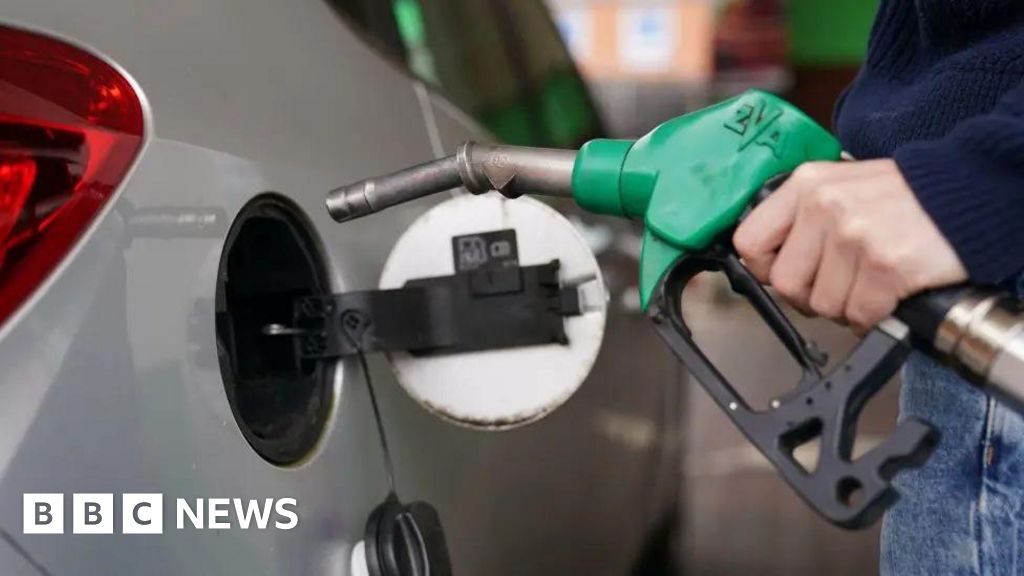
UK inflation lifted to its highest since December after a sharp jump in diesel and petrol prices caused by the conflict in the Middle East, according to official figures.
Chancellor Rachel Reeves said the Iran crisis was “not our war, but it is pushing up bills for families and businesses” as a result.
The rate of Consumer Prices Index (CPI) inflation increased to 3.3% in March from 3% in February, the Office for National Statistics said.
The increase was in line with predictions from economists.
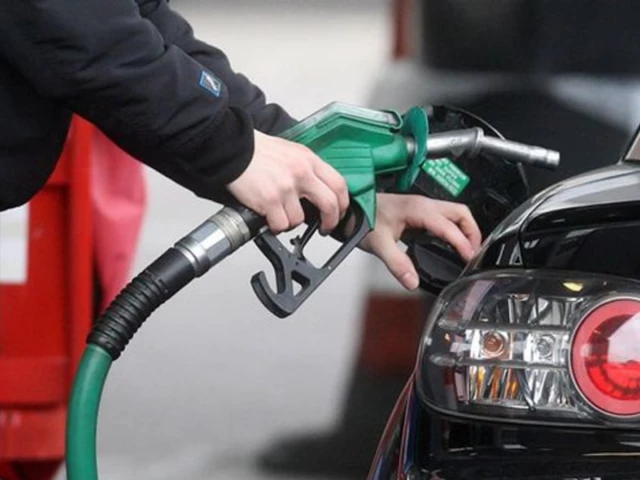
Higher motor fuel was the main driver of the acceleration in inflation, increasing by 8.7% month-on-month – the largest increase since June 2022, shortly after the Russian invasion of Ukraine.
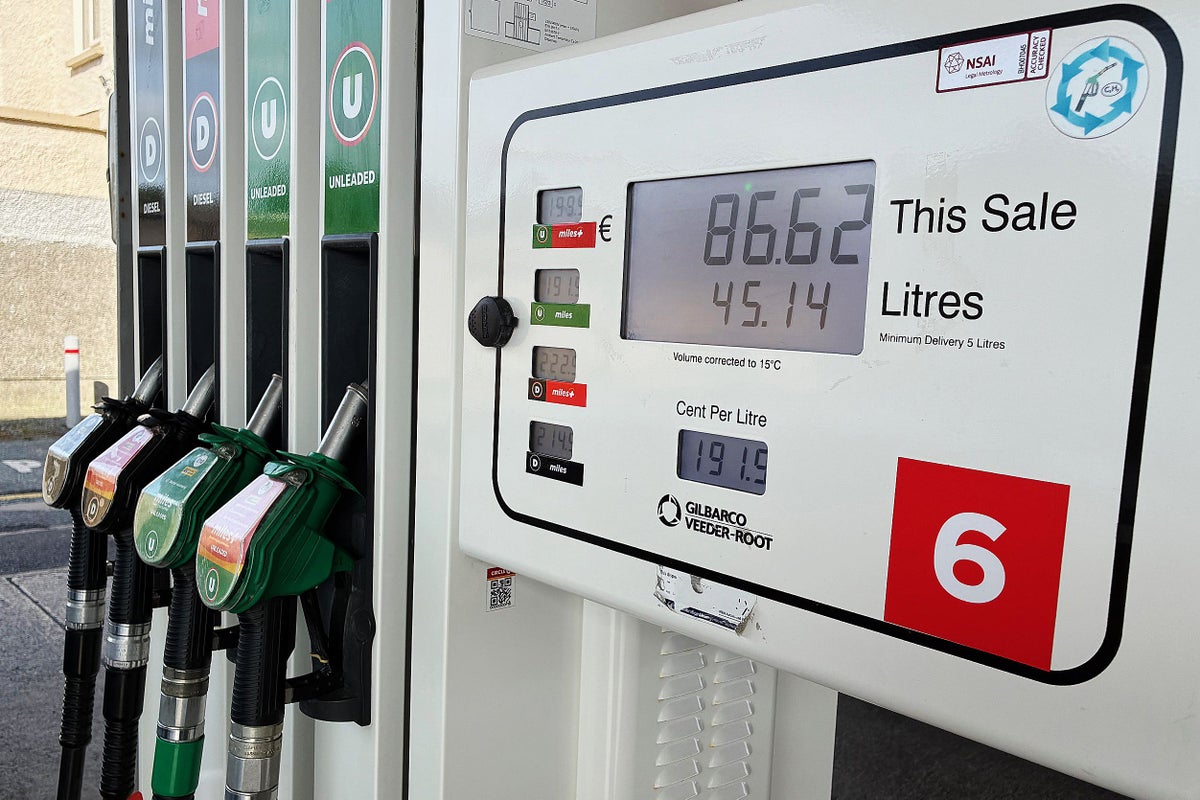
The ONS found that the average price of petrol rose by 8.6p per litre between February and March to 140.2p per litre. This marked the highest price since August 2024.
Diesel prices meanwhile increased by 17.6p per litre in March to an average of 158.7p per litre, the highest price since November 2023.
Office for National Statistics chief economist Grant Fitzner said: “Inflation climbed in March, largely due to increased fuel prices, which saw their largest increase for over three years.
“Air fares were another upward driver this month, alongside rising food prices.
“The only significant offset came from clothing costs, where prices rose by less than this time last year.”
The data revealed that the cost of air travel also increased significantly, with inflation of 14.5% compared with the same month last year.
The rise in air fares, which analysts have partly linked to the early timing of the Easter holidays, was the highest since July last year.
Meanwhile, food and non-alcoholic drink prices were up 3.7% year-on-year in March, accelerating from 3.3% inflation in the previous month.
This included another acceleration in the price of sweets and chocolates, which were up 10.6% year-on-year.
Elsewhere, clothing and footwear had a downward pressure on inflation, as prices dipped 0.8% for the month.
Sales and discounting activity pulled inflation in the category to its lowest level since March 2021.
The rise in the overall rate of inflation drives the UK further away from the 2% inflation target set by the Government and the Bank of England.
Ms Reeves said: “We’re acting to protect people from unfair price rises if they occur to bring down food prices at the till, and are boosting long-term energy security — building a stronger, more secure economy.”
James Smith, developed markets economist at ING, said: “The latest rise in UK headline CPI tells us virtually nothing about the scale and duration of the inflation wave to come.
“The Bank of England is still flying blind, with the conflict unresolved, but the limited amount of survey data available so far suggests little cause for alarm on inflation.”
Anna Leach, chief economist at the Institute of Directors, said: “As inflation has come in in line with revised expectations, and given yesterday’s labour market data which showed a fall in vacancies and further downward progress in wage growth, interest rates should hold at next week’s MPC (Monetary Policy Committee) meeting.
“But there remains tremendous uncertainty over the outlook for energy supply and prices.”
The Manx treasury says plans are in place to protect essential services in the wake of the Iran war.
Source link

Malaysia-based Karex produces more than five billion condoms a year and supplies global brands like Durex and Trojan.
Source link


Transfer rumors, news: Arsenal ramp up interest in Williams

Bangladesh RMG units call for allowing local FOC raw material sourcing
UK inflation accelerates after Iran war drives sharp rise in fuel prices

-

 Fashion6 days ago
France’s LVMH Q1 revenue falls 6%, shows resilience amid Iran war
-

 Sports1 week ago
The case for Man United’s Fernandes as Premier League’s best
-
 Business1 week ago
UK could adopt EU single market rules under new legislation
-

 Entertainment7 days ago
Is Claude down? Here’s why users are seeing errors
-

 Fashion1 week ago
Energy emerges as biggest cost driver in textile margins
-
 Business1 week ago
Delta Air Lines unveils first new Delta One suite in premium cabin arms race
-
 Fashion1 week ago
Asia claims largest share of markets on Kearney FDI Confidence Index
-

 Tech7 days ago
The Deepfake Nudes Crisis in Schools Is Much Worse Than You Thought