

Business
Pakistan going through an investment emergency’: Report

New Delhi: With exports stagnating and cost of doing business skyrocketing, Pakistan is going through an ‘investment emergency’ amid ad-hocism and a lack of transparency in policy affairs, a new report has revealed. According to the Federation of Pakistan Chambers of Commerce and Industry, the cost of doing business in Pakistan is 34 per cent higher than that of its neighbours and regional states.
“This pushes the entire gamut of the economy on a slippery note as industries, entrepreneurs and start-ups struggle to stay afloat, having been cowed down at the hands of exorbitant energy prices, illogical and lopsided taxation and an uncertain exchange rate,” argues The Express Tribune.
FDIs are on a downturn, and no promising investor is taking Pakistan’s route. Several big-ticket businesses have called it a day, “complaining of a lack of a conducive environment, harassment on the part of taxation officials, pestering political instability and poor law and order,” the report mentions.
Moreover, Pakistani products are uncompetitive in international markets, and the slump in exports is one of the main reasons behind the economy not taking off. Electricity has soared to Rs 56 per unit and oil and gas are being imported at a skyrocketing dollar-rupee parity.
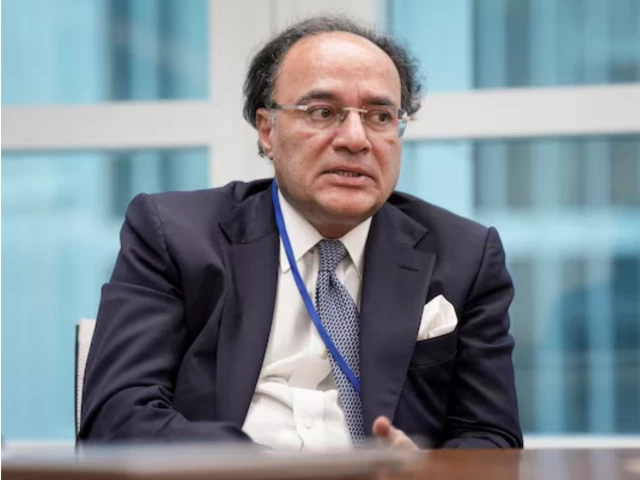
Exports have stagnated since 2022 despite global trade recovery in several sectors. A rescue and rehabilitation strategy is indispensable to save the industry from extinction, said the report. The recent admission by Pakistan Finance Minister Muhammad Aurangzeb that some multinational companies have left the country due to ‘high taxes and energy costs’ has proved that doing business there is becoming extremely difficult for global firms.
In the recent past, apart from big companies like Procter & Gamble, Eli Lilly, Shell, Microsoft, Uber and Yamaha, scores of companies shifted their offices from Pakistan to Gulf countries and other destinations “in the face of excessive taxation”. Telenor Group has also finally exit Pakistan.
Qatar-based Al Thani Group was the latest among a string of foreign companies to pull out of Pakistan because of the economic uncertainty and political turmoil in the country.



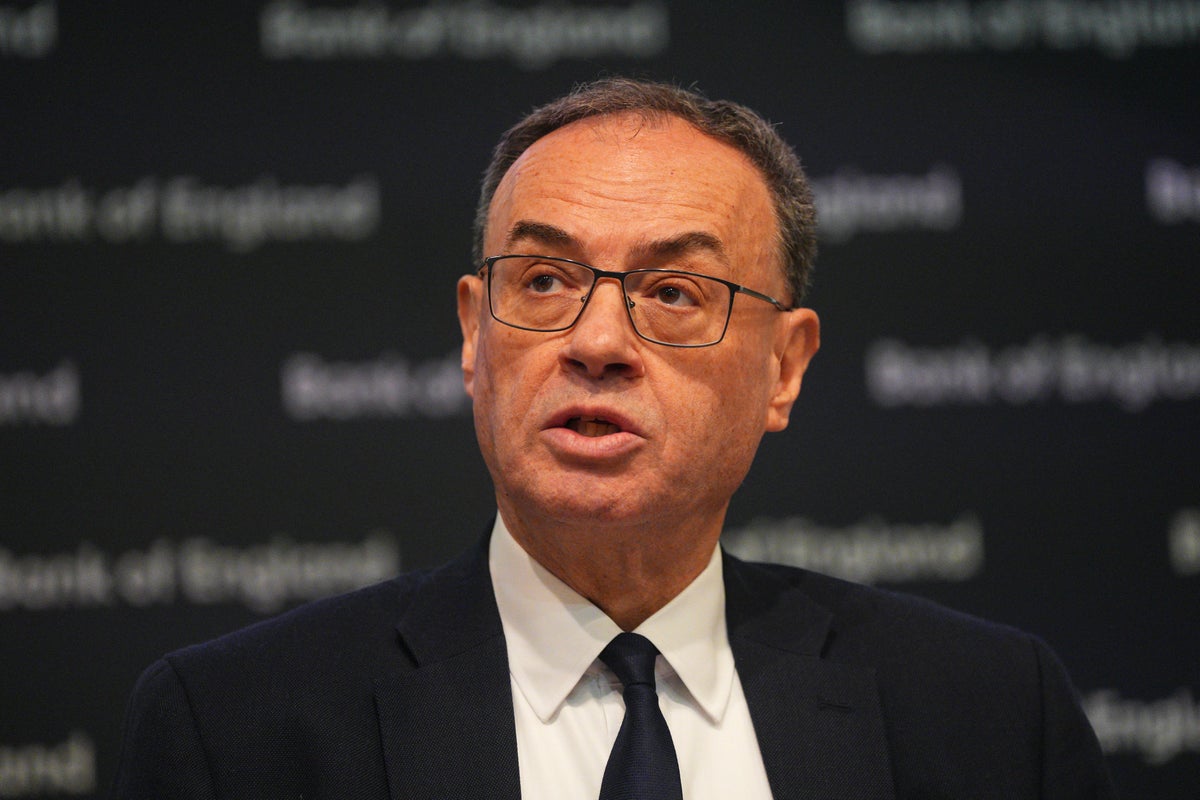
Reopening the Strait of Hormuz is “the best thing to do” to prevent interest rates rising, Bank of England governor Andrew Bailey has said.
In an interview on Thursday evening after the Bank’s Monetary Policy Committee (MPC) voted unanimously to leave the rate unchanged at 3.75%, Mr Bailey said any further cuts are “not on the horizon” as he hinted at possible hikes.
It is the first time that all members have voted the same way since September 2021.
Iran effectively closed the vital oil and gas shipping route after the US and Israel attacked the country, which has pushed up global prices.
Mr Bailey said the war in the Middle East is hitting petrol pumps now, will likely increase household energy costs in summer, and put pressure on food prices.
He told LBC’s Andrew Marr: “The duration of this problem is crucial.
“I would also say very clearly that the best way to solve this situation is not through monetary policy. It is through sorting out at the source of what’s going on.
“Frankly, reopening the Strait of Hormuz is the best thing to do. Get the energy market back on its normal footing, as it were.”
Asked if he has a message for US President Donald Trump, Israeli Prime Minister Benjamin Netanyahu, and “whoever’s in charge in Tehran”, Mr Bailey said: “The best thing we can do actually for the world economy… is to sort out the problem in terms of reopening the energy supply lines, because that is in the best interest of people in the world.”
UK military planners have joined the US Central Command to help formulate proposals for opening the Strait.
The MPC now expects Consumer Prices Index inflation to be around 3% in the second quarter of 2026, up from the 2.1% that had been forecast in February, with a potential rise in inflation up to 3.5% in the third quarter.
Mr Bailey was asked if he foresees, in the final two years of his term, the ambition to reduce inflation to at or below 2% being fulfilled.
He told the programme: “If you’d asked me this question three weeks ago, I was very optimistic on this.”
The governor added: “We are fully committed to the inflation target, and our job, frankly, is to deal with the shocks as they come along.
“I have to do that. I don’t wish them. I wish they were not happening, but they are and we will have to deal with them.”
He said the impact of the war will likely feed through into a higher Ofgem energy price cap from July.
It was put to Mr Bailey that the Middle East crisis comes at a time when the UK economy has already “not been growing strongly”.
He responded: “It is a very difficult time to have this happen, but frankly, any time would be pretty difficult to have this happen.
“This is a major shock to energy prices, and we have to deal with it.”
He said the “sustainable rate of growth” in the UK needs to be raised which could come from investment from pensions and artificial intelligence.
“I’m not starry-eyed about it, but it is probably the most likely area that we’re going to raise the growth rate of the economy and that’s important”, he said of AI.
The MPC signalled that if the conflict persists and has a bigger impact on UK prices, it would need to take a “more restrictive policy stance”, which indicates higher interest rates to control inflation.
The governor added: “The longer it goes on… I’m afraid to say, but it is rather an obvious point, the effect will be larger.”
He said that is why it is “imperative” that “everything is done that can be done to alleviate this effect”, adding: “That is the critical thing.”

new video loaded: The Effects of High Oil Prices
By Ben Casselman, Sutton Raphael, James Surdam, Joey Sendaydiego, Estelle Caswell and June Kim
March 19, 2026
Business
FDA approves higher dose version of weight loss drug Wegovy as Novo Nordisk tries to win back market share

The logo of pharmaceutical company Novo Nordisk is displayed in front of its offices in Bagsvaerd, Copenhagen, Denmark, Feb. 4, 2026.
Tom Little | Reuters
The Food and Drug Administration on Thursday approved a higher-dose version of Novo Nordisk‘s blockbuster weight loss injection Wegovy, as the company pushes to win back market share from chief rival Eli Lilly.
Novo expects to launch the higher, 7.2-milligram dose of Wegovy in April. The Danish drugmaker is positioning that version to better compete with Lilly’s obesity drug Zepbound, which has proven to be more effective at promoting weight loss than the standard, 2.4-milligram dose of Wegovy.
That higher efficacy has helped Zepbound become the preferred obesity medication among prescribers and patients, even though it entered the U.S. market later than Wegovy, and has solidified Lilly’s position as the dominant player in the space.
The high-dose Wegovy helped patients with obesity lose an average 20.7% of their weight after 72 weeks in a phase three trial. The standard dose of Wegovy has shown around 15% weight loss on average in clinical trials.
“I think it really makes it more competitive, and it really reduces the delta there,” Dr. Jason Brett, principal U.S. medical head at Novo Nordisk, said in an interview Thursday ahead of the approval.
“But even more importantly, I think it just gives patients another option if they’re not reaching their targets, and achieving some of these higher weight losses for certain patients,” he added.
In a separate phase three trial on patients with obesity and Type 2 diabetes, high-dose Wegovy demonstrated an average weight loss of 14.1%. People with diabetes typically have a harder time losing weight than people without the condition.
It marks the first approval of a GLP-1 treatment under the FDA’s new national priority voucher plan that aims to cut drug review times to one to two months for companies the agency says are supporting U.S. national health priorities. The FDA launched the pilot plan in June.


Enzo Fernández ‘completely committed’ to Chelsea – Liam Rosenior

What happened to Chuck Norris? Actor rushed to hospital in Hawaii

Lionel Messi scores 900th goal, but Miami bounced from CCC

Stock market crash today (March 12, 2026): Nifty50 opens below 23,600; BSE Sensex down over 900 points on continuing US-Iran war – The Times of India

UK’s Topshop unveils Tolu Coker capsule collection
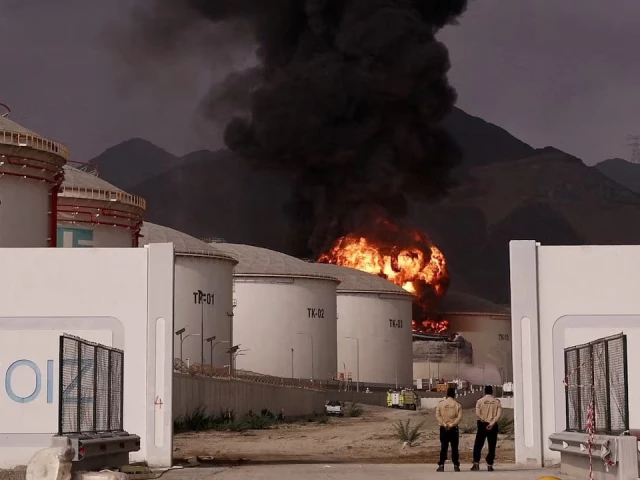
US ignites Iran war, but Gulf Arab states pay the price | The Express Tribune

-
Business1 week ago
Stock market crash today (March 12, 2026): Nifty50 opens below 23,600; BSE Sensex down over 900 points on continuing US-Iran war – The Times of India
-
 Fashion1 week ago
UK’s Topshop unveils Tolu Coker capsule collection
-
Business1 week ago
US ignites Iran war, but Gulf Arab states pay the price | The Express Tribune
-

 Fashion1 week ago
India’s textile recycling market may reach $3.5 bn by 2030: Report
-
 Tech1 week ago
Meta Developed 4 New Chips to Power Its AI and Recommendation Systems
-
 Business1 week ago
8th Pay Commission: How Much Will Central Govt Employees’ Salaries Rise? What We Know So Far
-

 Sports1 week ago
Bangladesh crush Pakistan in ODI series opener | The Express Tribune
-

 Tech1 week ago
Labour scarcity is forcing IT leaders to rethink automation economics | Computer Weekly