

Sports
Pakistan hockey’s long sunset | The Express Tribune

PUBLISHED
March 22, 2026
KARACHI:
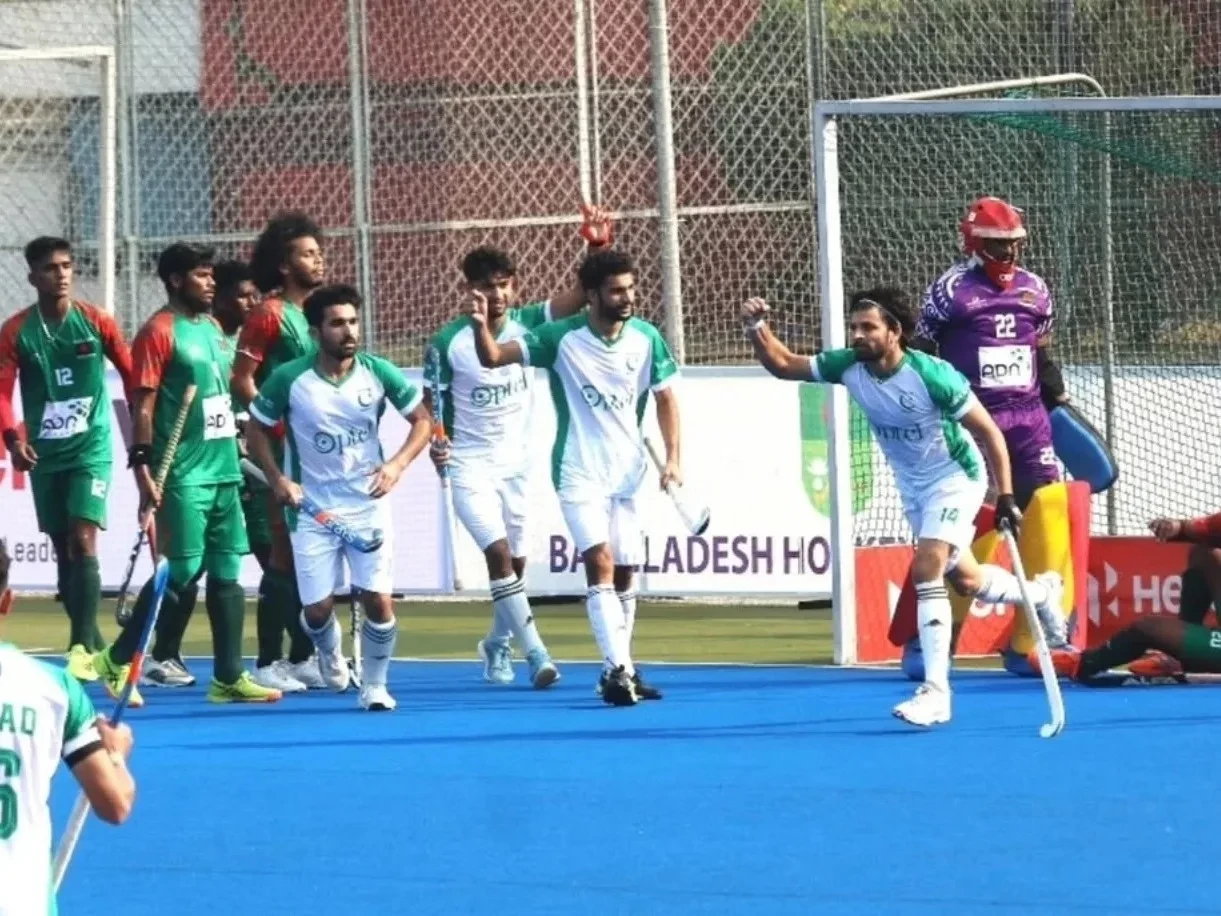
For the national sport of Pakistan, moments of celebration have been rare in recent years. The national team’s qualification for the Hockey World Cup after eight years has provided one such moment, a result that has been welcomed across the hockey community.
Yet even as the team returns to the global stage, the questions surrounding Pakistan hockey have not entirely disappeared.
In many ways, the recent success sits alongside a familiar reality, where moments on the field offer hope, but the structures around the sport continue to struggle.
The latest round surfaced during the national team’s recent tour when reports began circulating that players had been left managing their own accommodation arrangements abroad. Instead of the organised travel and lodging expected for an international side, members of the squad found themselves staying in short-term rentals and taking care of basic tasks themselves while preparing for matches.
“The boys are making their own breakfast in the morning. They are washing their dishes or hours, cleaning their bedrooms and toilets. We hardly have time to rest,” said Pakistan captain Ammad Butt.
For a team representing the country at the international level, the story struck a nerve. Within hours, the accounts spread across social media and the hockey community. Former players expressed disappointment, fans questioned how such a situation could arise, and once again the conversation shifted from performance on the field to the management of the sport.
The response that followed also felt familiar. Officials linked to the arrangements stepped aside quietly. Explanations were offered, resignations submitted, and the controversy appeared to settle, at least on the surface.
But for those who have followed Pakistan hockey closely, the episode did not feel new.
Over the past decade, similar controversies have surfaced with uncomfortable regularity. The details change, but the pattern remains. One year the issue revolves around funding, another around team preparation, travel arrangements or delayed allowances. Criticism grows louder, officials resign, and the system continues much the same way it did before.
For journalists covering the sport, that pattern has become difficult to ignore.
The issue is rarely a single incident. It reflects deeper structural problems that continue to shape Pakistan hockey, from administrative uncertainty and financial constraints to player preparation and domestic development.
A decade of repeating problems
Since around 2014, the sport has moved through several phases of leadership, each arriving with promises of revival. Administrations have changed, committees have been formed, and former players have been brought into coaching and managerial roles with the belief that their experience could reconnect the team with its past success.
Yet the broader picture has rarely shifted. The structure of the Pakistan Hockey Federation (PHF) has remained largely familiar. The presidency has often been held by retired bureaucrats or military officials, while the secretary’s position has frequently been filled by former Olympians. At the coaching level too, former players who once represented Pakistan with distinction have been entrusted with guiding the next generation.
On paper, the arrangement carries a certain logic. Few people understand Pakistan hockey better than those who helped build its legacy.
But the results have struggled to reflect those intentions. Over the years, Pakistan has slipped in international rankings while struggling to keep pace with teams that have adapted more quickly to the demands of modern hockey. Occasional victories and promising tournaments have appeared, but they have rarely translated into sustained progress.
The latest controversy involving the national team’s tour only reinforced that pattern, where logistical issues, public criticism and administrative reshuffling have become recurring features of Pakistan hockey.
Part of the challenge lies in how dramatically the sport itself has changed. International hockey today is faster, more tactical and far more structured than before. Teams study opponents through video analysis, track player movement through data and prepare carefully designed penalty corner strategies. Training programmes are built around detailed fitness conditioning to maintain peak performance during tournaments.
Pakistan’s setup, however, has often struggled to keep pace with these developments. Camps still rely largely on conventional routines, while the analytical support, sports science and performance monitoring that many teams now treat as standard remain limited.
The result is a gap that has become increasingly difficult to bridge. On one side stand decorated Olympians and administrators who once carried Pakistan’s colours with distinction. On the other side is a modern sport that has evolved faster than the structures trying to manage it.
Within that reality, the current generation of players is trying to build its future.
Modern hockey and Pakistan’s struggle to keep pace
Hockey today is not the same sport Pakistan once ruled. The game has changed quietly but dramatically over the past two decades. Matches are faster, transitions are sharper, and teams operate within carefully planned systems. Players rarely stay on the field for long stretches. Rolling substitutions keep fresh legs coming in, allowing teams to maintain a high tempo from the first whistle to the last.
Tactics have also become far more organised. Teams press collectively, defend in structured formations, and attack through patterns that are rehearsed repeatedly during training. Even penalty corners, once seen as moments of individual skill, are now built around detailed planning. Variations are practised, angles are studied, and every movement is timed.
Much of this preparation now happens away from the pitch. International teams spend hours analysing opponents through video footage. Training sessions are supported by fitness specialists and performance analysts. GPS devices are commonly used to measure how much players run during practice, how quickly they recover, and whether their workload is being managed properly during a tournament.
Fitness has become central to the modern game. The ability to maintain speed and intensity over several matches often separates winning teams from the rest.
Pakistan’s training camps, however, still operate in a very different environment. Preparation largely follows traditional routines, and the kind of technical support that many international teams rely on remains limited. Sports science is rarely part of the conversation, and monitoring players’ fitness or recovery through data is still uncommon.
Even basic aspects of athlete preparation can highlight the difference. Players have often spoken about the absence of structured nutrition plans during camps. Sugary drinks are still commonly available during training sessions, while specialised recovery or energy drinks are rarely part of the setup.
None of these issues alone decides a match. But when a team is competing against opponents who prepare through detailed planning, technology and scientific support, those small gaps gradually begin to show on the field.
The domestic structure problem
Beyond the national team, the deeper challenge lies within the domestic structure that once kept Pakistan hockey alive.
For a long time, the sport depended heavily on departmental teams. Organisations such as WAPDA, PIA, National Bank and Railways did not just compete in national tournaments, they also provided employment to players. For many young athletes, that system offered a clear path. A player could begin at school level, move into club hockey, find a place in a departmental side and eventually push for national selection.
Over the years, that structure has slowly weakened. Several departments have reduced their involvement in hockey, while some have withdrawn completely. As those teams disappeared, so did many of the opportunities that once allowed players to continue the sport with some financial stability. Domestic competitions still exist, but they no longer carry the same depth or consistency that once defined them.
The impact is most visible at the grassroots level.
For many young players today, hockey does not appear to offer the kind of future it once did. In earlier decades, representing a department often meant secure employment alongside sport. Today that certainty is largely missing. Without contracts or long-term financial backing, many players eventually reach a point where they must choose between continuing hockey or focusing on education and work.
Coaches working at junior levels often talk about this shift. Participation in school and academy competitions has gradually declined. It is very different from an earlier time when hockey grounds in many cities remained full late into the evening, with young players practising long after sunset.
Now many of those youngsters are turning towards other sports, or stepping away from competitive sport altogether.
When fewer players enter the system at the beginning, the impact eventually reaches the national team as well.
The funding blame game
Financial constraints are often presented as the central problem facing Pakistan hockey. Yet the question of funding has rarely been straightforward.
For years, responsibility has moved back and forth between the Pakistan Hockey Federation and the Pakistan Sports Board. Federation officials frequently point to limited government support, while the sports board maintains that funds allocated to the sport have already been released. It is a familiar cycle in which accountability becomes difficult to establish.
The recent controversy surrounding the national team’s overseas tour briefly brought that tension into public view. Pakistan captain Butt said players were given different explanations regarding the situation during the trip. According to him, officials from the sports board maintained that funds had already been provided to the federation, while members of the team management suggested that the amount released was not sufficient for the tour.
The management, however, rejected the allegations. Head coach Tahir Zaman described the situation as exaggerated and said the arrangements made during the team’s transit in Sydney had been misrepresented.
What followed was another round of administrative turbulence. At the time, the federation was headed by president Tariq Bugti, who blamed the issue on financial limitations and differences with the Pakistan Sports Board (PSB). The president later imposed a two-year ban on Butt, accusing him of influencing other players against the management. The decision triggered criticism across the hockey community, and within days Bugti stepped down from his position. This pattern is not new.
In February 2026, Mohyuddin Ahmad Wani was appointed as the ad hoc president of the federation with a mandate to stabilise its affairs and oversee fresh elections. One of the early decisions of the new administration was to revoke the ban on the captain before the team departed for the World Cup qualifying tournament.
Hockey in Pakistan operates with limited commercial backing and almost no long-term sponsorship strategy. Without sustained corporate partnerships or a professional league, the sport remains heavily dependent on government support.
The recent World Cup qualification, however, has briefly shifted the conversation. For the first time in years, Pakistan hockey is being discussed for what has happened on the field rather than off it.
But whether this moment represents a turning point or simply a temporary lift is still an open question.
Signs of progress on the field
The national team’s recent campaign in the World Cup qualifying tournament has offered one such glimpse. Pakistan not only reached the semi-final stage but went on to secure qualification for the FIH Men’s Hockey World Cup, marking their return after eight years.
For the players, the achievement has been the result of persistence through a difficult period for the sport.
Captain Butt credited the squad’s collective effort after securing a place in the knockout stage. “As my team performed, I give all the credit to my team. We qualified for the semi-final, that is a very important match for my team,” he said ahead of the decisive encounter. “As you know there is a knockout, so it is very important for us to win this match. We have to qualify for the World Cup as well.”
The captain also acknowledged the support the team received by the PCB chairman and the government. “They listened to us and facilitated the players in the best way,” he said.
Beyond the immediate results, the campaign has also shown small but encouraging signs within the team. Several younger players have begun to find their place in the squad, while the team’s performances have suggested a group still willing to compete despite the uncertainty surrounding the sport.
Between legacy and the road ahead
Pakistan hockey today sits in an uneasy space between memory and possibility.
For older fans, the sport still carries the weight of a remarkable past. Olympic gold medals, World Cup triumphs and decades of dominance once made Pakistan one of the defining powers of world hockey. Those achievements remain an important part of the country’s sporting identity.
The recent World Cup qualification has shown that the ability to compete at a high level still exists within the current group of players. It has also reminded many that the sport’s decline has never been about a lack of talent alone.
Yet the structural challenges remain unchanged. Domestic pathways are still limited, administrative instability continues, and long-term planning remains uncertain.
One side carries the memory of a sport that once defined national pride. On the other side is a team that has shown it can still fight, even within an imperfect system.
Whether this qualification becomes the beginning of something sustained, or simply another isolated moment, will depend not on the players, but on whether the system around them finally begins to change.











Sports
Craig Morton, quarterback who led the Broncos to their first Super Bowl appearance, dead at 83
NEWYou can now listen to Fox News articles!
Former Denver Broncos quarterback Craig Morton, who was inducted into the team’s Ring of Fame, died on Saturday. He was 83.
Morton was critical in helping the Broncos reach their first-ever playoff appearance, ultimately getting them to Super Bowl XII during the 1977 campaign.
After going 12-2 during the season, and getting wins in the playoffs over the Pittsburgh Steelers and then-Oakland Raiders, Morton was named the AFC Offensive Player of the Year.
CLICK HERE FOR MORE SPORTS COVERAGE ON FOXNEWS.COM
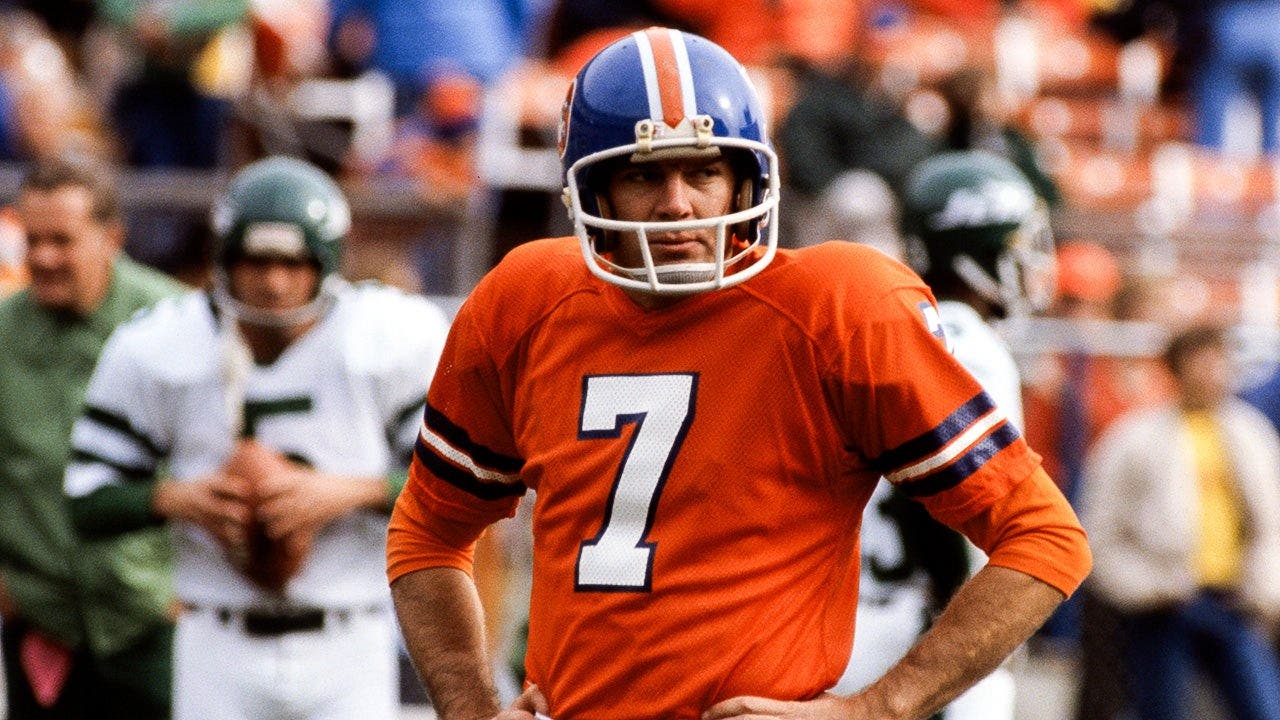
Denver Broncos quarterback Craig Morton stands on the sidelines with both hands on his hips. (GETTY)
“Craig Morton is unbelievable,” fellow Ring of Famer Haven Moses said after the Broncos won the AFC Championship in 1978, per the New York Times. “To me, he’s the most valuable player in the National Football League.”
Morton also won Sporting News Player of the Year, the PFWA Comeback Player of the Year and the NFL UPI MVP in 1977.
“We are saddened to learn of the passing of #BroncosROF quarterback Craig Morton, who died on Saturday at the age of 83,” the Broncos posted on social media.
Morton also led the Broncos to two different division titles and three playoff berths during his six seasons with the franchise. He finished his career in Denver with 11,895 passing yards, which marked the most in franchise history at the time.
CLICK HERE TO DOWNLOAD THE FOX NEWS APP
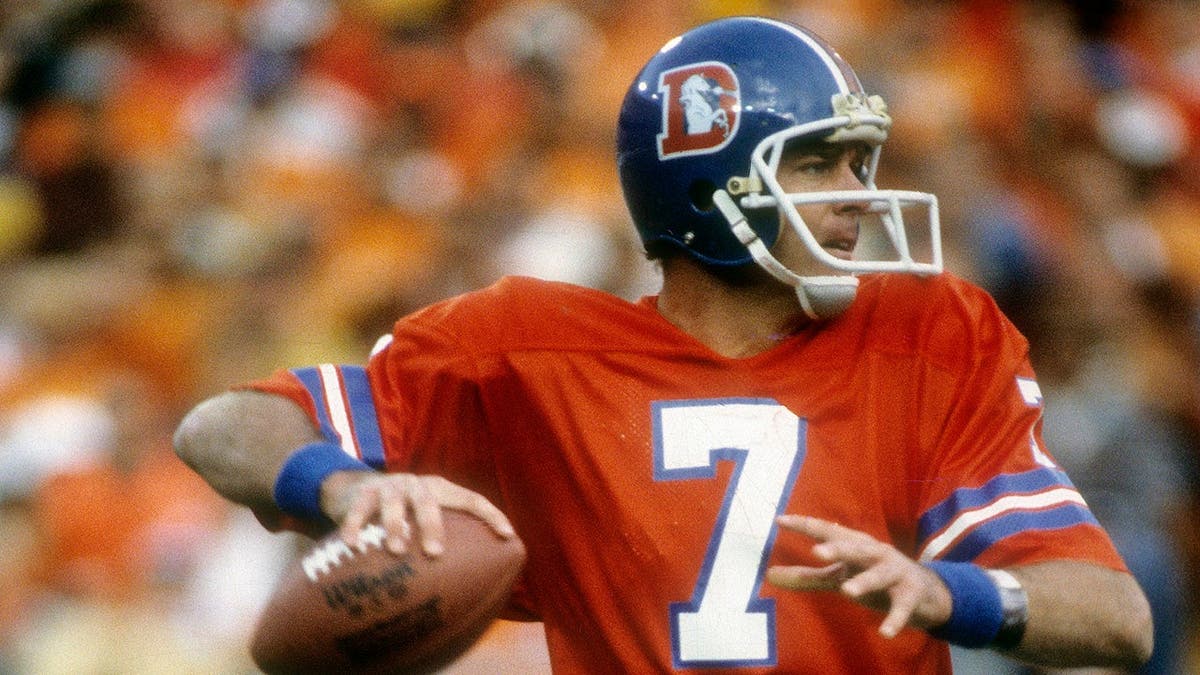
Quarterback Craig Morton #7 of the Denver Broncos drops back to pass during an NFL game at Mile High Stadium in Denver, Colo., circa 1978. Morton played for the Broncos from 1977 to 1982. (Focus On Sport/Getty Images)
Morton also led the Broncos with pass attempts (1,594) and completions (907). But Morton’s time with the Broncos was the latter half of his NFL career.
He was drafted by the Dallas Cowboys in 1965, the fifth overall pick out of Cal. Morton spent the first 10 seasons of his career with the Cowboys, where he threw for 10,279 yards with 80 touchdowns and 73 interceptions. He went 32-14-1 in his time with Dallas.
Then, during the 1974 season, Morton was moved to the New York Giants, a division rival of the Cowboys. He went 1-6 in his first seven starts that year and wouldn’t find much success in New York across three seasons.
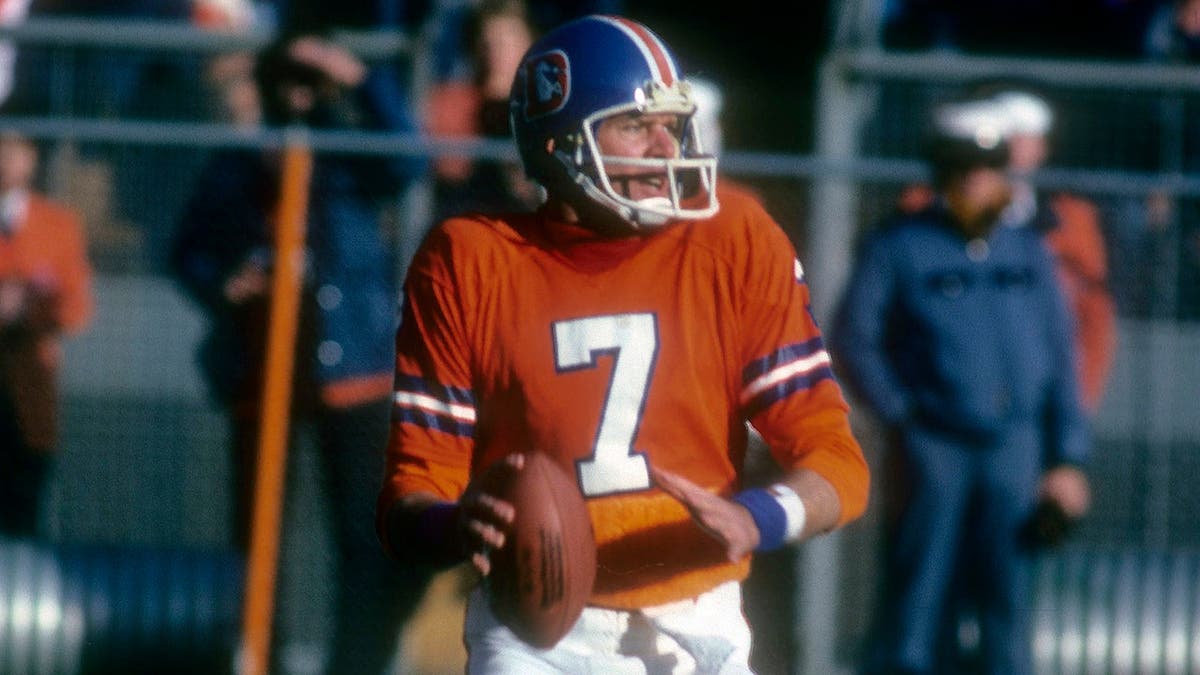
Quarterback Craig Morton #7 of the Denver Broncos drops back to pass during an NFL game at Mile High Stadium in Denver, Colo., circa 1978. Morton played for the Broncos from 1977 to 1982. (Focus On Sport/Getty Images)
CLICK HERE TO DOWNLOAD THE FOX NEWS APP
For his career, Morton threw for 27,908 yards with 183 touchdowns. He owned an 81-62-1 record across 207 games.
NEWYou can now listen to Fox News articles!
Indiana’s Fernando Mendoza’s year couldn’t have been more perfect.
He led his Hoosiers to an unblemished 16-0 season, captured the national championship in historic fashion and won the 2025 Heisman before being selected first in the 2026 NFL Draft by the Raiders.
Now that the path is clear for a new athlete to leave NYC in December holding the Heisman, who will it be?
Here are the way-too-early odds at DraftKings Sportsbook as of May 5.
This page may contain affiliate links to legal sports betting partners. If you sign up or place a wager, FOX Sports may be compensated. Read more about Sports Betting on FOX Sports.
2026 Heisman Trophy Winner
CJ Carr (Notre Dame): +750 (bet $10 to win $85 total)
Arch Manning (Texas): +750 (bet $10 to win $85 total)
Julian Sayin (Ohio State): +1000 (bet $10 to win $110 total)
Dante Moore (Oregon): +1000 (bet $10 to win $110 total)
Trinidad Chambliss (Ole Miss): +1100 (bet $10 to win $120 total)
Josh Hoover (TCU): +1200 (bet $10 to win $130 total)
Darian Mensah (Miami, FL): +1200 (bet $10 to win $130 total)
Jeremiah Smith (Ohio State): +1300 (bet $10 to win $140 total)
Gunner Stockton (Georgia): +1800 (bet $10 to win $190 total)
Sam Leavitt (Arizona State): +2000 (bet $10 to win $210 total)
Marcel Reed (Texas A&M): +2500 (bet $10 to win $260 total)
Jayden Maiava (USC): +2500 (bet $10 to win $260 total)
John Mateer (Oklahoma): +2800 (bet $10 to win $290 total)
Here’s more on a few of the names on the 2026 Heisman oddsboard:
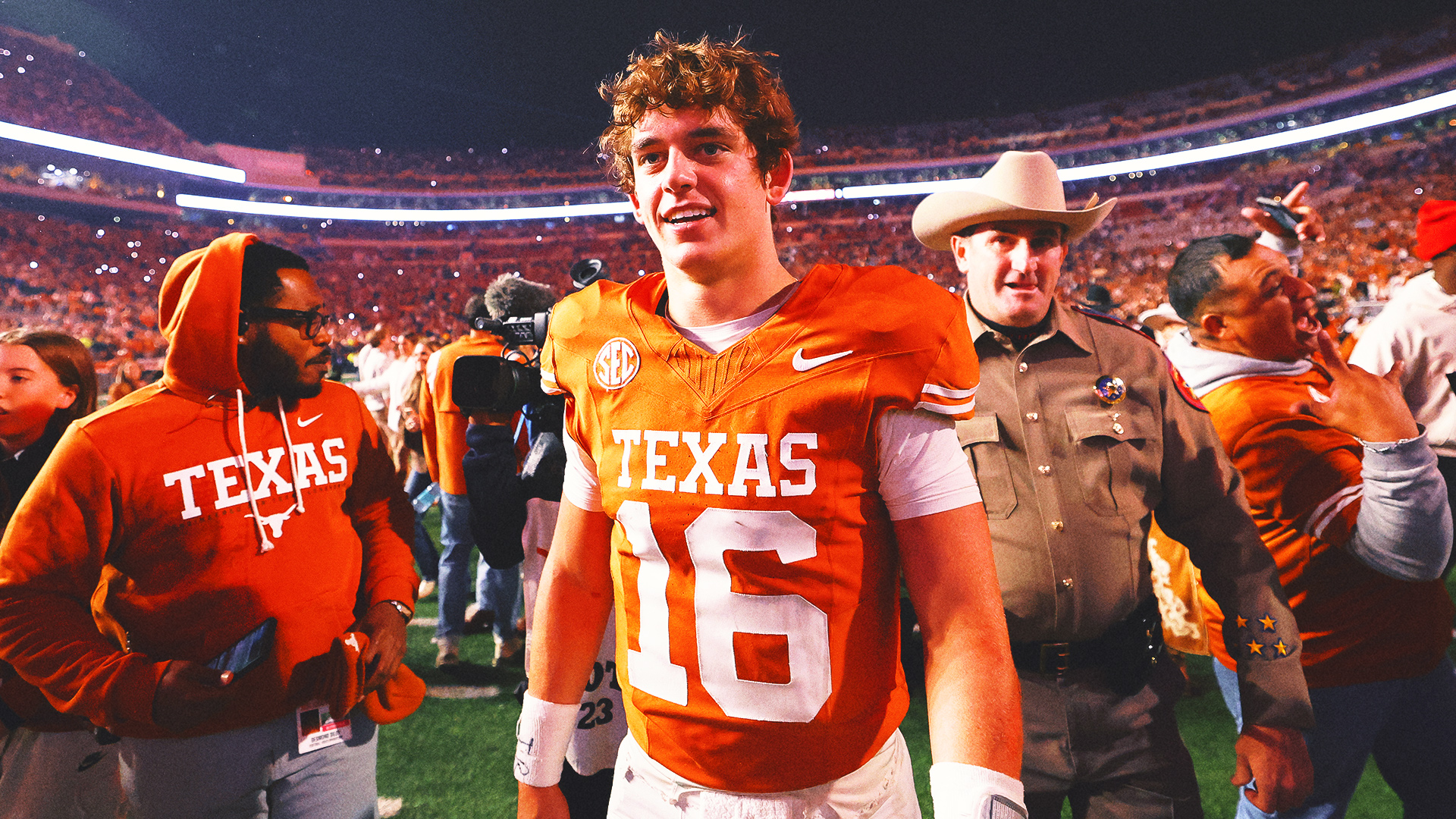
The Favorites: Carr and Manning are tied at +750 to win the Heisman Trophy at the end of the 2026 regular season. And the latter is no stranger to Heisman talk. He opened as the favorite for the 2025 Heisman at several books and right before the season kicked off, bettors were hammering Manning’s futures. The excitement over Manning was short-lived once his Longhorns went 4-2 to begin the season. If he is at least named a finalist, he would follow in the footsteps of his uncles and his grandfather, as both Peyton and Eli Manning, and their dad Archie, were Heisman finalists during their college careers.
Arch Manning is an early favorite to win the 2026 Heisman Trophy.
Ones to Watch: Ohio State teammates Jeremiah Smith and Julian Sayin are two players to watch for next season’s Heisman — especially because they were both in the conversation to win the award most of 2025. Sayin, in fact, was a Heisman finalist and finished fourth in the race with eight first-place votes. Smith didn’t make the trip to New York but finished sixth in the tally. FOX Sports college football writer RJ Young projects that both Smith and Sayin — as well as Manning — will be in the running in 2026.
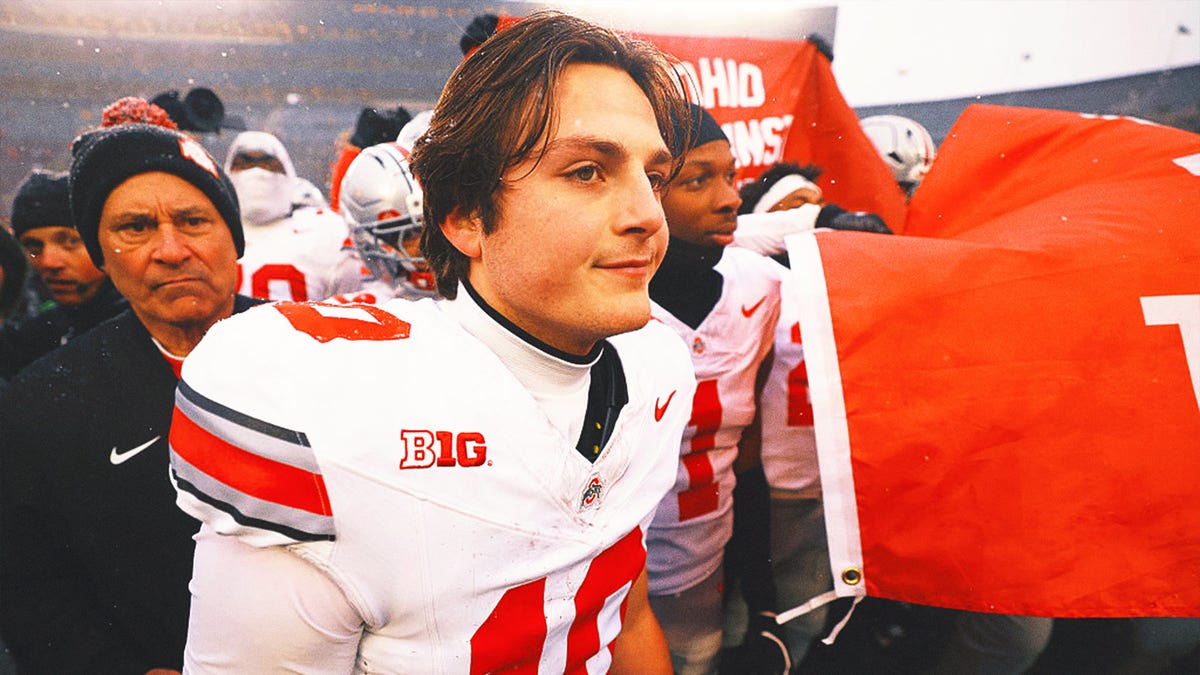
Ohio State’s Julian Sayin could make another trip to NYC — but this time as the winner.
Heisman in Troy?: Could Maiava bring the hardware back to SC from NYC? Based on the early odds, he could have at least a slight chance. If the Trojans’ QB wins the most coveted individual award in college football, he’d be the first USC player since Caleb Williams (2022) to do so. Maiava finished the 2025 season with 3,711 passing yards and 24 touchdowns, as his squad ended the year with a 9-4 record.
Sports
Aaron Rodgers never met with Steelers despite rumor-filled weekend as QB’s decision remains up in air
NEWYou can now listen to Fox News articles!
Aaron Rodgers didn’t make it back to Pittsburgh after all.
After reports surfaced this past Friday that Rodgers was expected to visit the Pittsburgh Steelers in preparation for a return to the team he played for last year, many were hopeful the months-long wait was over.
However, during his appearance on “The Pat McAfee Show” on ESPN this Monday, Adam Schefter said neither the Steelers nor his agent were aware of any such meeting being on the schedule.
CLICK HERE FOR MORE SPORTS COVERAGE ON FOXNEWS.COM
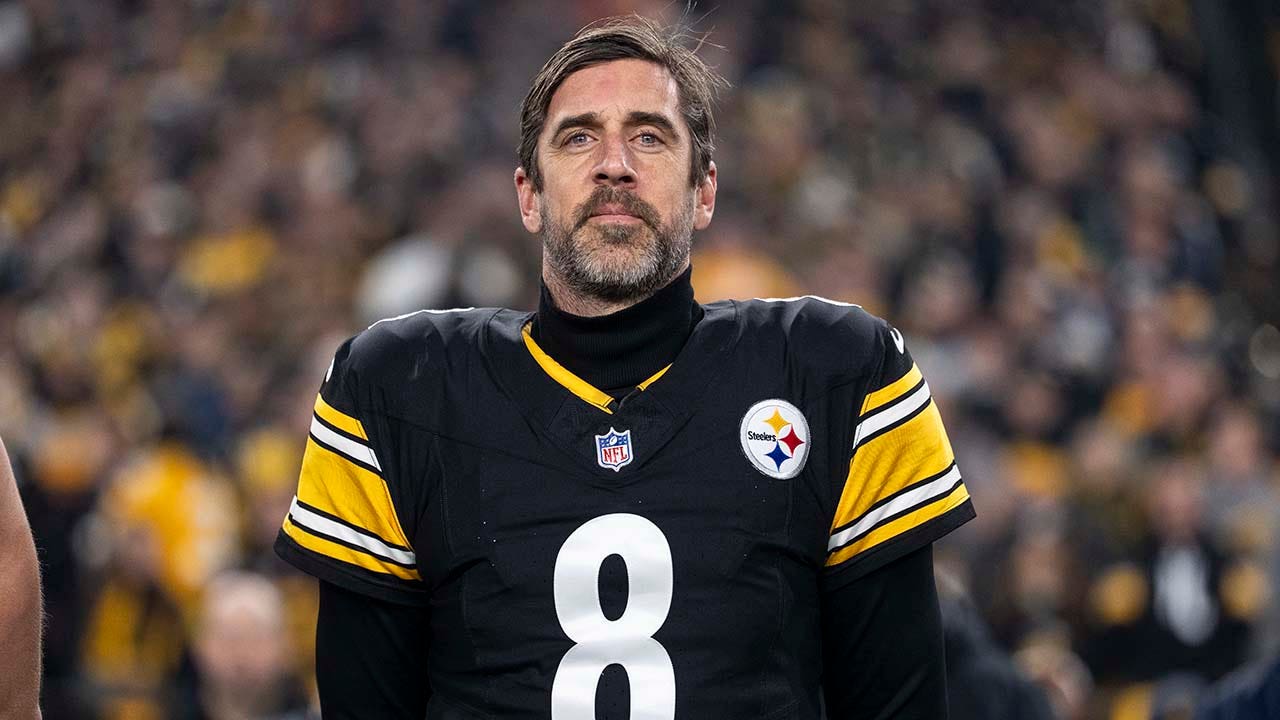
Aaron Rodgers of the Steelers stands during the national anthem before an NFL game against the Baltimore Ravens at Acrisure Stadium in Pittsburgh, Pa., on Jan. 4, 2026. (Michael Owens/Getty Images)
But then, there were the reports about where Rodgers is in the world, with the Pittsburgh Tribune-Review reporting that he was in the Steel City, though he wasn’t scheduled to visit with the team. A report from 93.7 The Fan added on, saying he was in town for golf.
Either way, the decision still lingers whether Rodgers will suit up for the Steelers, but the storied franchise gave themselves some insurance if the four-time MVP quarterback decides he wants to potentially play elsewhere.
STEELERS OWNERSHIP HOPES FOR CLARITY ON AARON RODGERS’ FUTURE ‘IN THE NEXT MONTH OR SO’
The Steelers used an unrestricted free-agent tender on Rodgers last month, which allows Pittsburgh the right to match any offer Rodgers may get from another team.
Despite doubt from some camps on Rodgers’ potential return, Schefter noted his belief he will be in the Steelers’ depth chart come training camp. The Steelers have their OTAs scheduled to begin next Monday.

Steelers quarterback Aaron Rodgers drops back to pass against the Baltimore Ravens at Acrisure Stadium in Pittsburgh, Pa., on Jan. 4, 2026. (Getty Images)
With Rodgers at the helm this past season, the Steelers went 10-7, even earning a playoff berth after Baltimore Ravens rookie Tyler Loop’s now-infamous game-winning field goal did not get through the uprights. The Steelers ended up losing to the Houston Texans in the wild-card round, extending the team’s playoff winless streak to eight straight seasons, including three consecutive campaigns.
Rodgers, who’s slated for the Pro Football Hall of Fame once he decides to call it quits for his career, threw for 3,322 yards with 24 touchdowns to seven interceptions in 16 games for Pittsburgh in 2025.
CLICK HERE TO DOWNLOAD THE FOX NEWS APP
The Steelers also revamped their team for this season, as Mike McCarthy, Rodgers’ old head coach with the Green Bay Packers, takes over for Mike Tomlin, whose generational run in Pittsburgh ended after 19 seasons (2007-25). While D.K. Metcalf and Rodgers built chemistry this past season, the Steelers also added veteran receiver Michael Pittman Jr. in a deal with the Indianapolis Colts, while adding Alabama’s Germie Bernard in the 2026 NFL Draft.
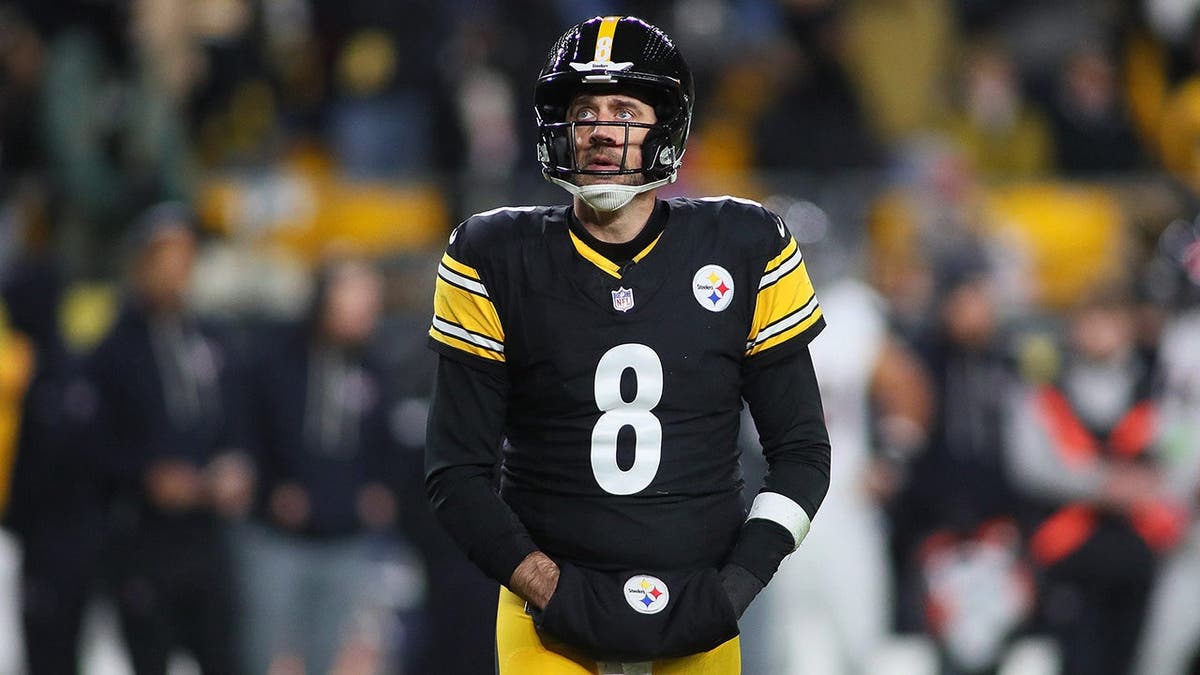
Steelers quarterback Aaron Rodgers after being sacked during the wild-card game against the Houston Texans at Acrisure Stadium in Pittsburgh, Pa., on Jan. 12, 2026. (Michael Longo/For USA Today Network-PA/USA Today Network via Imagn Images)
And while Kenneth Gainwell is gone after a solid performance with Pittsburgh, Rico Dowdle comes into the fold to work alongside Jaylen Warren at running back.
Yet, the biggest question in football still remains: will Rodgers be a part of these new-look Steelers in 2026?
Follow Fox News Digital’s sports coverage on X and subscribe to the Fox News Sports Huddle newsletter.


Bangladesh needs logistics upgradation to turn competitive: Think tank

Meghan Markle shares delightful family update amid rift with dad Thomas

Epstein files on display at New York pop-up exhibit, all 3.5 million pages

-

 Politics1 week ago
Iran weighs US reply delivered via Pakistan as Trump signals opposition to deal terms
-

 Tech1 week ago
DHS Demanded Google Surrender Data on Canadian’s Activity, Location Over Anti-ICE Posts
-
 Business1 week ago
Heineken to invest £44.5m in hundreds of pubs creating 850 jobs
-

 Entertainment1 week ago
Jelly Roll reacts to daughter Bailee Ann’s major life milestone
-

 Tech1 week ago
I Lugged the Best Travel Totes on Work Trips, Weekends, and More
-
 Politics1 week ago
Two women die on migrant boat seeking to reach UK
-
 Business1 week ago
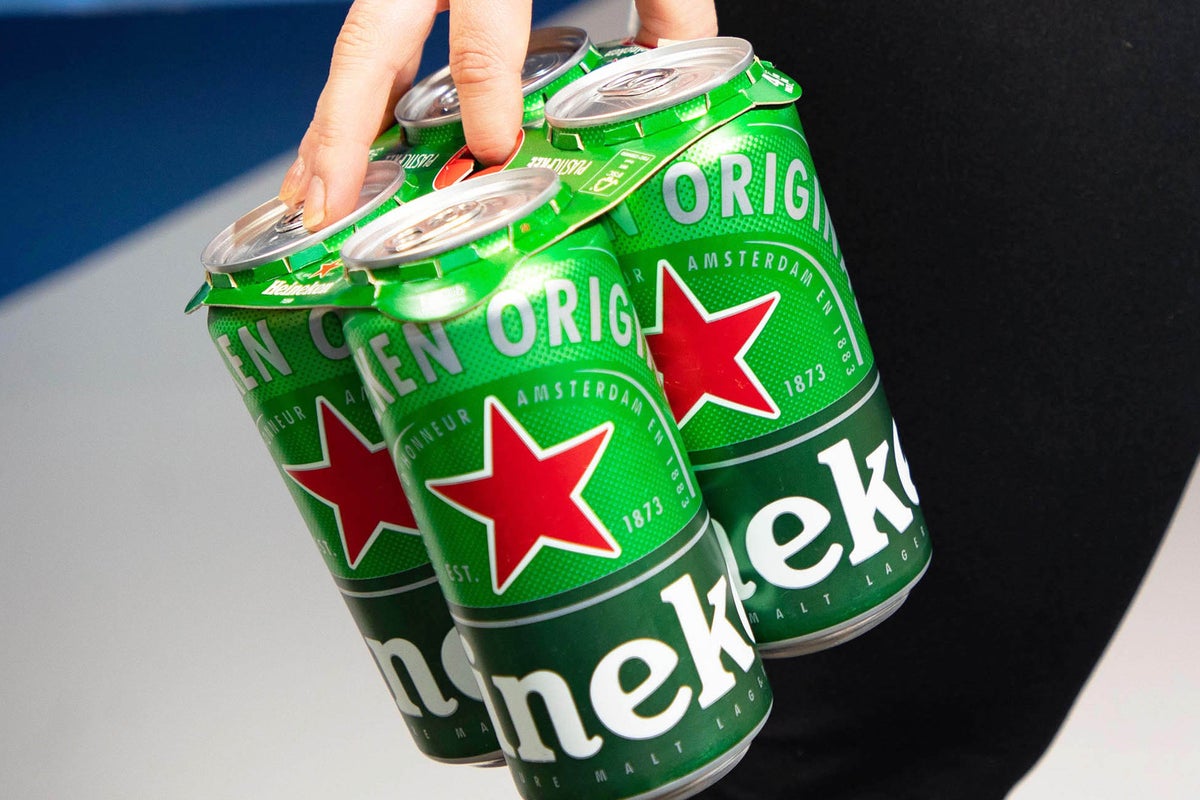
Heineken plans huge investment in hundreds of UK pubs ahead of World Cup
-

 Tech4 days ago
‘Orbs,’ ‘Saucers,’ and ‘Flashes’ on the Moon: Pentagon Drops New UFO Files