

Business
SIP, TIP, HIP: How Starting These By 30 Helps Build A Stress-Free Financial Future


Last Updated:
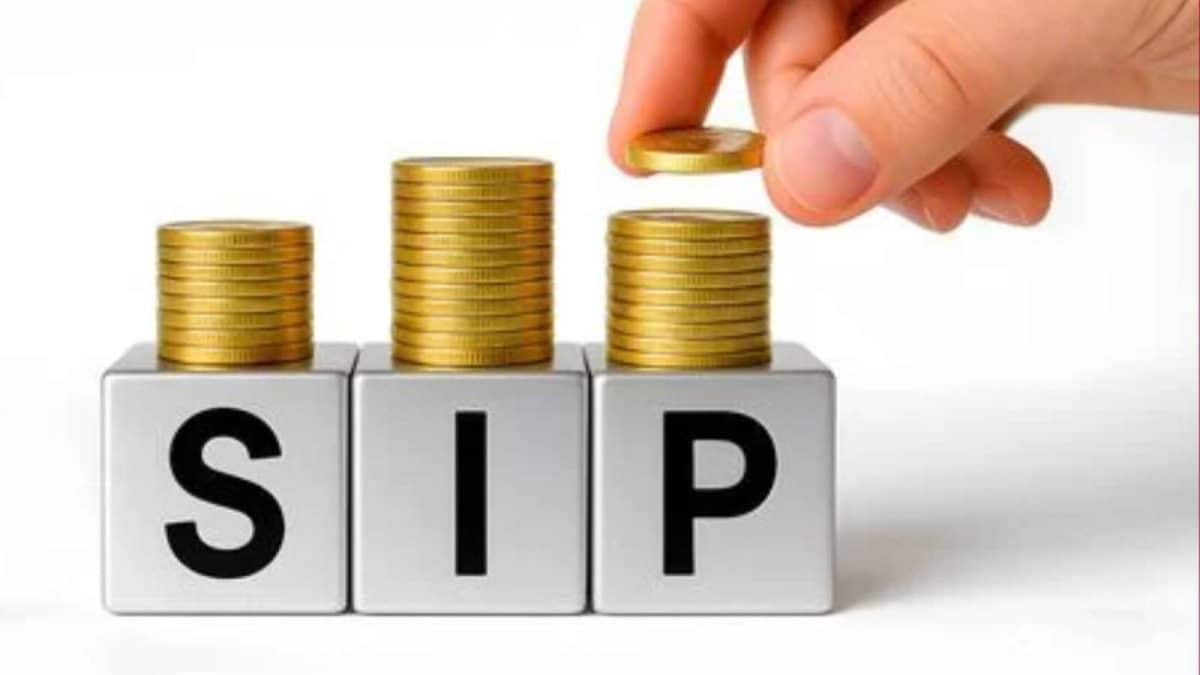
SIP (Systematic Investment Plan), TIP (Term Insurance Plan), and HIP (Health Insurance Plan) together create a balanced mix of growth, protection, and security.
Experts suggest maintaining an emergency fund covering 3-6 months of expenses.
In today’s fast-paced and stressful world, achieving financial stability early in life is crucial. Experts say that by the age of 30, everyone should aim to have a strong foundation in three key areas – SIP (Systematic Investment Plan), TIP (Term Insurance Plan), and HIP (Health Insurance Plan). Together, these create a balanced mix of growth, protection, and security.
Rakesh Bhandari, director at Nirmal Bang, said, “This should be done carefully and very smartly so that your retirement life is spent in the right way.”
In Your 30s? Build Your ‘SIP-TIP-HIP’ Foundation
Your 30s are the decade when most major financial goals, such as buying a home, planning for children’s education, and preparing for retirement, begin to take shape. Setting up this three-pillar framework early helps you grow wealth, safeguard income, and protect against rising health costs without unnecessary complexity.
1. SIP: Systematic Investment Plan for Long-Term Growth
A SIP helps you invest regularly in equity mutual funds, enabling rupee-cost averaging and the power of compounding over time.
Why it matters: Long-term investments in Indian large-cap equities (like the Nifty 50 TRI) have historically delivered double-digit annualised returns. Multiple rolling-return studies (1992-2024) show that the longer you stay invested, the lower your chances of negative returns. While past performance is not a guarantee, time in the market, not timing the market, has consistently worked in investors’ favour.
Smart move: “Start small but stay consistent. Increase your SIP amount by 5-10% every year in line with salary hikes. This ‘step-up SIP’ strategy can significantly boost your corpus compared to a flat SIP,” said Bhandari.
Action cue: Pick an amount you can sustain even during market downturns and automate the investment for discipline.
2. TIP: Term Insurance Plan for Income Protection
A Term Insurance Plan (TIP) ensures your family’s financial stability if something unexpected happens to you.
Why start in your 30s: Premiums are lowest when you’re young and healthy. You can also lock in a long coverage period that spans your peak earning years.
How much cover: A general rule is to have coverage worth 10-15 times your annual income, adjusted for loans and future goals. Online insurance calculators can help fine-tune the number.
What it does: Provides a safety net so your family’s lifestyle, education, and long-term financial goals stay intact even in your absence.
Action cue: “Opt for a pure term plan, avoid investment-linked policies. Choose adequate coverage and a tenure that extends beyond your working life and your children’s education years,” Bhandari added.
3. HIP: Health Insurance Plan for Rising Medical Costs
Health insurance is your shield against medical inflation, which continues to rise sharply in India.
The reality: Government data shows health inflation averaging around 4-5% annually, while industry studies suggest actual medical cost inflation is often in the low to mid-teens. With nearly 46-47% of health expenses still paid out-of-pocket, a single hospitalisation can derail your savings.
What to buy: A family floater plan with adequate sum insured, restoration benefits, day-care coverage, and a no-claim bonus. As your income grows, enhance protection with a super top-up plan.
Action cue: “Buy early. You’ll pay lower premiums, complete waiting periods sooner, and stay protected as lifestyle-related health risks rise,” Bhandari said.
How the Trio Works Together
- SIP builds wealth for long-term goals.
- TIP safeguards those goals if your income stops unexpectedly.
- HIP prevents medical emergencies from eating into your investments.
Together, they create a balanced and resilient personal finance system.
Simple Hygiene Rules
Maintain an emergency fund covering 3-6 months of expenses.
Review your cover amounts annually, especially after salary hikes, new loans, or life changes.
Automate SIPs and insurance premiums so your protection never lapses.
Disclaimer:Disclaimer: The views and investment tips shared in this article are for general information purposes only. Readers are advised to consult a certified financial advisor before making any investment decisions.

Haris is Deputy News Editor (Business) at news18.com. He writes on various issues related to personal finance, markets, economy and companies. Having over a decade of experience in financial journalism, Haris h…Read More
Haris is Deputy News Editor (Business) at news18.com. He writes on various issues related to personal finance, markets, economy and companies. Having over a decade of experience in financial journalism, Haris h… Read More
October 18, 2025, 16:14 IST
Read More



Business
Crude oil surpasses $100: WTI up 30%, brent crude reaches $118; what it means? – The Times of India

Oil markets skyrocketed beyond the $100 mark on Monday as Middle East conflict continues to intensify, fueling fears about energy supplies disruption and shipping routes across the region. Brent crude, the global benchmark, climbed past $118 a barrel. US benchmark West Texas Intermediate followed a similar trajectory as the light, sweet crude grade jumped 30% higher than its previous close of $90.90 on Friday.At 0230 GMT, WTI crude climbed 30.04% to $118.21 per barrel before paring some of its gains, while Brent crude was trading 27.54% higher at $118.22.The latest spike came after an already volatile week for oil markets. Last week, US crude prices had surged 36% while Brent rose 28%, as the conflict, now entering its tenth day, began drawing in regions central to the production and transportation of oil and gas from the Persian Gulf.Roughly 15 million barrels of crude oil move through the Strait of Hormuz every day, accounting for about one-fifth of global oil supply, according to independent research firm Rystad Energy. However, the threat of Iranian missile and drone attacks has nearly halted tanker traffic through the narrow waterway. The strait, bordered to the north by Iran, is a critical route for shipments from Saudi Arabia, Kuwait, Iraq, Qatar, Bahrain, the United Arab Emirates and Iran.Export constraints have begun to affect production levels in the region. Iraq, Kuwait and the UAE have reduced oil output as storage facilities fill up due to limited export capacity. At the same time, strikes targeting energy infrastructure have intensified supply concerns, with Iran, Israel and the United States attacking oil and gas facilities since the conflict began.The last time Brent and US crude futures traded near the current levels was in 2022, following Russia’s invasion of Ukraine.Natural gas prices have also moved higher during the conflict, although the gains have been more modest compared to oil. Late Sunday, natural gas was trading at around $3.33 per 1,000 cubic feet, about 4.6% above its Friday closing price of $3.19, after rising roughly 11% during the previous week.Oil’s rise has also begun to show up in fuel prices. In the United States, the average price for a gallon of regular gasoline reached $3.45 on Sunday, about 47 cents higher than a week earlier, according to the AAA motor club. Diesel prices climbed to roughly $4.60 per gallon, up around 83 cents over the same period.Meanwhile, crude oil is also a key ingredient in many everyday consumer goods, including detergents, biscuits, toothpaste, paints and packaging materials. Petroleum-based derivatives are widely used in products such as soaps, shampoos, creams, hair oils, as well as in plastic bottles and tubes. In India, these inputs account for over 25% of production costs for FMCG companies and nearly 40% for paint manufacturers. As a result, if crude oil prices continue to rise, the cost of these daily-use products could increase further.Some analysts and investors have further cautioned that if oil prices remain above $100 a barrel for a prolonged period, the global economy could struggle to absorb the impact.
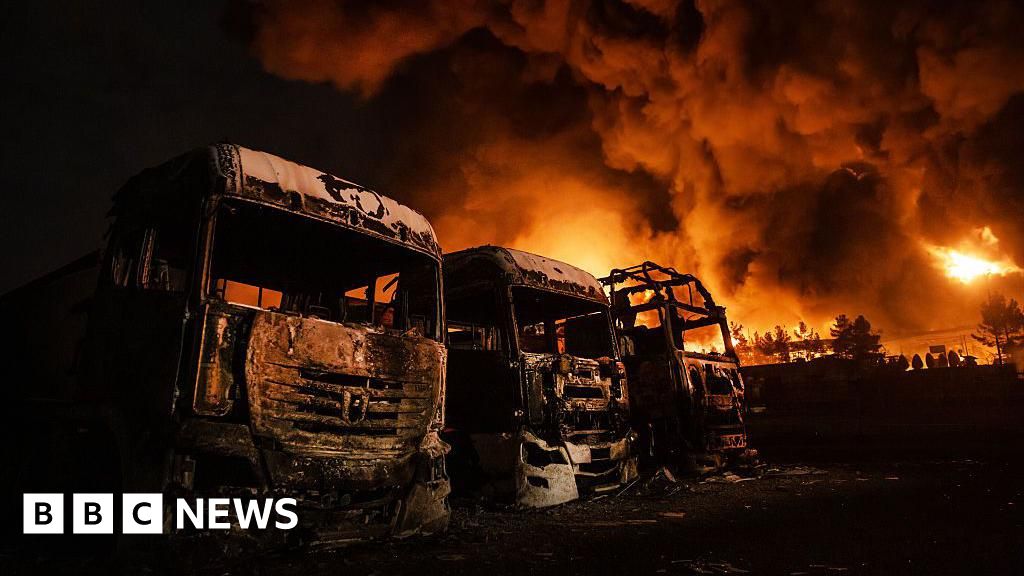
Major disruption to energy supplies threatens to push up prices for consumers and businesses around the world.
Source link
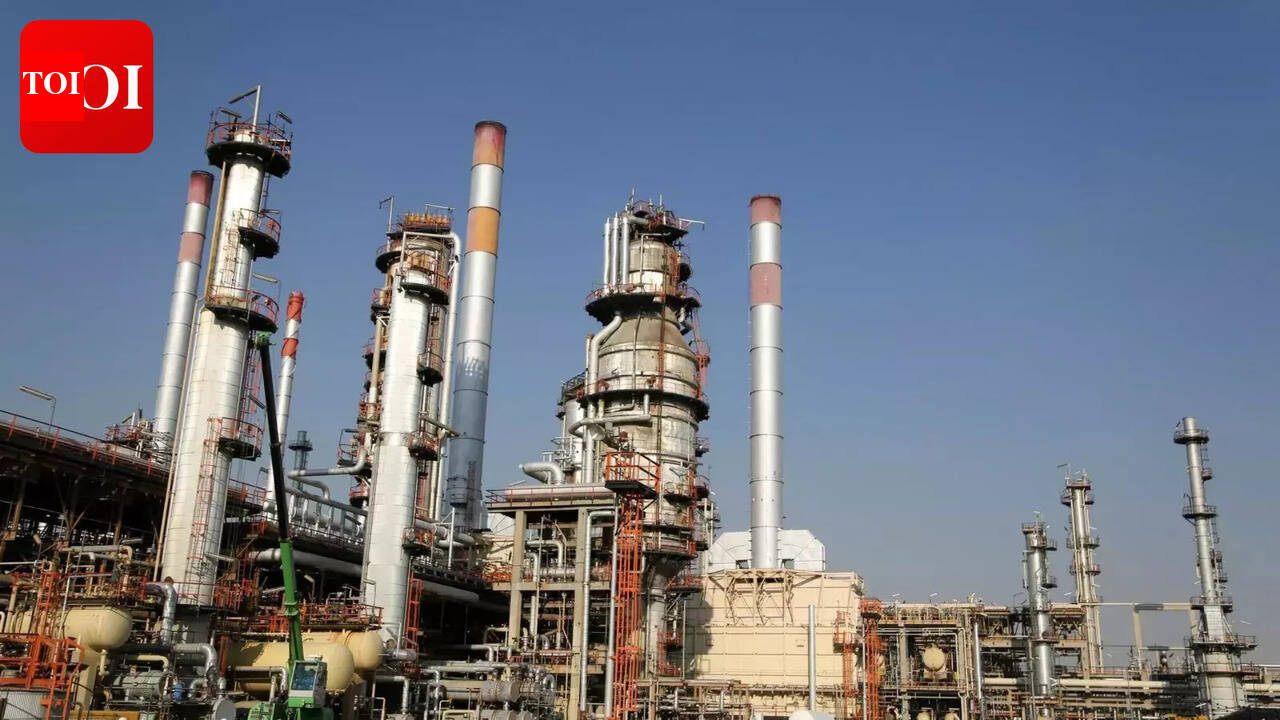
Saudi Aramco jumped the most since April 2023 on Sunday as the Iran war entered its second week, prompting supply disruptions that may send oil prices higher when global markets reopen. Shares of the state-backed oil giant climbed as much as 4.9% in Riyadh before paring gains to close up 4.1%, on the first day of trading for the stock since Brent crude prices topped $90 a barrel on Friday.Brent may climb further after UAE and Kuwait started reducing oil production amid a near-closure of Strait of Hormuz waterway, adding to interruptions affecting worldwide energy supply and exports. “For Aramco, we believe that the gain in oil prices would offset a decline in exports,” said Junaid Ansari, head of research and strategy at Kamco Investment Co. “We also believe that Aramco should be able to re-route a bulk of its shipments to the Red Sea. It’s just about logistics and handling the excess capacity.” Aramco has been redirecting oil cargoes to Red Sea facilities on Saudi Arabia’s west coast to avoid the Strait of Hormuz.


India–Canada CEPA: Closing Canada’s preference gap before compliance
Crude oil surpasses $100: WTI up 30%, brent crude reaches $118; what it means? – The Times of India

10 Ships Attacked in Strait of Hormuz as Mojtaba Khamenei Named Iran’s Supreme Leader

-

 Politics2 days ago
India let Iran warship dock the day US sank another off Sri Lanka, say officials
-

 Politics1 week ago
Iran launches retaliation against Israel, launches ballistic missiles
-

 Entertainment1 week ago
Al Jazeera broadcast interrupted by emergency missile alert in Qatar
-

 Sports2 days ago
Pakistan set for FIH Pro League debut | The Express Tribune
-

 Fashion1 week ago
India’s real GDP estimated to grow 7.6% in FY26 under new base FY23
-

 Sports1 week ago
Transfer rumors, news: Man City, Man United in for Anderson
-

 Sports1 week ago
College basketball star suspended by team for spitting toward opposing fan
-
 Business1 week ago
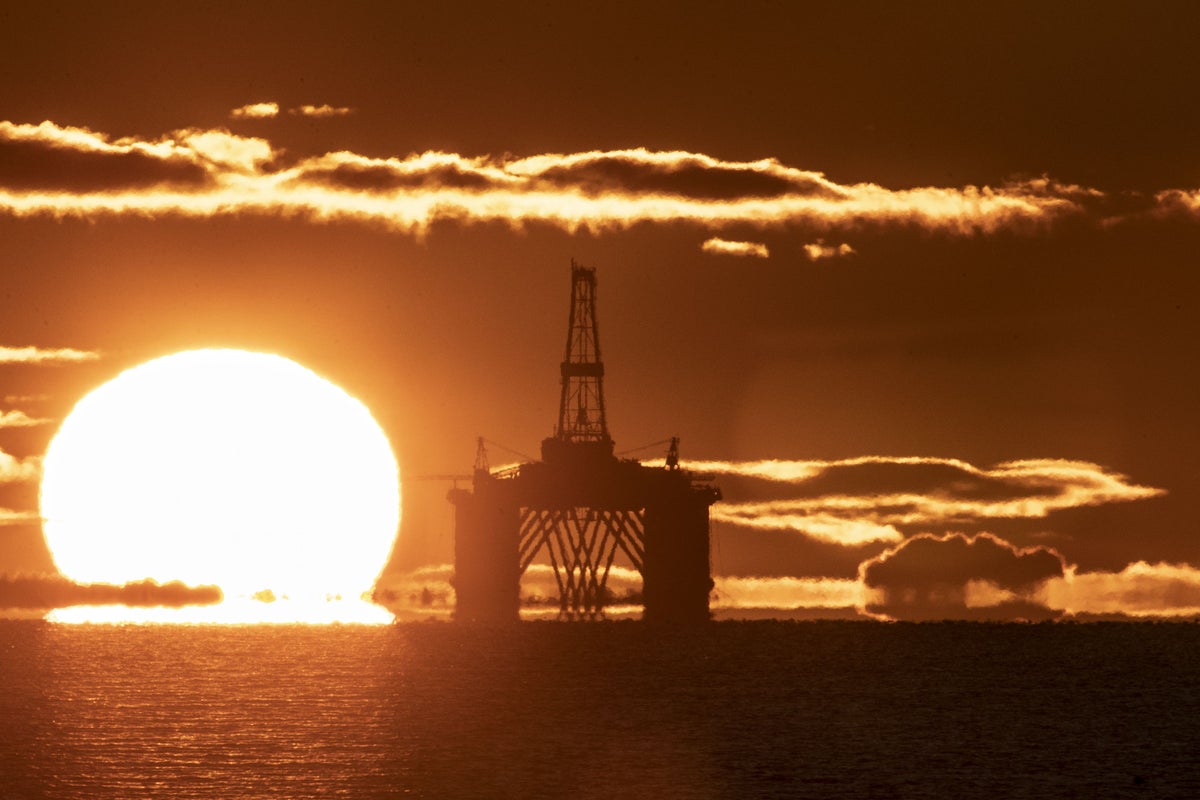
Labour parliamentarians urge UK Government to oppose Rosebank oil field