

Business
Solar against fossil fuel-led energy generation dilemma | The Express Tribune

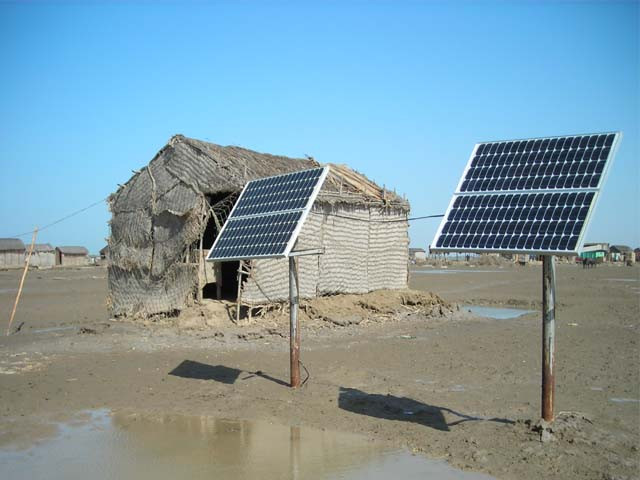
Country has agreed to achieve 60% renewable energy share but is discouraging it under influence of IPPs
ISLAMABAD:
Pakistan possesses a solar power potential of 40 gigawatts as reported by the World Bank. This may help to push the share of solar to 60% in energy mix by 2030.
Historically, Pakistan depends on fossil fuels, especially oil and gas, for power generation; however, due to advances in solar technology and its increased supply low prices have shifted the energy mix paradigm more to renewable sources in recent years. Therefore, the government has developed the net metering policy, also referred to as net energy metering (NEM), which in fact is an electricity billing method that enables consumers generate their own power to sell it to the power generating company. It involves customers with solar panels transferring the excess electricity they produce to the grid and receiving credits from the utility company on their electric bill. When solar panels generate more electricity than its consumption, the surplus power flows back to the grid.
The government has endorsed the Alternative and Renewable Energy Policy 2019, offering incentives and support for renewable energy ventures. However, challenges persist in executing the National Electricity Policy 2021, which was ratified by the Council of Common Interests in February 2021.
Reports indicate that the government plans to slash the price for solar power exported to the national grid from Rs21 per unit to Rs11 per unit, sparking widespread criticism. This is in sharp contrast to the tariff of Rs60 per unit for power generated from fossil fuel.
The installed capacity of solar net metering has surged to 3,000 megawatts. Pakistan Bureau of Statistics (PBS) data show that in 2020, fossil fuels constituted roughly 63% of total power generation, followed by hydropower at 29%, nuclear energy at 5% and renewable energy at approximately 3%. The proposed solar rate reduction is believed to be influenced by the independent power producers (IPPs), who fear loss of revenue with the rapid increase in solar power installations, potentially at the expense of consumers. Notably, regulatory bodies like the National Electric Power Regulatory Authority (Nepra) are perceived to favour IPPs over consumers and solar net metering users.
The surge in demand for solar panels has disrupted the government’s capacity payment plan amid fears that IPPs will lose business. While the government contends that the current rate enables consumers to recoup their solar panel installation costs within 18 months, the IPPs are pushing for an extension in this payback period to 10 years. Globally, the Sustainable Energy for All (SE4All) initiative aims to achieve universal access to modern energy by 2030 and double the share of renewable energy and energy efficiency gains. Consequently, there’s a rapid transition towards renewable and alternative energy sources for power generation.
The EU’s revised Renewable Energy Directive elevates its binding renewable target for 2030 to a minimum of 42.5%, up from the previous 32%, with an ambition to reach 45% of total energy from renewable sources, nearly doubling the existing share. Similarly, other advanced countries are also committed to increasing the proportion of renewable energy in their energy mix by 2030.
The Sustainable Development Goal 7 (SDG-7) advocates for “affordable, reliable, sustainable, and modern energy for all” by 2030, with three core targets forming the foundation of this endeavour to ensure universal access to affordable, reliable, and modern energy services. Pakistan has ratified the United Nations Framework Convention on Climate Change (UNFCCC) and adopted SDG-7 to align with global efforts to combat climate change and transition away from traditional fossil fuels and other carbon-intensive energy sources. To meet its Nationally Determined Contributions (NDC) target, Pakistan aims to transition to 60% renewable energy and achieve 30% penetration of electric vehicles by 2030. Additionally, Pakistan plans to ban coal imports and expand nature-based solutions.
Solar net metering stands out as a rapidly growing sector, offering consumers the opportunity to leverage their own resources for energy generation. Through such initiatives, Pakistan can fulfil its commitments under the Paris Agreement, UNFCCC, and SDG-7.
Keeping in view the above national and global commitments, leveraging net metering facilities can significantly aid in fulfilling Pakistan’s obligations under the UNFCCC and Paris Agreement. Therefore, reducing the per-unit price of solar energy from Rs21 to Rs11 could undermine the transition to renewable energy. The irony is that Pakistan has committed to achieving a 60% renewable energy share, but is discouraging it under the influence of IPPs. The world is moving fast to renewable sources of energy as Australia is offering three hours a day of free solar energy to citizens, and the EU has already achieved renewable energy targets well ahead of the committed deadline of 2030.
The government should work with the public in promoting solar energy rather than obstructing it. Renewable sources of energy like solar, wind, biomass and biogas are highly sustainable and may help reduce the import bill of oil and gas meant for power production.
A comprehensive review, involving the input from market experts and the Ministry of Climate Change, as well as consultation with solar consumers, is imperative. It’s crucial to assess broader national and global dynamics before making any unilateral decisions.
This approach will help to uphold Pakistan’s international obligations and safeguard the interests of citizens.
The writer is a climate change, forestry, and environment expert





Business
US stock market: Wall street crashes amid Iran tension; Dow jones slips over 900 points, Nasdaq dips by 2% – The Times of India

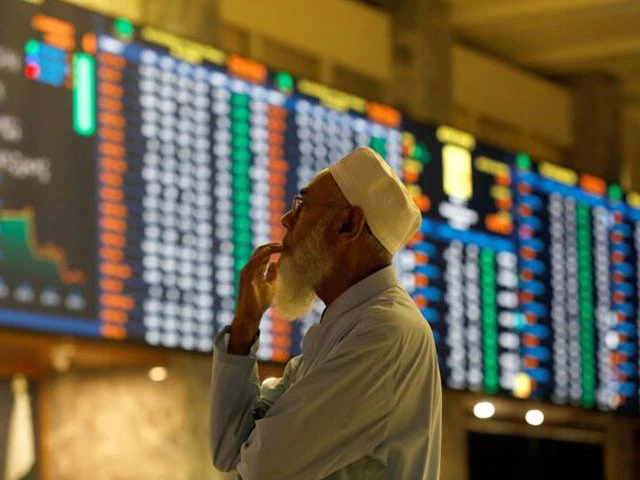
A fresh wave of global selling pressure hit Wall Street on Tuesday, as escalating tensions involving Iran deepened fears of prolonged economic disruption. The S&P 500 fell 1.8 per cent in early trade. The Dow Jones Industrial Average was down 907 points, or 1.9 per cent, as of 9:35 am Eastern time, while the Nasdaq Composite dropped 2.1 per cent. The renewed slide came just a day after US equities had erased steep early losses to close marginally higher — a rebound that had hinged on oil prices remaining contained. That relief faded as crude surged closer to levels that investors fear could reignite inflationary pressures. Brent crude, the global benchmark, jumped 8.2 per cent to $84.14 a barrel after trading near $70 less than a week ago. US benchmark crude rose 8 per cent to $76.92. Oil prices spiked after Iran struck the US Embassy in Saudi Arabia, broadening its list of targets to include areas central to global oil and natural gas production. Markets are particularly focused on the Strait of Hormuz, a strategic chokepoint off Iran’s coast through which roughly one-fifth of the world’s oil supply passes. Any disruption there could have outsized consequences for global energy markets. Uncertainty over the duration of the conflict is adding to volatility. US and Israeli strikes have already killed Iranian Supreme Leader Ayatollah Ali Khamenei, yet US President Donald Trump has indicated that hostilities could persist for weeks. In a late-night social media post on Monday, Trump said wars can be fought “forever” with the munitions available to the United States. The sharp rise in crude threatens to compound inflation, which remains elevated, by increasing fuel and transportation costs. According to data from motor club AAA, the average US gasoline price rose 11 cents overnight to about $3.11 per gallon.On Wall Street, airline stocks extended losses amid concerns over higher jet fuel costs and travel disruptions linked to the conflict. United Airlines fell 4.1 per cent, American Airlines declined 4 per cent and Delta Air Lines slipped 3 per cent. Bond markets also reflected rising inflation expectations. The yield on the 10-year US Treasury climbed to 4.10 per cent from 4.05 per cent late Monday and 3.97 per cent on Friday. Higher yields translate into more expensive borrowing costs for households and businesses, affecting everything from mortgages to corporate bond issuances.The impact in equity markets has been most pronounced in sectors and countries heavily reliant on energy imports. In South Korea — a major oil importer — the Kospi index plunged 7.2 per cent in its worst session in nearly two years as markets reopened after a holiday. Japan’s Nikkei 225 fell 3.1 per cent, despite analysts noting that Japan maintains strategic energy reserves estimated to last more than 200 days.

Sign at the main entrance to a Best Buy store in Venice, Florida.
Erik McGregor | Lightrocket | Getty Images
Best Buy posted mixed results on Tuesday as the retailer’s holiday-quarter sales declined and missed Wall Street’s expectations, but its earnings topped estimates as it showed improved profitability.
For the current fiscal year, the consumer electronics retailer expects revenue to range between $41.2 billion and $42.1 billion, compared with $41.69 billion in the most recent fiscal year. It expects adjusted earnings per share to range from $6.30 to $6.60, after it reported adjusted earnings per share of $6.43 for the previous fiscal year.
Best Buy anticipates that comparable sales, a metric that tracks sales online and in stores open at least 14 months, will range from a decline of 1% to an increase of 1%.
In a news release, CEO Corie Barry said demand for consumer electronics remained lackluster during the gift-giving season, but the company’s internal data indicates that Best Buy’s market share in the industry “was at least flat.”
Chief Financial Officer Matt Bilunas said in his own statement that the company is “excited about the momentum in our business.” But he added that company leaders “expect to continue to navigate a mixed macro environment.”
Shares jumped more than 10% in premarket trading.
Here’s how the retailer did for the fiscal fourth quarter compared with what Wall Street was expecting, according to a survey of analysts by LSEG:
- Earnings per share: $2.61 adjusted vs. $2.47 expected
- Revenue: $13.81 billion vs. $13.88 billion expected
In the three-month period that ended Jan. 31, Best Buy’s net income jumped to $541 million, or $2.56 per share, from $117 million, or 54 cents per share, in the year-ago quarter. Excluding one-time expenses, including charges for its health business, Best Buy reported adjusted earnings per share of $2.61.
Revenue decreased from $13.95 billion in the year-ago quarter. Yet on an annual basis, revenue rose to $41.69 billion from $41.53 billion in the prior fiscal year. Best Buy’s annual revenue declined in the three previous fiscal years.
For about four years, Best Buy has pinned its slower sales on more price-sensitive U.S. consumers, a slower housing market and less tech innovation. All of those factors have caused some shoppers to delay tech purchases, particularly big-ticket items like new refrigerators. Higher tariffs have also added costs for Best Buy, since many consumer electronics are imported.
Comparable sales dropped 0.8% in the fourth quarter as the company saw softer sales of appliances and home theaters. Those declines were partially offset by sales growth in computing and mobile phones, the company said.
Best Buy has leaned into more profitable businesses, including selling ads and offering more merchandise through its third-party marketplace, which launched in August. Barry said in the company’s news release that Best Buy’s advertising partners nearly doubled compared to the prior year and she said the retailer has significantly increased the number of available products on the marketplace.
The company has a scheduled earnings call at 9 a.m. ET.

Last Updated:
Wall Street futures fell up to 2% Tuesday amid West Asia tensions and rising oil prices. Asian markets also declined, with Japan down 3.06% and South Korea’s KOSPI down 7.24%.




Wall Street Futures Sink as Oil Rally Clouds Rate Outlook
Wall Street futures tumbled up to 2 per cent on Tuesday morning, pointing to a weak start for US markets as rising tensions in West Asia unsettled global investors. The spike in crude oil prices has renewed concerns over inflation at a time when markets were hoping for stability in interest rates. The risk-off mood was visible across equity futures, with traders cutting exposure to technology and broader market indices.
E-mini Nasdaq-100 Futures dropped more than 2 percent to 24,519.50 USD, down 505.75 points from the previous close of 25,025.25. The contract touched a low of 24,370.00 after opening at 25,002.75, indicating sharp early selling pressure. Volumes remained elevated at over 1.63 lakh contracts, suggesting active repositioning by investors amid heightened volatility.
Meanwhile, E-mini S&P 500 Futures declined 1.48 percent, or 102 points, to 6,786.25 USD. The index futures slipped from a previous close of 6,888.25 and hit an intraday low of 6,742.75.
Asian markets witnessed sharp selling pressure on Tuesday as escalating tensions in West Asia and rising oil prices rattled investor sentiment across the region.
Oil Futures Spike
Crude oil prices surged sharply, with Crude Oil rising by 4.777 dollars, or 6.71 percent, to trade at 76.007 dollars per barrel.
Meanwhile, Brent crude jumped 5.482 dollars, or 7.05 percent, to 83.222 dollars per barrel, reflecting strong upward momentum in global energy markets.
Asian Markets Bleed
Japan’s benchmark index plunged 3.06 percent to close at 56,279.05, down 1,778.19 points from the previous close of 58,057.24. The index opened at 57,729.80 and slid to an intraday low of 56,091.54, reflecting broad-based weakness.
Meanwhile, South Korea’s KOSPI saw an even steeper decline, tumbling 7.24 percent to 5,791.91. The index opened at 6,165.15 and dropped to a low of 5,791.65, marking one of its sharpest single-day falls in recent months.
Early signals for Indian markets remained weak, with GIFT Nifty (earlier known as SGX Nifty) pointing to a sharp gap-down opening. As of 5:52 PM IST on March 3, the index was trading at 24,461.0, down 531.5 points or 2.13 percent.
The contract opened at 25,375.0 but quickly came under pressure, slipping to a low of 24,247.0 during the session. The steep decline mirrors the broader global sell-off triggered by rising tensions in West Asia and a spike in crude oil prices, which have heightened concerns over inflation and foreign fund outflows in emerging markets like India.
 Click here to add News18 as your preferred news source on Google.
Follow News18 on Google. Join the fun, play games on News18. Stay updated with all the latest business news, including market trends, stock updates, tax, IPO, banking finance, real estate, savings and investments. To Get in-depth analysis, expert opinions, and real-time updates. Also Download the News18 App to stay updated.
March 03, 2026, 17:58 IST
Read More


ICE cotton drops 1% on Middle East war, stronger US dollar
US stock market: Wall street crashes amid Iran tension; Dow jones slips over 900 points, Nasdaq dips by 2% – The Times of India

PM invites lawmakers, party chiefs for in-camera briefing on regional conflict

-

 Politics5 days ago
What are Iran’s ballistic missile capabilities?
-
 Business7 days ago
Households set for lower energy bills amid price cap shake-up
-

 Politics5 days ago
US arrests ex-Air Force pilot for ‘training’ Chinese military
-

 Sports5 days ago
Sri Lanka’s Shanaka says constant criticism has affected players’ mental health
-

 Sports1 week ago
Top 50 USMNT players of 2026, ranked by club form: USMNT Player Performance Index returns
-
 Business7 days ago
Lucid widely misses earnings expectations, forecasts continued EV growth in 2026
-
 Business5 days ago
Attock Cement’s acquisition approved | The Express Tribune
-
 Fashion1 week ago
OECD GDP growth slows to 0.3% in Q4 amid mixed trends