

Fashion
Stitching a bright future: Bihar’s rise in garment manufacturing

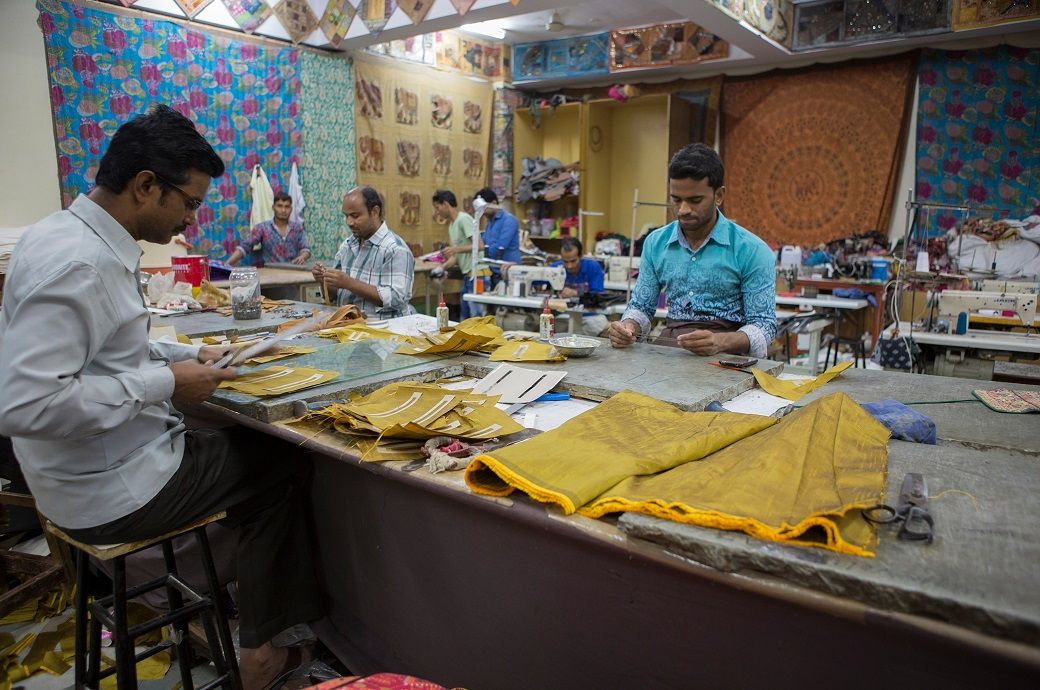
As land, labour, and operational costs continue to rise in India’s urban areas, apparel and textile companies are actively exploring cost-effective alternatives. This structural shift is steering investors’ focus toward rural and semi-urban regions with the potential to support large-scale manufacturing.
Bihar is gaining prominence as an apparel manufacturing hub, with its strategic location near key markets and an abundance of trainable labour driving investor interest.
Bihar’s Industrial Policy 2025 offers financial incentives and land allotments to attract investment.
Infrastructure projects, including the Eastern Freight Corridor, are enhancing connectivity and scalability for manufacturers.
Among the frontrunners in this evolving landscape is Bihar, an eastern state increasingly being seen as a credible, long-term hub for textile and apparel production.
Bihar’s comparative advantage lies in its vast pool of affordable, trainable labour and a growing support system of enabling policies, infrastructure upgrades, and availability of land for industries.
With manufacturing decentralisation becoming a dominant trend, the state’s strategic location near the key consumer markets of Delhi and Kolkata, as well as proximity to states like Uttar Pradesh, Jharkhand and the neighbouring country Nepal, further strengthens its appeal.
This proximity reduces transportation time and logistics costs, facilitating faster delivery.
Union Minister of State for Textiles and External Affairs, Pabitra Margherita, during a recent visit to Patna, emphasised Bihar’s potential to become a major centre for readymade garment manufacturing.
He pointed to increasing interest from leading apparel manufacturers, several of whom are now setting up production units in the state. Begusarai, in particular, has already seen the commencement of operations at a few such facilities, indicating early-stage traction.
Institutional partnerships are also playing a key role in building industry-ready human capital. One notable example in this direction is the signing of a Memorandum of Understanding (MoU) between NIFT Patna—operating under the Ministry of Textiles—and Aditya Birla Fashion and Retail Limited (ABFRL), one of India’s largest fashion conglomerates.
The partnership, formally announced in the presence of Union Minister of Textiles Giriraj Singh, is aimed at empowering rural women through targeted skill development and direct employment integration.
The collaboration will train members of self-help groups, popularly known as Jeevika Didis, in core garment manufacturing processes, quality control systems, and machine operations.
These training sessions will be conducted at NIFT Patna and its extension centres.
Once trained, these women will be eligible for employment at ABFRL’s upcoming manufacturing unit in Begusarai.
As per the Union Minister of Textiles, the programme is expected to benefit over 3.5 lakh women in its initial phase, with plans to extend coverage to adjoining districts.
This integrated approach—linking skill development to formal employment within a structured industrial framework—is a model that could reshape Bihar’s textile landscape. It not only addresses workforce readiness but also promotes women’s economic inclusion, a key enabler of sustainable industrial growth.
The momentum is not limited to training and pilot projects.
In an important step toward strengthening Bihar’s apparel manufacturing base, a new readymade garment unit has also reportedly been announced in the Bela Industrial Area, Phase 2 of Muzaffarpur.
Developed by M/s Gogreen Apparel Limited, the project reportedly entails a private investment of ₹23.36 crore, and upon completion, the facility will reportedly have an estimated annual production capacity of 5.5 million garments.
As per media reports, Bihar Deputy Chief Minister Samrat Choudhary confirmed that the unit falls within the textile and leather sector, which the state government has designated a high-priority industry under its recently approved Industrial Policy 2025.
The policy framework offers a comprehensive range of incentives—including capital subsidies, land allotments, tax exemptions, and dedicated support for skill development—intended to attract private investment and spur job creation.
He further emphasised that this unit represents a tangible step in Bihar’s broader industrial strategy. The goal is to position the state as a robust player in India’s textile manufacturing value chain while simultaneously enhancing its employment and economic growth metrics.
These efforts are being reinforced by investments in infrastructure and logistics designed to close existing gaps and prepare the state for scalable industrial activity.
While the outlook is positive, there remain some challenges nonetheless!
In several rural areas, unreliable electric supply poses a threat to production schedules while also raising the operational costs. Manufacturers are forced to rely on backup systems, which reduces cost competitiveness.
Limited warehousing facilities and last-mile connectivity also reportedly offer challenges, affecting supply chain reliability and turnaround times.
However, solutions are not that far. Infrastructure development is already underway, most notably through projects like the Eastern Freight Corridor, which is expected to significantly improve logistics.
This corridor will enhance connectivity with major ports and industrial centres, thereby enabling easier access to raw materials and reducing transportation delays for finished goods.
In parallel, the state government has reportedly taken proactive steps to allocate large tracts of land for industrial purposes, with a focus on textile parks and integrated garment clusters.
These developments are designed to accommodate modern factories and attract both domestic and foreign investors seeking cost-efficient and scalable production environments.
Several of these clusters are reportedly being designed with plug-and-play infrastructure, easing the entry barrier for manufacturers and reducing time-to-operations.
Bihar’s rising profile in the textile sector is also being aided by its competitive labour dynamics. The state’s large working-age population—most of whom are young, semi-skilled, and wage-competitive—represents a strategic advantage in an industry that remains highly labour-intensive.
This creates a workforce pipeline that can meet industry-specific demands with minimal lag.
The Bihar Industrial Investment Promotion Policy (BIIPP) has emerged as a critical growth enabler in this ecosystem. By offering targeted incentives tailored to the needs of manufacturing businesses, the policy aligns state support with market realities.
These include not only financial incentives but also institutional support, fast-tracked approvals, and sector-specific facilitation—key requirements for scaling operations quickly and sustainably.
Industry experts note that Bihar’s trajectory is timely. With global brands increasingly diversifying their sourcing strategies and India aiming to capture a larger share of the global textile market, non-traditional manufacturing destinations like Bihar stand to gain. The state’s potential lies in its ability to offer cost-effective and reliable production capacity by moving production away from congested and costlier hubs.
For exporters, manufacturers, and investors, Bihar today represents more than just a low-cost production base. It is a strategic growth opportunity—one that aligns with both domestic expansion and global supply chain realignment.
With proactive policy support, improving infrastructure, and deepening public-private collaboration, the state is setting the foundation for long-term industrial relevance in the textile and apparel sector.
While some infrastructure gaps and logistical challenges linger, Bihar is rapidly closing the gap between potential and performance and for an industry in transition, seeking scale, cost efficiency, and sustainability.
Fibre2Fashion News Desk (DR)







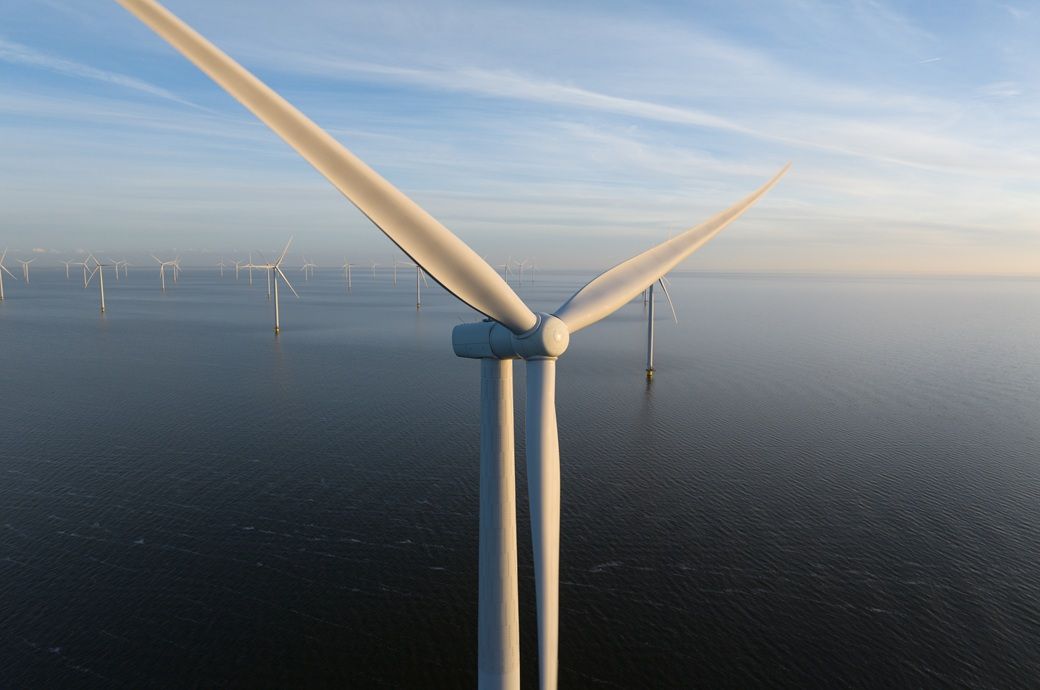
The country’s total wind power installed capacity hit 650 million kW at the end of February 2026—up by 22.8 per cent year on year (YoY), data from the National Energy Administration show.
China is developing several advanced offshore wind projects, fast-tracking its energy transition.
Its cumulative offshore wind installed capacity has surpassed 47 million kW, leading the world for five consecutive years.
China is now shifting its focus to deeper, more distant waters.
It has also developed a robust, clustered offshore wind industrial supply chain, with key hubs in coastal provinces.
Its cumulative offshore wind installed capacity has surpassed 47 million kW, leading the world for five consecutive years.
Generally, projects with water depths exceeding 50 metres are categorised as deep-sea offshore wind, and those over 65 kilometres from the shore as far-offshore wind.
China is now shifting its focus to deeper, more distant waters, where winds are stronger and more stable, but pose greater operational challenges.
In south China’s Guangdong Province, a major offshore wind farm project developed by China Huadian Corporation, situated off the coast of Yangjiang City, has started full-scale construction.
Located up to 89 km offshore, it will generate 1.6 billion kWh of clean power annually and reduce carbon emissions by 1.26 million tonnes upon completion, a state-controlled media outlet reported.
Meanwhile, in east China’s Shandong Province, the country’s deepest operational offshore wind farm has achieved full grid connection. The 504,000-kW project, developed by China Huaneng Group, operates in waters ranging from 52 to 56 metres deep, approximately 70 km offshore.
In south China’s Hainan Province, a pilot wind project has also commissioned its first grid-connected turbines, which are expected to generate 150 million kWh of clean power per year.
China has also developed a robust, clustered offshore wind industrial supply chain, with key hubs in coastal provinces like Guangdong, Jiangsu, Shandong and Fujian, covering turbine manufacturing, auxiliary equipment, construction and installation, and operation and maintenance services.
In Shantou, Guangdong Province, local authorities are exploring diversified utilisation models for offshore wind to build a world-class high-end offshore wind equipment cluster.
Key components for wind turbines, including generators, gearboxes, and bearings, are produced and assembled seamlessly within the industrial cluster, reducing long-distance transportation costs and the risk of damage.
The city also boasts a key offshore wind innovation hub, equipped with a training centre and an advanced wind turbine testing platform, which provides professional technical support and performance testing services for the global offshore wind industry.
In Yancheng, east China’s Jiangsu Province, China’s largest offshore wind industrial cluster has taken shape, with a complete supply chain. Its total wind turbine production capacity accounts for over 40 per cent of the national total, and blade production accounts for about 20 per cent of the country’s output.
During the 15th Five-Year Plan period (2026-2030), China aims at further developing large-scale offshore wind bases across the Bohai Sea, the Yellow Sea and the East China Sea, and steadily scale up deep-sea wind development.
The country targets over 100 million kW of cumulative offshore wind capacity by 2030.
Fibre2Fashion News Desk (DS)

The collection unites past and present, combining beloved current signatures, such as oversized shirting, sweeping trenches and sharp tailoring, with playful iconic hits from McCartney’s early archive, including bejewelled prints and slogan tops.
H&M unveils its new Stella McCartney collaboration, launching May 7, marking 20 years since their first partnership.
Blending archive-inspired designs with modern signatures, the collection features tailored pieces, statement prints and accessories.
With a strong focus on recycled and organic materials, it reflects McCartney’s legacy of innovation, sustainability and timeless style.
“I see this collection as a journey through my fashion history. It is a true mix of current classics and some of my old favourites that showcase my first forays into fashion and the development of my signatures. It’s playful, strong, sparkling, joyful, refined.” Stella McCartney.
Other key items in the collection include rib knitted dresses and tops with McCartney’s signature Falabella chain at the neck, and a long white gown with a cape-like sleeve that loops into the hem, giving the look of a sweeping circle of fabric. Also available are sparkling partywear, separates and denims, as well as mesh dresses and tops in a bold archival cherry-print. Offering an extra dose of nostalgia is a white mini tee embellished with studs reading ‘Rock Royalty’.
The accessories range is strong, and rich in bags. There will be six styles to choose from, including small, branded shoulder bags, giant totes and a timeless chocolate-toned bag with a chain-detail strap. This is one of several pieces in the collection that incorporate the Falabella chain, including necklaces and earrings, crafted in recycled metal in mixed tones, and loafers with chain detailing on the front.
The collection is defined by an approach to materials that prioritizes recycled content, organic cottons, wool certified to the RWS Standard and innovative usage of feedstock for coated materials, such as industrial corn and recycled vegetable oil.
Unveiled today is the collection’s campaign, shot by Sam Rock in London, and starring Renee Rapp, Angelina Kendall and Adwoa Aboah. The mood is playful yet effortless, nostalgic yet forward-thinking. Across the campaign, &Stella becomes the tagline for this special collaboration. Reinterpreted in myriad forms – &Here &Now &Me &You – it becomes a message about connection, care, and a way of being that speaks both this moment, and to the past, present, and future.
“Stella has always had a bold vision for fashion, and this collection tracks her journey from a young, rule-breaking voice to a master of timeless design. Every single piece in the collection is desirable and tells a unique and bold story.” – Ann-Sofie Johansson.
Note: The headline, insights, and image of this press release may have been refined by the Fibre2Fashion staff; the rest of the content remains unchanged.
Fibre2Fashion News Desk (JP)
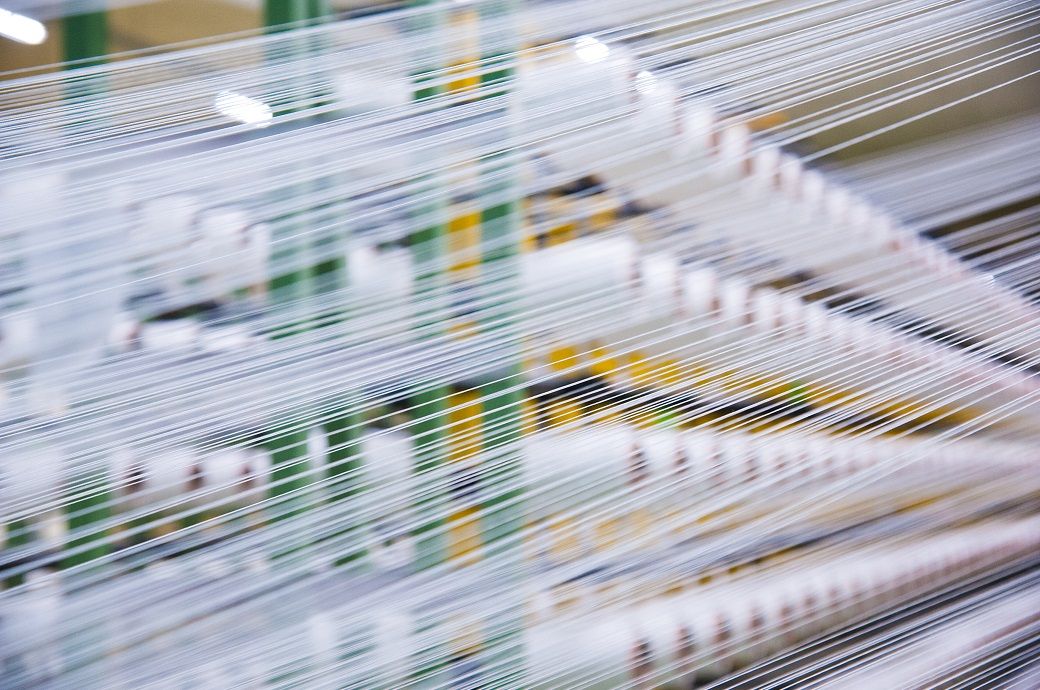
The Delhi cotton yarn market remained stable, though demand from downstream industries was weak at elevated price levels. Garment demand in both domestic and export markets also remained sluggish. A trader from Delhi market told Fibre*Fashion, “Spinning mills are selling cotton yarn at an additional margin of at least ** per cent. They have a cushion of advance orders from other countries. Mills have export orders for the next *–* months, so they do not need to sell in the domestic market. They are selling cotton yarn domestically at higher prices than export realisations.”
In Delhi, ** count combed knitting yarn was traded at ****;***–*** (~$*.**–*.**) per kg (GST extra), while ** count combed yarn was priced at ****;***–*** (~$*.**–*.**) per kg. Meanwhile, ** count carded yarn was traded at ****;***–*** (~$*.**–*.**) per kg and ** count carded at ****;***–*** (~$*.**–*.**) per kg, according to market sources.


Extended interview: Don Cheadle – CBS News

Charlie Sheen updates on relationship with old pal Jon Cryer

Iranian FM Abbas Araghchi lands in Pakistan ahead of renewed US talks

-

 Fashion1 week ago
France’s LVMH Q1 revenue falls 6%, shows resilience amid Iran war
-

 Tech1 week ago
CYBERUK ’26: UK lagging on legal protections for cyber pros | Computer Weekly
-

 Sports5 days ago
WWE WrestleMania 42 Night 2: Live match results and analysis
-

 Sports1 week ago
Faheem Ashraf backs Islamabad United’s push, calls league a ‘career-changing platform’
-

 Sports5 days ago
NCAA men’s gymnastics championship: All-time winners list
-
 Business1 week ago
PepsiCo earnings beat estimates as North American food business improves
-

 Tech1 week ago
Anthropic Plots Major London Expansion
-
 Business1 week ago
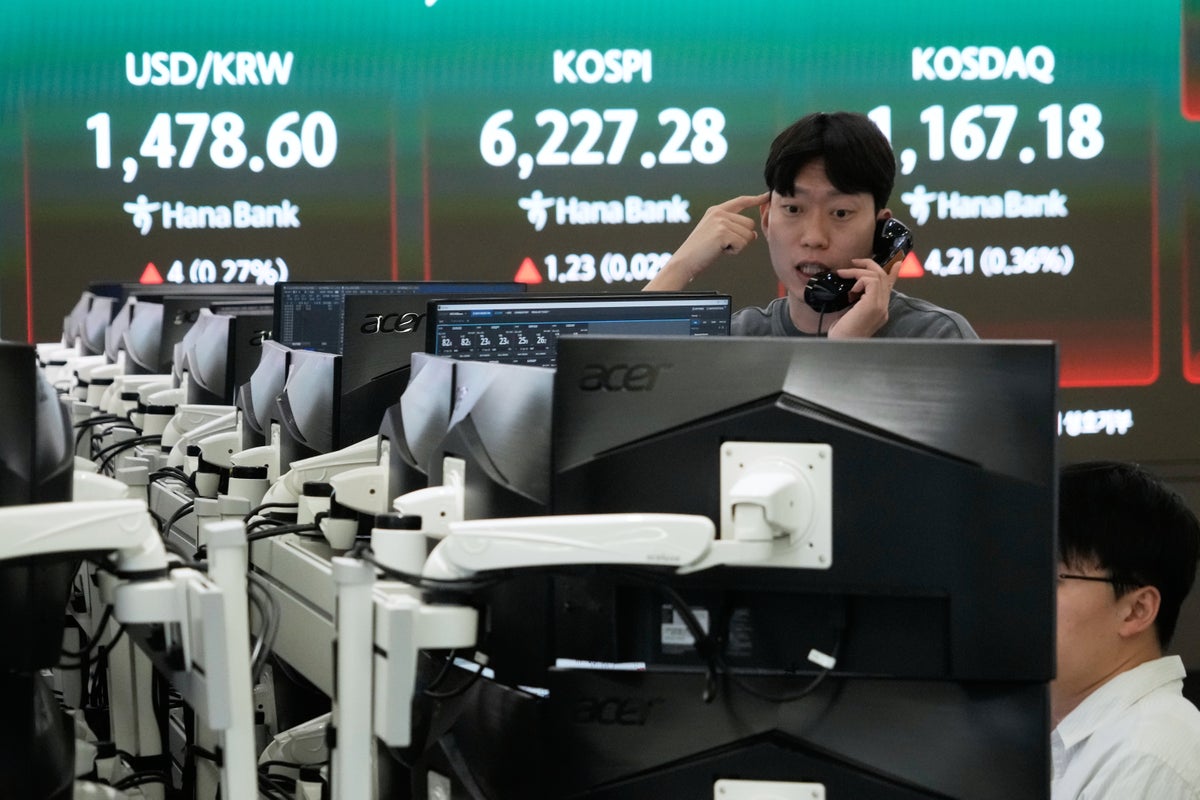
Oil prices fall again amid Middle East ceasefire hopes