

Business
Taxpayer left with hefty bill from high UK borrowing costs – report


High government borrowing costs since Labour won the election have cost the taxpayer up to £7 billion amid concerns over the state of the UK’s finances, but this “premium” is showing signs of coming to an end, according to a report.
The Institute for Public Policy Research (IPPR) found the UK had seen “uniquely high” borrowing costs when compared to other advanced countries, with yields on government bonds – also known as gilts – having risen steadily since Labour came into power in the summer of 2024.
Yields on gilts, which move counter to the price of bonds, were up to 80 basis points higher than competitors since the election, costing the taxpayer between £2 billion and £7 billion a year, the IPPR said.
Repeated bouts of sell-offs had put gilts under pressure, it found, calculating that, at the peak, UK Government borrowing costs were six times more expensive than before the pandemic.
Former prime minister Liz Truss and her disastrous mini-budget saw gilts yields surge in September 2022 and they have come under renewed pressure over the past year as concerns over UK borrowing resurfaced.
At the recent high point, the yields on long-dated 30-year gilts had risen by 4.1 percentage points since 2022, which is 150 basis points more than the US and 100 basis points higher than for the eurozone, according to the IPPR.
The report said this was likely to have been driven by market doubts over the Government’s plans to bring down UK borrowing and whether they could be delivered.
The Bank of England also added further pressure to gilts with its programme to sell off its stock of government bonds at a faster pace than other central banks, the IPPR added.
But gilt yields have eased back in recent months – noticeably since the Chancellor’s pre-budget speech and falling further since the fiscal event on November 26, when she outlined a series of tax hikes and moves to repair the public finances.
Government borrowing is now forecast to halve over the course of this parliament.
William Ellis, senior economist at the IPPR, said: “The premium on UK borrowing costs appears to be easing, showing that markets are responding to growing confidence in the Government’s fiscal approach.”
With the UK on course to spend £92 billion on interest payments alone this year, the IPPR added that continuing declines in gilt yields could save the taxpayer “billions of pounds in reduced borrowing costs”.
Carsten Jung, associate director for economic policy at the IPPR, said: “With clear, credible fiscal plans, the UK could be a star performer in the G7 – and simply reassuring markets that we’ll stick to those plans could save billions.
“The Bank of England also needs to pull its weight. Actively selling government bonds is adding unnecessary pressure to the gilt market. It should stop – just as every other major central bank has.”
A Treasury spokesman said: ““As the Chancellor has said her fiscal rules are non-negotiable and will get borrowing down while supporting investment.
“Borrowing this year is set to be the lowest for six years as a share of GDP, we’re cutting borrowing more than any other G7 country, and we’ve doubled headroom on the stability rule to over £21.7 billion to drive costs down further.”
The Bank of England has been approached for comment.

BENGALURU: Walmart-owned e-commerce firm Flipkart on Thursday said its group chief financial officer Sriram Venkataraman is quitting the firm as the company prepares for its next phase of growth and a potential public listing.Venkataraman will remain with the company for a period to ensure continuity and a smooth handover, Flipkart said. During this transition, Ravi Iyer will oversee the broader finance organisation.The move comes as Flipkart tightens its leadership structure ahead of a potential IPO, sharpening focus on profitability and scale. Flipkart group CEO Kalyan Krishnamurthy said Venkataraman played a key role in building and strengthening the finance function.
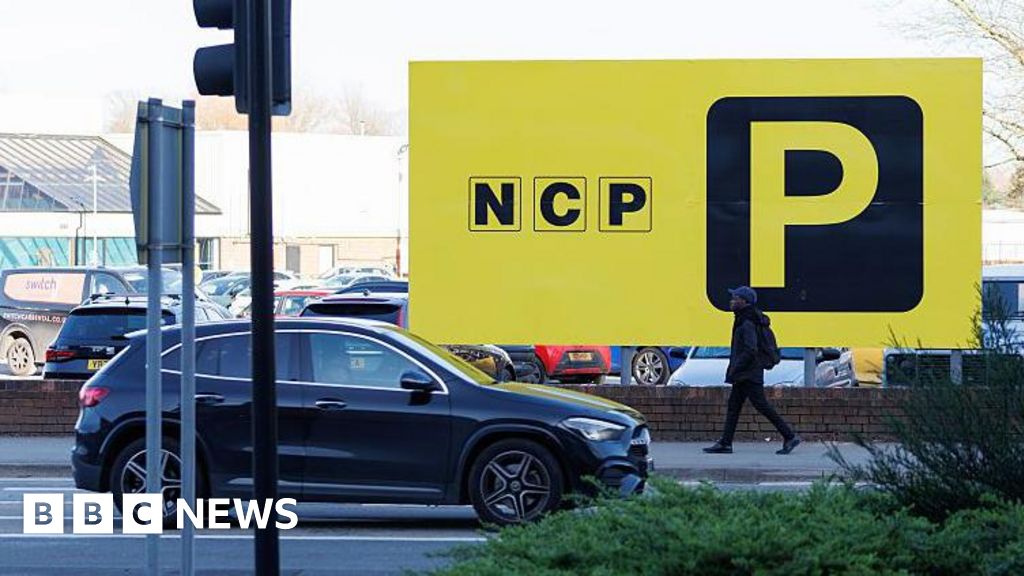
How could a company that charged as much as £65 for a day’s parking fail to turn a profit?
Source link

NEW DELHI: India’s weekly LPG imports fell to 265,000 tonnes in the week to March 19, from 322,000 tonnes on March 5. West Asia inflows declined to just 89,000 tonnes in the week to March 19, the lowest share since Jan 2026, according to S&P Commodities At Sea (CAS).The report, however, added that alternative regional supplies increased to 176,000 tonnes, largely from the US, in the week to March 19, up from zero the previous week when West Asia accounted for 100% of imports.The report said Indian oil marketing companies are likely to import 2.2 million tonnes of LPG from the US in 2026. CAS data added that US LPG loadings destined for India are increasing, with volumes now surpassing those from traditional Gulf suppliers. Petroleum ministry officials confirmed that some cargoes from the US had already arrived, but did not specify the number.With officials calling the availability of LPG “worrisome”, India is trying to secure the cooking gas from diversified sources, including Russia and Japan.Officials said some cargoes had already arrived from the US, while oil refineries were deliberating with suppliers across other geographies to bridge the gap created by disruptions in supplies through the Strait of Hormuz. While LPG supplies from West Asia take 7-8 days to reach India, officials said cargoes from the US take about 45 days, while those from Russia and Japan may take 35-40 days.India imports nearly 60% of its LPG requirement and about 90% of it comes from West Asia.


China’s textile & apparel exports surge 17% to $50 bn in Jan-Feb 2026

Why Barry Keoghan is stepping back from the spotlight?

Iran conflict heightens risks to developed markets’ growth: Fitch

-

 Fashion1 week ago
Chinese firm to invest $15.34 million in garment factory at BEPZA
-
 Business1 week ago
US issues 30-day waiver for Russian oil shipments stranded at sea | The Express Tribune
-

 Fashion1 week ago
US unemployment rate 4.4% in Feb 2026, LFPR 62%: BLS
-

 Sports1 week ago
Bilas’ All-America teams: My top 20 men’s college basketball players of 2025-26
-
 Business1 week ago
Oil holds above $100 as tensions escalates between Iran, US and Israel – SUCH TV
-

 Tech7 days ago
Tips and Advice for Buying Used or Refurbished Electronics
-

 Entertainment6 days ago
Strategic oil stocks to be released ‘immediately’ in Asia and Oceania: IEA
-

 Sports6 days ago
Japan suffers shocking collapse to Venezuela in World Baseball Classic