

Business
Trump’s credit card rate cap plan has unclear path, ‘devastating’ risks, bank insiders say


Bank executives were sent scrambling over the weekend after President Donald Trump declared late Friday that American credit card companies would be subject to a 10% cap on the interest rate they can charge customers.
The move sent shares of large banks including Citigroup, JPMorgan Chase, Wells Fargo and Bank of America down between 1% and 4% in early trading Monday. Companies more tightly tethered to the card industry, like Visa, Mastercard and American Express, also fell. Capital One, whose loan book is mostly from credit cards, sank nearly 7%.
Trump proposed a one-year cap on interest rates starting Jan. 20. While it’s unclear exactly how that would be enforced, the industry’s message is clear: the plan would bring unintended consequences for consumers and the American economy.
The move would make large swaths of the credit card industry unprofitable, especially tied to customers with less-than-ideal credit profiles, according to banks and analysts. The average credit card rate nationally is 19.7% as of this month, according to a weekly survey from Bankrate.com, while rates for subprime borrowers and store-specific cards are even higher.
Rather than offer loss-making products to consumers, the industry would simply stop offering access to customers with subprime credit, along with a slew of other changes around card programs including scaling back rewards, insiders say. Consumers would either spend less or rely on other forms of unsecured debt, many of which carry even higher interest rates than credit cards, they say.
“We cannot offer products at a loss; there’s no scenario where we would take our entire portfolio to 10%,” said a person with knowledge of the operations of a large bank, who asked to remain anonymous to speak candidly. “It’s not a stretch to suggest this will very quickly tank the economy.”
The drag on the economy from less spending could be more acute for airlines, retailers and restaurants, which would have to make up for lost card revenues by “potentially raising pricing” on their services, KBW analysts led by Sanjay Sakhrani and Chris McGratty said in a Jan. 11 research note.
The industry’s trade groups issued a joint statement late Friday making their case.
“Evidence shows that a 10% interest rate cap would reduce credit availability and be devastating for millions of American families and small business owners who rely on and value their credit cards, the very consumers this proposal intends to help,” the trade groups said.
(L-R) Wells Fargo CEO and President Charles Scharf, Brian Bank of America Chairman and CEO Thomas Moynihan, JPMorgan Chase Chairman and CEO Jamie Dimon, Citigroup CEO Jane Fraser, State Street CEO Ronald OÕHanley, BNY Mellon CEO Robin Vince, Goldman Sachs CEO David Solomon and Morgan Stanley CEO James Gorman, testify during a Wall Street oversight hearing by the Senate Banking, Housing, and Urban Affairs committee on Capitol Hill in Washington, DC, December 6, 2023.
Saul Loeb | AFP | Getty Images
‘Opening bid?’
This isn’t the industry’s first time contending with possible price controls. A bill was introduced last year from Sen. Josh Hawley of Missouri and Sen. Bernie Sanders of Vermont that would limit card APRs at 10% for five years.
While that bill is stalled in Congress, a study looking at the Missouri market from the Electronic Payments Coalition found that a 10% cap on rates would mean that more than 80% of card accounts would lose access. Most accounts with credit scores below 740 would be shut, the study claimed.
Complicating matters, it is unclear to bankers how Trump’s rate cap would take place.
The most straightforward approach, through legislation in Congress, isn’t possible by the proposed Jan. 20 start date, said Tobin Marcus, head of U.S. policy at Wolfe Research.
Other enforcement means, through banking regulators including the Consumer Financial Protection Bureau, are also possible. But the Trump administration has repeatedly tried to shutter that agency, and the industry has had a successful run at defeating CFPB rules in federal courts.
“I’m not aware of an authority that they can use to do this unilaterally in any kind of a sweeping way,” Marcus said. “As far as I can tell, telling them they have until Jan. 20 is an attempt to create pressure and have them do it voluntarily.”
While the exact mechanism that Trump can use to enforce an interest rate cap is unclear, card issuers now face the risk that rates could be headed lower in some form of negotiated compromise with the government, KBW’s McGratty said in an interview.
“Is 10% an opening bid?” he said. “There’s a long distance between 10% and what companies charge today.”
Americans had a collective $1.23 trillion in credit card debt as of the third quarter last year, according to data from the Federal Reserve Bank of New York. Balances have been climbing as many Americans spent down the savings they’d built up during the global coronavirus pandemic.
Correction: This story has been updated to correct the spelling of Capital One.







Business
UAE stock markets close, trading halted by Abu Dhabi Securities Exchange and the Dubai Financial Market for two days amid Iran–US–Israel war fallout – The Times of India
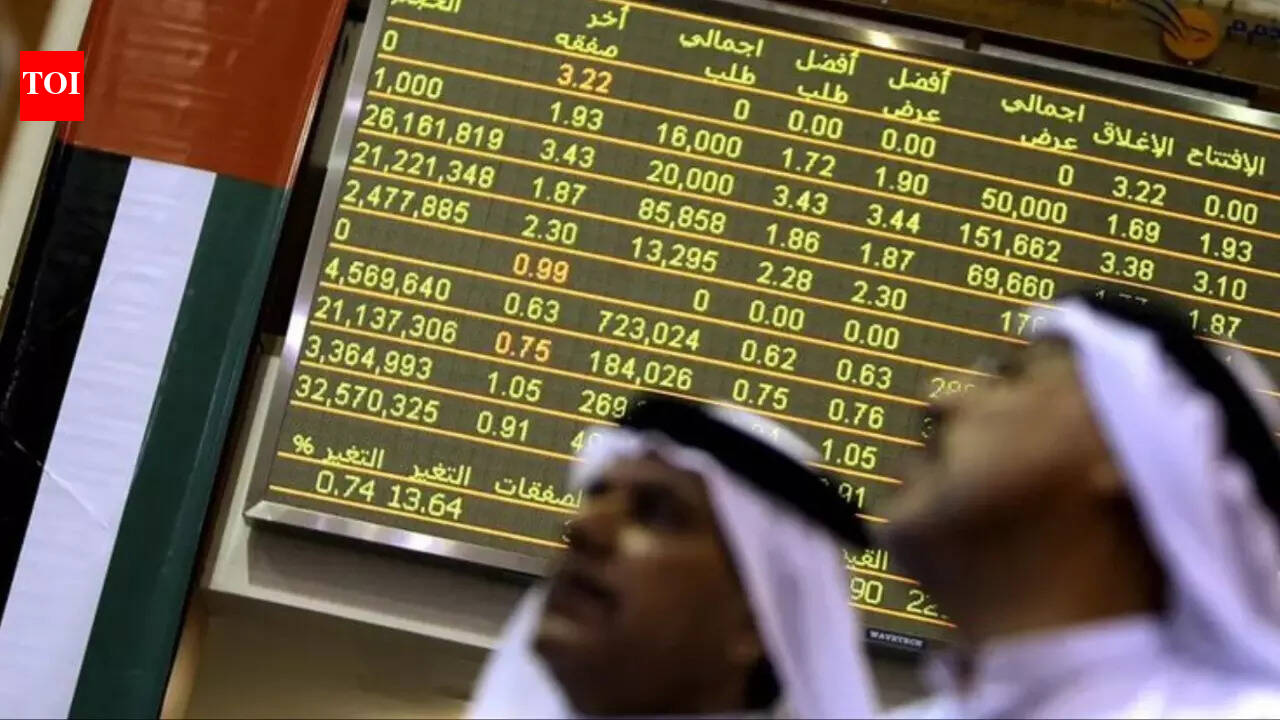
In an unprecedented economic response to escalating regional conflict, the United Arab Emirates has announced that its two major financial markets, the Abu Dhabi Securities Exchange (ADX) and the Dubai Financial Market (DFM), will remain closed on Monday, March 2 and Tuesday, March 3, 2026. The decision comes as the UAE reels from a series of retaliatory Iranian strikes following coordinated US and Israeli military actions against Iran, which have destabilised Gulf business sentiment and prompted sweeping security and economic precautions.The UAE Capital Markets Authority said that keeping the exchanges closed temporarily is part of its supervisory and regulatory mandate, providing authorities and market participants time to assess the impact of recent events on financial infrastructure and investor confidence. The halt affects equities, derivatives and trading in hundreds of billions of dollars in listed assets and is among the clearest signs yet of economic shockwaves from the regional crisis.
Why UAE stock markets are paused: Regional conflict among Iran–US–Israel disrupts confidence
The closures follow Iran’s retaliatory missile and drone strikes on Gulf cities and strategic targets, including airports and other infrastructure, after a joint US–Israel offensive. These attacks have not only led to safety measures such as airspace restrictions and travel advisories but also triggered widespread business disruption across the Gulf. Major airports in Dubai and Abu Dhabi have seen operations halted or altered and commercial hubs from ports to retail centres have felt the strain.
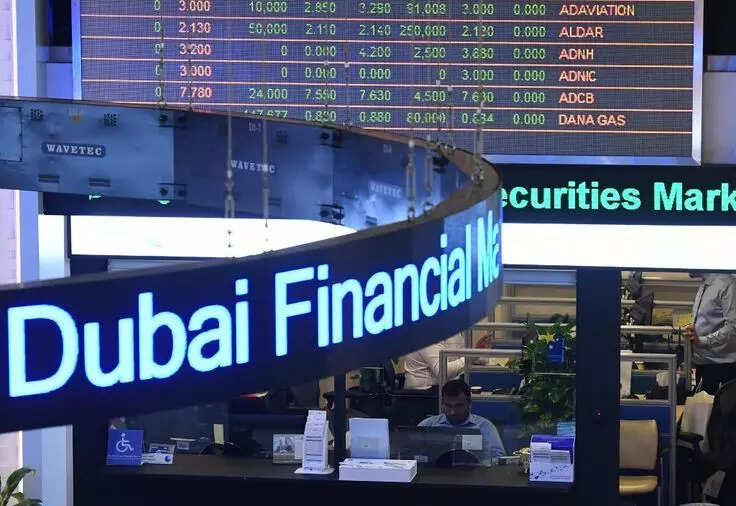
UAE Markets Shut Down: Is This Economic Capitulation to Regional War?
Financial markets are typically among the first economic indicators affected by geopolitical instability. When investors fear prolonged unrest, they often pull funds from equities and seek so-called “safe-haven” assets like gold, sovereign debt or commodities such as oil, especially when conflict threatens critical energy supply corridors like the Strait of Hormuz.
Regional market turmoil and knock-on effects in the Middle East amid Iran–US–Israel clashes
While the UAE exchanges are closed, other Gulf markets that remained open on Sunday experienced significant sell-offs as investors reacted to the turmoil:
- Saudi Arabia’s benchmark index saw sharp drops before partially recovering as investors weighed conflict risks against energy price gains.
- Muscat and other regional bourses also slid, reflecting broader risk-off sentiment.
- In Kuwait, authorities took the rare step of suspending trading indefinitely due to “exceptional circumstances” linked to the same regional tensions.
Financial markets are serving as a barometer of risk and economic confidence and the dramatic moves across the Gulf underscore how intertwined political stability is with economic performance in the region.
What the UAE’s stock market closure means for investors
For both domestic and international investors, the temporary shutdown of ADX and DFM has several implications. Liquidity and price discovery are paused, leaving billions of dollars in listed assets in limbo. Risk premiums on Gulf assets may rise, as traders reassess exposure during periods of heightened uncertainty. Investor sentiment is likely to remain fragile until there are visible signs of de-escalation or credible diplomatic resolutions.Economists note that halting trading does not eliminate market pressure, it simply delays it and when markets do reopen, there may be sharp moves as investors recalibrate positions based on new geopolitical and economic realities. The conflict has not just shaken stock markets, energy markets have also reacted. Reports from analysts indicate that crude oil prices have surged as fears of supply disruptions increase, with the Strait of Hormuz, a crucial passage for roughly 20% of global oil exports, under theoretical threat of closure.
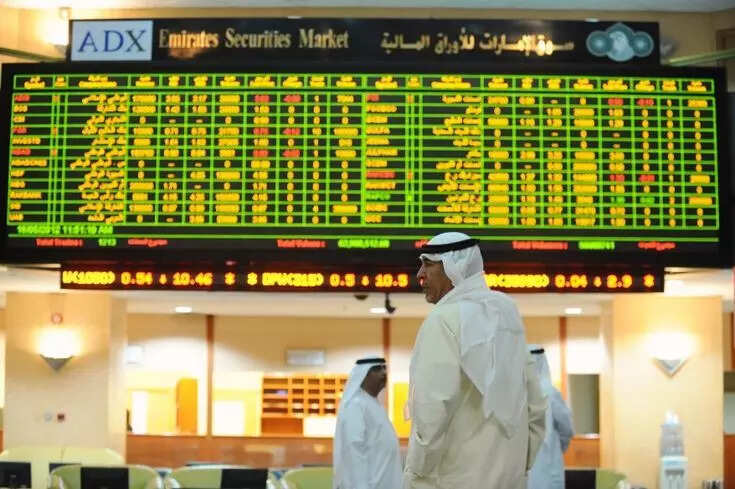
UAE Stock Markets Closed: What Does This Mean for Global Investors Amidst Escalating Conflict?
Higher oil prices can partially offset stock market pain in energy-exporting economies like the UAE but the overall economic impact remains complex. Other sectors, from tourism and hospitality to trade and logistics, have also felt immediate fallout: airport shutdowns have stranded travellers and corporate events and networking key to Ramadan business cycles have been postponed, compounding uncertainty.
UAE government messaging and future prospects
UAE authorities have stressed that public and economic safety remain top priorities. The temporary market closure is coupled with broad advisories across transportation, education and public services, such as airports issuing travel advisories and schools moving to remote learning, aimed at ensuring operational stability while the situation evolves. Officials have pledged to monitor conditions closely and communicate updates on any further market action. This includes potential rescheduling of reopening dates for ADX and DFM or additional measures to support investors once trading resumes.The UAE Capital Markets Authority ordered a two-day closure of the Abu Dhabi and Dubai stock markets on March 2–3, 2026, in response to escalating regional tensions. The pause follows retaliatory strikes by Iran after US and Israeli military action, which have disrupted markets, air travel and business operations across the Gulf. Gulf markets that remained open experienced sharp declines and volatility, reflecting investor risk aversion. Oil prices and safe-haven assets have climbed as geopolitical risk fuels global economic uncertainty. Authorities will continue to assess and communicate market developments as conditions evolve.
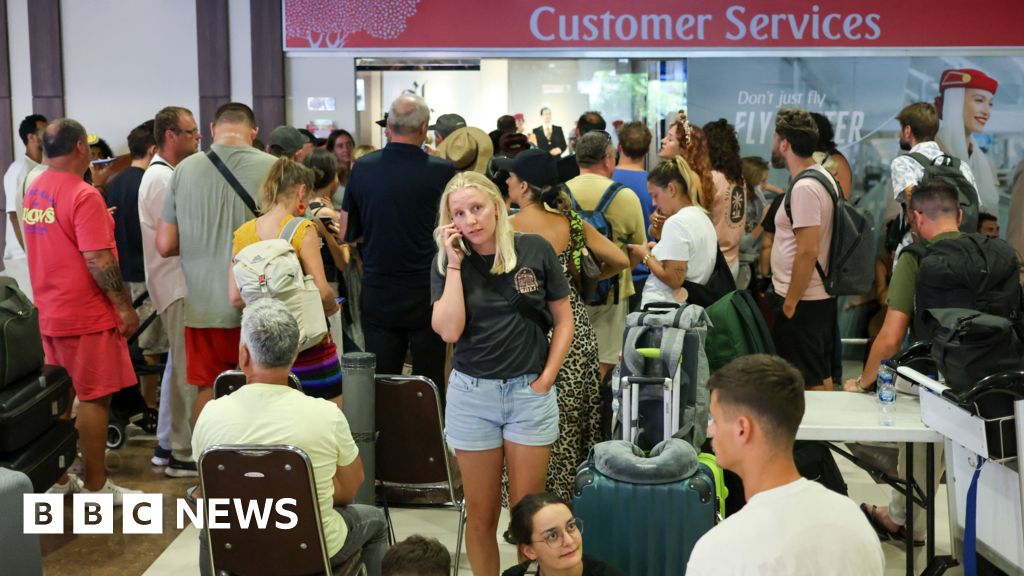
BA and Virgin Atlantic are among major airlines to ground services to the Middle East in light of the attacks.
Source link
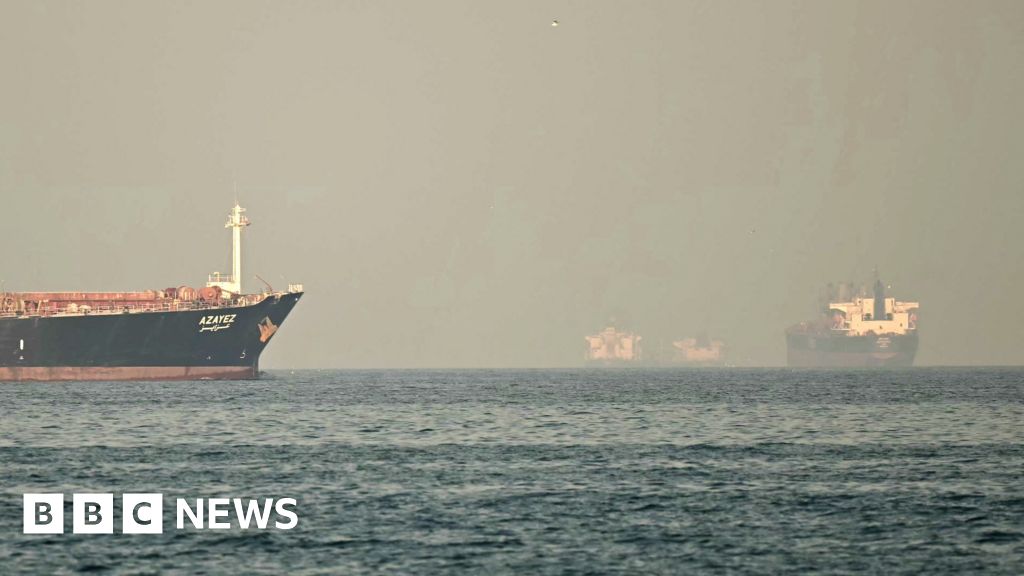
International shipping is said to have come to a standstill at the strait’s entrance, with fears of disruption already pushing up global oil prices.
Source link


USA vs. Argentina (Mar 1, 2026) Live Score – ESPN

Shia LaBeouf battles addiction amid public and legal pressure
UAE stock markets close, trading halted by Abu Dhabi Securities Exchange and the Dubai Financial Market for two days amid Iran–US–Israel war fallout – The Times of India

Pakistan carries out precision strikes on seven militant hideouts in Afghanistan

Eye-popping rise in one year: Betting on just gold and silver for long-term wealth creation? Think again! – The Times of India

The Supreme Court’s Tariff Ruling Won’t Bring Car Prices Back to Earth

-
 Politics1 week ago
Pakistan carries out precision strikes on seven militant hideouts in Afghanistan
-
Business1 week ago
Eye-popping rise in one year: Betting on just gold and silver for long-term wealth creation? Think again! – The Times of India
-
 Tech1 week ago
The Supreme Court’s Tariff Ruling Won’t Bring Car Prices Back to Earth
-

 Sports1 week ago
Kansas’ Darryn Peterson misses most of 2nd half with cramping
-

 Tech1 week ago
These Cheap Noise-Cancelling Sony Headphones Are Even Cheaper Right Now
-

 Sports1 week ago
How James Milner broke Premier League’s appearances record
-

 Entertainment1 week ago
Viral monkey Punch makes IKEA toy global sensation: Here’s what it costs
-

 Entertainment1 week ago
Saturday Sessions: Say She She performs "Under the Sun"