

Politics
UK will not be drawn into wider Iran war: Starmer

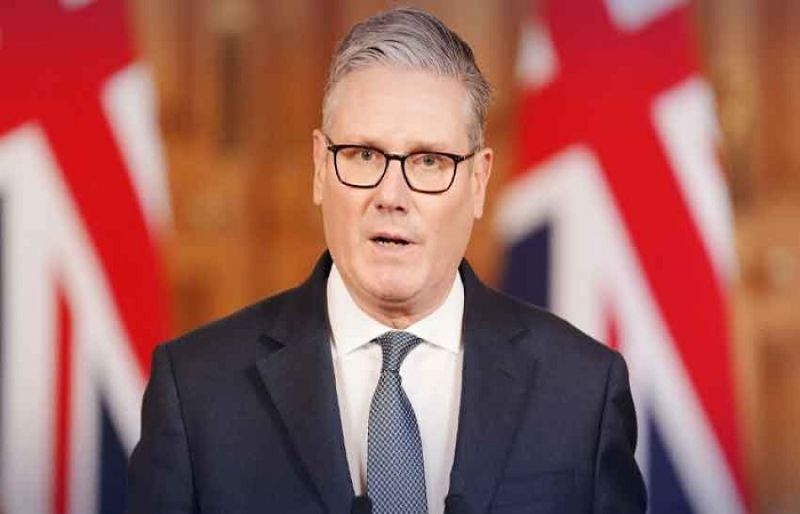

British Prime Minister Keir Starmer said Britain would not be drawn into a wider war in Iran but would work with allies, including those in Europe, to reopen the key Strait of Hormuz, although he acknowledged that it would not be easy.
Starmer, who has faced pressure from critics at home and from US President Donald Trump over what support to provide for the strikes on Iran, said reopening a waterway that is vital for oil and liquefied natural gas was key to stabilising energy markets.
He also set out the first financial support as a result of the conflict, a 53-million-pound ($70.30 million) package for the most vulnerable households that rely on heating oil, an energy source that has spiked after the launch of the conflict.
Trump said at the weekend that he wanted allies, including China, France, Japan, South Korea, Britain and others, to send ships to the area to keep the Strait open and safe.
Starmer told a press conference on Monday that ultimately the Strait of Hormuz had to be reopened to “ensure stability in the (oil) market”. But he added: “That is not a simple task”.
“So we’re working with all of our allies, including our European partners, to bring together a viable collective plan that can restore freedom of navigation in the region as quickly as possible and ease the economic impact.”
About a fifth of global oil and liquefied natural gas normally passes through the strait, a narrow passage of water between Iran and Oman. Tehran’s ability to stop shipping through the channel could give it enormous leverage over the US and its allies.
- White House sees war powers clock as halted.
- No US-Iran fire reported since early April ceasefire.
- Democrats dispute truce effect on legal deadline.
WASHINGTON: A US-Iran ceasefire that began in early April has “terminated” hostilities between the two sides for the purposes of an approaching congressional war powers deadline, a senior official of President Donald Trump’s administration said on Thursday.
Trump faced a deadline on Friday to end the Iran war or make the case to Congress for extending it, but the date was most likely to pass without altering the course of the war.
“For War Powers Resolution purposes, the hostilities that began on Saturday, February 28, have terminated,” said the official, describing the administration’s thinking.
There has been no exchange of fire between the US armed forces and Iran since a fragile ceasefire began more than three weeks ago, the official added.
Earlier, analysts and congressional aides had said they expected Trump to notify Congress that he planned a 30-day extension or to disregard the deadline, with the administration arguing the ceasefire marked an end to the conflict.
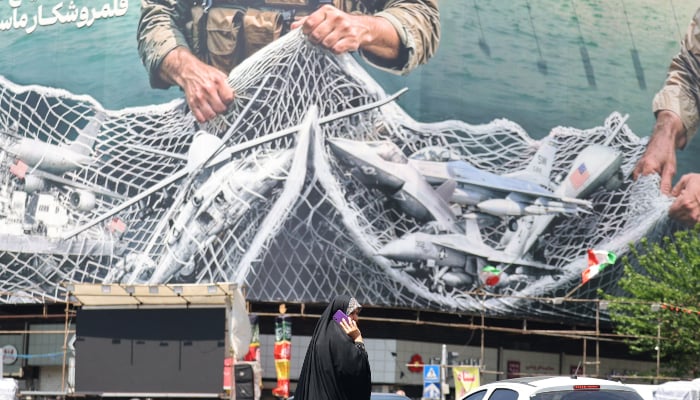
The 1973 law allows the president 60 days to wage military action before ending it, seeking authorisation from Congress or asking for a 30-day extension on grounds of “unavoidable military necessity” for the safety of the armed forces.
The Iran war began with airstrikes launched by Israel and the United States on February 28. Trump formally notified Congress of the conflict 48 hours later, triggering a 60-day deadline of May 1.
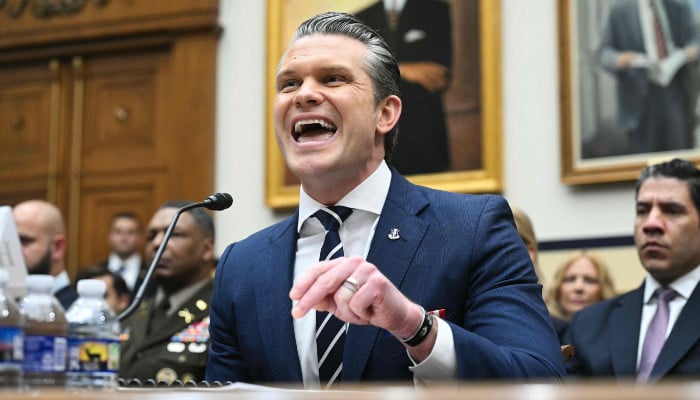
Defence Secretary Pete Hegseth told a Senate hearing on Thursday he understood that the 60-day clock stopped during the truce. Opposition Democrats disputed that, saying there was no such legal provision.
The US Constitution says only Congress, not the president, can declare war, but the curb does not apply for operations the administration casts as short-term or countering an immediate threat.
Trump’s Republican Party holds a narrow majority in both chambers of Congress. Democrats have tried since the war began to pass resolutions to force Trump to withdraw US forces or obtain congressional authorisation.
Republicans have voted them down.
Iran responded to the February 28 attacks by the US and Israel with its own strikes on Israel and Gulf states that host American bases. US-Israeli strikes on Iran and Israeli attacks in Lebanon have killed thousands and displaced millions.
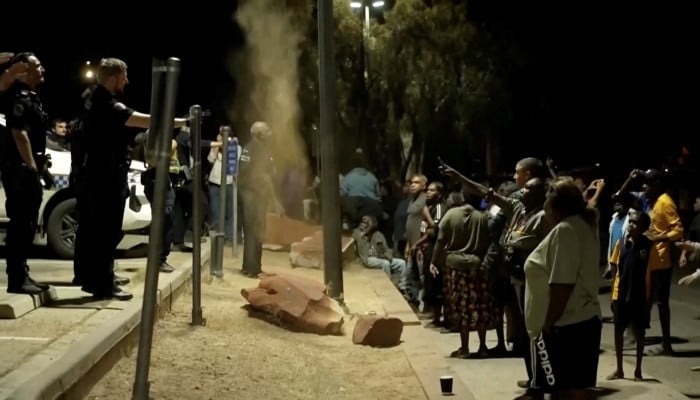
SYDNEY: An angry crowd clashed with Australian police outside a hospital treating the suspected killer of a five-year-old Indigenous girl in the outback town of Alice Springs.
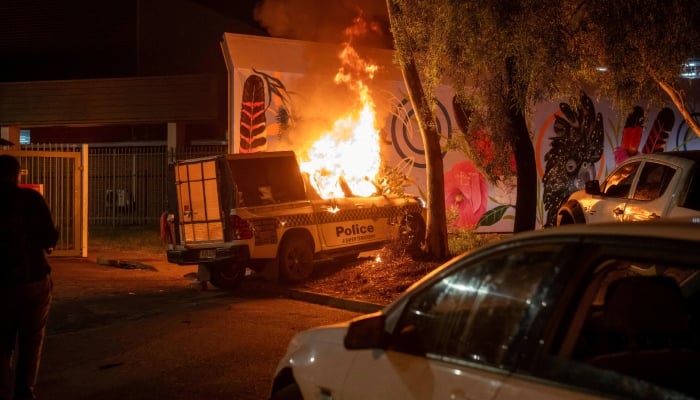
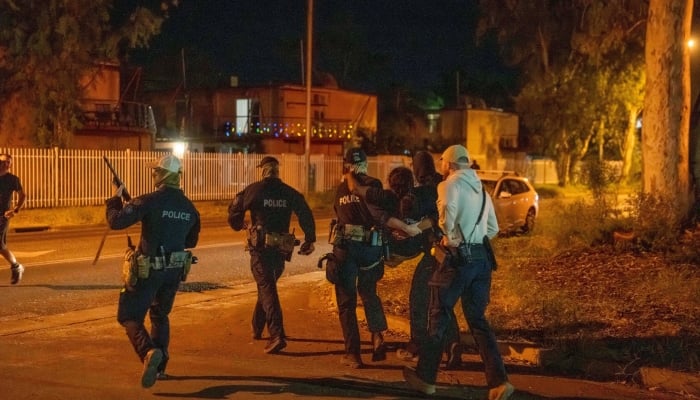
Images on local media Friday showed teargas in the air, a police van in flames, and crowds yelling at armed officers keeping people at bay during the overnight confrontation.
The violence followed the discovery Thursday of a body south of Alice Springs believed to be that of the little girl, referred to at her family’s request as Kumanjayi Little Baby.
She had disappeared from an Indigenous community camp called Old Timers late on Saturday night, sparking a vast, days-long search on foot, horseback, and by helicopter that gripped much of the country.
Police said a formal autopsy would be held on the child’s body, which was found about five kilometres (three miles) from the camp.
Hours after her body was found, police announced they had arrested the suspect, Jefferson Lewis.
‘He was unconscious’
Lewis was beaten until he was unconscious after turning himself in to Indigenous community members on Thursday evening at a camp by Alice Springs, in central Australia.
When police and emergency services intervened, they too came under attack, said Northern Territory Police Force Commissioner Martin Dole.
“At the time of his apprehension by us, he was unconscious and he was in the process of being treated by St John’s Ambulance when they were set upon, as were the police,” he told a news conference.
Lewis was then taken to hospital.
“A large crowd gathered and tried to gain access to that hospital,” the police commissioner said.
“We called out all the resources we had available to quell that violent disturbance. And just let me say that the behaviour that we saw last night cannot be explained away, excused or accepted.”
Dole said “a number” of police were injured at the hospital, and one officer was treated for a head wound inflicted during the suspect´s arrest.
Ambulance and fire crew members were also attacked, he said, with one fire and rescue officer receiving a “significant facial injury”.
‘Sorry business’
One woman was being investigated for allegedly trying to set a police car alight.
Many people outside the hospital shouted that Lewis must face “payback”, public broadcaster ABC reported, referring to a traditional punishment in central Australian Indigenous communities.
“I just call for calm across the community,” Dole said.
Police said they removed Lewis for his safety from the hospital to the Northern Territory capital of Darwin, where he was being held in custody.
He is expected to face charges in the coming days.
Northern Territory Chief Minister Lia Finocchiaro said the girl’s death was the realisation of “our worst nightmares”.
But it was no excuse for violence, she said, recalling how the community had united to search for the missing child.
“This week, we’ve seen this town come together like never before — hundreds of people walking shoulder to shoulder through the long buffel grass, through the bush, to make sure we left no stone unturned,” Finocchiaro said.
“I don’t want last night to take away from that extraordinary effort.”
Robin Granites, a spokesman for the family and an elder of the Warlpiri Indigenous group, called for calm in the community.
“It is time now for sorry business, to show respect for our family and have space for grieving and remembering,” he said in a statement.
“We need to be strong for each other, we must respect family and cultural practice.”
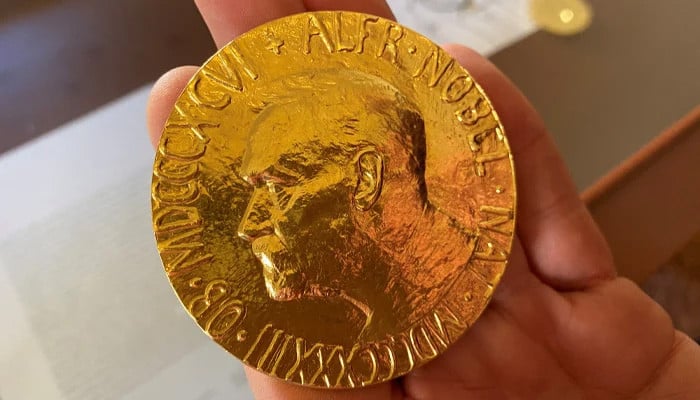
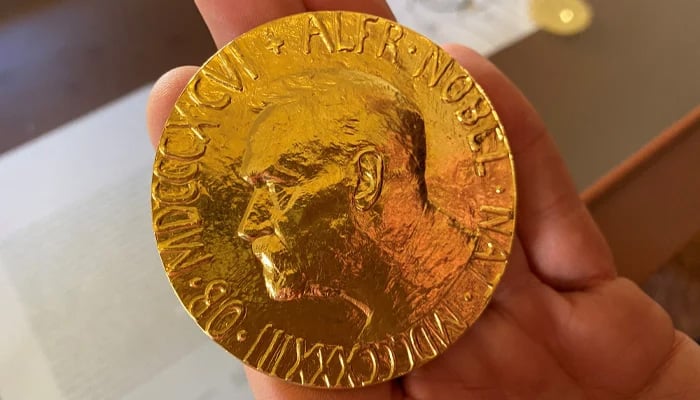
Some 287 candidates will be considered for the 2026 Nobel Peace Prize, the secretary of the Norwegian Nobel Committee said on Thursday, with US President Donald Trump likely to be among the nominees.
Of this year’s nominations, 208 are individuals and 79 are organisations, said Kristian Berg Harpviken, adding that there were many new nominees compared to last year.
“Since I am new in the job, one of the things that has to some extent surprised me is how much renewal there is from year to year on the list,” Harpviken said in an interview. He has held the position since January 2025.
Despite the number of conflicts rising worldwide and international cooperation under pressure, the award remains relevant, he added.
“The Peace Prize is even more important in a period like the one we’re living in,” he said. “There is as much good work, if not more, than ever.”
Trump likely nominated, but not confirmed
The leaders of Cambodia, Israel and Pakistan have said they nominated Trump for this year’s prize. Their nominations, if made, would have been done in spring and summer 2025, and they are therefore valid given the deadline was January 31.
There is no way of verifying they have done as they have said as nominations remain secret for 50 years and Harpviken declined to say on Thursday whether Trump had been nominated.
A nomination is not an endorsement by the award body.
In addition to committee members, thousands of people worldwide can propose names: members of governments and parliaments; current heads of state; university professors of history, social sciences, law and philosophy; and former Nobel Peace Prize laureates, among others.
Many names appear on betting sites giving odds on this year’s possible laureates, from Russia’s Yulia Navalnaya, the wife of the late Russian opposition leader Alexei Navalny, to Pope Leo and Sudan’s Emergency Response Rooms, a volunteer aid group, among others.
Concern for health of jailed Iranian laureate
Harpviken said the committee was deeply concerned about the health of the 2023 Peace Prize laureate, Iranian human rights activist Narges Mohammadi, which is worsening after she suffered a heart attack in prison.
Her supporters said on Wednesday her life was in imminent danger.
“Her sister was able to visit her in prison yesterday and the reports coming out after that are actually quite alarming as to her health condition,” said Harpviken.
“We see there is a lot of international pressure now. So we hope that the Iranian authorities do pay attention to that and release her so that she can have proper medical treatment.”
Who else could be nominated?
Among possible nominees for this year’s prize are Lisa Murkowski, the US senator for Alaska, and Aaja Chemnitz, a member of the Danish parliament elected from Greenland, according to the Norwegian lawmaker who nominated them both.
“Together they have worked relentlessly to build trust and to secure a peaceful development of the Arctic region over many years,” said the lawmaker, Lars Haltbrekken.
Greenland has been in particular focus this year due to Trump’s relentless push to acquire the island from Nato ally Denmark.
This year’s Nobel Peace Prize will be announced on October 9, while the ceremony will take place on December 10.


Iran war redraws sea routes with Africa as the pivot

This Indigenous Language Survived Russian Occupation. Can It Survive YouTube?

Germany’s Adidas posts strong Q1 on DTC momentum, broad demand

-

 Sports1 week ago
PSL 11: Hyderabad Kingsmen opt to field after winning toss against Multan Sultans
-
 Business1 week ago
Trump administration in advanced talks for a rescue package for Spirit Airlines, source says
-

 Entertainment1 week ago
Anne Hathaway shares major news about ‘Princess Diaries 3’
-
 Business1 week ago
Gold prices in Pakistan Today – April 23, 2026 | The Express Tribune
-

 Entertainment1 week ago
Mike Vrabel to miss Patriots’ final NFL draft day —here’s why
-

 Fashion1 week ago
Canada forms new advisory committee to strengthen US trade relations
-

 Fashion1 week ago
US CBP to soon launch electronic system for importers to claim refunds
-
 Business1 week ago
Iran war: Trump sanctions waiver or not – why India continues to buy Russian oil – The Times of India