

Fashion
UK’s Sosandar Q3 FY26 revenue rises 10% to $18.09 mn


The company continued to see strong momentum in its own website, where revenue rose 27 per cent year on year (YoY), supported by higher site traffic, improved conversion rates and increased order volumes from both new and existing customers. The gross margin improved to 66 per cent, compared with 64.7 per cent in the same period of FY25, driven by an improved intake margin, Sosandar said in a press release.
Sosandar plc has posted a 10 per cent rise in Q3 FY26 revenue to £13.4 million (~$18.09 million), driven by a 27 per cent surge in own-site sales and improved margins.
Gross margin rose to 66 per cent, while net cash reached £9.7 million (~$13.10 million).
Trading remained in line with expectations, with full-year revenue forecast at £43.6 million (~$58.86 million).
The company said its partnership with Marks & Spencer (M&S) continues to trade with stock levels below the prior year following a cyber incident, with stock levels expected to normalise by Spring 2026. Performance through physical stores was also encouraging, with sales ahead of the prior year.
The group ended the period with strong net cash of £9.7 million (~$13.1 million) as of January 9, 2026, compared with £9.5 million on November 22, 2025, after returning £0.8 million to shareholders through market purchases of the company’s shares.
Q3 performance was in line with management expectations and remains on track to meet market expectations for the full fiscal. The current market forecasts for full fiscal ending March 31, 2026, are revenues of £43.6 million (~$58.86 million) and profit before tax of £0.4 million.
Strong H1 momentum carried into the second half (H2), lifting Q3 revenue by 10 per cent YoY to £13.4 million from £12.2 million. This was driven mainly by Sosandar’s own site, the cornerstone of its brand, where revenue surged 27 per cent on the back of higher traffic, stronger conversion and rising order volumes.
“We are pleased to see the positive momentum has continued into the second half of the financial year, with continued revenue growth and improved margins. The foundations have been laid for sustained profitable and cash-generative growth and we are excited for what 2026 will bring,” said Ali Hall and Julie Lavington, joint-CEOs of Sosandar plc.
Fibre2Fashion News Desk (SG)









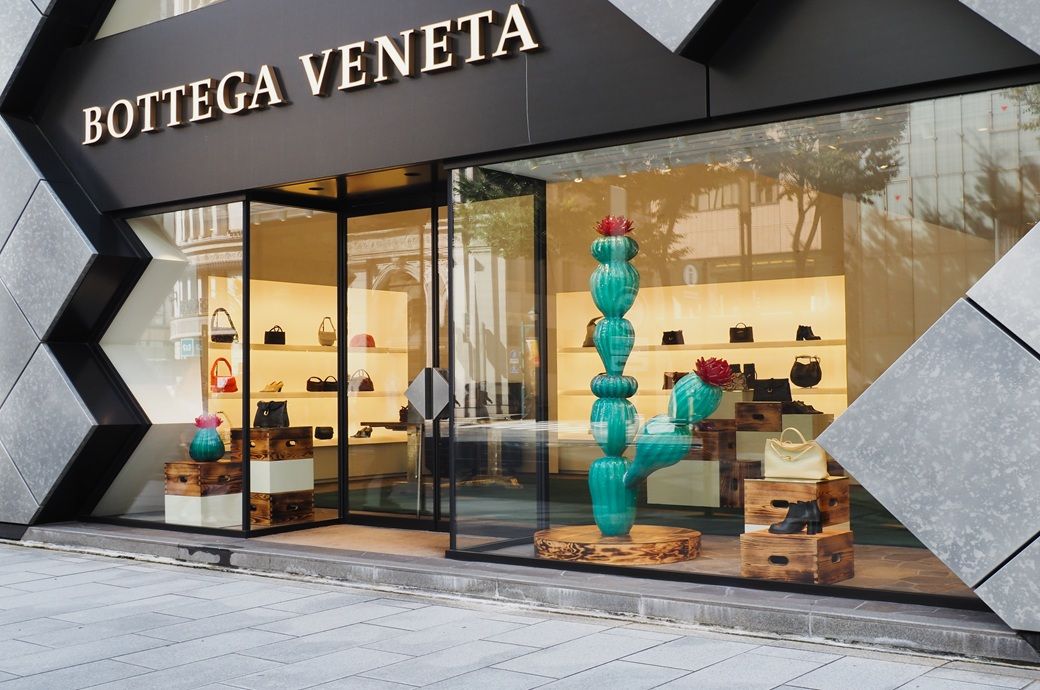
This partnership brings together ICCF’s deep understanding of the Chinese luxury ecosystem and cultural landscape with the Kering long-standing expertise in craftsmanship, operations and brand development in Europe.
Kering has partnered with ICCF and will take a minority stake to support the growth of ICICLE.
The collaboration combines ICCF’s insight into China’s luxury market with Kering’s expertise in craftsmanship and brand building.
Backed by Kering’s House of Wonders initiative, the deal aims to expand ICICLE internationally and broaden its product range.
The investment of Kering will support the next phase of development of ICCF’s flagship brand ICICLE, including the continued international expansion of the brand, as well as the enrichment of its product offering across new categories.
Founded in 1997 in Shanghai, ICICLE is a fashion brand known for a design aesthetic rooted in Eastern philosophy, bringing together natural materials, refined craftsmanship and a quiet, contemporary sensibility. The brand specializes in women’s and men’s ready-to-wear and accessories and operates more than 200 stores, including flagship locations in Beijing, Shanghai and Paris.
This strategic partnership is driven by House of Wonders, a strategic initiative newly launched by Kering, designed to selectively support emerging luxury Houses with strong cultural relevance across markets, categories and geographies. Through House of Wonders, Kering aims to build long-term value through a disciplined, partnership-driven approach, engaging with brands defined by a distinctive vision, deep authenticity and global resonance potential.
Note: The headline, insights, and image of this press release may have been refined by the Fibre2Fashion staff; the rest of the content remains unchanged.
Fibre2Fashion News Desk (RM)
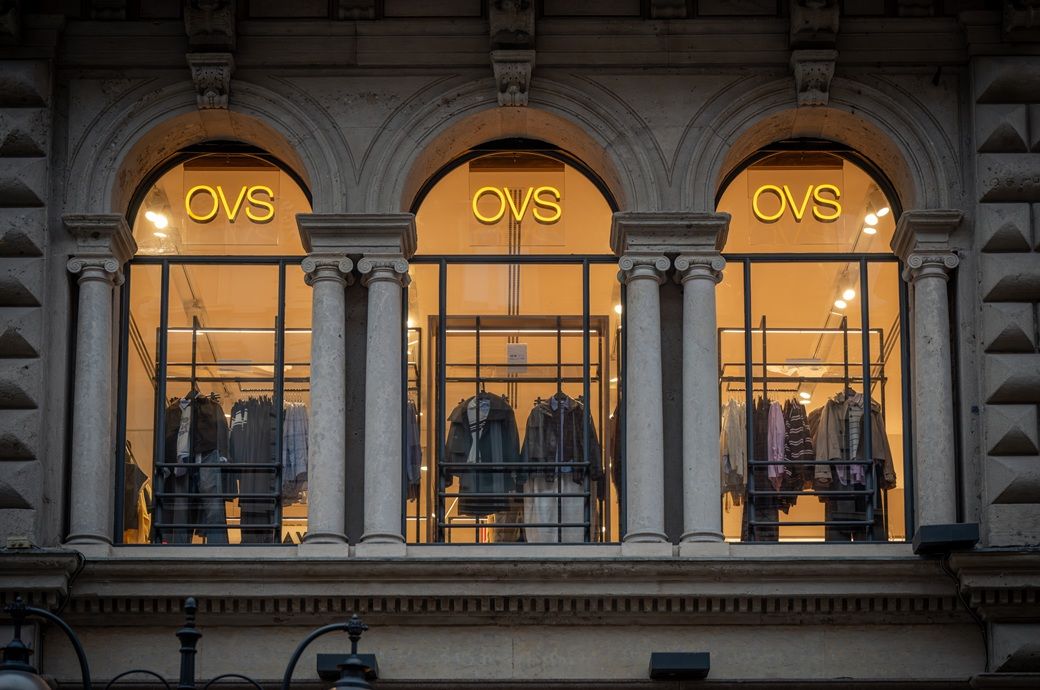
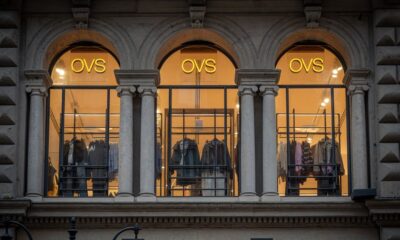
The company’s net sales rose 7 per cent year on year (YoY) to €1,745.9 million (~$2.06 billion) in FY25 ended January 31, 2026. Excluding Goldenpoint, sales growth stood at 2.9 per cent, significantly outperforming the reference market, which expanded by just 0.3 per cent during the period. Directly operated stores generated €1,431.3 million in revenue, up 8.2 per cent YoY, while franchising and B2B channels contributed €314.7 million.
OVS has posted record FY25 sales of €1,745.9 million (~$2.06 billion), up 7 per cent YoY, driven by like-for-like growth and Goldenpoint consolidation.
Adjusted gross margin rose 8.8 per cent, while net profit increased 14.8 per cent.
Key brands delivered solid EBITDA gains.
Womenswear and beauty led growth, with early FY26 performance remaining strong on robust collection demand.
The group delivered strong improvements across key financial metrics. Adjusted gross margin rose to €1,033 million, up 8.8 per cent YoY, with margin expanding to 59.2 per cent. Adjusted net profit was €89.4 million, an increase of 14.8 per cent YoY.
At the brand level, OVS reported EBITDA of €172.6 million, up €9.8 million YoY, while Upim recorded €44.0 million, compared with €40.1 million in 2024. Stefanel also delivered improved performance, with EBITDA rising by around €4 million. Goldenpoint contributed €3.9 million to EBITDA during its seven-month consolidation period, OVS said in a press release.
“2025 was a year of excellent results, with growth across all the main banners and brands. This performance confirms the validity of a positioning based on quality, stylistic research, and sustainability, which have elevated the perceived value of the brands, effectively intercepting a growing demand for quality products at affordable prices,” said Stefano Beraldo, CEO of OVS.
He added that the group continued to strengthen its brand portfolio, including the launch of Les Copains and extensions of the PIOMBO line, alongside the expansion of Altavia, B Angel, and Utopja. Womenswear and beauty remained standout categories, with the latter supported by Shaka stand-alone stores, now operating 10 locations.
“Another fundamental pillar remains the constant enhancement of the stores, in a context where offline is regaining centrality in customer preferences,” added Beraldo, highlighting investments in store design and customer experience.
Goldenpoint delivered sales growth of around 10 per cent during its initial consolidation phase, supported by product updates and store modernisation, along with purchasing synergies that improved margins.
“The internationalisation strategy of OVS is accelerating, supported by a solid financial position and the success of the womenswear offering. Expansion into the most promising markets is planned for 2026,” Beraldo said.
The 2026 financial year is showing significant growth compared to 2025 thanks to the very positive reception of the new collections, added the release.
Fibre2Fashion News Desk (SG)

As pressure grows to decarbonise and modernise, countries face a dual challenge: reducing emissions while maintaining efficiency and competitiveness.
UNCTAD and the Maritime and Port Authority of Singapore have launched a partnership to accelerate the transition towards more sustainable, resilient and inclusive global maritime transport.
Both sides will promote cleaner fuels and digital technologies across ports and shipping networks.
A key pillar is support, including training, advisory services and institutional strengthening, for developing nations.
Singapore’s role as one of the world’s most connected and efficient ports positions it as a key partner in testing and scaling innovations, said UNCTAD, which complements this with global reach, policy expertise and on-the-ground support to developing countries.
Under the agreement, the partners will promote cleaner fuels and digital technologies across ports and shipping networks.
Efforts will focus on solutions that can be adapted to different national contexts, alongside knowledge-sharing in sustainable finance, digital innovation and workforce development—key enablers of a successful transition.
“This partnership brings together Singapore’s operational excellence and UNCTAD’s global development expertise,” said Pedro Manuel Moreno, acting secretary general of UNCTAD, in a release.
“It will help accelerate a maritime transition that is not only greener and more efficient, but also resilient and inclusive—while contributing to global discussions at the UN Global Supply Chain Forum 2026,” he added.
A central pillar of the initiative is support, including training, advisory services and institutional strengthening, for developing countries.
Building on UNCTAD’s long-standing work with port communities, the partnership will help improve performance, strengthen connectivity and enhance preparedness for disruptions.
The initiative will also feed into preparations for the UN Global Supply Chain Forum taking place in late 2026, where global stakeholders will address the future of trade logistics and resilience.
Fibre2Fashion News Desk (DS)


Prince William tries to squeeze into Formula E car on Louis’ birthday

France’s Kering acquires ICCF’s minority stake to expand ICICLE

Hackers steal $2.5m from Sri Lanka finance ministry

-

 Fashion1 week ago
France’s LVMH Q1 revenue falls 6%, shows resilience amid Iran war
-

 Entertainment1 week ago
Is Claude down? Here’s why users are seeing errors
-

 Sports1 week ago
PSL 11: Peshawar Zalmi win toss, opt to field first against Quetta Gladiators
-

 Tech1 week ago
The Deepfake Nudes Crisis in Schools Is Much Worse Than You Thought
-

 Politics1 week ago
Iran in continuous message exchange with mediator Pakistan after US talks: Report
-
 Business1 week ago
Standard Life buys rival in £2b deal to create savings giant
-

 Tech1 week ago
CYBERUK ’26: UK lagging on legal protections for cyber pros | Computer Weekly
-

 Sports1 week ago
World Cup kit ranking: Which teams will look best in 2026?