

Fashion
US industrial production for clothing drops 0.7% YoY in Dec 2025


Industrial production grew at 0.7 per cent YoY in the fourth quarter (Q4) last year.
US industrial production rose by 0.4-per cent month on month (MoM) and 2 per cent YoY in December 2025, the Federal Reserve said.
Industrial production grew at 0.7 per cent YoY in the fourth quarter (Q4) last year.
The industrial production for textiles in the country fell by 1.1 per cent MoM and 1 per cent YoY in December, while the same for clothing declined by 0.9 per cent MoM and 0.7 per cent YoY.
Manufacturing output rose by 0.2 per cent MoM and 2 per cent YoY in December, but declined by 0.7 per cent YoY in Q4 2025, a Fed release said.
Capacity utilisation for US manufacturing was unchanged in December at 75.6 per cent, a rate that is 2.6 percentage points (pps) below its long-run (1972-2024) average.
The industrial production for textiles in the country fell by 1.1 per cent MoM and 1 per cent YoY in December, while the same for clothing declined by 0.9 per cent MoM and 0.7 per cent YoY.
Fibre2Fashion (DS)













Such countries include fragile and conflict-affected states and small developing states, especially where debt and financing pressures are mounting, he noted in his statement.
The IMF will continue to support countries in their efforts to promote stability and growth, including through sound macroeconomic policies, domestic resource mobilisation and better governance.
The chair of its International Monetary and Financial Committee said this support will include specific attention to low-income and vulnerable countries.
The committee called for enhanced debt transparency.
“We remain committed to further improving debt restructuring processes, including under the Common Framework, building on the progress already achieved, and advancing the work at the Global Sovereign Debt Roundtable (GSDR) to ensure debt restructurings are delivered in a predictable, timely, orderly and coordinated manner,” he said.
The committee called for enhanced debt transparency from all stakeholders, including private creditors.
“We will advance structural reforms to enable private sector-led investment, increase productivity, safeguard energy security, and elevate medium-term growth prospects,” added Aljadaan.
Fibre2Fashion News Desk (DS)

“The improved order situation in industry has brightened sentiment somewhat. However, as a result of the Iran war, energy costs have risen sharply, and uncertainty among companies has also increased. That runs counter to a stronger economic recovery,” said Timo Wollmershauser, head of forecasts at ifo.
Firms in Germany have raised investment plans, with ifo expectations rising to 0.2 points in March from -3.1 in December 2025.
Industry led gains, especially non-energy sectors, while energy-intensive segments and chemicals remained weak.
Services showed modest optimism, but trade stayed pessimistic.
Rising energy costs and geopolitical uncertainty temper recovery.
The most notable rise in the willingness to invest was in industry. Expectations rose to +0.1 points in March, up from -6.9 points in December. The outlook improved particularly strongly in non-energy-intensive industries, where significantly more companies were planning to expand their investments this year, ifo said in a press release.
In energy-intensive industries, however, the willingness to invest remains subdued. At -9 points in March, the balance remained virtually unchanged from December (-8.9 points). In the chemical industry, investment expectations even declined further, from -15.8 to -16.2 points.
Overall, the corresponding balance in manufacturing rose from -4.1 to +1.2 points. “Companies across all sectors also want to invest more in software. The growing use of artificial intelligence is likely to play a role in that,” said ifo economic expert Lara Zarges.
In trade, companies remain the most pessimistic. The balance of investment expectations stood at -9.6 points in March, virtually unchanged from the level in December. Service providers, on the other hand, confirmed their slightly positive outlook from December: Their investment expectations improved from +1.1 to +2.8 points.
The points for the ifo investment expectations indicate the percentage of companies that intend to increase their investments on balance.
Fibre2Fashion News Desk (SG)


US missile stockpiles sharply depleted during Iran war: report

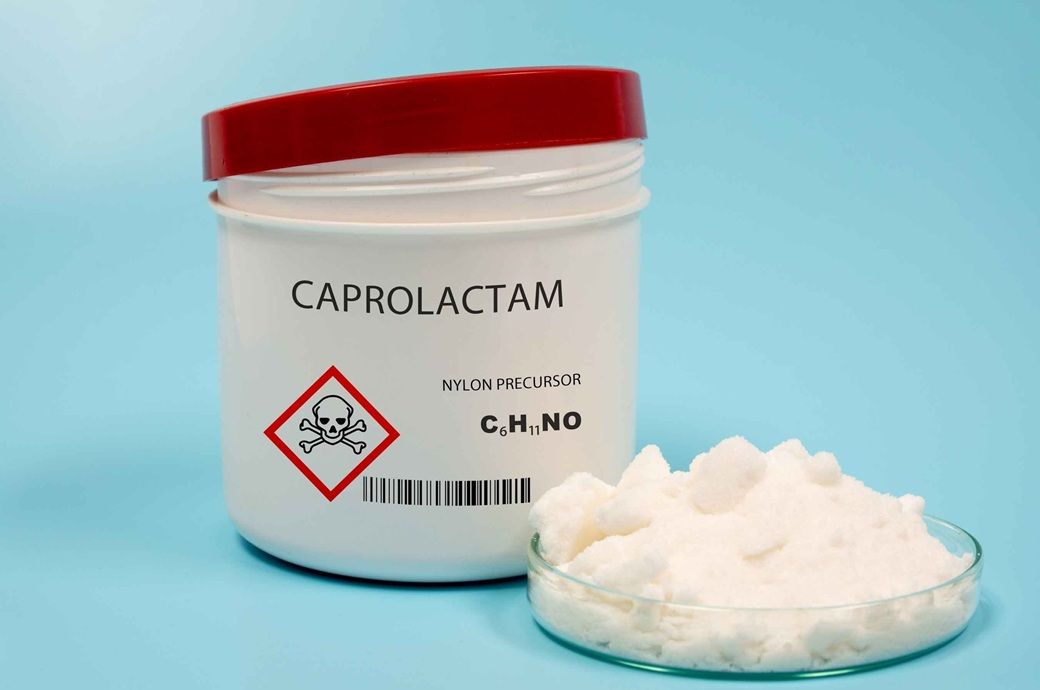
China caprolactam corrects after peak on softer crude
Isle of Man price rise contingency plans ‘ready if needed’

-

 Fashion6 days ago
France’s LVMH Q1 revenue falls 6%, shows resilience amid Iran war
-

 Sports1 week ago
The case for Man United’s Fernandes as Premier League’s best
-
 Business1 week ago
UK could adopt EU single market rules under new legislation
-

 Entertainment7 days ago
Is Claude down? Here’s why users are seeing errors
-

 Fashion1 week ago
Energy emerges as biggest cost driver in textile margins
-
 Business1 week ago
Delta Air Lines unveils first new Delta One suite in premium cabin arms race
-

 Fashion1 week ago
Asia claims largest share of markets on Kearney FDI Confidence Index
-

 Sports7 days ago
PSL 11: Peshawar Zalmi win toss, opt to field first against Quetta Gladiators