

Fashion
War causes production loss, serious stress for Indian textile industry

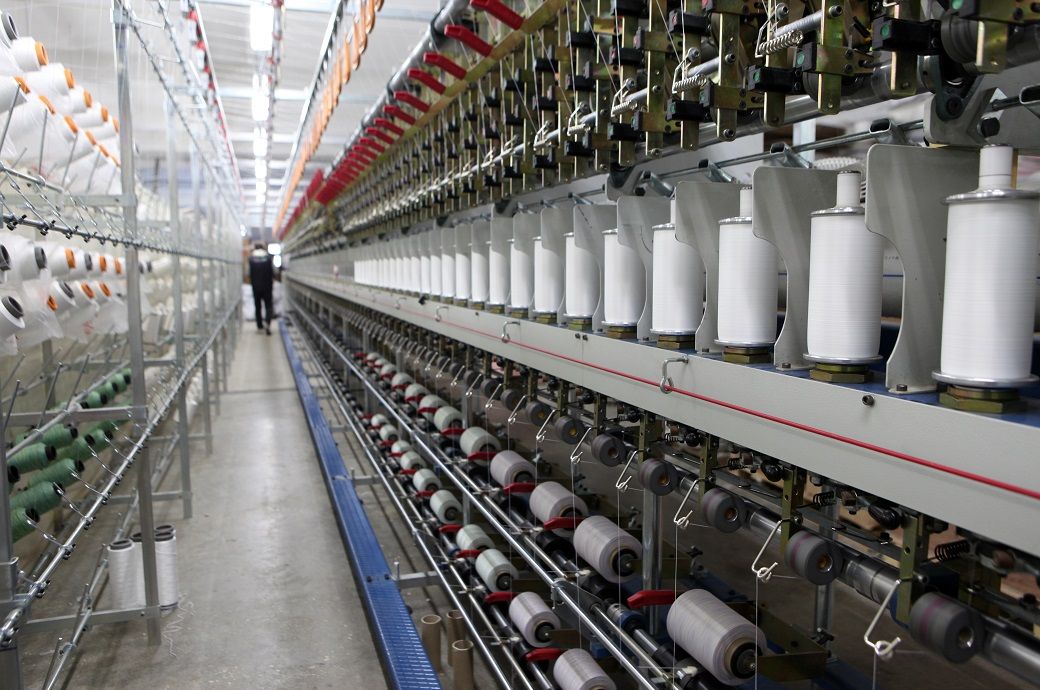
RK Vij, National President of the Textile Association (India) told Fibre2Fashion, “The ongoing US–Israel and Iran conflict has sharply inflated polyester feedstock costs, with prices of PTA and MEG rising 30–32 per cent, However, yarn prices have increased only 12–15 per cent, reflecting subdued downstream demand.”
India’s textile industry is facing acute stress as raw material costs have surged 25–32 per cent, while yarn prices have risen only 12–15 per cent amid weak demand.
Nearly 40 per cent of units have cut or halted operations.
Supply disruptions, high freight, and labour issues deepen losses, prompting urgent calls for GST reform, duty relief, and subsidies to sustain operations and competitiveness.
Supplementing this trend, global market inputs indicate that polyester producers are paying nearly 30 per cent more for petroleum-based raw materials amid Middle East supply disruptions and higher crude prices, intensifying cost pressures across the value chain.
Nearly 40 per cent of fibre and yarn units in India have shut or reduced operations due to unviable economics and weak demand, Vij said, adding that export shipments are also being hit by rising freight costs and logistical delays.
Dr. Jayesh Pathak, President of the Mumbai Yarn Merchants Association, said the industry is witnessing sustained losses as raw material prices have risen by 25–30 per cent while consumption remains slow. He also pointed to reduced PTA and MEG output due to refinery shifts towards LPG, creating supply shortages and further pushing up costs.
Global supply chain signals reinforce these pressures. Textile manufacturers in key hubs have reported production cuts and reluctance to procure high-cost yarn, while labour shortages, partly linked to rising living costs, have added to operational challenges.
Purusottam Parmananka, Joint Managing Director of the Tiruppur based Kasharinandan Knit Fabrics, noted that the polyester value chain is under dual pressure of high costs and weak demand. “This is the second consecutive season where cost pressures may affect export orders, as buyers may not accept price increases,” he said.
Vij underscored the demand-side strain, noting that the sharp rise in input costs has not translated into proportional yarn price increases due to weak market absorption. “While PTA and MEG prices have risen by 30–32 per cent, yarn prices have increased only 12–15 per cent because demand remains slow,” he said, highlighting the widening gap between costs and realisations. He added that downstream segments, including garments, are facing disruptions in both domestic and export markets due to shipment delays and rising freight rates. “The industry is under severe stress as demand is not keeping pace with rising costs, making operations increasingly unviable,” Vij noted, reinforcing the need for immediate policy support.
Vij urged the government to act urgently, saying the industry needs support “to survive amid war and severe disruption”. He called for duty exemptions on PTA and MEG to be extended for at least two more quarters, as the current relief is available only till June-end. He also demanded removal of the inverted GST structure, noting that PTA and MEG attract 18 per cent GST while fibre is taxed at 5 per cent. This, he said, locks up heavy capital in tax credits for long periods, worsening liquidity stress for units already facing closures and production cuts.
Dr. Pathak also called for immediate policy intervention to stabilise the sector, emphasising the need for financial and structural support. “The industry is facing continuous losses due to higher costs and weak demand. Survival is becoming difficult under the current conditions,” he said.
He urged the government to provide subsidies on power, land and machinery imports to ease cost pressures. Pathak added that poor industry economics are forcing units to rely on outdated, second-hand machinery, making modernisation unviable and further impacting long-term competitiveness.
While policymakers remain optimistic that upcoming free trade agreements could boost exports in the long term, stakeholders caution that immediate intervention is critical to prevent further capacity erosion and safeguard the sector’s global competitiveness.
Fibre2Fashion News Desk (KUL)










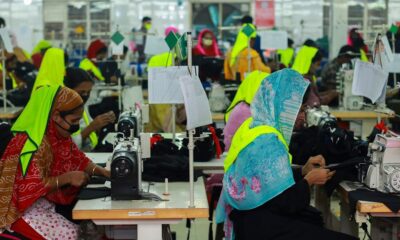


In a statement, SIMA Chairman Durai Palanisamy expressed appreciation to the government for concluding the agreement, noting that it provides 100 per cent duty-free access for Indian textile exports, including apparel, home textiles and made ups. He added that the extension of MFN-equivalent benefits ensures a level playing field for Indian exporters and enhances meaningful market access.
India’s textile industry has welcomed the India-New Zealand Free Trade Agreement (FTA), citing 100 per cent duty-free access as a boost to competitiveness and market diversification.
Industry leaders said the pact will expand exports, support value-added segments, and strengthen resilience amid global disruptions, while creating jobs and enhancing long-term trade growth.
Palanisamy noted that the agreement aligns with India’s broader vision of building a strong manufacturing and export base under the ‘Viksit Bharat 2047’ roadmap and achieving a $350 billion textile and apparel market by 2030. He added that recent FTAs with key global markets are helping secure real market access and support industry expansion.
The industry also pointed to the strategic importance of diversifying export markets amid geopolitical uncertainties, including disruptions linked to the Middle East. Government support through policy measures and supply chain interventions has helped the sector remain resilient, while exporters are being encouraged to explore new markets and focus on value addition.
Echoing similar sentiment, Suketu Shah, CEO of Vishal Fabrics Ltd, said the agreement is a strong step forward, offering duty-free access to a high-potential market and enhancing India’s competitiveness. He noted that with bilateral trade currently around $2.4 billion and scope for further expansion, the pact opens new growth avenues for value-added textile exports and strengthens long-term trade ties between the two countries.
Industry stakeholders believe the FTA will not only deepen bilateral trade but also generate employment in the labour-intensive textile sector while enabling Indian manufacturers to expand their global footprint.
Fibre2Fashion News Desk (KUL)
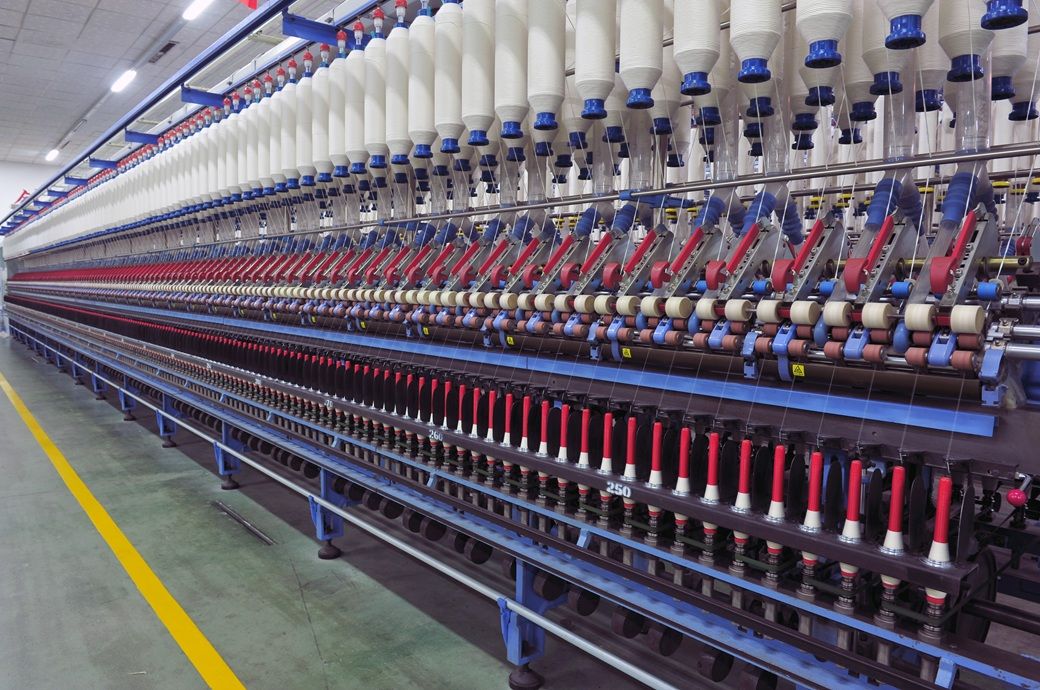
The facility is expected to create 700 direct jobs, with 90 per cent of production targeted for exports.
Egypt’s Suez Canal Economic Zone has signed a new investment project by Turkish company YILTEM Apparel & Dinamik Raus Tekstil to set up a $8-million RMG and textiles factory within the Qantara West Industrial Zone.
The facility is expected to create 700 direct jobs, with 90 per cent of production targeted for exports.
The new project takes the total number of Turkish projects in the zone to 15.
Walid Gamal El-Din, chairman of the SCZONE General Authority, said the new project takes the total number of Turkish projects in the zone to 15, bringing total Turkish investments in the area to nearly $560.2 million, in addition to another project under an Egyptian-Turkish alliance valued at $2.1 million.
Measures will be taken against projects that fail to adhere to timelines or demonstrate lack of seriousness, ensuring optimal utilisation of industrial land and the achievement of targeted development goals, he was cited as saying by Egyptian media outlets.
Fibre2Fashion News Desk (DS)

The most traded contract July 2026 settled at 79.67 cents per pound, up 0.09 cent, reflecting a narrow trading range.
ICE cotton futures edged higher, supported by firm crude oil prices and dry weather in the US, though gains were capped by easing geopolitical tensions.
Planting progress remained steady, while a weaker dollar and firm commodities supported demand.
Prices stayed range-bound amid expected rains and mild profit-taking, with mixed early trade today.
According to market analysts, dry conditions in Texas continue to support prices; however, expected rainfall next week in the central and eastern regions may cap bullish momentum. The United States Department of Agriculture (USDA) crop progress report showed cotton planting at 16 per cent, up from 11 per cent last week and above the five-year average of 13 per cent, indicating steady sowing progress.
Crude oil prices surged sharply due to supply disruption concerns following a refinery shutdown linked to geopolitical tensions, tightening the global fuel supply outlook. However, further gains were limited after Iran signalled its willingness to participate in talks.
Higher crude oil prices have increased polyester and synthetic fibre production costs, indirectly supporting cotton demand as a substitute fibre.
The US Dollar Index weakened, making US cotton more competitive and cheaper for overseas buyers, thereby providing export support.
After several sessions of gains, the cotton market witnessed mild profit-taking and consolidation, indicating that traders are adjusting positions near recent highs. Broader commodity markets remained firm, with strong upside seen in CBOT corn and wheat futures, which provided additional support to cotton prices.
ICE exchange data showed certified cotton stocks at 165,681 bales as of April 27, reflecting available deliverable supply.
StoneX revised Brazil’s 2025–26 cotton production outlook, lowering the total output estimate to 3.86 million tonnes, indicating a slight tightening in global supply expectations. Despite the revision, favourable weather conditions in key producing states such as Bahia and Mato Grosso continue to support overall crop development in Brazil.
Market sentiment is also supported by tight near-term supply expectations and strong external commodity cues, though balanced by improving US planting progress.
Overall, the tone remains firm but range-bound, supported by weather concerns, crude oil strength, and a weaker dollar, while expected rains and profit-taking are limiting sharp upside movement.
This morning (Indian Standard Time), ICE cotton for July 2026 was traded at 79.48 cents per pound (down 0.19 cent), cash cotton at 76.67 cents (up 0.09 cent), the May 2026 contract at 77.34 cents (up 0.01 cent), the October 2026 contract at 81.31 cents (up 0.14 cent), the December 2026 at 80.93 cents (down 0.18 cent) and the March 2027 contract at 81.85 cents (down 0.16 cent)). A few contracts remained at their previous closing levels, with no trading recorded so far today.
Fibre2Fashion News Desk (KUL)


US top commander to brief Trump on new military options against Iran, says report

Oil prices top $125 as US considers military options to break Iran deadlock

New York Mayor Mamdani encourages King Charles to return Koh-e-Noor Diamond

-

 Politics1 week ago
UK’s Starmer seeks to deflect blame over Mandelson appointment
-
 Business1 week ago
Us-India Trade Talks: US–India trade deal: Where do talks stand & what to expect – explained – The Times of India
-

 Fashion1 week ago
Global energy growth slows to 1.3% in 2025: Report
-
 Business1 week ago
UK inflation accelerates after Iran war drives sharp rise in fuel prices
-

 Tech1 week ago
Nation states responsible for ‘nationally significant’ cyber attacks against UK, says NCSC chief | Computer Weekly
-

 Tech1 week ago
Microsoft faces court battle in £2bn Windows Server class action | Computer Weekly
-

 Tech1 week ago
How to Watch the Lyrids Meteor Shower at Its Peak
-

 Sports1 week ago
PSL 11: Hyderabad Kingsmen opt to field after winning toss against Multan Sultans