

Business
West Asia conflict: Govt may ask companies to cut exports, increase auto fuel, LPG supplies – The Times of India

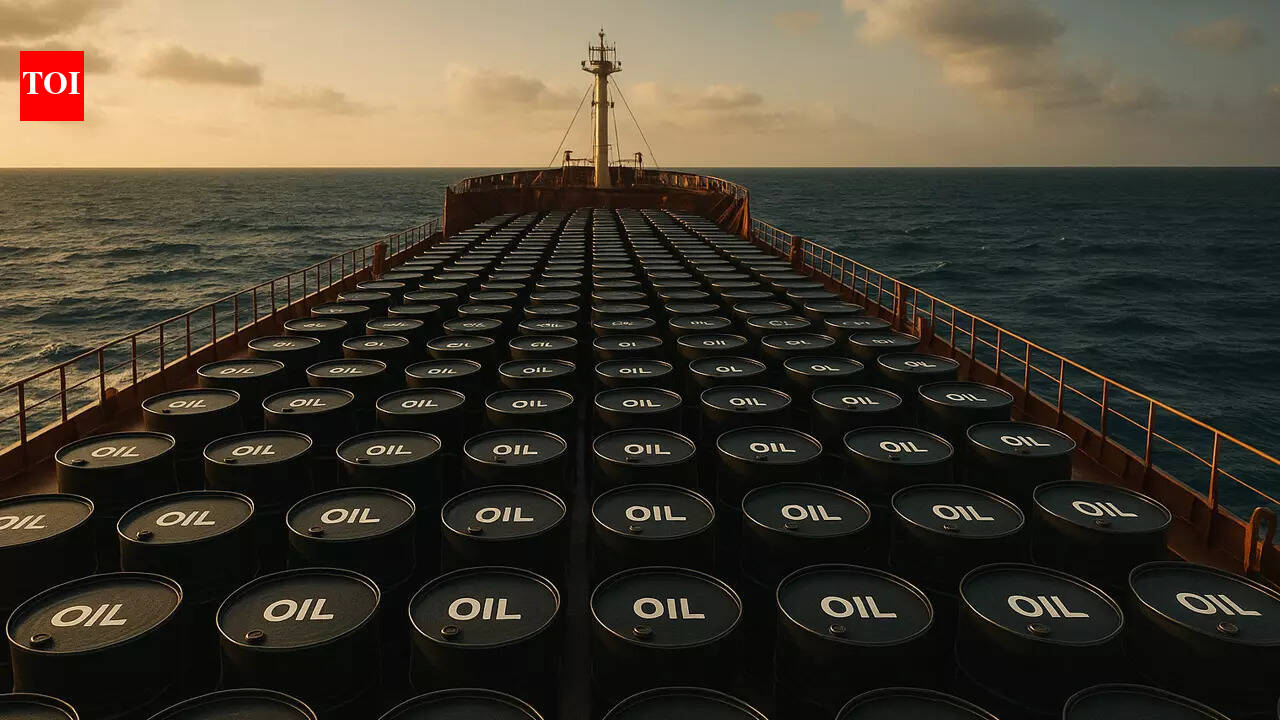
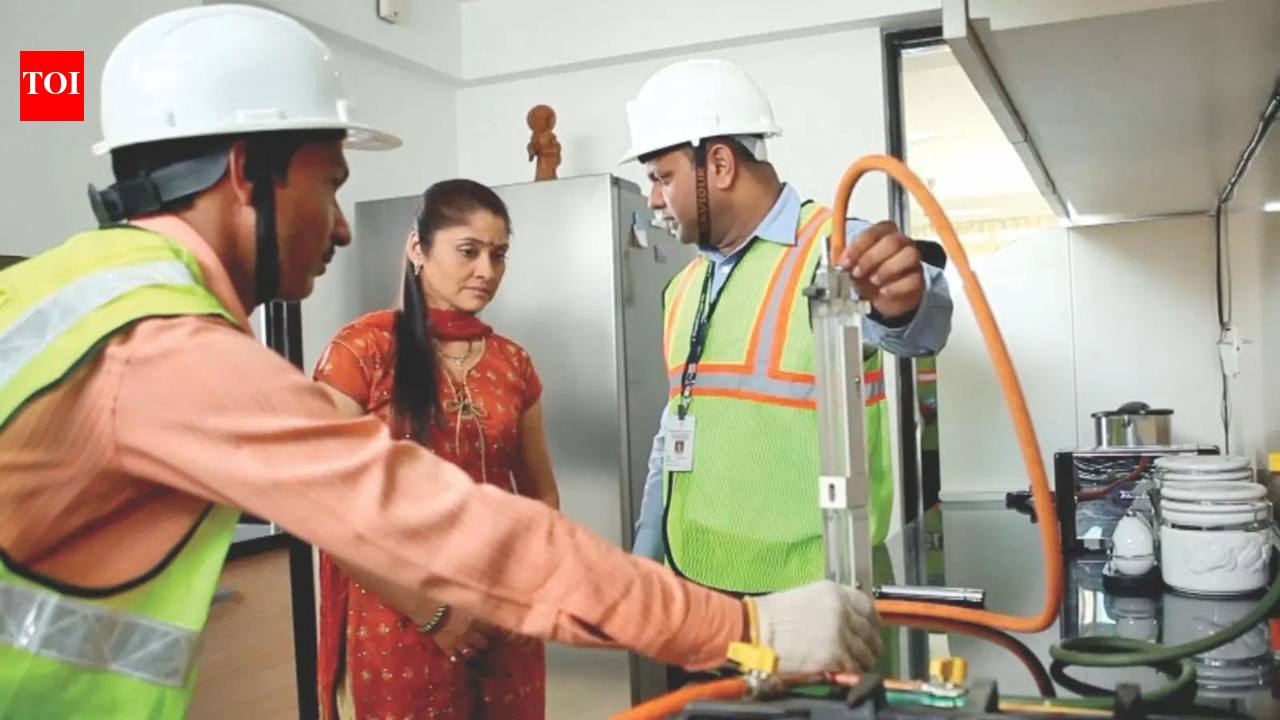
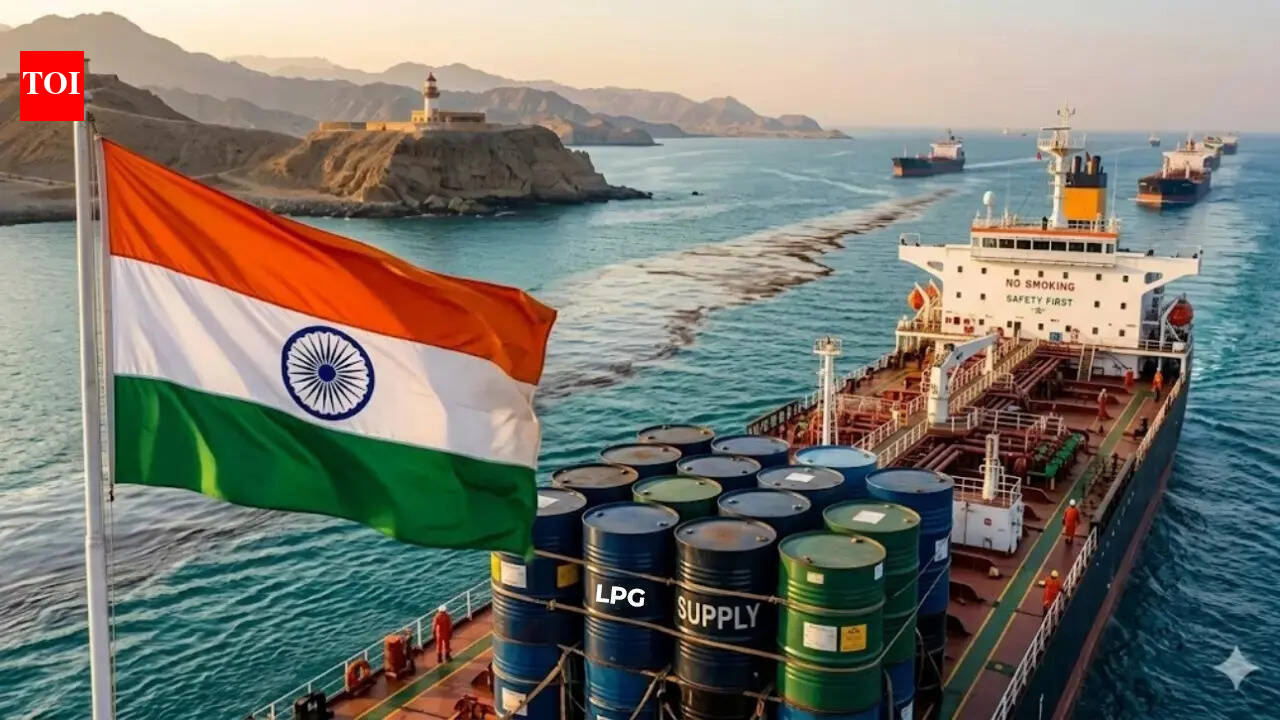
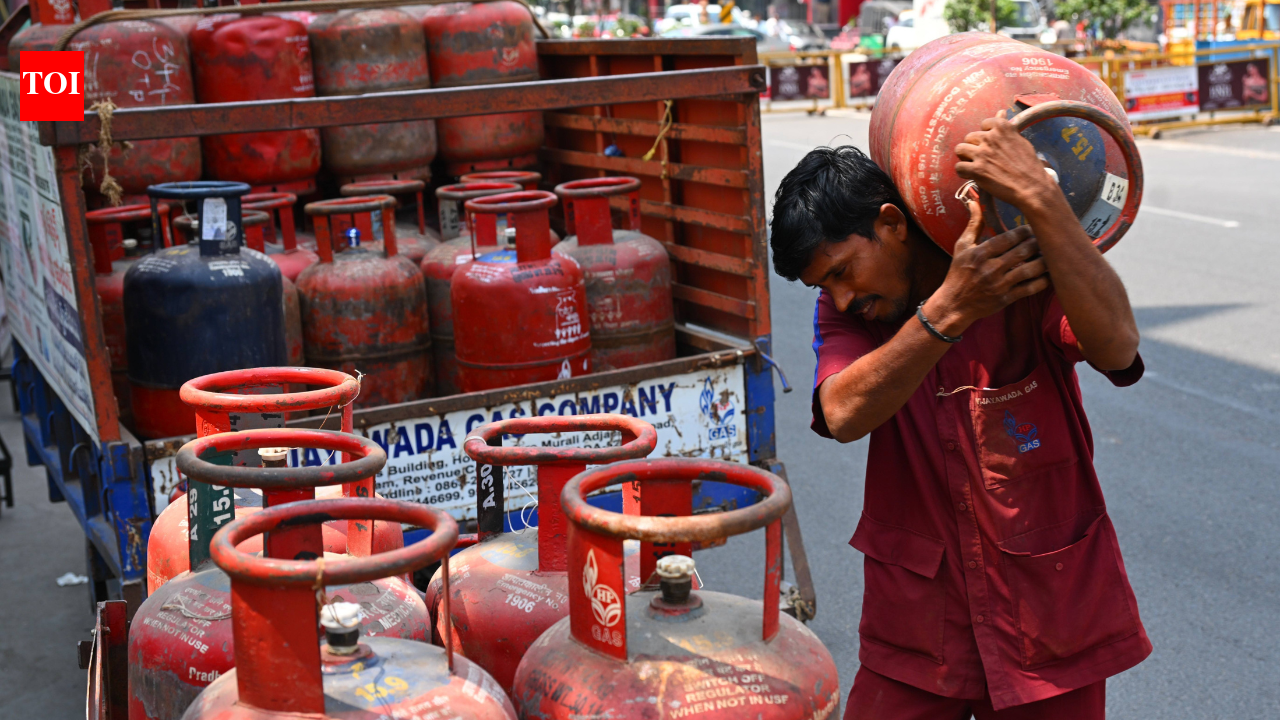
NEW DELHI: Amid fears of a shortage in crude supplies, govt is looking to nudge refiners to divert more auto fuel and LPG to the domestic market by cutting on exports and also increase cooking gas production so that there is no disruption in local supplies.While govt and oil companies insisted there’s no shortage, refiners are looking at alternate sources to partly compensate for crude coming from war-hit West Asia.
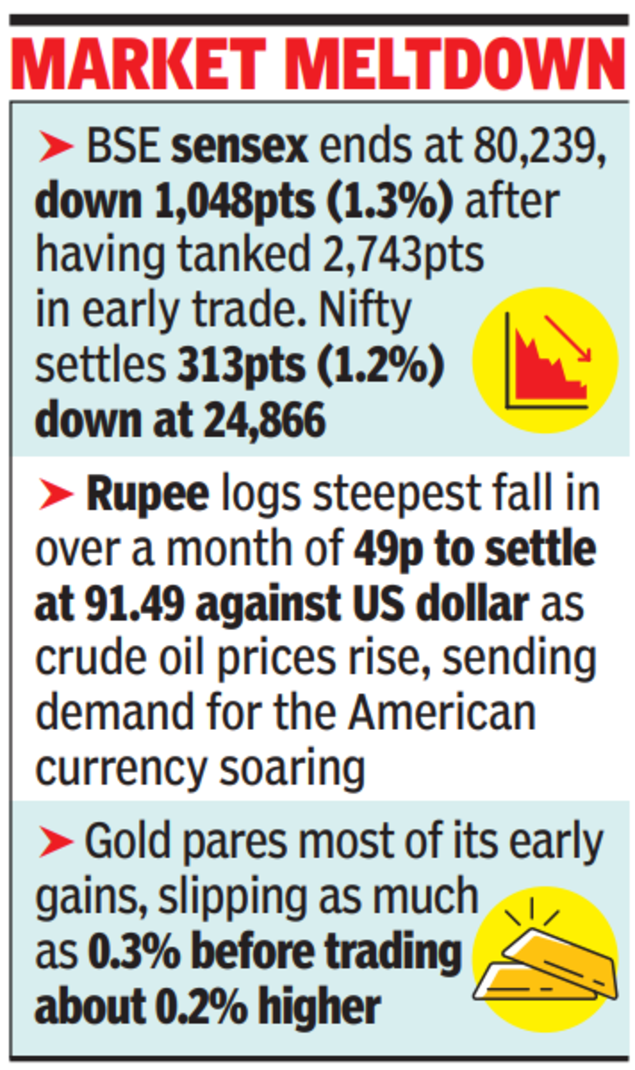
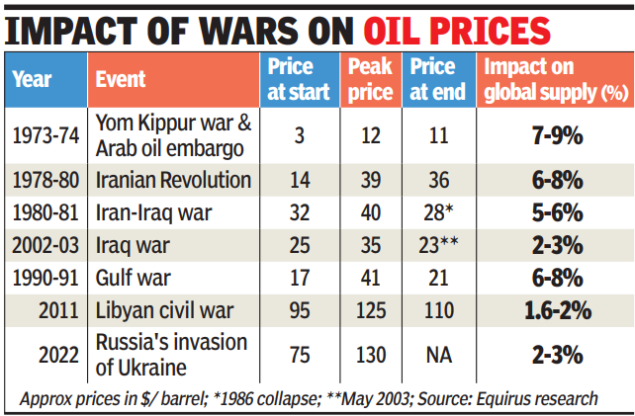
The tension has led to a spike in oil and gas prices, and given India’s dependence on imports, inflating the import bill and stoking inflationary pressures. Officials, however, said retail fuel prices may not rise immediately, as oil marketing companies follow a calibrated approach — absorbing losses when global prices are high and recouping them when prices soften. Retail petrol and diesel prices have remained unchanged since April 2022.Mantri meets oil cos to assess availability of crude and gasOn a day when Iranian drones damaged part of Saudi Aramco refinery and Qatar Energy’s facilities, the world’s largest LNG producer, announced an export pause, petroleum minister Hardeep Singh Puri and his team of officials met oil companies on Monday to assess the availability of crude and gas. “We are continuously monitoring the evolving situation, and all steps will be taken to ensure availability and affordability of major petroleum products in the country,” the oil ministry said in a post on X.India imports nearly 90% of its crude requirement. It also meets 60-65% of its LPG demand and about 60% of its LNG needs through imports, largely from West Asia, with shipments routed via Strait of Hormuz, which risks being choked due to the war.
According to the International Energy Agency, in 2023, 5.9% of the country’s production was being exported. Between April and Dec 2025, India exported petroleum products worth nearly $330 billion, with the Netherlands, UAE, the US, Singapore, Australia and China being the main destinations. In 2024, it also exported petroleum gas worth $454 million, mostly to Nepal, China, and Myanmar. The Reliance refinery in Jamnagar is the largest exporter in the country.An oil company executive said refiners are already in contact with traders to tie up capacities amid fears of the blockade of Strait of Hormuz. By Monday, the global market had caught the jitters from Qatar’s decision to suspend gas shipments.An oil executive said while disruption could cause difficulties in the immediate term, Indian players had a wide portfolio that they can tap for LNG, including the US, with vessels being routed through the Suez Canal.“Even if there is a force majeure, we have other sources of supply, which we can tap. Besides, no one is going to stop supplies indefinitely,” the executive said. While oil and gas prices rose Monday, the focus is on ensuring that supply lines remain open.


MUMBAI: Vijay Singh, a former Indian defence secretary whose eligibility as a trustee has come under legal challenge, absented himself from the board meeting of the Bai Hirabai Jamsetji Tata Navsari Charitable Institution on Friday, the latest sign of an intensifying governance dispute within India’s most powerful philanthropic network.The challenge was brought by Mehli Mistry, a former trustee, before the Maharashtra charity commissioner, questioning the appointments of Singh and Venu Srinivasan as trustees of Bai Hirabai. Mistry cited clauses in the 1923 trust deed requiring all trustees to be Zoroastrians and permanent residents of Mumbai, and argued that neither of them met those conditions.Srinivasan, chairman emeritus of TVS Motors, stepped down citing other commitments, but later acknowledged he had done so at the request of Tata Trusts management. Singh declined a similar request. Those present at the Friday meeting included chairman Noel Tata, trustees Darius Khambata and Jehangir HC Jehangir, the last of whom joined by video conference from Europe. Jimmy Tata, Noel’s older half-brother and a fellow trustee, was again absent. Singh confirmed he did not attend the meeting. A person familiar with the proceedings said the board discussed, among other matters, Mistry’s objections and next steps.The dispute has exposed a deeper legal tension. Both Srinivasan and Singh alleged that Tata Trusts had withheld from them a legal opinion by former chief justice of India MH Kania, who held that the restrictive eligibility clauses in Bai Hirabai’s trust deed were “bad in law.” That interpretation had previously allowed former Tata Group director RK Krishnakumar to be inducted onto the board. Tata Trusts said irrespective of that opinion and past precedent, appointments of non-Zoroastrians remained open to challenge under the deed’s provisions, adding that a legal opinion did not substitute for a judicial pronouncement. The commissioner has yet to order a formal inquiry. Bai Hirabai was endowed by Sir Ratan Tata, younger son of Tata Group founder Jamsetji Tata, who bequeathed properties in Mumbai and Navsari to the institution, the provenance that gives its century-old deed its continuing legal force.

The UK’s biggest mobile providers have been outperformed by smaller rivals in an annual customer service survey by watchdog Which?
Three, O2 and Lycamobile were the lowest performing networks in the survey of more than 5,000 mobile users, receiving customer scores of 65%, 67% and 68% respectively.
Three received a two-star rating in every category including network reliability and technical support, the consumer group found.
O2 received just two stars for value for money and customer service, shortly after it increased its annual price rises from £1.80 to £2.50 a month for all customers.
Lycamobile received four stars for value for money but two stars in every other category.
EE and Vodafone achieved scores of 74% and 72% respectively, although Which? described them as “stuck in the middle to lower reaches of the table”.
Talkmobile topped the rankings with a customer score of 83% followed by Tesco Mobile on 81%, with both impressing customers with their network reliability, customer service and value for money.
Other top-rated networks included Giffgaff and Smarty, which both received a score of 79%, driven by their flexibility and affordable Sim-only deals.
Lebara and 1pMobile both achieved a score of 78%, with customers praising 1pMobile’s network reliability and value for money and Lebara earning five stars for value for money.
According to the survey, respondents using one of the ‘big four’ – EE, O2, Three and Vodafone – paid an average of £16 for a Sim-only contract, compared with just £9 on smaller networks.
For contracts including a phone, users paid an average £40 with the ‘big four’ compared with £28 with smaller providers.
Many smaller firms use the infrastructure of the ‘big four’, meaning customers often receive the same signal and coverage.
Which? head of home products and services, Natalie Hitchins, said: “Our latest research shows that smaller providers are consistently outshining the industry’s largest mobile firms by offering better customer service and far cheaper deals.
“Many top-rated challengers avoid mid-contract price hikes, offering households struggling with the cost of living much-needed certainty.
“Any customers nearing the end of their contract who are unhappy with their service, or simply looking to save money, should not hesitate to vote with their feet and move to a provider that actually delivers on value.”
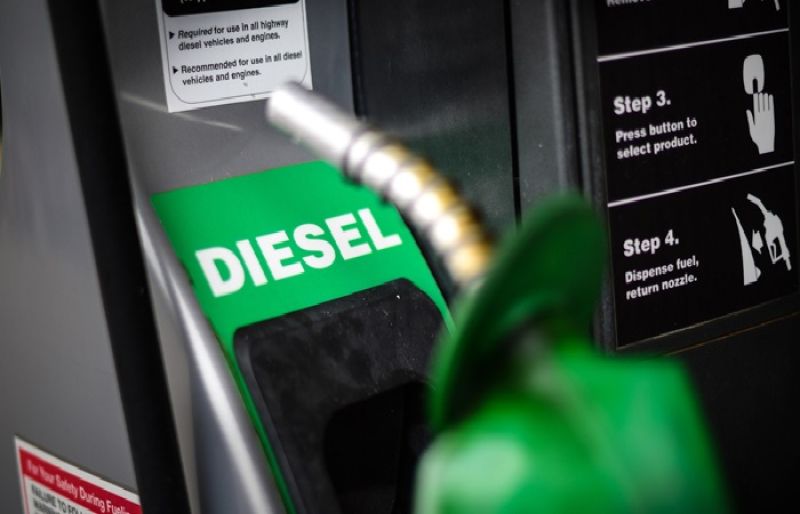
Prime Minister Shehbaz Sharif on Friday announced a reduction of Rs32.12 per litre in the price of high-speed diesel (HSD).
According to a statement issued by the Prime Minister’s Office, the new diesel price has been set at Rs353.43 per litre, down from Rs385.54 — a reduction of Rs32.12.
PM Shehbaz said that impact of the reduction in international oil prices will be passed on to the public as soon as possible.
Petroleum division sources said that the government has decided to keep the price of petrol unchanged for the next seven days, starting from April 18.
In the previous weekly review, the prime minister had announced a cut of Rs12 in petrol price and Rs135 in diesel rate, citing reduction in global oil prices.
The development came as oil prices plunged by about 13% earlier today after Iran’s foreign minister said passage for all commercial vessels through the Strait of Hormuz was open for the remaining ceasefire period and US President Donald Trump said Iran has agreed to never close the strait again.
Brent crude futures LCOc1 fell $12.87, or 12.95%, to $86.52 a barrel by 10:50 a.m. EDT (1450 GMT), after falling to a session low of $86.09. US West Texas Intermediate crude futures CLc1 were down $13.50, or 14.26%, at $81.19 a barrel, after touching $80.56.
Both contracts were trading at their lowest since March 10, and set for their largest daily declines since April 8.
Iranian Foreign Minister Abbas Araqchi said the Strait of Hormuz was open following the agreement of a ceasefire in Lebanon.
“Comments from Iran’s foreign minister indicate a de-escalation as long as the ceasefire is in place, now we need to see if the number of tankers crossing the Strait increases substantially,” UBS analyst Giovanni Staunovo said.


Top Vietnamese, Chinese leaders hold talks on advancing cooperation

USA 3-0 Japan (Apr 17, 2026) Final Score – ESPN

Hong Kong apparel imports stabilise after sharp dip last year

-
 Politics1 week ago
Indian airlines hit hardest after Dubai limits foreign flights until May 31
-

 Tech1 week ago
This AI Button Wearable From Ex-Apple Engineers Looks Like an iPod Shuffle
-

 Politics1 week ago
Chinese, Taiwanese will unite, Xi tells Taiwan opposition leader
-

 Entertainment5 days ago
Palace left in shock as Prince William cancels grand ceremony
-

 Sports5 days ago
The case for Man United’s Fernandes as Premier League’s best
-

 Entertainment7 days ago
Dua Lipa hits major career high ahead of wedding with Callum Turner
-
 Business1 week ago
He paid $248 in illegal tariffs for this coat. Will he ever get it back?
-

 Sports1 week ago
Documents: NC State trainer initiated ‘unwelcome,’ ‘sexual’ contact