

Business
Why Do Most Indians Quit SIPs Within 3 Years? Analysts Explain The Real Reason


Last Updated:
Nearly 9 out of 10 retail investors discontinue SIPs within 3 years, missing out on long-term wealth as experts urge discipline and patience for successful mutual fund investing

Finance and corporate banking provide a stable and lucrative career for CAT-qualified candidates. Professionals work in banks, financial institutions, and investment firms managing portfolios, corporate loans, and risk assessment. These roles require solid analytical and decision-making abilities.
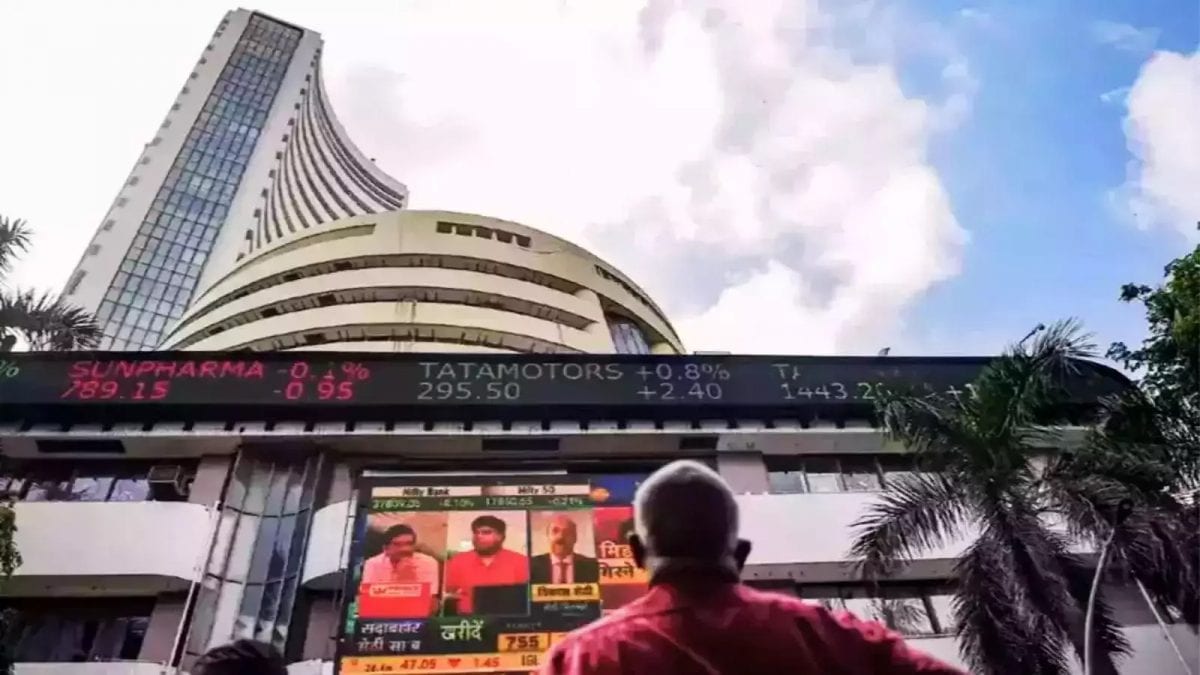
A striking pattern in India’s fast-expanding mutual fund landscape is worrying market observers. Even as systematic investment plans (SIPs) continue to attract record enrolments, industry data show that nearly 9 out of 10 retail investors discontinue their SIPs within the first three years, undermining long-term wealth creation.
Financial planners attribute this churn to a predictable cycle of emotion-driven decision-making. The initial year is marked by enthusiasm, with investors entering the market buoyed by optimism. By the second year, even a modest correction triggers anxiety, prompting many to pause or cancel their contributions. When markets rebound in the third year, these same investors return, often with a sense of missed opportunity. This loop of excitement, fear and regret, experts say, erodes the very advantage SIPs are designed to offer.
Wealth managers point out that the cost of such interruptions is far greater than most investors realise. Illustrating the impact, they explain that a monthly investment of Rs 5,000 over 20 years, earning an annualised return of 12%, can accumulate to roughly Rs 45 lakh. But halting contributions for just three years during that period could shave off nearly Rs 15 lakh from the final corpus, solely due to lost compounding.
Analysts stress that the principle of rupee-cost averaging works best during downturns, when investors accumulate more units at lower prices. Ironically, that is also when most investors choose to step back. Market strategists liken it to “switching off the engine just as the vehicle picks up speed”, arguing that the true strength of SIPs emerges when investors hold steady through volatility.
Industry experts emphasise that long-term investing hinges on discipline rather than attempts to outguess short-term market movements. Each missed instalment delays financial goals, and frequent breaks weaken the compounding effect that underpins SIP performance. Seasoned investors, they note, continue investing through market cycles, treating fluctuations as part of the normal rhythm of equity markets.
While volatility may feel unsettling, advisors reiterate that markets have historically rewarded patience. The consensus across the industry remains unchanged; wealth creation is a function of staying invested, not timing entry and exit.
November 19, 2025, 20:28 IST
Read More




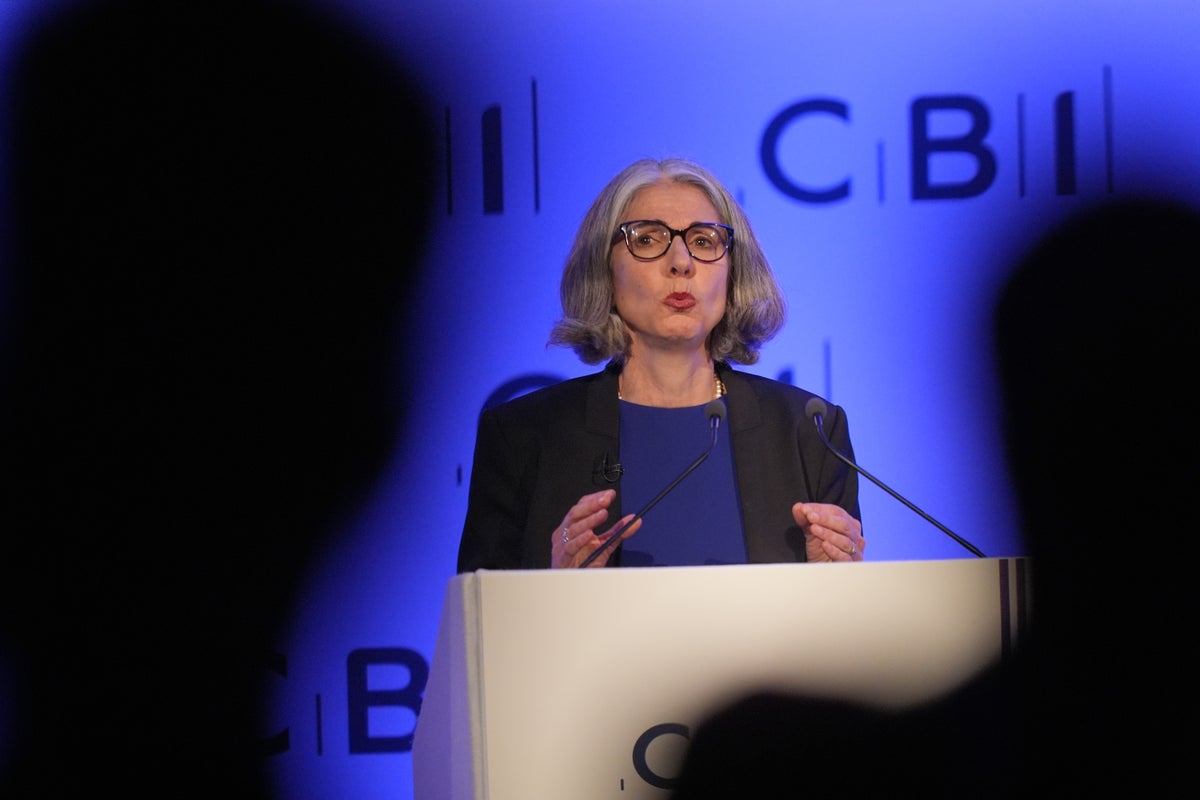
The UK must not “cut ourselves off” from trade opportunities in China despite security and business risks, the head of the Confederation for British Industry has warned.
CBI chief Rain Newton-Smith highlighted that British businesses see increased trade with Chinese firms as an opportunity to drive growth.
Her remarks came as business leaders were questioned by MPs on Parliament’s Business and Trade Select Committee regarding the UK’s economic relationship with China.
Last December, Prime Minister Sir Keir Starmer admitted China poses security threats to the UK but urged for greater business ties.
Ms Newton-Smith, chief executive of one of the UK’s largest business groups, was positive about the Government’s engagement with China.
“You can’t have a growth strategy without a strategy for China,” she said.
“China has the biggest contribution to global growth, is the third largest trading partner, and the world’s largest consumer market.
“The UK is second largest exporter of trade and services.
“We are mindful as all businesses are of security risks but it is really important that we have a strategy towards China.
“This Government has increased the economic engagement with China and including business within this does help us as a country.”
She added: “If we think about the future economy, there is a huge market in China and I think we mustn’t cut ourselves off from some of the opportunities there, even if in some areas there are difficult conversations and negotiations that need to be had.”
Peter Burnett, chief executive of the China-Britain Business Council, told the committee: “There are risks associated with technology advancement, AI, industrial development that they need to assess.
“Increasingly you will find them saying that they need to engage more in China to understand those risks and to develop some of the technologies along some of those risks themselves.”
Business
Trump says he’d be disappointed if Fed pick doesn’t cut rates; Warsh vows to be ‘independent actor’ – The Times of India
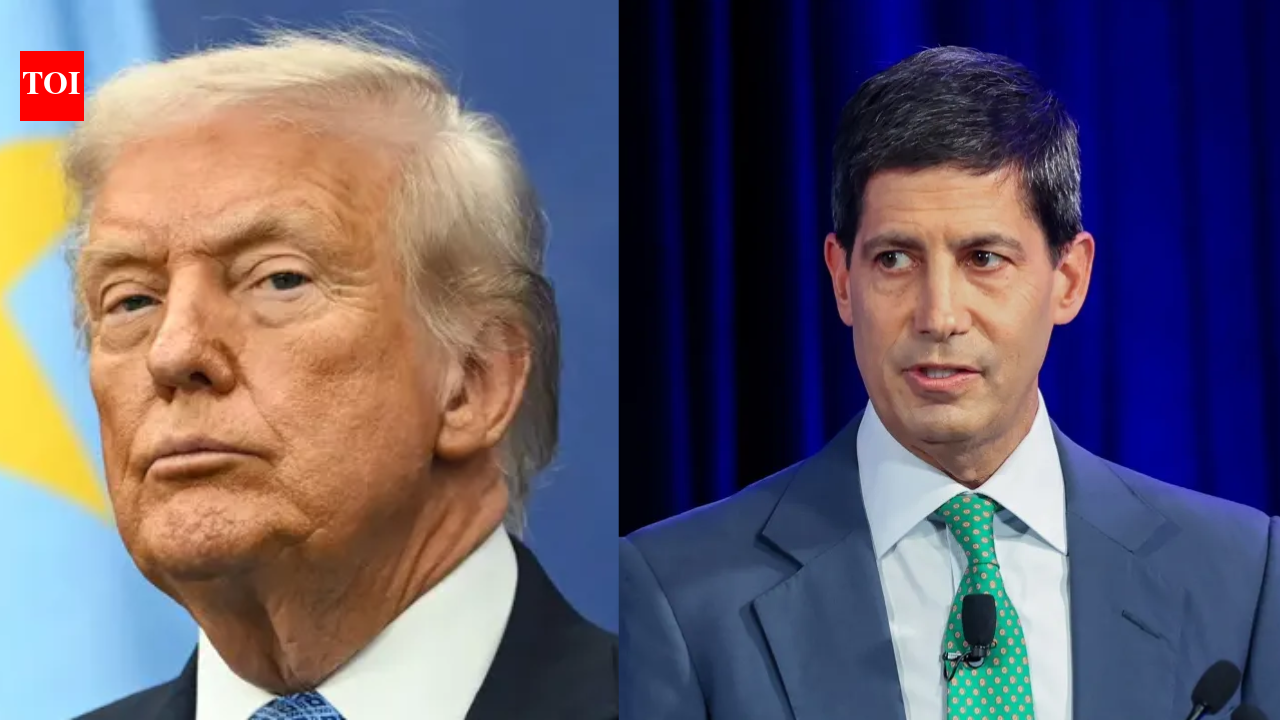
US President Donald Trump on Tuesday said he would be disappointed if his nominee for Federal Reserve chair, Kevin Warsh, does not cut interest rates right away after taking office if confirmed by the Senate. Trump, during an interview with CNBC’s “Squawk Box,” also said “we have to find out” about the construction costs of the new Federal Reserve building.Warsh, a former Federal Reserve official and financier, is currently facing Senate confirmation hearings where he has stressed his independence from political pressure.“The president never once asked me to commit to any particular interest rate decision, and nor would I agree to it if he had,” Kevin Warsh said under questioning by the Senate Banking Committee, as quoted by LA Times. “I will be an independent actor if confirmed as chair of the Federal Reserve.”Warsh told lawmakers that fighting inflation would be one of his main priorities if confirmed.“Congress tasked the Fed with the mission to ensure price stability, without excuse or equivocation, argument or anguish,” Warsh said. “Inflation is a choice, and the Fed must take responsibility for it.”The comments come as investors closely watch his confirmation hearing, with inflation remaining at 3.3% annually and global tensions, including the war in Iran pushing up gas prices, adding pressure on the economy. Higher inflation typically leads the Federal Reserve to keep interest rates steady or raise them rather than cut them, as rate changes affect mortgages, auto loans, and business borrowing.Democrats on the Senate Banking Committee accused Warsh of shifting his stance on interest rates over time, supporting higher rates under Democratic presidents and lower rates during Trump’s presidency.Warsh, if confirmed, would take over at a time when inflation pressures make it difficult for the Federal Reserve to cut rates, even as Trump continues to push for lower borrowing costs. Trump has repeatedly urged rate cuts and has long clashed with current Fed chair Jerome Powell over monetary policy. Powell has also been the subject of a Department of Justice criminal probe after refusing Trump’s requests for faster rate cuts. Trump told CNBC that he does not plan to pressure the Justice Department to end that probe.

The consultancy Teneo says airspace restrictions caused by the conflict have forced airlines to reroute many flights.
Source link


Ranking the Top 20 Players in the Men’s College Basketball Transfer Portal

NATO jets intercept Russian bombers over Baltic Sea

FIFA to put more World Cup tickets on sale for all games

-

 Fashion5 days ago
France’s LVMH Q1 revenue falls 6%, shows resilience amid Iran war
-

 Sports1 week ago
The case for Man United’s Fernandes as Premier League’s best
-

 Entertainment1 week ago
Palace left in shock as Prince William cancels grand ceremony
-
 Business1 week ago
UK could adopt EU single market rules under new legislation
-

 Entertainment6 days ago
Is Claude down? Here’s why users are seeing errors
-

 Fashion1 week ago
Energy emerges as biggest cost driver in textile margins
-
 Business1 week ago
Delta Air Lines unveils first new Delta One suite in premium cabin arms race
-

 Fashion1 week ago
Asia claims largest share of markets on Kearney FDI Confidence Index