

Business
Why Is A Rolex Watch So Expensive? The Hidden Story Will Surprise You

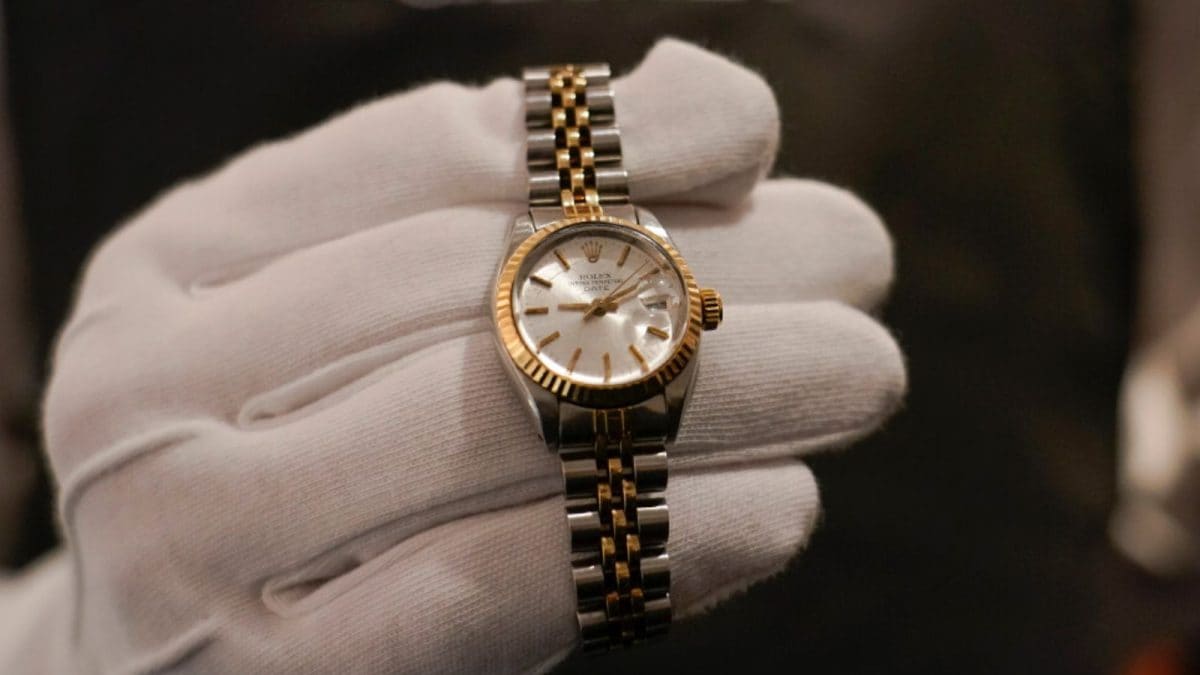
In the rarefied world of luxury goods, few objects trigger as much awe, and as much sticker shock, as a Rolex. Starting at around Rs 4-5 lakh and often requiring a waiting period of several years, the watch has become a symbol of precision, status and engineering excellence. Yet, behind its global appeal lies a history that 99% of people have never heard, one that explains not only its high price, but also the extraordinary trust it commands. (News18 Hindi)
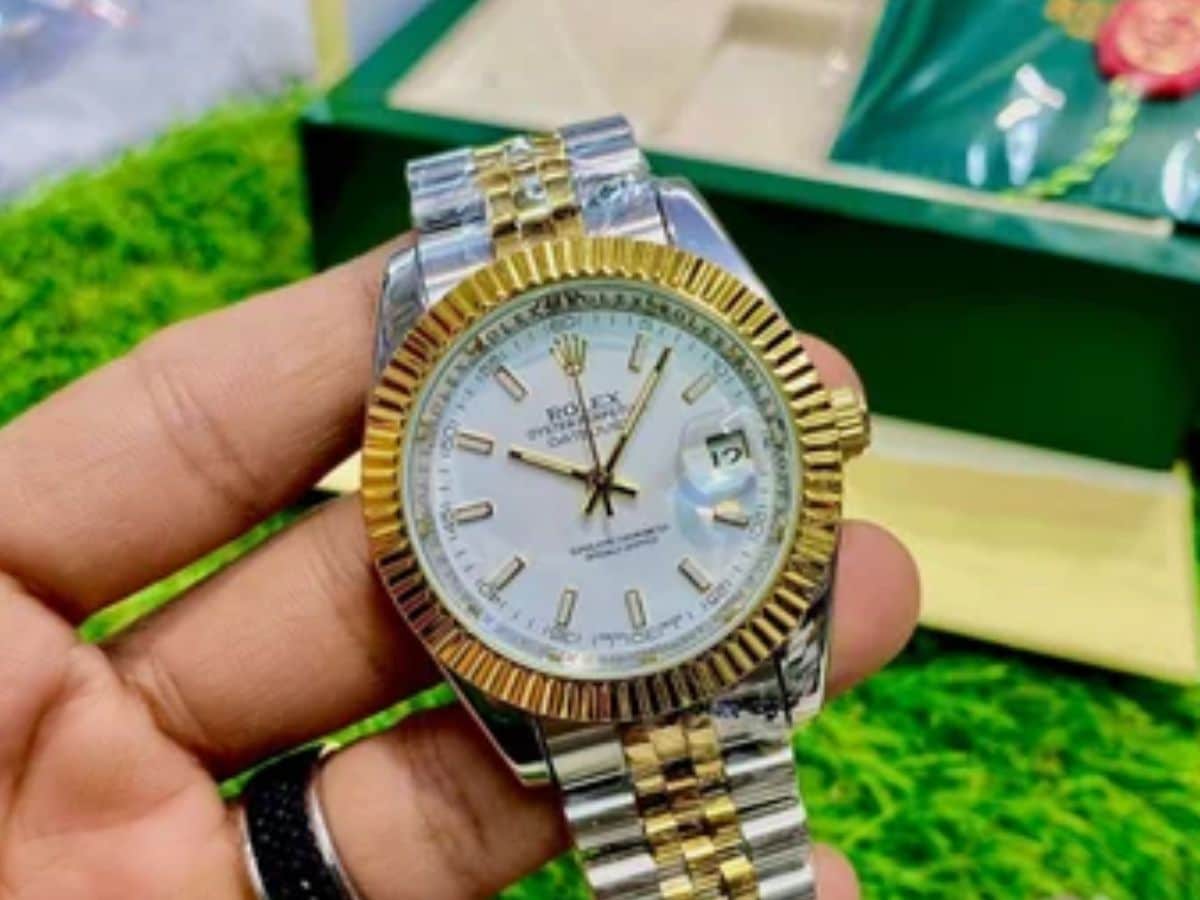
The Rolex story begins quietly in London in 1905, where Hans Wilsdorf and Alfred Davis founded a modest company called Wilsdorf & Davis. They were not selling watches under their own name. Instead, they manufactured finely crafted wristwatches and supplied them to jewellers, who stamped their own branding on the dials before selling them to customers. (News18 Hindi)
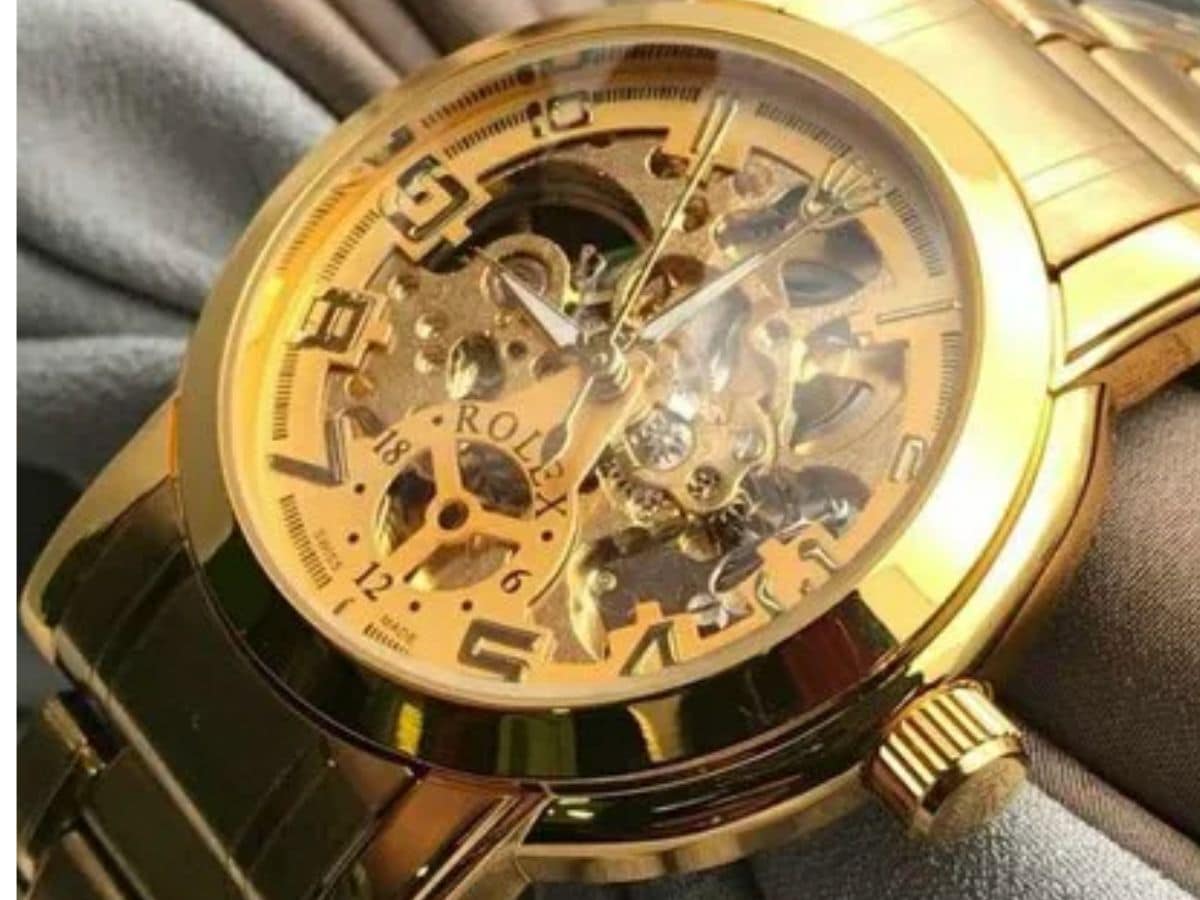
Wristwatches, at that time, were not considered accurate enough to replace pocket watches, which dominated the market despite their own vulnerabilities. A pocket watch could stop working if exposed to water or even slight shifts in altitude, but it remained the only reliable tool for timekeeping. (News18 Hindi)
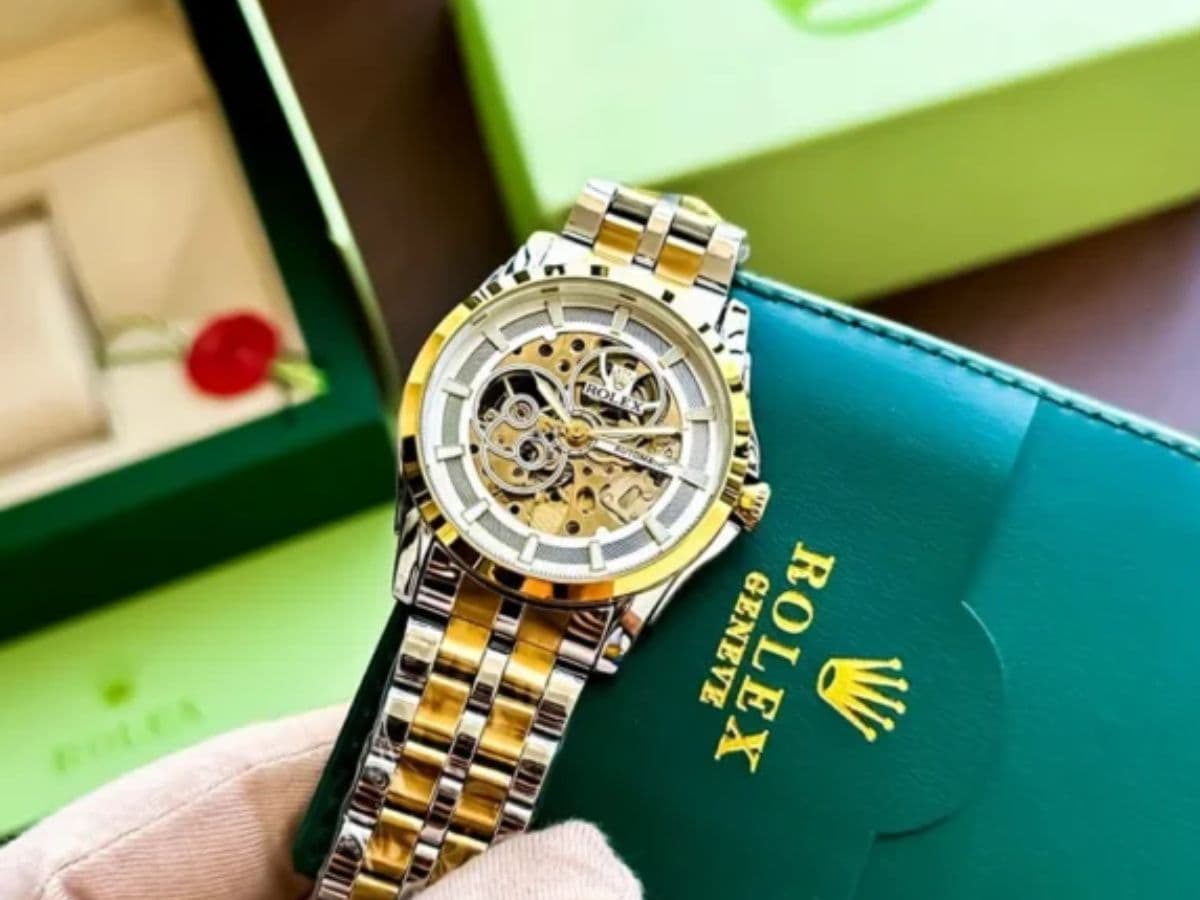
Wilsdorf, however, sensed a shift long before the world did. He realised that a wristwatch, more convenient, more wearable, and more discreet, had the potential to become the preferred timekeeping device if only its precision could match that of a pocket watch. Determined to improve accuracy, he and Davis immersed themselves in experimentation and refinement until they finally succeeded in building what was soon hailed as one of the world’s most precise wristwatches. (News18 Hindi)
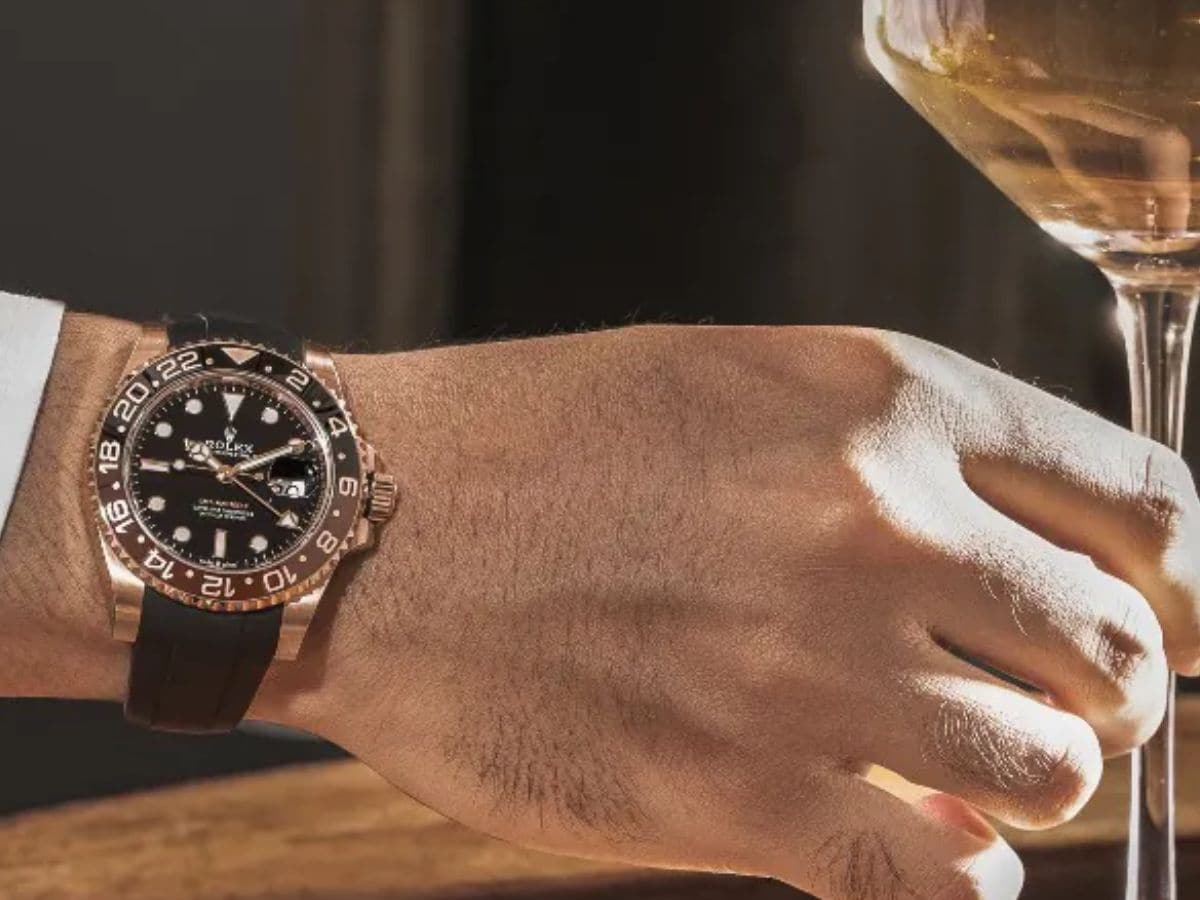
As demand for these watches grew, the two founders recognised an irony; jewellers, not the makers, were receiving the credit. The time had come to establish a brand identity of their own. In 1908, they chose a new name, short, crisp, and suitable for the dial, Rolex. Alongside the rebranding came a strategic relocation. Switzerland, already celebrated for its exacting horological standards, became Rolex’s new headquarters. After closing the London office in 1919 due to wartime taxation, the shift to Geneva proved to be a turning point. A “Swiss Made” Rolex did not need much persuasion; the name itself inspired trust, and customers bought the watches readily. (News18 Hindi)
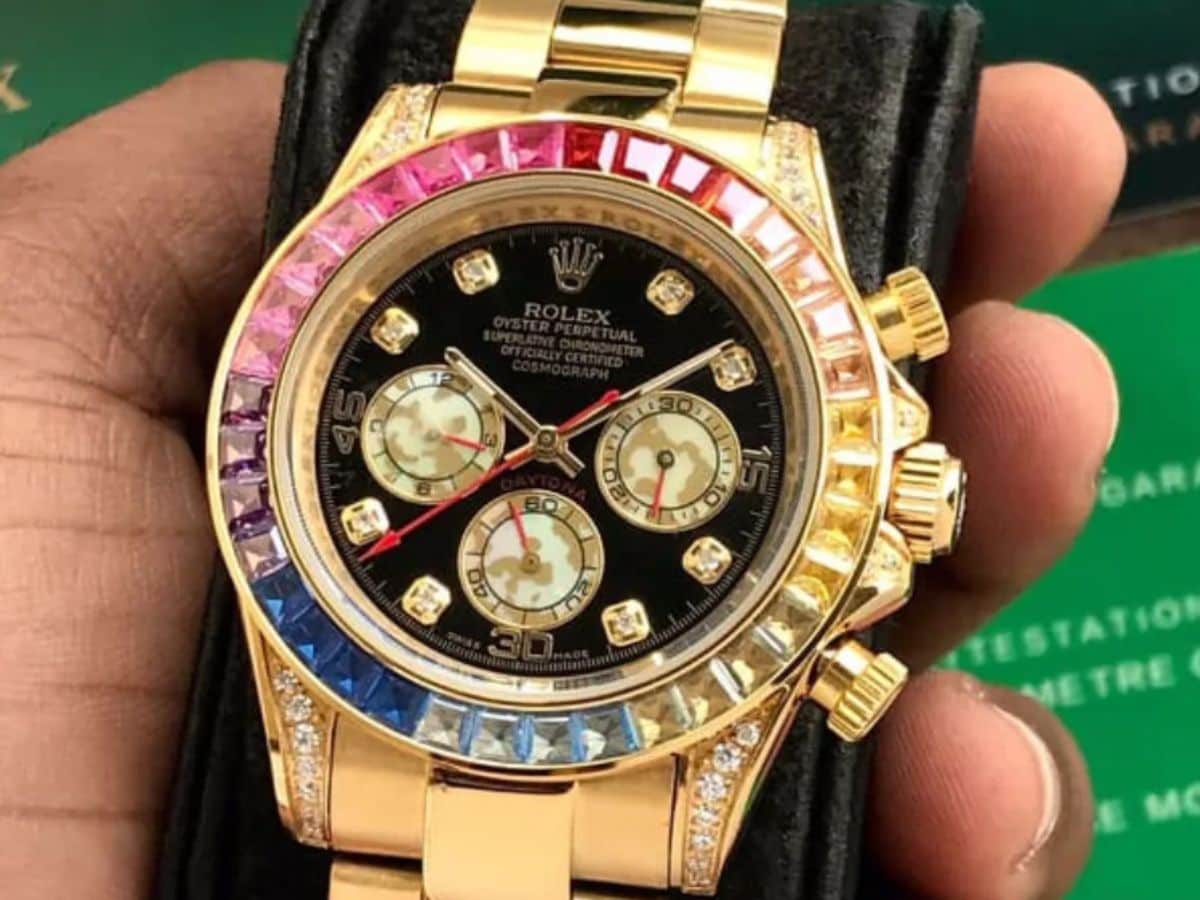
By now, Rolex was not content with precision alone. Wilsdorf envisioned a watch that could defy not only time but the elements. After years of experimentation, the company unveiled the world’s first waterproof wristwatch, the Oyster, in 1926. It was an engineering triumph, but one that needed public proof. Traditional advertising would not be enough to convince sceptics. Wilsdorf responded with a visionary marketing idea. He placed the watch on the wrists of athletes and adventurers. When a young swimmer crossed the English Channel wearing a Rolex that survived the journey unscathed, the company showcased the feat in shop windows across Europe. Confidence in the brand soared. (News18 Hindi)
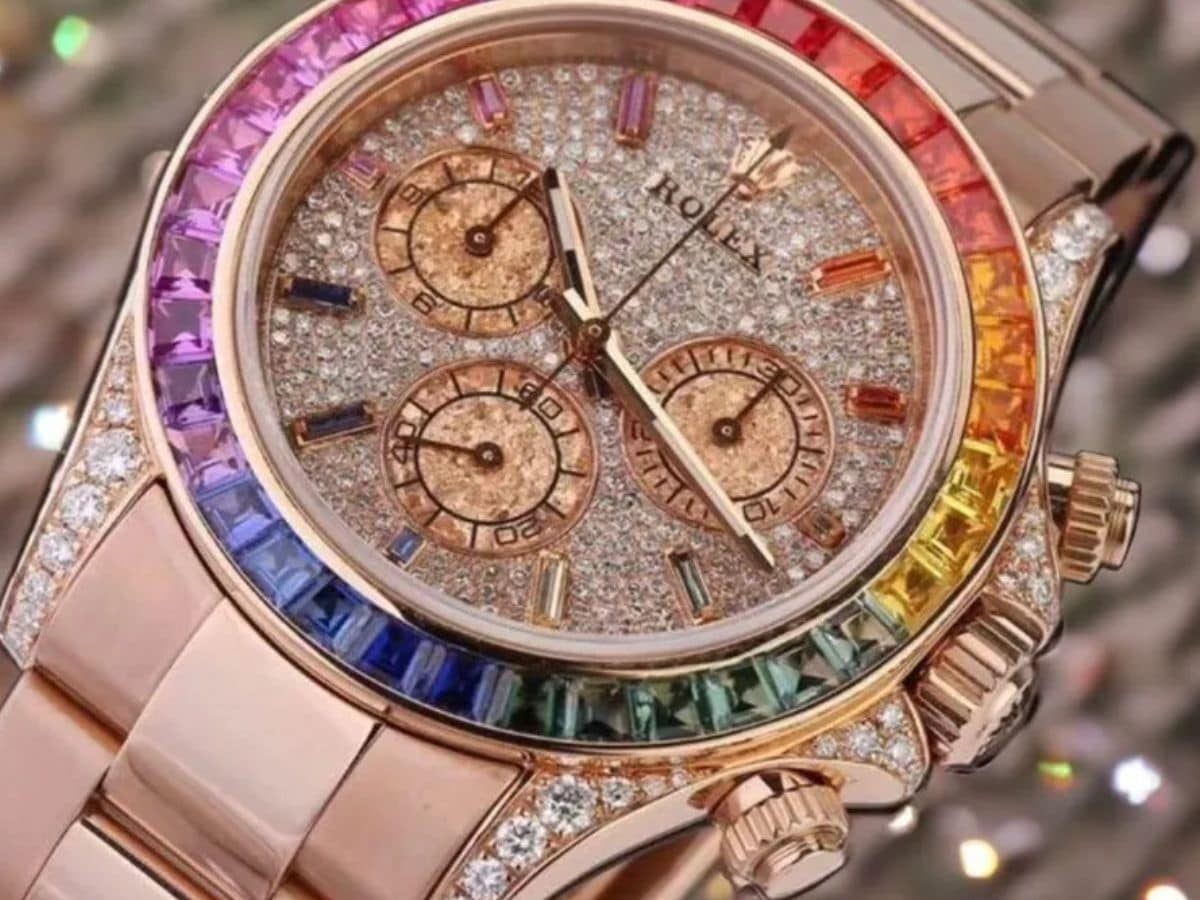
Through such dramatic demonstrations, Rolex cultivated an identity that blended craftsmanship with adventure. Its watches were not merely accessories; they were instruments of endurance, capable of accompanying human beings to the deepest oceans, the highest mountains and the harshest terrains. (News18 Hindi)
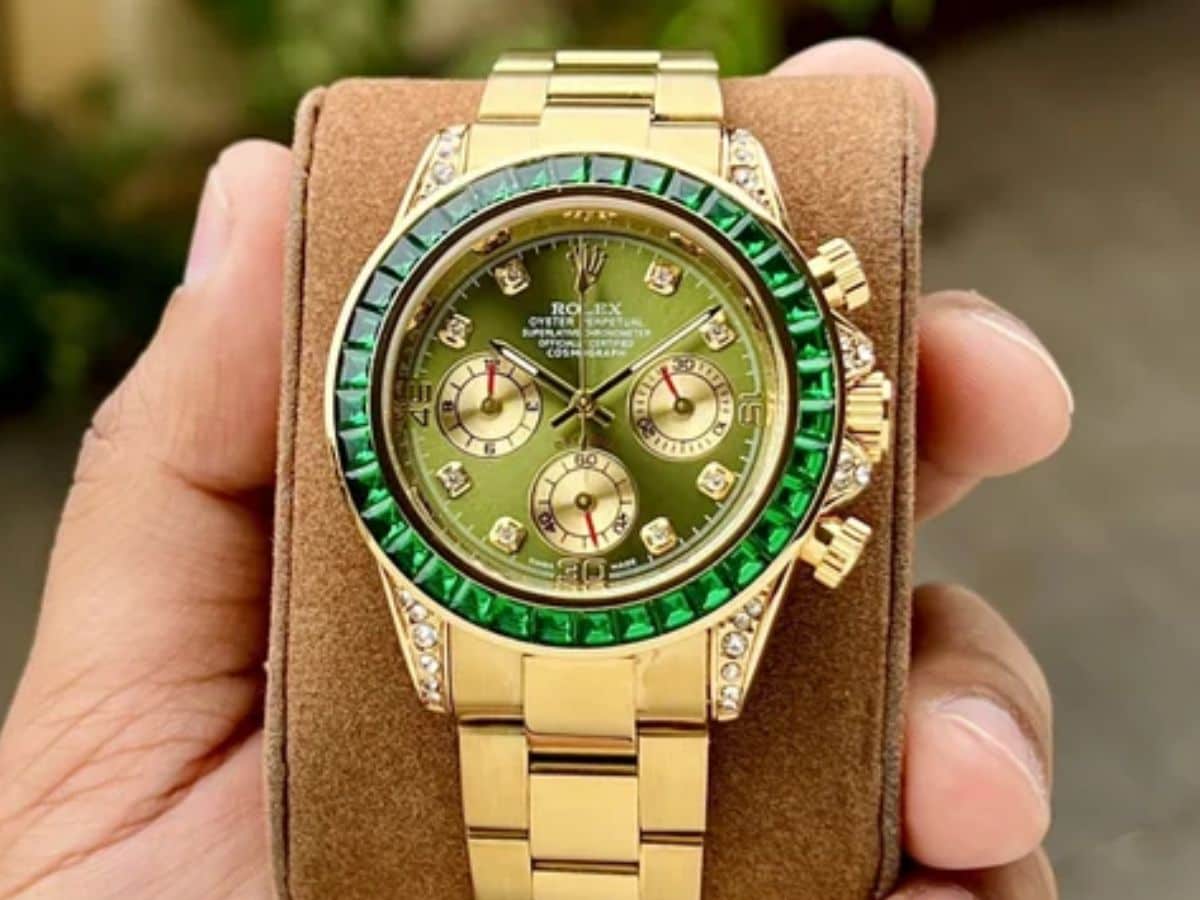
This long heritage of innovation explains, in part, why Rolex watches are costly even today. The materials themselves set them apart. The company uses 904L steel, a metal significantly more expensive and more resistant to corrosion than the 316L steel used by most luxury watchmakers. (News18 Hindi)
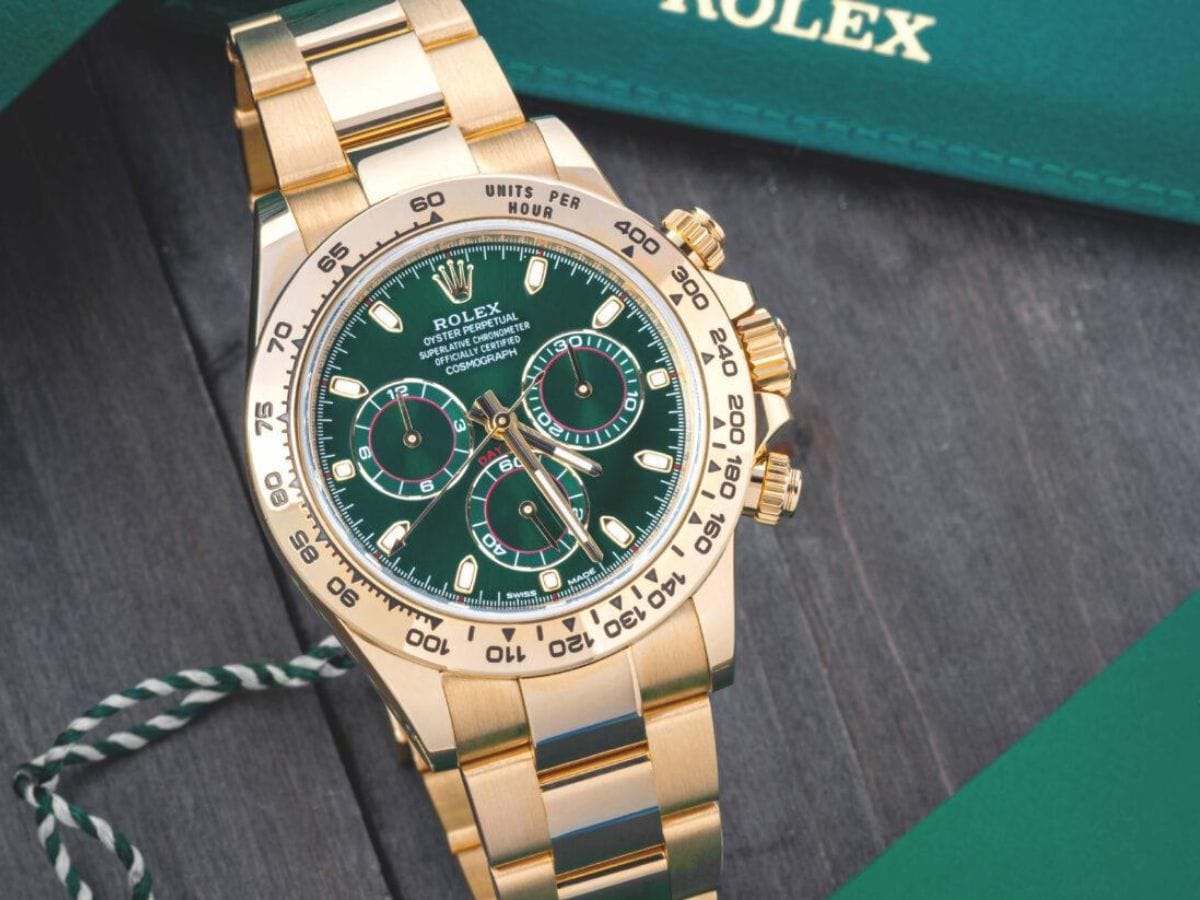
Many models incorporate solid gold or platinum, demanding an extraordinary level of craftsmanship and finishing. Every watch undergoes rigorous testing, often surpassing official chronometer certifications. Production remains deliberately limited not because of marketing strategy, but because the manufacturing process is slow, meticulous and resistant to shortcuts. (News18 Hindi)
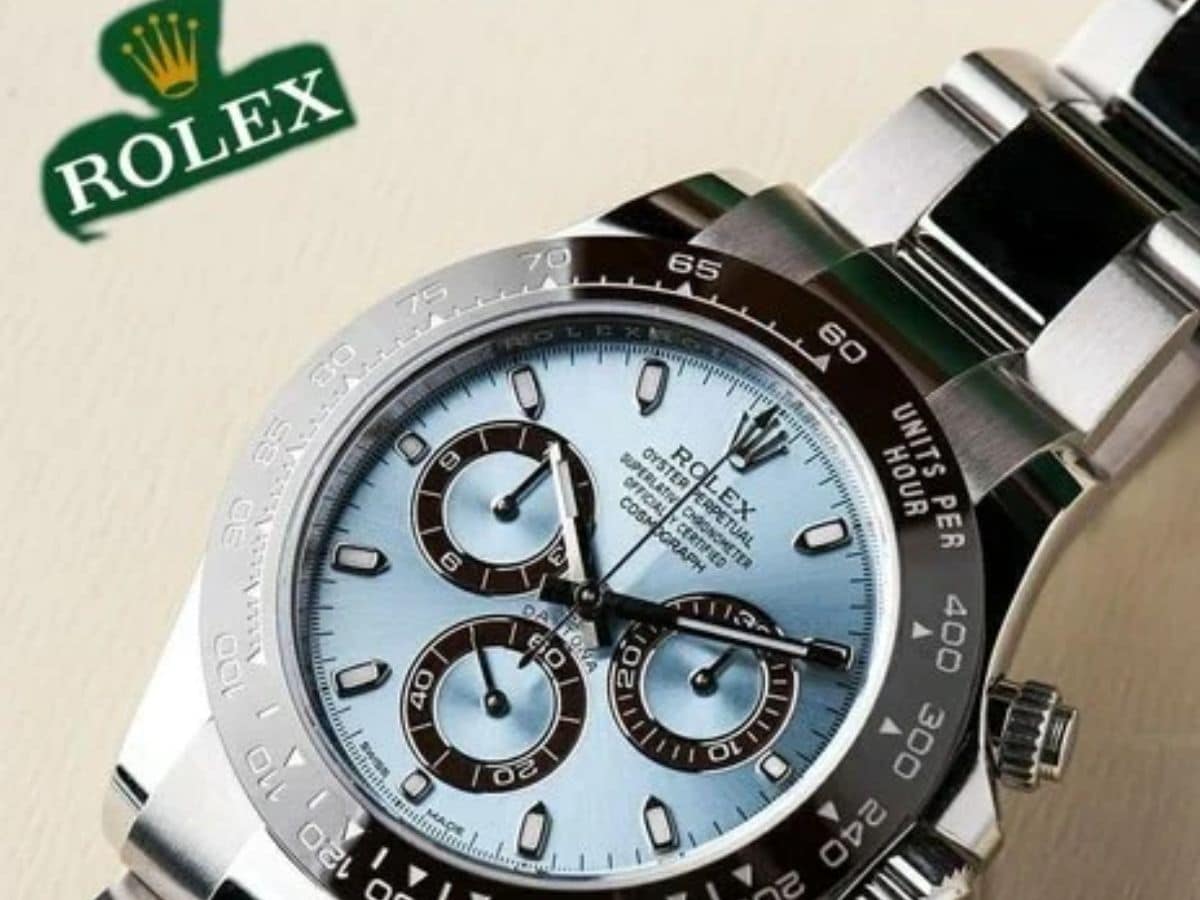
Over more than a century, Rolex has built not just watches, but a narrative of reliability and endurance that no rival has fully replicated. The true reason behind its high price is not merely the steel, the gold or the platinum. It is the unwavering promise set forth by Hans Wilsdorf; a Rolex must keep accurate time, anywhere on the planet, under any possible condition. That promise has defined the company’s engineering philosophy for generations, and continues to justify the extraordinary value placed on every watch that bears its name. (News18 Hindi)







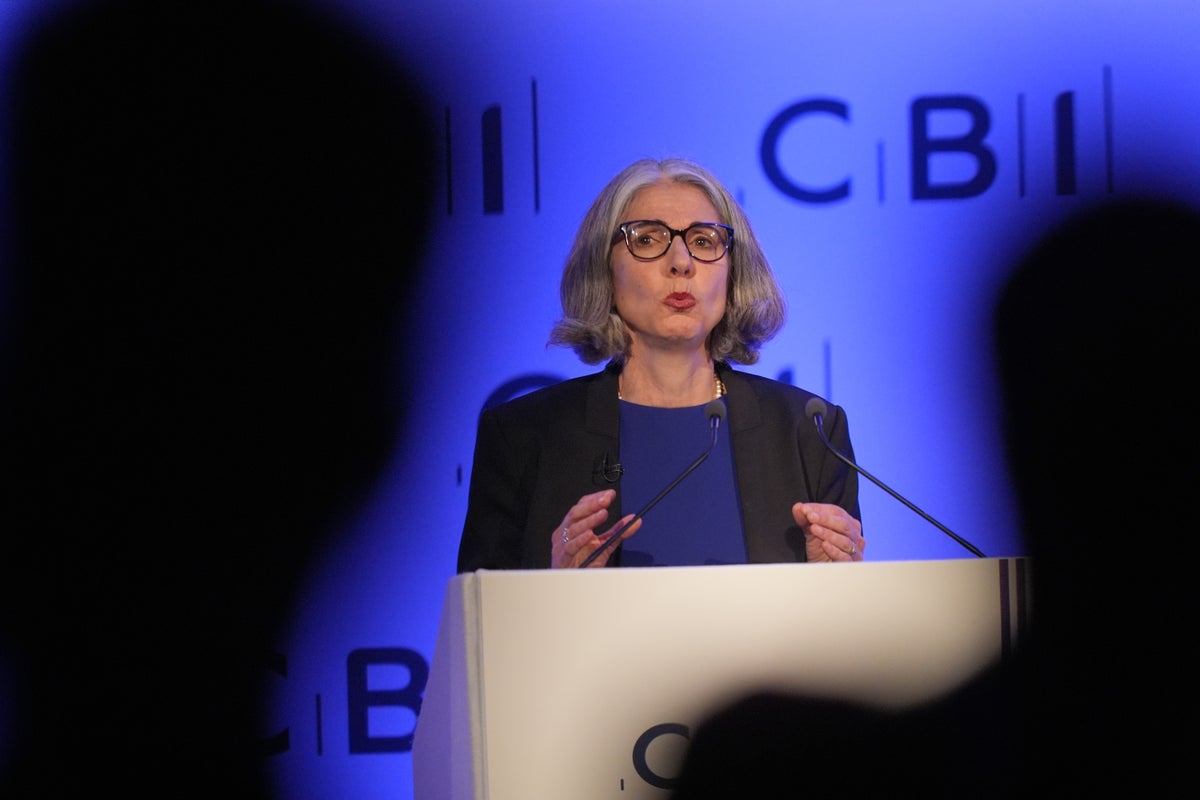
The UK must not “cut ourselves off” from trade opportunities in China despite security and business risks, the head of the Confederation for British Industry has warned.
CBI chief Rain Newton-Smith highlighted that British businesses see increased trade with Chinese firms as an opportunity to drive growth.
Her remarks came as business leaders were questioned by MPs on Parliament’s Business and Trade Select Committee regarding the UK’s economic relationship with China.
Last December, Prime Minister Sir Keir Starmer admitted China poses security threats to the UK but urged for greater business ties.
Ms Newton-Smith, chief executive of one of the UK’s largest business groups, was positive about the Government’s engagement with China.
“You can’t have a growth strategy without a strategy for China,” she said.
“China has the biggest contribution to global growth, is the third largest trading partner, and the world’s largest consumer market.
“The UK is second largest exporter of trade and services.
“We are mindful as all businesses are of security risks but it is really important that we have a strategy towards China.
“This Government has increased the economic engagement with China and including business within this does help us as a country.”
She added: “If we think about the future economy, there is a huge market in China and I think we mustn’t cut ourselves off from some of the opportunities there, even if in some areas there are difficult conversations and negotiations that need to be had.”
Peter Burnett, chief executive of the China-Britain Business Council, told the committee: “There are risks associated with technology advancement, AI, industrial development that they need to assess.
“Increasingly you will find them saying that they need to engage more in China to understand those risks and to develop some of the technologies along some of those risks themselves.”
Business
Trump says he’d be disappointed if Fed pick doesn’t cut rates; Warsh vows to be ‘independent actor’ – The Times of India
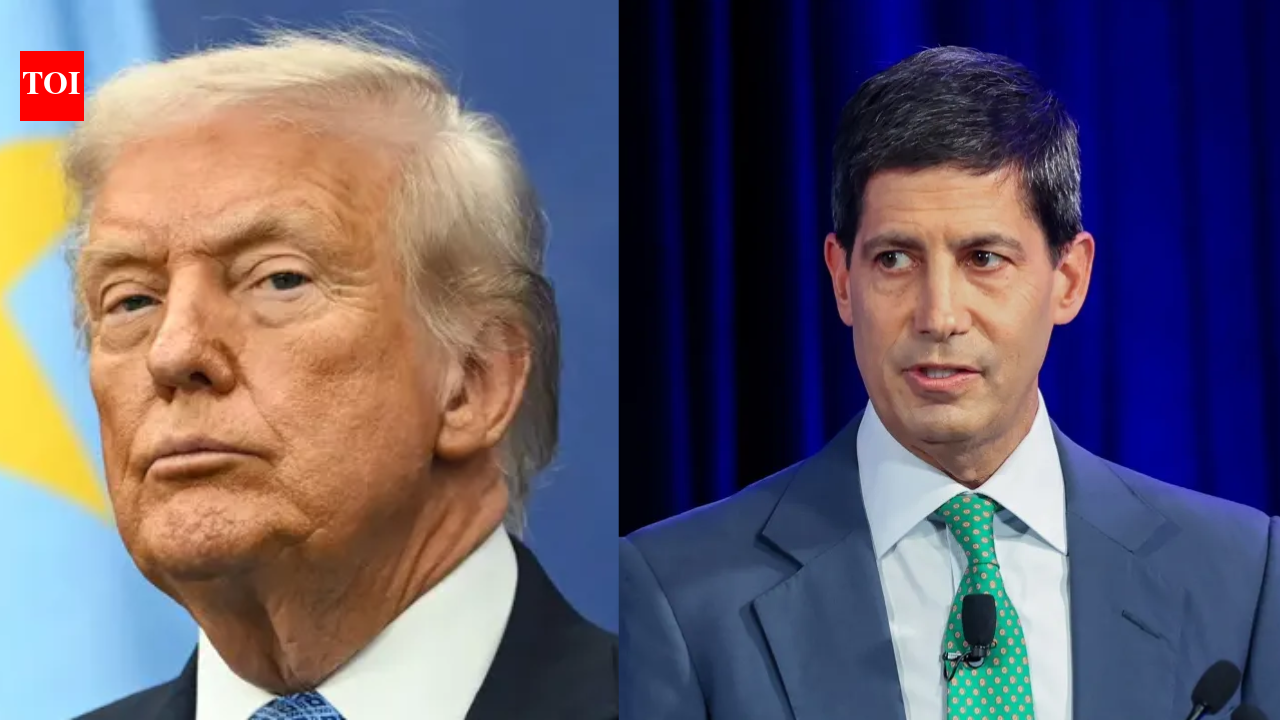
US President Donald Trump on Tuesday said he would be disappointed if his nominee for Federal Reserve chair, Kevin Warsh, does not cut interest rates right away after taking office if confirmed by the Senate. Trump, during an interview with CNBC’s “Squawk Box,” also said “we have to find out” about the construction costs of the new Federal Reserve building.Warsh, a former Federal Reserve official and financier, is currently facing Senate confirmation hearings where he has stressed his independence from political pressure.“The president never once asked me to commit to any particular interest rate decision, and nor would I agree to it if he had,” Kevin Warsh said under questioning by the Senate Banking Committee, as quoted by LA Times. “I will be an independent actor if confirmed as chair of the Federal Reserve.”Warsh told lawmakers that fighting inflation would be one of his main priorities if confirmed.“Congress tasked the Fed with the mission to ensure price stability, without excuse or equivocation, argument or anguish,” Warsh said. “Inflation is a choice, and the Fed must take responsibility for it.”The comments come as investors closely watch his confirmation hearing, with inflation remaining at 3.3% annually and global tensions, including the war in Iran pushing up gas prices, adding pressure on the economy. Higher inflation typically leads the Federal Reserve to keep interest rates steady or raise them rather than cut them, as rate changes affect mortgages, auto loans, and business borrowing.Democrats on the Senate Banking Committee accused Warsh of shifting his stance on interest rates over time, supporting higher rates under Democratic presidents and lower rates during Trump’s presidency.Warsh, if confirmed, would take over at a time when inflation pressures make it difficult for the Federal Reserve to cut rates, even as Trump continues to push for lower borrowing costs. Trump has repeatedly urged rate cuts and has long clashed with current Fed chair Jerome Powell over monetary policy. Powell has also been the subject of a Department of Justice criminal probe after refusing Trump’s requests for faster rate cuts. Trump told CNBC that he does not plan to pressure the Justice Department to end that probe.
NEW DELHI: Nestle India reported a 26% increase in net profit to Rs 1114 crore on its highest ever domestic sales of Rs 6,445 crore for the fourth quarter ended March 31, 2026, led by premiumisation, penetration and higher ad spends.“This performance was powered by double-digit volume growth, driven by over 50% increase in advertising spends, whilst delivering a healthy EBITDA margin of 26%’’, Manish Tiwary, chairman and managing director, Nestlé India said.Total sales and domestic sales for the quarter increased by 23% each, while all product groups contributed to the performance, he said.For FY26, total sales increased by nearly 15% to Rs 23,071 crore, while the net profit jumped nearly 7% year-on-year to Rs 3545 crore. The company on Tuesday also declared a final dividend of Rs 5 per equity share.The West Asia conflict is likely to have a limited impact on most packaged food companies’ Q4 performance, as it was confined to March. However, companies have flagged higher input costs driven by the rise in crude oil prices.Elaborating on the commodities outlook, he said “Edible oil prices are firm and have moved higher in line with global crude oil prices, supported by increased diversion to biodiesel’’.Meanwhile, unseasonal rains have impacted wheat production, resulting in a delayed harvest and lower quantity and quality.Commenting on coffee prices, the company said it expects prices to continue to trend lower, supported by a favourable crop in Vietnam and the forthcoming crop in Brazil.


Reese Witherspoon breaks silence after AI support controversy

Duke lands John Blackwell, top guard in transfer portal

Tackling the housing shortage with robotic microfactories

-

 Fashion6 days ago
France’s LVMH Q1 revenue falls 6%, shows resilience amid Iran war
-

 Sports1 week ago
The case for Man United’s Fernandes as Premier League’s best
-

 Entertainment1 week ago
Palace left in shock as Prince William cancels grand ceremony
-
 Business1 week ago
UK could adopt EU single market rules under new legislation
-

 Entertainment6 days ago
Is Claude down? Here’s why users are seeing errors
-

 Fashion1 week ago
Energy emerges as biggest cost driver in textile margins
-
 Business1 week ago
Delta Air Lines unveils first new Delta One suite in premium cabin arms race
-
 Fashion1 week ago
Asia claims largest share of markets on Kearney FDI Confidence Index