

Business
Women’s Employment Rate In India Jumps From 22% To 40.3% In 6 Years

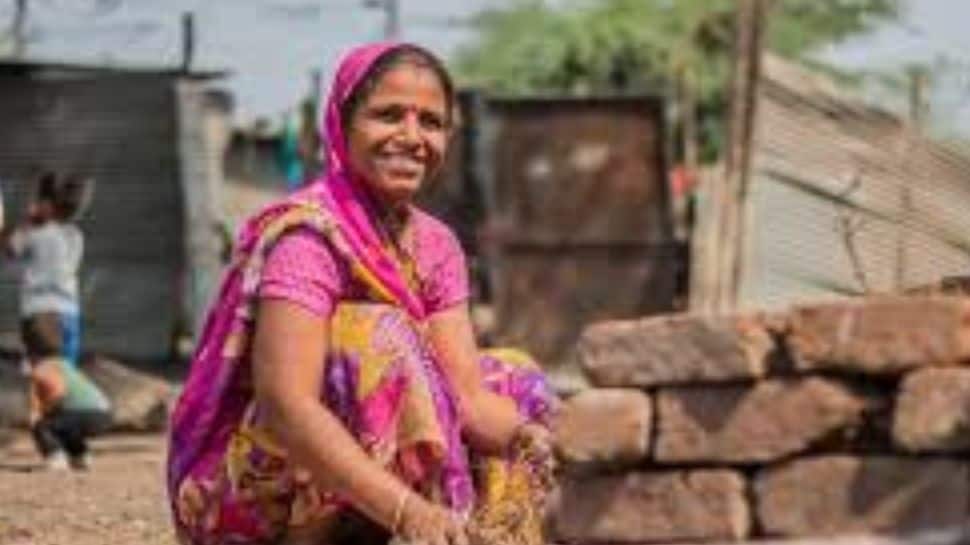
New Delhi: The Ministry of Labour and Employment on Monday highlighted that India has witnessed a remarkable increase in the female workforce participation rate, based on the periodic labour force survey (PLFS) data which shows that the women’s employment rate (WPR) grew from 22 per cent in 2017-18 to 40.3 per cent in 2023-24, while the unemployment rate (UR) dropped from 5.6 per cent in 2017-18 to 3.2 per cent in 2023-24.
This shift is even more significant in rural India, where female employment has grown by 96 per cent while urban areas have seen an increase of 43 per cent in employment during the same period.
The employability of female graduates has also increased from 42 per cent in 2013 to 47.53 per cent in 2024. The employment rate (WPR) among women with postgraduate education and above has risen from 34.5 per cent in 2017-18 to 40 per cent in 2023-24, as per the statement.
According to the India Skills Report 2025, nearly 55 per cent of Indian graduates are expected to be globally employable in 2025, up from 51.2 per cent in 2024.
Additionally, EPFO payroll data further highlights the increasing participation of women in the formal sector. Over the past seven years, 1.56 crore women have joined the formal workforce. Meanwhile, e-Shram, as of August, has recorded over 16.69 crore unorganised women workers’ registrations, providing them access to various social welfare schemes of the Centre.
The ministry has highlighted that efforts by the Centre are contributing to growth in women entrepreneurs. At the national level, 70 Central schemes across 15 Ministries and more than 400 state-level schemes focus on supporting female entrepreneurship. PLFS data shows that female self-employment grew by 30 per cent – from 51.9 per cent in 2017-18 to 67.4 per cent in 2023-24, making women truly Atmanirbhar, it said.
Gender budgets have increased by 429 per cent in the last decade, rising from Rs 0.85 lakh crore in FY 2013-14 (RE) to Rs 4.49 lakh crore in FY 2025-26. This reflects a paradigm shift from women’s development to women-led development, with a strong focus on employment, employability, entrepreneurship, and welfare.
Programmes like Startup India have fostered a thriving ecosystem, with nearly 50 per cent of DPIIT-registered startups having at least one woman director, i.e., 74,410 out of over 1.54 lakh. Today, around two crore women have become Lakhpati Didi. Flagship programmes such as Namo Drone Didi, and Deendayal Antyodaya Yojana – NRLM are also playing a crucial role in this transformation, equipping them with resources and opportunities needed to drive sustainable progress, the statement pointed out.
Another important driver of the rise in women’s self-employment is PM Mudra Yojana, which is playing a crucial role in financial inclusion, with women receiving 68 per cent of the total MUDRA loans – over 35.38 crore loans worth Rs 14.72 lakh crore. Similarly, PM SVANidhi has empowered street vendors, and around 44 per cent beneficiaries are women under the scheme. These initiatives are driving a new wave of economic self-reliance among women across India.
Additionally, women-led Micro, Small, and Medium Enterprises (MSMEs) have also emerged as key drivers of economic expansion, generating over 89 lakh additional jobs for women from FY 21 to FY 23. The share of women-owned proprietary establishments has surged from 17.4 per cent in 2010-11 to 26.2 per cent in 2023-24, and the number of women-led MSMEs have also nearly doubled, growing from 1 crore in 2010-11 to 1.92 crore in 2023-24, highlighting the increasing role of women in shaping India’s economic future.












The Manx treasury says plans are in place to protect essential services in the wake of the Iran war.
Source link

Malaysia-based Karex produces more than five billion condoms a year and supplies global brands like Durex and Trojan.
Source link
Tesco Pet Insurance, who provided the cover, says “the cost of claims is one of a number of factors that can affect the price of a policy at renewal” and also noted Tilly’s age had been reflected in the quote. It says the couple had a more comprehensive policy, which typically costs more than basic levels of cover, and that alternative options were presented to Fawcett and Neild.


China caprolactam corrects after peak on softer crude
Isle of Man price rise contingency plans ‘ready if needed’

At Pakistan’s request, Trump extends ceasefire until Iran submits ‘unified proposal’

-

 Fashion6 days ago
France’s LVMH Q1 revenue falls 6%, shows resilience amid Iran war
-

 Sports1 week ago
The case for Man United’s Fernandes as Premier League’s best
-
 Business1 week ago
UK could adopt EU single market rules under new legislation
-

 Entertainment7 days ago
Is Claude down? Here’s why users are seeing errors
-

 Fashion1 week ago
Energy emerges as biggest cost driver in textile margins
-
 Business1 week ago
Delta Air Lines unveils first new Delta One suite in premium cabin arms race
-

 Fashion1 week ago
Asia claims largest share of markets on Kearney FDI Confidence Index
-

 Sports7 days ago
PSL 11: Peshawar Zalmi win toss, opt to field first against Quetta Gladiators