

Business
Yieldstreet tell investors in $89 million worth of marine loans to expect losses


Cargo containers stacked aboard a ship at the Jakarta International Container Terminal in Tanjung Priok Port on Aug. 7, 2025.
Str | Afp | Getty Images
The private market assets platform Yieldstreet struck a deal to recoup some of its legal expenses for an ill-fated series of marine loans — but its customers are less fortunate.
Yieldstreet is getting $5 million in a settlement with the borrowers who defaulted on the marine loans, the startup told customers last week in letters obtained by CNBC.
But since the company’s recovery cost “well exceeds the entire settlement amount,” it’s unlikely investors will see any repayment, Yieldstreet said. The deals are being closed and financial statements showing losses will be filed by February, the company said.
“We recognize this outcome is disappointing,” Yieldstreet said in the investor letter. “Yieldstreet pursued this extensive recovery effort because we are committed to exhausting every reasonable avenue for investor recovery.”
Yieldstreet put its investors into deals totaling $89 million in loans that were supposed to be backed by 13 ships, according to a lawsuit filed by the startup against the borrower in that project. The loans float money to companies that take apart ships for scrap metal; the vessels themselves are the collateral on the deals.
Yieldstreet lost track of the ships and then pursued the borrower, which it accused of fraud. While it won monetary awards in a number of jurisdictions outside the U.S., the borrower avoided paying the startup by concealing their assets, Yieldstreet said in the August investor letter.
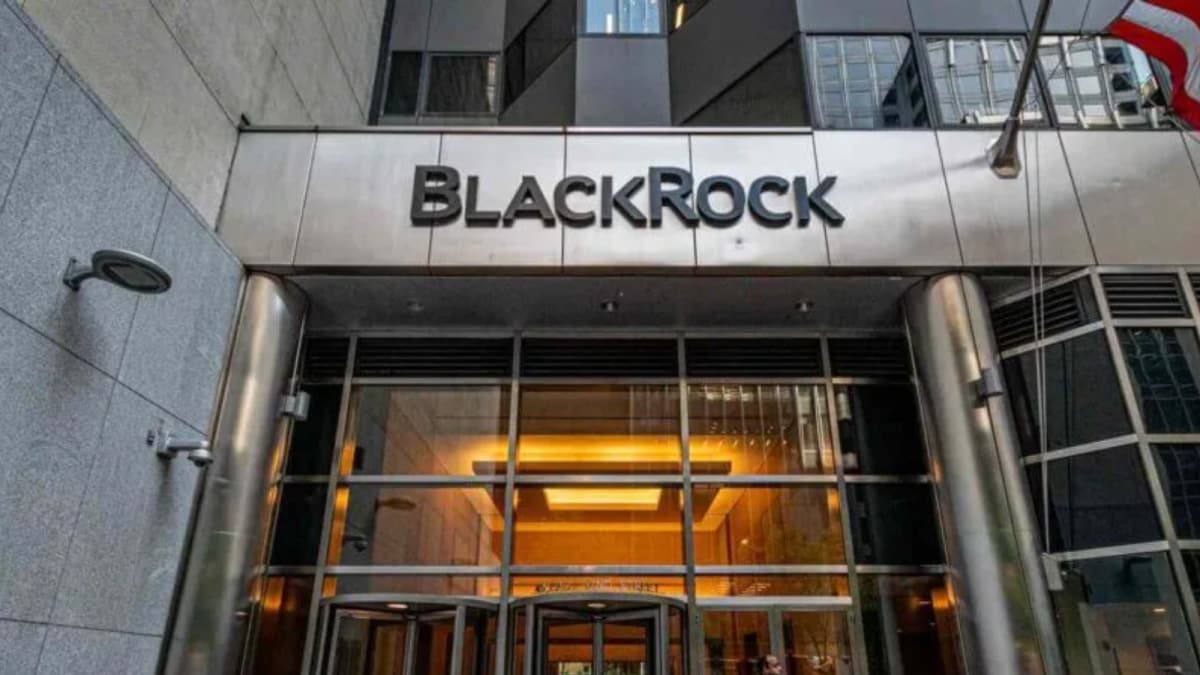
The episode garnered media coverage and in 2020 contributed to the collapse of a high-profile partnership with BlackRock, the world’s largest asset manager.
The news of this latest loss follows CNBC’s report last month that Yieldstreet customers in four real estate deals worth $78 million have been wiped out, with roughly $300 million of other deals on watchlist for possible losses.
This year, Yieldstreet changed its CEO and announced a new business model that leans more on distributing private market funds provided by established Wall Street firms including Goldman Sachs and the Carlyle Group.
In a statement provided to CNBC, Yieldstreet said the investor letters refer to marine loan deals from 2018 and 2019 in an asset class that the firm no longer offers.
“While substantially less than the amounts invested by the funds and ultimately the investors, this settlement allows us to bring closure to litigation that could otherwise continue indefinitely,” Yieldstreet said in the statement.
The firm “takes its fiduciary responsibilities seriously and, throughout the recovery effort, advanced its own funds in an effort to protect its investors and has absorbed significant losses alongside its investors,” the startup said.
Bitter end
Arman, an investor who plowed $180,000 into marine loans in 2019, called the result a bitter disappointment. After receiving $16,000 from Yieldstreet in a class action settlement tied to the soured marine deals, he estimates that he lost more than 90% of his original investment.
CNBC is withholding Arman’s last name from publication at his request.
“My mother passed away in 2018, and I didn’t know where to put the money,” Arman said. “I thought this was somewhere safe to put it, and it wasn’t.”
The Yieldstreet marine loan deal was supposed to mature in six months, a relatively short-term investment.
Instead, it stretched into a six-year saga for Arman, who works as a firefighter and paramedic near the West Coast.
“They are now washing their hands of the whole thing,” he said. “They are taking $5 million to cover their own expenses, with no regard for investors.”



Rising heating oil prices are hitting Northern Ireland harder than the rest of the UK – here’s everything you need to know.
Source link

The logo for the Food and Drug Administration is seen ahead of a news conference at the Health and Human Services Headquarters in Washington, April 22, 2025.
Nathan Posner | Anadolu | Getty Images
A key U.S. Food and Drug Administration official who oversees vaccines and biotech treatments will step down from the agency following multiple decisions that raised concerns within the industry.
Vinay Prasad, director of the Center for Biologics Evaluation and Research, will leave the FDA at the end of April, an agency spokesperson confirmed on Friday. It is his second departure from the position: He briefly left the post in July following backlash over his regulatory decisions, and returned only two weeks later in August.
In a post on X, FDA Commissioner Marty Makary said the FDA will appoint a successor before Prasad returns next month to the University of California San Francisco, where he taught before taking the FDA position last year. Makary said Prasad “got a tremendous amount accomplished” during his tenure at the agency.
Prasad’s decision to step down comes after criticism of the FDA mounted within the biotech and pharmaceutical industry and among former health officials. In the past year, the agency has denied or discouraged the approval applications of at least eight drugs, according to RTW Investments, after taking issue with data the companies used to support their applications. The FDA also initially refused to review Moderna’s flu shot before it later reversed course.
All of those companies accused the FDA of reversing previous guidance about the evidence they could use to back their applications, sparking criticism within the industry that an unreliable regulatory process could stifle development of drugs for hard-to-treat diseases.
A former FDA official who spoke to CNBC on the condition of anonymity to speak freely on the issue called the reversals the worst kind of regulatory uncertainty because companies say they are being told one thing and then experience another.
In a statement earlier Friday, an FDA spokesperson said there was “no regulatory uncertainty,” adding the agency “makes decisions based on the evidence, but does not make assurances about outcomes.” The spokesperson said the FDA is “conducting rigorous, independent reviews and not rubber-stamping approvals.”
The most recent controversy came after the FDA discouraged UniQure from applying for expedited approval of its experimental treatment for Huntington’s disease.
The agency, which underwent staff cuts and an overhaul under Health and Human Services Secretary Robert F. Kennedy Jr., has faced broader backlash for its drug and vaccine approvals process. Critics have worried the agency could stifle the development of new treatments and risk the safety of patients.
The Wall Street Journal earlier reported Prasad’s departure.

Energy Minister Saad al-Kaabi says oil could hit $150 a barrel if the Iran conflict continues over the coming weeks.
Source link


Winners and losers of the 2026 NHL trade deadline

Ben Stiller condemns use of ‘Tropic Thunder’ clip in political video

Spain, France lead World Cup 2026 Power Rankings, 100 days out

-
 Business1 week ago
Attock Cement’s acquisition approved | The Express Tribune
-

 Politics1 week ago
US arrests ex-Air Force pilot for ‘training’ Chinese military
-

 Fashion1 week ago
Policy easing drives Argentina’s garment import surge in 2025
-
 Business1 week ago
India Us Trade Deal: Fresh look at India-US trade deal? May be ‘rebalanced’ if circumstances change, says Piyush Goyal – The Times of India
-

 Politics1 week ago
What are Iran’s ballistic missile capabilities?
-

 Sports1 week ago
LPGA legend shares her feelings about US women’s Olympic wins: ‘Gets me really emotional’
-

 Sports1 week ago
Sri Lanka’s Shanaka says constant criticism has affected players’ mental health
-

 Entertainment1 week ago
Bobby J. Brown, “The Wire” and “Law & Order: SUV” actor, dies of smoke inhalation after reported fire