

Business
8th Pay Commission: Will Central Govt Employees Get 20–35% Salary Hike? All You Need To Know

Last Updated:
The government has started consultations for the 8th Central Pay Commission to review salaries and pensions. Suggestions are invited until April 30, 2026.




The 8th Pay Commission will impact the salaries of India’s three armed forces, with the minimum basic pay for soldiers expected to increase by 25–35% after implementation.
8th Pay Commission: The 8th Central Pay Commission, which is reviewing salaries, pensions and allowances for millions of central government employees and retirees, is working day and night to complete the task within the prescribed timeline of 18 months since the notification.
It is set to replace the 7th Pay Commission, which came into effect from January 01, 2016 until December 31, 2025.
The Ministry of Finance has invited suggestions from employees, pensioners, staff unions and other stakeholders as part of the exercise. Inputs can be submitted through an online portal until April 30, 2026.
The Terms of Reference for the commission were notified on November 3, 2025, and the panel has been given 18 months to submit its recommendations. Once the report is submitted and approved by the government, it could lead to a revision in pay structures and pension benefits.
The proposed revision is expected to affect around 50 lakh central government employees and nearly 69 lakh pensioners.
All central government employees and pensioners will get the benefits of the 8th pay commission retrospectively in the form of arrears from January 01, 2026.
How Much Salary Hike Would Employees Be Expected To Get?
Experts estimate that the 8th Pay Commission could bring a salary hike of around 20–35% for central government employees. The fitment factor—which is used to revise basic pay—is expected to be in the range of 2.4 to 3.0, though the final decision will depend on multiple economic factors.
As reported by CNBC-TV18, Pratik Vaidya of Karma Management Global said the final outcome will hinge on inflation trends, the government’s fiscal position, and recommendations from the upcoming Finance Commission of India.
He noted that previous pay commissions offer some perspective. The 6th Central Pay Commission resulted in an average salary increase of about 40%, while the 7th Central Pay Commission had an overall impact of roughly 23–25%, with a uniform fitment factor of 2.57.
Vaidya added that the final recommendation of the 8th Central Pay Commission will likely depend on factors such as inflation over the next 12–18 months, the government’s fiscal space after the 16th Finance Commission, tax collections, and broader policy considerations. According to him, the government may aim to strike a balance between offering a noticeable pay increase while adjusting allowances and dearness allowance structures in a calibrated manner.
March 15, 2026, 13:46 IST
Read More
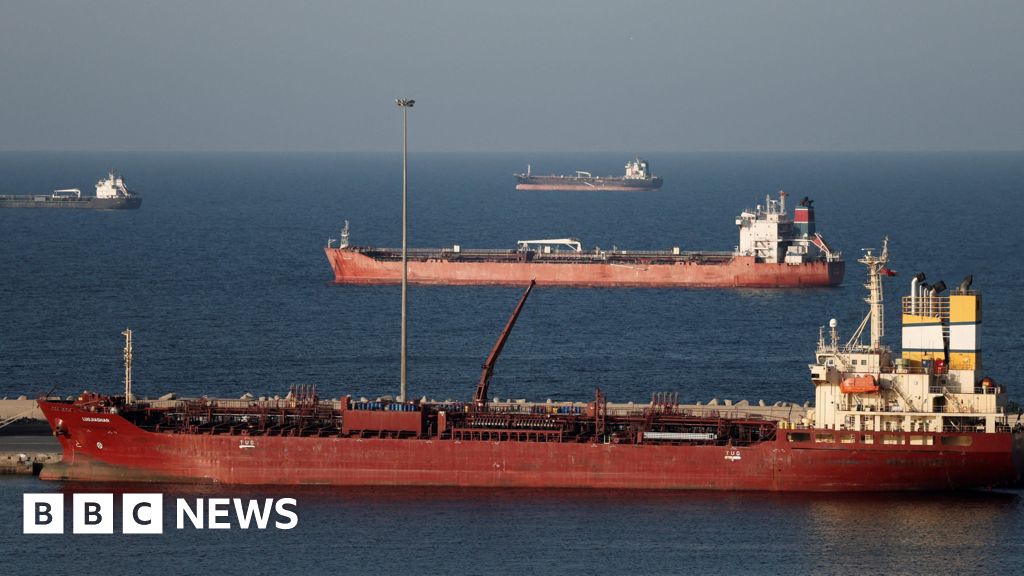
The energy secretary also hinted at the possibility of sending minesweeping drones to the region.
Source link
Business
Gold Prices: Gold, silver may see more corrective moves this week as Middle East tensions, central bank cues drive volatility – The Times of India
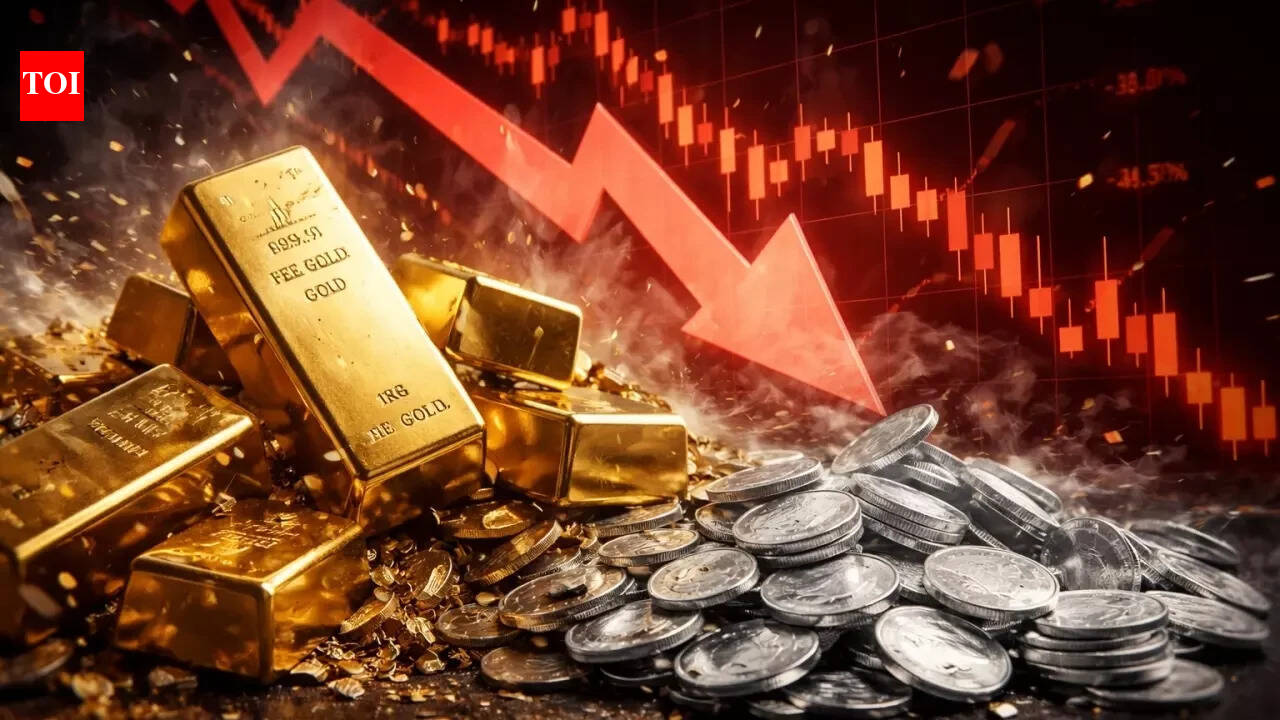
Gold and silver prices are likely to remain volatile and could see further corrective moves in the coming week, with investors closely watching developments in the Middle East conflict and a packed calendar of major central bank policy meetings, analysts said.Market participants are expected to remain focused on the evolving geopolitical situation, as any sign of escalation or de-escalation in the Middle East could trigger sharp swings across commodities, currencies and broader financial markets.
Middle East conflict to remain key trigger
Analysts said traders will continue to track the conflict in the Middle East closely, with geopolitical headlines likely to remain the biggest short-term driver for bullion prices.“In the week ahead, focus will remain in the Middle East region as any signs of further escalation or de-escalation may lead to increased volatility in the financial markets,” Pranav Mer, vice president, EBG – commodity & currency research at JM Financial Services Ltd, was quoted as saying by news agency PTI.While gold and silver are traditionally seen as safe-haven assets during times of crisis, recent sessions have shown that broader market stress can also lead to profit-booking and cash-raising, which can weigh on prices even when geopolitical risks remain elevated.
Fed, ECB, BoE and PBOC decisions in focus
On the macroeconomic front, investors will also monitor a heavy lineup of central bank meetings this week.The US Federal Reserve will announce its policy decision on Wednesday, followed by the European Central Bank and the Bank of England on Thursday, and the People’s Bank of China on Friday.These central banks are widely expected to keep interest rates unchanged, but traders will be closely watching their forward guidance for clues on the path of global monetary policy, especially at a time when higher crude oil prices are complicating inflation expectations.
Bullion under pressure last week
Bullion prices remained under pressure in domestic markets last week. On the Multi Commodity Exchange (MCX):
- Silver fell Rs 8,850, or 3.3%
- Gold declined Rs 3,168, or 2%
In the international market, Comex silver dropped nearly $3, or 3.52%, during the week, while gold fell $97, or 2%.Mer told PTI that gold broke down from a consolidation range on Friday and ended the week nearly 2 per cent lower, dragged by a stronger US dollar and growing expectations that major central banks may delay interest rate cuts because of the inflationary impact of surging crude oil prices.
Why bullion fell despite safe-haven demand
The fall in bullion prices came even as equities and other risk assets saw broad pressure.According to PTI, Mer said gold prices slipped despite a wider sell-off in risk assets because traders and investors may have chosen to book profits at higher levels or sold holdings to meet margin calls and liquidity needs.Still, he said bullion continues to retain an important support base from safe-haven demand because of the escalating conflict in the Middle East.“Silver prices closed in negative for the second consecutive week, weighed by a stronger dollar and a consolidative/ corrective move in the industrial metals,” Mer told PTI.
Long-term allocation still favoured
Despite near-term volatility, analysts said gold and silver continue to play an important role in portfolio construction.“Gold and silver earn their place not because of what they return in isolation, but because of how they behave relative to everything else,” Vijay Kuppa, CEO of InCred Money, said, as per PTI.He said the two metals remain valuable because of their low correlation with equities and their ability to act as a hedge against currency debasement.Kuppa also cautioned investors against trying to time the market, saying that while broader commodity markets have been disrupted by supply chain issues and changing trade routes amid the conflict, investors should maintain a long-term allocation to bullion rather than chase short-term price swings.
Last Updated:
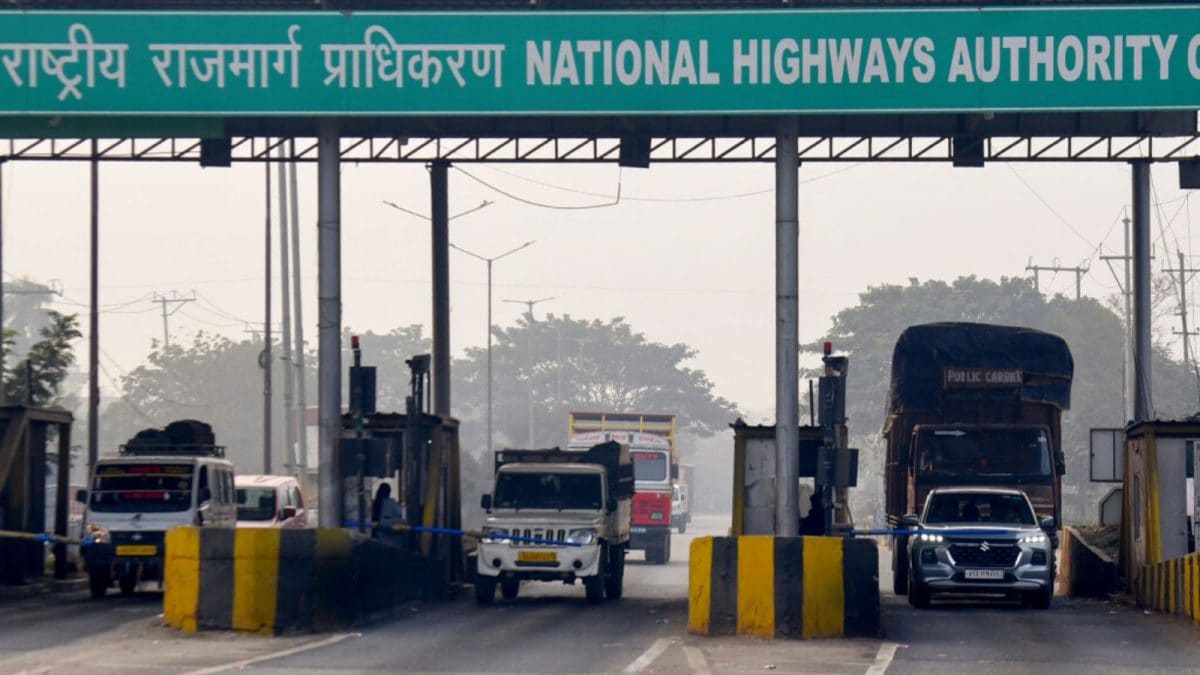
NHAI raised the FASTag Annual Pass fee from Rs 3,000 to Rs 3,075 for 2026–27, effective April 1, 2026. The pass covers 1,150 toll plazas for non-commercial vehicles.
NHAI Revises FASTag Annual Pass Fee for FY27; Price Increased to Rs 3,075
The National Highways Authority of India (NHAI) has announced a revision in the FASTag Annual Pass fee, increasing the charge from Rs 3,000 to Rs 3,075 for the financial year 2026–27. According to an official statement released on March 15, the revised fee will come into effect from April 1, 2026.
The change has been implemented in accordance with the National Highways Fee (Determination of Rates and Collection) Rules, 2008, which allows periodic revision of toll charges. The FASTag Annual Pass facility is available to eligible non-commercial vehicles with a valid FASTag, enabling users to travel across around 1,150 toll plazas on national highways and expressways.
The annual pass allows private vehicle owners to pay a one-time fee for toll usage instead of recharging FASTag frequently. Once activated, the pass remains valid for one year or up to 200 toll plaza crossings, whichever occurs earlier, making it a convenient option for frequent highway commuters.
Users can activate the annual pass on their existing FASTag linked to the vehicle by paying the fee through the Rajmarg Yatra App or via the official NHAI website. According to the authority, the pass is typically activated within two hours of payment.
Launched on August 15, 2025, the FASTag Annual Pass has seen growing adoption among private vehicle owners. NHAI said more than 56 lakh users have already opted for the facility, highlighting its popularity as a convenient and cost-effective option for travellers on national highways across India.
March 15, 2026, 16:25 IST
Read More


King Charles and Camilla congratulate Team GB on Winter Paralympic triumphs

Sources: Atlantic 10 set to hire Dan Leibovitz as commissioner

Strategic oil stocks to be released ‘immediately’ in Asia and Oceania: IEA

-

 Politics1 week ago
India let Iran warship dock the day US sank another off Sri Lanka, say officials
-

 Sports1 week ago
Pakistan set for FIH Pro League debut | The Express Tribune
-

 Entertainment1 week ago
Harry Styles kicks off new era with ‘One Night Only’ comeback show
-
 Business1 week ago
Restaurant group changes name after bid to buys pubs across the UK
-
 Business4 days ago
Stock market crash today (March 12, 2026): Nifty50 opens below 23,600; BSE Sensex down over 900 points on continuing US-Iran war – The Times of India
-
 Business1 week ago
Home heating oil: ‘Most of my pension has gone on home heating oil’
-

 Sports1 week ago
Winners and losers of the 2026 NHL trade deadline
-

 Entertainment1 week ago
Kanye ‘Ye’ West trips during trial: ‘Is he asleep?’