

Business
Gold, silver outlook for Diwali 2025: How high could prices go after 50% surge? Analysts weigh in – The Times of India

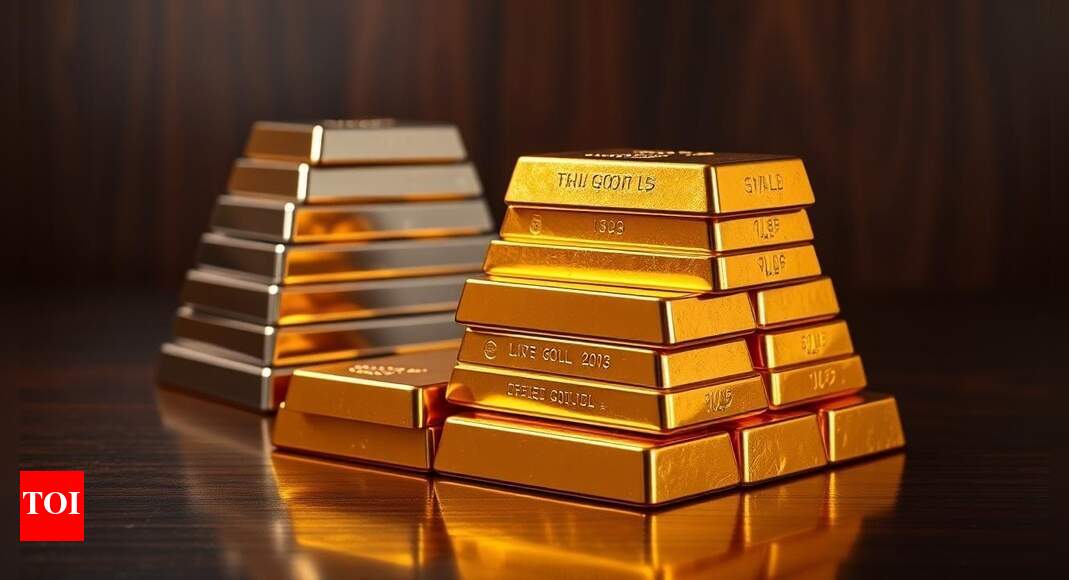
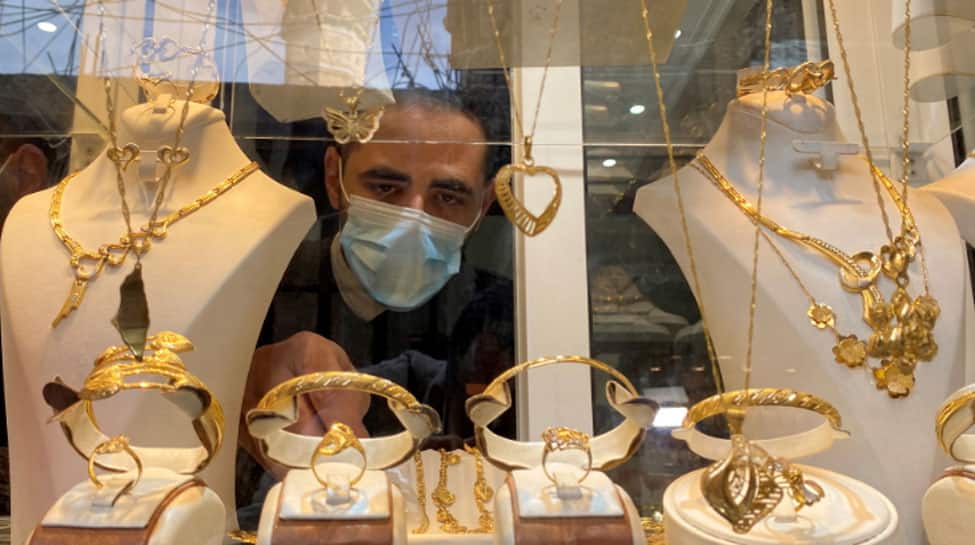
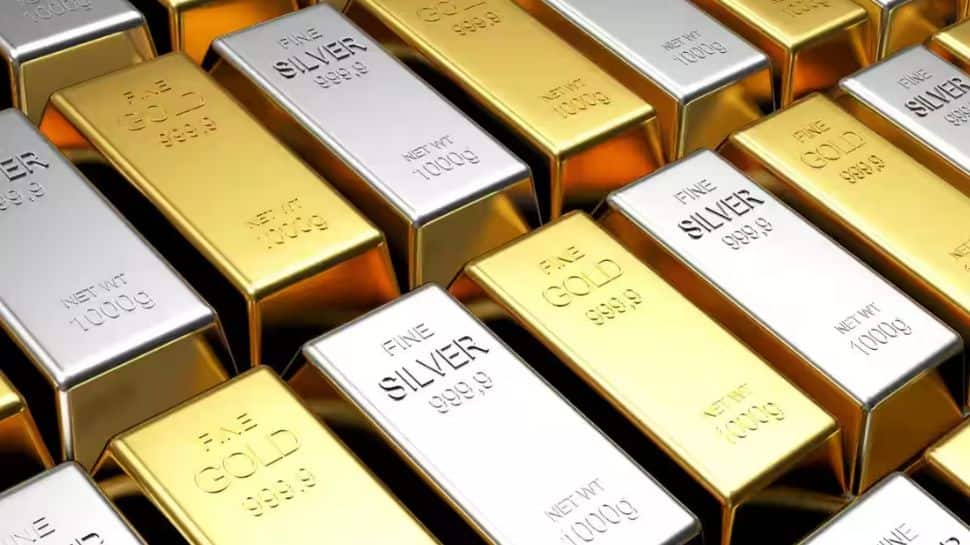
As Diwali 2025 approaches, gold and silver markets have shown remarkable performance, with increases of over 47% and 52% respectively this year. On the MCX, prices have exceeded Rs 1,18,000 per 10 grams, leading investors to speculate about further growth potential during the upcoming festive period.Analysts, quoted by Economic Times, predict continued growth, with gold potentially reaching Rs 1.22 lakh by Diwali.The 2025 precious metals surge has been driven by various factors including festival demand, accommodative central bank policies, global political tensions and sustained ETF investments, leading to unprecedented price levels.Silver prices have also risen significantly, trading above Rs 1.44 lakh per kg, with projections suggesting Rs 1.50 lakh by the festival period.Renisha Chainani of Augmont Research anticipates a “bullish-to-consolidation phase” during Diwali, noting that whilst recent gains might encourage profit-taking, the overall positive trend continues. “Gold has surged past Rs 1,18,000 on MCX while silver trades above Rs 1,44,000, supported by safe-haven demand amid the US government shutdown, tariff uncertainty, and expectations of further Fed rate cuts,” Chainani told ETMarkets.Regarding Diwali 2025 projections for precious metals- Chainani forecasts that by October 21, gold could reach $3950-$4000 internationally (Rs 1,20,000-Rs 1,22,000 on MCX), while silver might achieve $49-$50 (Rs 1,48,000-Rs 1,50,000), particularly if global tensions increase. She notes that “key drivers of bullishness include dovish Fed policy, a weaker US dollar, continued ETF inflows, and robust Indian festive demand.“The industrial sector and green energy requirements could boost silver demand. However, she notes that market stabilisation could occur due to profit collection, US dollar strengthening, or reduced global tensions.Manoj Kumar Jain from Prithvifinmart Commodity Research notes that September’s performance, with gold increasing over 10% and silver 15% internationally, indicates a “super bull run” for both metals. Additionally, his predictions include gold reaching Rs 1,22,000 by Diwali and Rs 1,25,000 by year-end, with silver potentially hitting Rs 1,50,000 and Rs 1,58,000-Rs 1,60,000 respectively.Internationally, Jain anticipates gold at $3940-$4000 and silver at $48.40-$50 per troy ounce. Support levels are $3720 (international) and Rs 1,10,660 (domestic) for gold, with silver at $44.40 and Rs 1,34,400. Jain recommends: “We suggest buying gold and silver on dips for the target of Rs 1,22,000 and Rs 1,50,000, respectively and avoid any kind of short selling in both precious metals.”As Diwali approaches, jeweller and retail demand is expected to increase. Traditional peak buying during festivals and weddings could further strengthen prices already elevated by global economic uncertainties.Despite potential profit-taking opportunities, analysts maintain that fundamental factors remain positive, with any price decreases likely being temporary.Jigar Trivedi of Reliance Securities said, “By Diwali 2025, gold may trade around Rs 1,19,000-Rs1,20,000/10g, driven by global uncertainties, central bank buying, high inflation, Fed stance and a weaker rupee. Safe-haven demand is strong as geopolitical tensions and economic slowdown fears persist.”He adds that silver might reach Rs 1,48,000-Rs 1,50,000/kg, supported by industrial applications, particularly in solar energy and EVs, alongside investment interest. “Supply constraints and a falling rupee further fuel price momentum. With interest rates expected to fall globally, precious metals may gain. However, high volatility and profit-booking can cause short dips. Overall, both metals show a bullish outlook for Diwali 2025 in rupee terms, supported by macroeconomic trends, weak INR, and robust investor interest in hard assets,” Trivedi further added.(Disclaimer: Recommendations and views on asset classes given by experts are their own. These opinions do not represent the views of The Times of India)

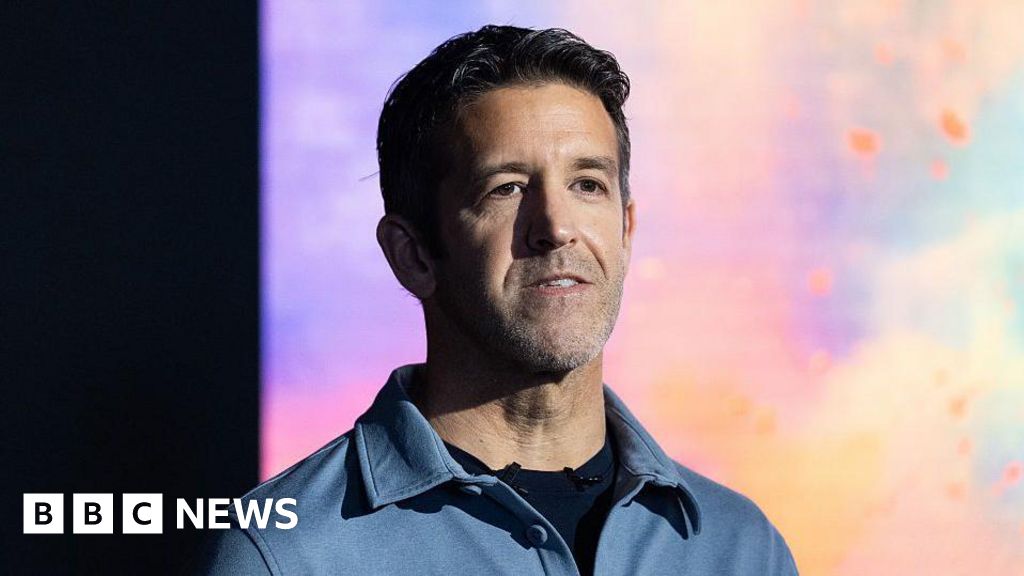
John Ternus will take over running the technology giant as Cook steps up to become executive chairman.
Source link
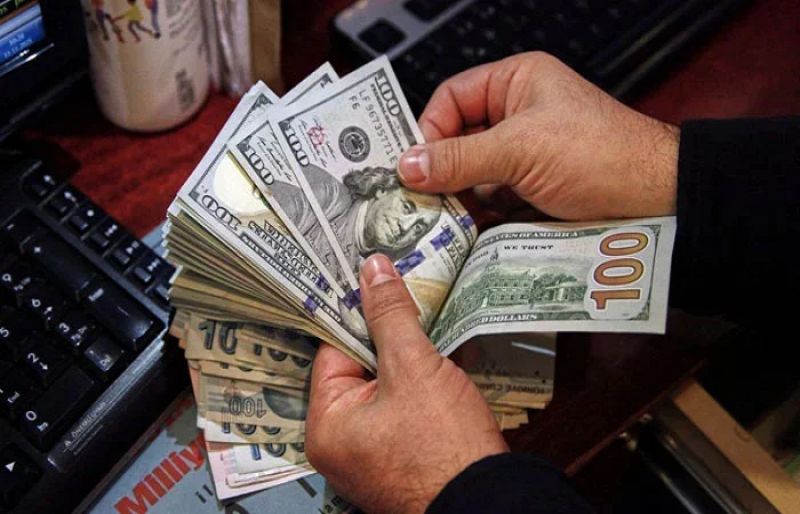
The State Bank of Pakistan (SBP) has received $1 billion from the Ministry of Finance of the Kingdom of Saudi Arabia, marking the second tranche of a $3 billion deposit agreed recently, the central bank said on Tuesday.
According to the statement issued by the central bank, the second tranche was received with a value date of April 20, 2026.
The first tranche of $2 billion had already been received on April 15, 2026, bringing the total inflows under the arrangement to $3 billion.
The development comes days after Prime Minister Shehbaz Sharif’s visit to Saudi Arabia, where he engaged in diplomatic efforts aimed at promoting regional peace.
During his visit, the premier met Crown Prince Mohammed bin Salman in Jeddah and expressed appreciation for the Kingdom’s continued support for Pakistan’s economic stability. He also conveyed solidarity with Saudi Arabia in light of recent regional developments.
Earlier on April 16, Finance Minister Muhammad Aurangzeb had announced that Saudi Arabia would provide $3 billion in additional financial support, with disbursement expected shortly.
He also noted that Riyadh had extended the tenure of its existing $5 billion deposit, removing the earlier annual rollover requirement.
The Saudi funding has strengthened Pakistan’s external position as it repaid $2 billion in debt to the United Arab Emirates (UAE).
The amount was kept with the central banks as a safe deposit.
Saudi Arabia has been a key financial partner for Pakistan, having provided support packages during previous economic challenges, including a $6 billion assistance programme in 2018 comprising deposits and oil facility arrangements.
Crude plunged on Friday after Tehran said it would allow ships to transit the Strait of Hormuz
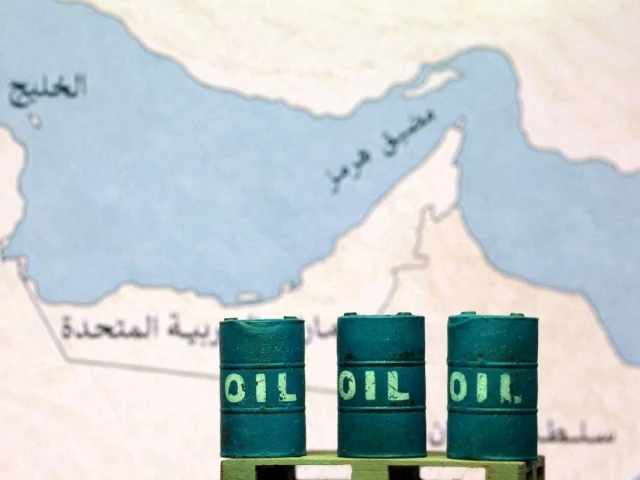
A map showing the Strait of Hormuz, also known as Madiq Hurmuz, and 3D printed oil barrels are seen in this illustration taken March 26, 2026. PHOTO: REUTERS
HONG KONG:
With the end of a two-week ceasefire approaching, the White House said Vice President JD Vance was ready to return to Pakistan for fresh negotiations to end a conflict that has sent crude soaring and revived inflation fears.
However, the Islamic Republic’s position remained uncertain as it accused Washington of violating their fragile truce through its blockade of the country’s ports and seizure of a ship.
Crude plunged on Friday after Tehran said it would allow ships to transit the Strait of Hormuz, which had been effectively closed since the war began on February 28.
Read: US positive on Iran deal but talks still uncertain as ceasefire end nears
But the commodity rebounded on Monday as Iran closed the waterway again, citing the blockade and seizure.
Donald Trump has similarly accused Tehran of violating the ceasefire by harassing vessels in the Strait of Hormuz, the transit passage for about one-fifth of global oil.
The US president said the blockade would not be lifted until an agreement had been reached.
“THE BLOCKADE, which we will not take off until there is a ‘DEAL,’ is absolutely destroying Iran,” Trump said on social media. “They are losing $500 Million Dollars a day, an unsustainable number, even in the short run.”
He told PBS News that Iran was “supposed to be there” at the talks in Pakistan.
“We agreed to be there,” he said, warning that if the ceasefire expired “then lots of bombs start going off”.
He separately told Bloomberg News it was “highly unlikely” he would extend the truce.
Based on its start time, the truce theoretically expires overnight on Tuesday, Iran time, although in his comments to Bloomberg Trump said the end was Wednesday evening Washington time.
The Middle Eastern country’s parliament speaker, Mohammad Bagher Ghalibaf, said “Trump wants to turn this negotiating table into a surrender table or justify renewed hostilities, as he sees fit”.
“We do not accept negotiations under the shadow of threats, and in the last two weeks we have been preparing to show new cards on the battlefield,” he wrote on X.
Still, investors remained largely upbeat that the two sides will eventually come to a deal that will reopen the strategic strait.
US benchmark crude West Texas Intermediate rose more than 1%, while Brent was also higher.
Tech rally
Seoul led the equity market gains thanks to a resumption of the tech rally that had pushed the Kospi to multiple records before the war, while Tokyo and Taipei were also well up.
Hong Kong, Singapore and Manila also advanced, although Shanghai and Sydney fluctuated.
That came even after a down day on Wall Street, where the S&P 500 and Nasdaq Composite retreated from Friday’s record closes.
Asia had opened “with a gentle lean into risk as signs Iran may join talks with the US offer a pathway, however narrow, toward easing tensions ahead of the ceasefire deadline”, wrote SPI Asset Management’s Stephen Innes.
“Markets are pricing the possibility of progress rather than its certainty,” he said.
“Trump’s remark that a ceasefire extension is ‘highly unlikely’ if no deal is reached has effectively put a clock on the market.
“However, traders recognise the playbook. Hard deadlines and firm rhetoric often soften as negotiations evolve, but the presence of a timeline still sharpens positioning and raises the stakes around each headline.”
In company news, Japanese arms firms enjoyed healthy buying after Tokyo said on Tuesday it would ease decades-old export rules, paving the way for the sale of lethal weapons overseas.
The policy shift, which ends Tokyo’s self-imposed restraint on the sale of lethal arms, comes as it seeks to enter the international arms market, hoping to bolster national defence as well as boost economic growth.
Fujitsu climbed 2.4%, NEC added 3.7%, and Mitsubishi Electric was up 0.9%, while Mitsubishi Heavy gained 0.4%.
Key figures around 0230 GMT
West Texas Intermediate: DOWN 1.2% at $88.50 a barrel
Brent North Sea Crude: DOWN 0.4% at $95.12 a barrel
Tokyo – Nikkei 225: UP 1.3% at 59,596.10 (break)
Hong Kong – Hang Seng Index: UP 0.3% at 26,427.75
Shanghai – Composite: DOWN 0.2% at 4,073.82
Euro/dollar: DOWN at $1.1780 from $1.1786 on Monday
Pound/dollar: DOWN at $1.3525 from $1.3535
Dollar/yen: UP at 158.98 yen from 158.88 yen
Euro/pound: UP at 87.10 pence from 87.07 pence
New York – Dow Jones: FLAT at 49,442.56 (close)
London – FTSE 100: DOWN 0.6% at 10,609.08 (close)


Scam messages offering ships safe transit through Hormuz, warns security firm

UN Security Council denounces killing of French peacekeeper in Lebanon
Apple names new boss to replace Tim Cook after 15 years

-

 Fashion5 days ago
France’s LVMH Q1 revenue falls 6%, shows resilience amid Iran war
-

 Sports1 week ago
The case for Man United’s Fernandes as Premier League’s best
-

 Entertainment1 week ago
Palace left in shock as Prince William cancels grand ceremony
-
 Business1 week ago
UK could adopt EU single market rules under new legislation
-

 Entertainment6 days ago
Is Claude down? Here’s why users are seeing errors
-

 Fashion1 week ago
Energy emerges as biggest cost driver in textile margins
-
 Business1 week ago
Delta Air Lines unveils first new Delta One suite in premium cabin arms race
-

 Tech1 week ago
A Lot of Shops Won’t Fix Electric Bikes. Here’s Why