

Tech
Plasma-based method creates efficient, low-cost catalysts for metal–air batteries

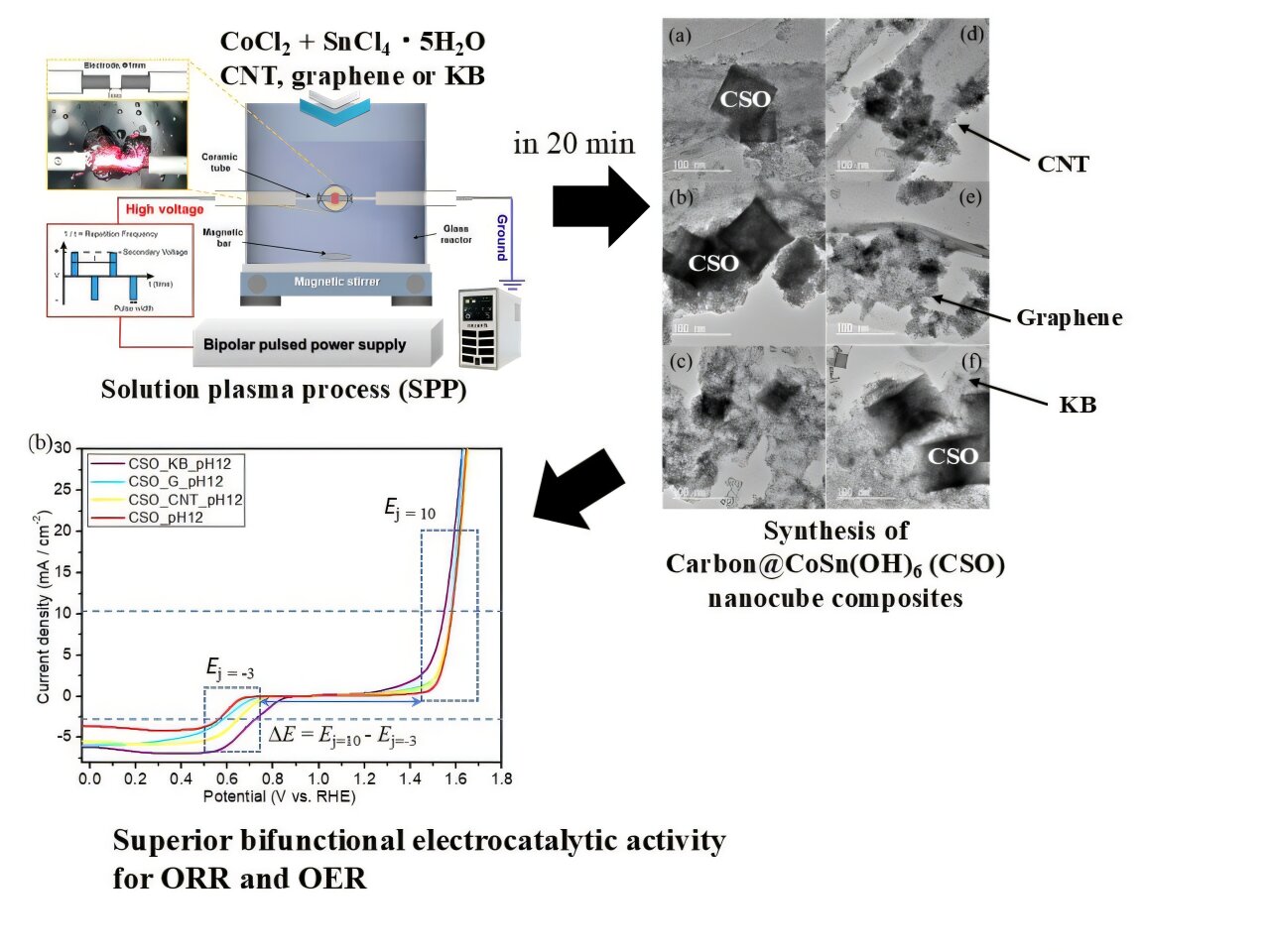
Due to the intense global impact of fossil fuel overuse on air quality and climate, the search for advanced clean energy solutions has become critical. Metal–air batteries offer a game-changing alternative, holding the potential to replace combustion engines in various applications.
By electrochemically converting oxygen from the air into power, these batteries achieve theoretical energy densities up to twelve times higher than lithium-ion cells, delivering unprecedented efficiency with zero operational emissions.
Challenges facing metal–air battery adoption
Despite their theoretical advantages, metal–air batteries have yet to achieve widespread commercial viability due to several critical obstacles. Current high-performance catalysts primarily depend on expensive precious metals, such as platinum and ruthenium, rendering them economically unfeasible for mass production and large-scale deployment.
Furthermore, most existing catalyst materials are monofunctional, efficiently driving only one of the two essential electrochemical processes—the oxygen reduction reaction (ORR) or the oxygen evolution reaction (OER)—but not both.
Compounding these issues, the complex, multi-step synthesis processes required for these catalysts inflate manufacturing costs and severely restrict scalability.
Innovative research tackles catalyst limitations
Against this backdrop, a research team led by Professor Takahiro Ishizaki from the College of Engineering at Shibaura Institute of Technology, Japan, and Assistant Professor Sangwoo Chae from Nagoya University, Japan, has been working hard to find appropriate solutions to these issues.
In their latest study, published in Sustainable Energy & Fuels, they report a revolutionary single-step method for creating highly effective bifunctional catalysts using abundant, low-cost materials.
The researchers utilized the recently pioneered solution plasma process (SPP) for the synthesis, successfully creating cobalt-tin hydroxide (CoSn(OH)6) composites anchored to various carbon supports. This is a critical distinction from conventional catalyst synthesis: unlike traditional, multi-step methods that require surfactants and extensive post-processing, SPP enables rapid, single-step synthesis at room temperature under ambient atmospheric conditions.
This plasma-based approach not only confers unique surface properties that significantly boost catalytic activity but also dramatically slashes manufacturing complexity and production costs.
The research team systematically produced catalysts with varied compositions and carbon structures, rigorously testing their bifunctional performance in both the oxygen reduction (ORR) and oxygen evolution (OER) reactions—the two pivotal processes determining overall battery efficiency.
Their best-performing catalyst, combining CoSn(OH)6 with Ketjen Black carbon, achieved remarkable results. For oxygen evolution, it outperformed the industry-standard ruthenium oxide catalyst, requiring lower voltages to achieve the same current densities. In oxygen reduction, it exhibited performance comparable to much more expensive platinum-based catalysts while relying solely on abundant materials.
Moreover, this new catalyst proved to be quite durable, as Prof. Ishizaki says, “Our advanced CoSn(OH)6–Ketjen Black composite exhibited exceptional long-term stability, maintaining its superior oxygen evolution performance for over 12 hours without degradation, a crucial factor for real-world battery applications.”
Notably, the catalyst’s ability to efficiently catalyze both required reactions represents a significant advancement in the field. The researchers measured a potential gap of just 0.835 V between the two reactions, thus enabling highly efficient energy conversion. This dual functionality eliminates the need for separate catalysts, further reducing system complexity and costs.
Detailed analysis confirms that the superior catalytic performance stems from powerful synergistic interactions between the (CoSn(OH)6) nanoparticles and the carbon support.
The researchers discovered that the SPP synthesis process is key: it ensures a uniform distribution of active nanoparticles across the carbon surface, which maximizes the exposure of catalytic sites while simultaneously guaranteeing excellent electrical conductivity.
Furthermore, the method offers precise control over particle size and crucial surface properties, allowing for systematic optimization of catalytic activity.
“This breakthrough holds profound potential to customize and manufacture high-performance, durable, and low-cost bifunctional electrocatalysts for critical energy conversion systems,” highlights Prof. Ishizaki. “It offers a truly sustainable material alternative to commercially used precious metal-based catalysts.”
Implications for energy storage and industry
The implications of this work are far-reaching, promising a revolution across the energy sector. Metal–air batteries powered by these newly developed catalysts could fundamentally transform energy storage for electric vehicles, offering a significantly longer range and faster charging capabilities while simultaneously reducing overall costs.
Furthermore, the technology holds immense potential for grid-scale energy storage, which is crucial for the efficient integration of intermittent renewable sources like solar and wind power into electrical networks. The proposed single-step synthesis method offers equally profound industrial advantages.
By eliminating complex, multi-step processing and reliance on expensive raw materials, manufacturers can produce these high-performing catalysts at a fraction of the current cost. Moreover, the ability to synthesize these materials under ambient conditions drastically reduces energy consumption and environmental impact compared to conventional high-temperature, high-pressure methods currently used in battery and catalyst production.
Overall, this research represents a crucial and transformative step toward achieving economically viable clean energy storage on a global scale, poised to significantly accelerate the essential transition away from fossil fuels in the transportation and energy sectors.
More information:
Sangwoo Chae et al, Single-step solution plasma synthesis of bifunctional CoSn(OH)6–carbon composite electrocatalysts for oxygen evolution and oxygen reduction reactions, Sustainable Energy & Fuels (2025). DOI: 10.1039/d5se00370a
Citation:
Plasma-based method creates efficient, low-cost catalysts for metal–air batteries (2025, November 17)
retrieved 17 November 2025
from https://techxplore.com/news/2025-11-plasma-based-method-efficient-catalysts.html
This document is subject to copyright. Apart from any fair dealing for the purpose of private study or research, no
part may be reproduced without the written permission. The content is provided for information purposes only.









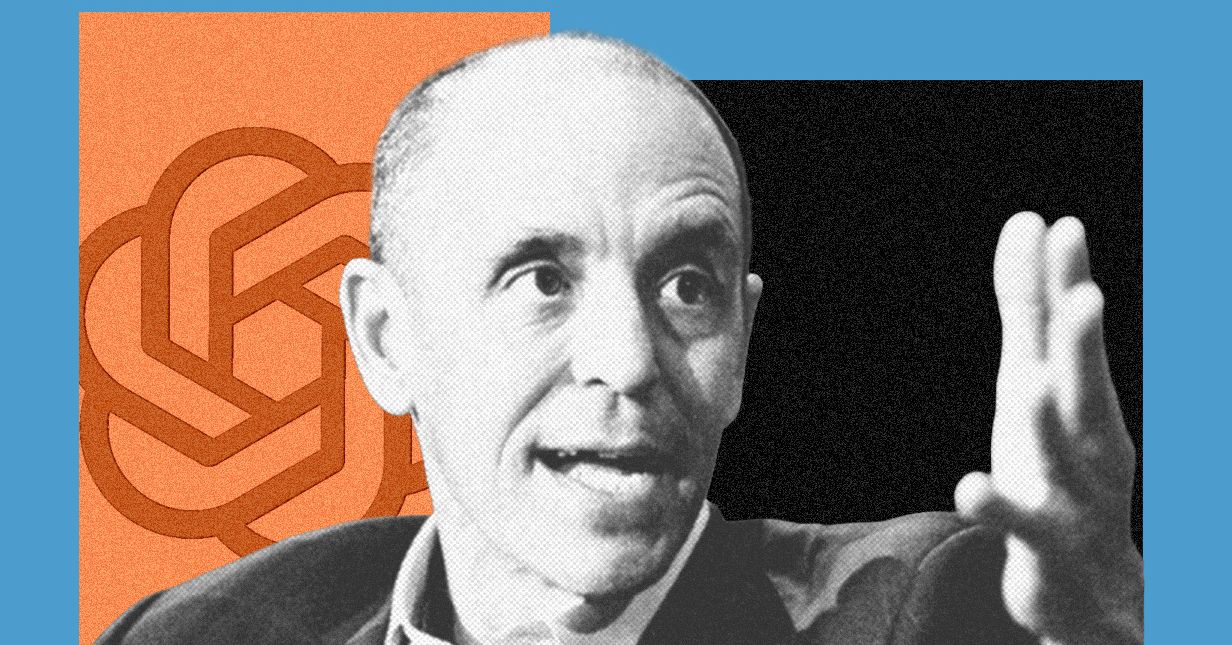
Three months ago, OpenAI cofounder Greg Brockman told me his concerns about a mounting public relations crisis facing artificial intelligence companies: Despite the popularity of tools like ChatGPT, an increasingly large share of the population said they viewed AI negatively. Since then, the backlash has only intensified.
College commencement speakers are now getting booed for talking about AI in optimistic terms. Last month, someone threw a Molotov cocktail at OpenAI CEO Sam Altman’s San Francisco home and wrote a manifesto advocating for crimes against AI executives. No one has more to lose from this reputation crisis than OpenAI.
The person tasked with trying to fix it is Chris Lehane, OpenAI’s chief of global affairs and a veteran political operative. I sat down with him this week to discuss what I’d argue are his two biggest challenges yet: convincing the world to embrace OpenAI’s technology, while at the same time persuading lawmakers to adopt regulations that won’t hamper the company’s growth. Lehane views these goals as one in the same.
“When I was in the White House, we always used to talk about how good policy equals good politics,” says Lehane. “You have to think about both of these things moving in concert.”
After working on crisis communications in Bill Clinton’s White House, Lehane gave himself the nickname “master of disaster.” He later helped Airbnb fend off regulators in cities that viewed short-term home rentals as existing in a legal gray area, or as he puts it, “ahead of the law.” Lehane also played an instrumental role in the formation of Fairshake, a powerful crypto industry super PAC that worked to legitimize digital currencies in Washington. Since joining OpenAI in 2024, he’s quickly become one of the company’s most influential executives and now oversees its communications and policy teams.
Lehane tells me public narratives about how AI will change society are often “artificially binary.” On one side is the “Bob Ross view of the world” that predicts a future where nobody has to work anymore and everyone lives in “beachside homes painting in watercolors all day.” On the other is a dystopian future in which AI has become so powerful that only a small group of elites have the ability to control it. Neither scenario, in Lehane’s opinion, is very realistic.
OpenAI is guilty of promoting this kind of polarizing speech in the past. CEO Sam Altman warned last year that “whole classes of jobs” will go away when the singularity arrives. More recently he has softened his tone, declaring that “jobs doomerism is likely long-term wrong.”
Lehane wants OpenAI to start conveying a more “calibrated” message about the promises of AI that avoids either of these extremes. He says the company needs to put forward real solutions to the problems people are worried about, such as potential widespread job loss and the negative impacts of chatbots on children. As an example of this work, Lehane pointed to a list of policy proposals that OpenAI recently published, which include creating a four-day work week, expanding access to health care, and passing a tax on AI-powered labor.
“If you’re going to go out and say that there are challenges here, you also then have an obligation—particularly if you’re building this stuff—to actually come up with the ideas to solve those things,” Lehane says.
Some former OpenAI employees, however, have accused the company of downplaying the potential downsides of AI adoption. WIRED previously reported that members of OpenAI’s economic research unit quit after they became concerned that it was morphing into an advocacy arm for the company. The former employees argued that their warnings about AI’s economic impacts may have been inconvenient for OpenAI, but they honestly reflected what the company’s research found.
Packing Punches
With public skepticism toward AI growing, politicians are under pressure to prove to voters they can rein in tech companies. To combat this, the AI industry has stood up a new group of super PACs that are boosting pro-AI political candidates and trying to influence public opinion about the technology. Critics say the move backfired, and some candidates have started campaigning on the fact that AI super PACS are opposing them.
Lehane helped set up one of the biggest pro-AI super PACs, Leading the Future, which launched last summer with more than $100 million in funding commitments from tech industry figures, including Brockman. The group has opposed Alex Bores, the author of New York’s strongest AI safety law who is running for Congress in the state’s 12th district.
Leah Feiger: Let’s invest.
Zoë Schiffer: They have that going for a while.
Leah Feiger: It wasn’t full Google, but it—
Zoë Schiffer: Somewhat there.
Leah Feiger: —had that vibe. To me, someone so on the outside of this in every single way, I know about these layoffs because they’ve been, A) so chaotic, but B) in some ways, needlessly so. Not to say that other tech companies aren’t firing scores of workers all the time. That feels like something we discuss on this podcast frequently, but this is happening with such a large runway and in a way that’s making employees feel so terrible about themselves.
Brian Barrett: Well, because it’s not just the layoffs, right? It’s also, even if you stay there, if you’re not culled from the herd, you are going to have to deal with this world in which you’ve got spyware on your laptops training AI to probably take your job at some point, right?
Zoë Schiffer: Explain that a little bit.
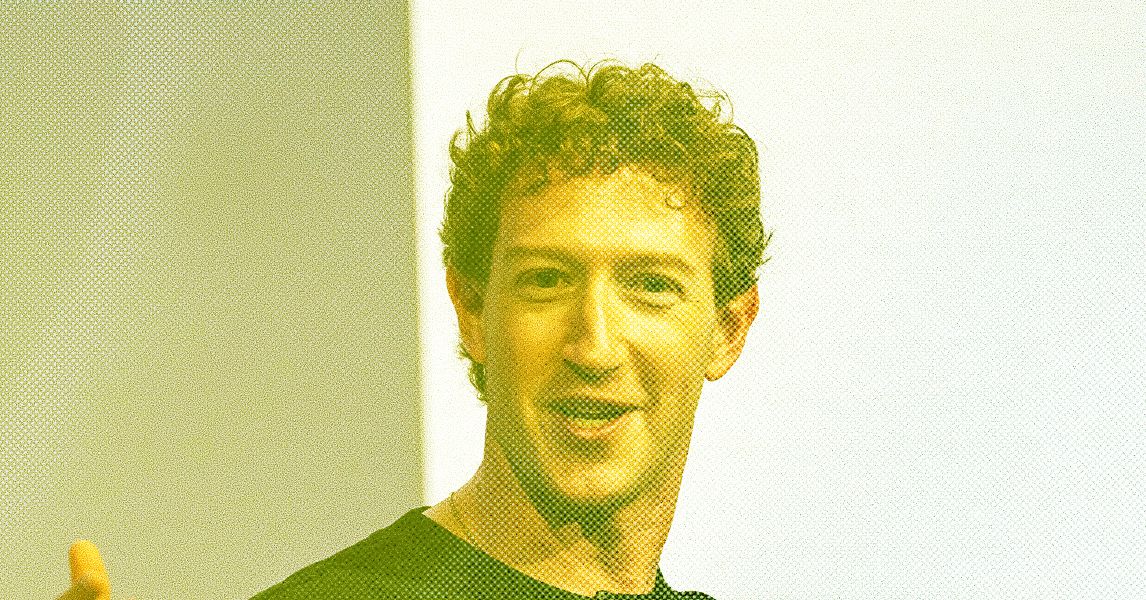
Brian Barrett: Meta announced, and this was more public, that they were going to put software on employee laptops that would monitor their keystrokes and how they move their cursors and basically how they do their job as Meta engineers and use that as training data for their own internal models to try to make their AI models better because they’re running out of other sources.
Zoë Schiffer: And could you opt out of that, Brian?
Brian Barrett: That’s a great question. I’m so glad you asked. You could not opt out.
Zoë Schiffer: I felt you didn’t know the answer to that one.
Brian Barrett: In fact, when an employee asked in a very public forum within Meta, “Hey, could we not do this?” Zoë, the response was?
Zoë Schiffer: Oh, absolutely you’re going to do this and shame on you for asking. And some of the employees who are staying, actually thousands of the employees who are staying, are getting drafted into the AI ranks. We published a piece today that was kind of about the morale inside the company, but also how there’s been this mad dash to use up perks and stipends that employees have. But one of the things that’s said at the end was that remaining employees are being asked to join AI teams. So whatever your job was previously, they’re internally getting drafted. You’re getting drafted into the AI ranks, now your job is going to look quite different.
Brian Barrett: That’s like 7,000 people.
Zoë Schiffer: Yes.
Leah Feiger: I’ve actually heard people use the word raptured.
Zoë Schiffer: Oh, my gosh.
Leah Feiger: Isn’t that—
Zoë Schiffer: And I wish we had that in the story.
Leah Feiger: I’m so sorry, but raptured into other teams. All of a sudden one day they’ve just disappeared. After this layoff, has Zuckerberg and co proposed a sort of coherent leadership plan or proposal? What happens after this?

Atlantic hurricane season is almost upon us, and the early signs indicate it might be less active than usual. But that’s no reason to delete your weather app and ignore the forecast.
The National Oceanic and Atmospheric Administration is predicting eight to 14 named tropical systems, of which three to six will become hurricanes and one to three will be Category 3 or higher.
“What’s driving this forecast is largely an El Niño event,” said NOAA administrator Neil Jacobs.
Characterized by a tongue of hot water stretching across the Pacific, El Niño is likely to emerge this summer. That stretch of warm ocean rearranges weather patterns around the world. In the case of the tropical Atlantic, El Niño stirs up winds that make it hard for hurricanes to spin up. Those that do can sometimes be torn apart by what’s going on in the upper atmosphere. (The opposite is true in the Pacific, and NOAA is predicting a very active season in that ocean basin.)
During the three past super El Niños, accumulated cyclone energy—a metric that factors in storms’ strength and longevity—was well below normal.
That said, El Niño, even an extremely strong one, is only one of many factors that impact hurricane season. Hot local ocean temperatures can help storms form and gain strength, and the Atlantic is currently warmer than normal.
At the same time, Sahara dust can gum up the atmosphere and inhibit storms from forming. It’s also notoriously hard to predict when plumes of it will kick up. That’s what happened last year, when a below-average number of named storms formed despite an active forecast. Despite the lower-than-expected activity, last year still spawned Hurricane Melissa, one of the strongest storms to ever make landfall in the Atlantic basin.
All of which is to say that the seasonal forecast is a handy guide for what to expect, and it’s great for federal and state agencies to preposition supplies and resources. But it’s what happens with individual storms that ultimately matters.
“Even though we’re expecting a below average season in the Atlantic, it’s important to understand it only takes one,” Jacobs said, noting that even in quiet years, Category 5 storms have still made landfall.
The Trump administration has slashed staffing at NOAA and reduced the collection of some data, such as weather balloons, that can impact forecasts. Jacobs touted the value of new observations, including aerial drones that will be deployed operationally for the first time.
NOAA has also ramped up the use of artificial intelligence weather models trained on historical data. During the 2025 hurricane season, the agency tested an experimental hurricane model developed with Google DeepMind. Late last year, it also rolled out a suite of AI weather models to use in operational forecasting, in addition to traditional weather models that use equations to forecast the weather.
The agency says that the AI version of its flagship model provides better prediction of the tracks of tropical cyclones—the generic name for hurricanes—though it lags traditional weather models in predicting their intensity.


Big Sean reflects on Coachella mental health speech for Hailey, Justin Bieber

Can OpenAI’s ‘Master of Disaster’ Fix AI’s Reputation Crisis?

Airbus, Air France found guilty of manslaughter over 2009 Atlantic crash

-

 Entertainment1 week ago
Conan O’Brien hat tricks as Oscar host
-

 Fashion1 week ago
Italy’s Zegna Group’s Q1 growth boosted by strong organic performance
-

 Entertainment6 days ago
Where Pete Davidson, Elsie Hewitt stand after breakup: Details revealed
-
 Business1 week ago
Tui issues update on summer jet fuel shortage fears
-
 Business1 week ago
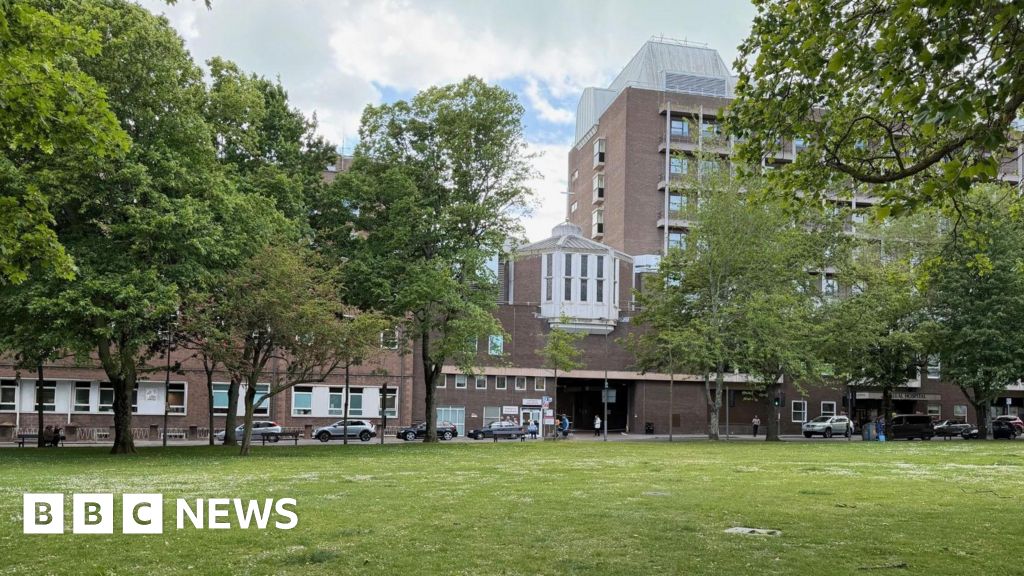
Jersey Election 2026: Cost of living concern in St Helier Central
-

 Entertainment7 days ago
Emilia Clarke recalls near-death incident while filming ‘Game of Thrones’
-
 Fashion1 week ago
Global cotton production, stocks to fall; consumption to rise: WASDE
-

 Politics6 days ago
Rising diesel costs from Iran war strain US school budgets