

Business
Trump’s 50% Tariff On India To Leave Americans Paying More, Here’s What Gets Costlier

Last Updated:
Donald Trump Tariffs: Trump’s 50 percent tariffs on Indian imports, sharply raises US prices on textiles, jewellery, shrimp, chemicals and more, impacting consumers, manufacturers.


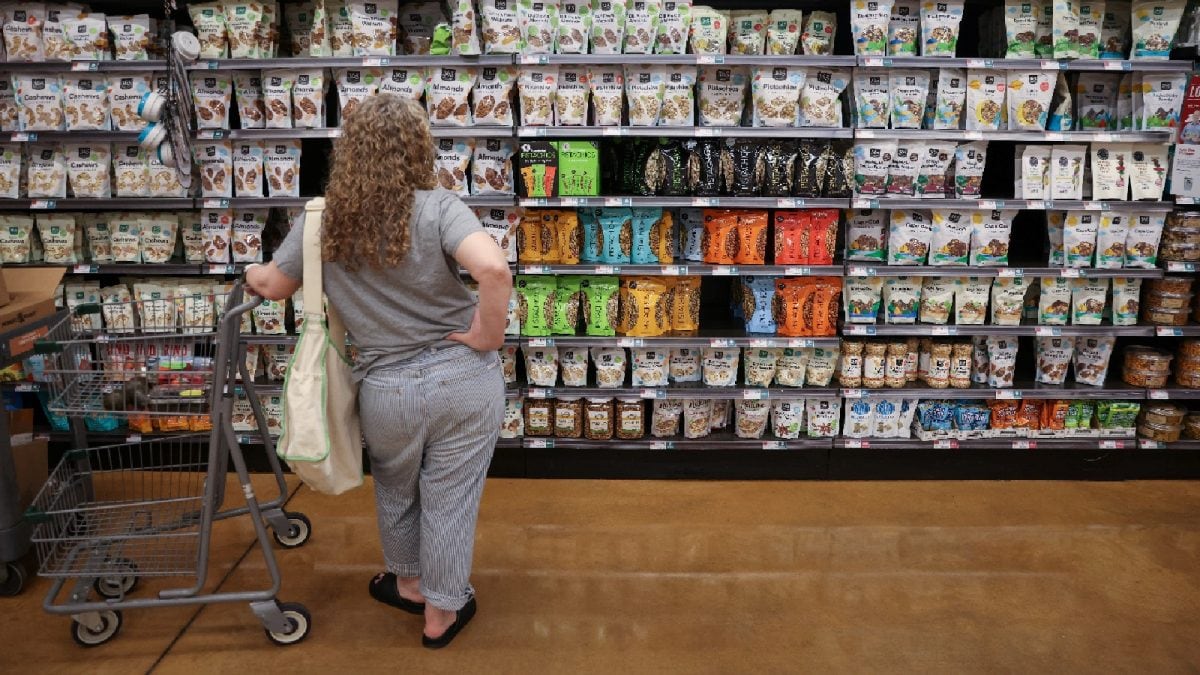
Donald Trump India Tariffs: A person shops in a supermarket as inflation affected consumer prices in Manhattan, New York City, US. (IMAGE: REUTERS FILE)
Donald Trump India Tariffs: The United States is bracing for a wave of price increases as US President Donald Trump’s administration is set to impose sweeping tariffs on Indian imports to the country, doubling duties to 50 per cent in retaliation for New Delhi’s purchase of Russian oil. The move, covering $48 billion worth of Indian goods, is one of the most punitive tariff actions US has ever taken against an ally.
The sectors most affected include textiles, gems and jewellery, shrimp, carpets, handicrafts, furniture, leather, organic chemicals and machinery.
That means everyday items for American households, ranging from linens, rugs and apparel to jewellery, mattresses and shrimp, will now carry a sharply higher price tag. Diamonds, gold jewellery and household furnishings will attract more than 50 per cent duty, while knitted clothes face nearly 64 per cent.
A Moneycontrol report said that apparel and home textiles face particularly sharp hikes: knitted clothing could see duties near 64 percent, woven garments around 60 percent, and bed linens and towels roughly 59 percent.
Americans who love jewellery will also feel the pinch as diamonds, gold, and other Indian-made ornaments are now subject to more than 52 percent in import duties. Also burdened are leather goods and footwear, a staple in US wardrobes, the news report by the financial news outlet said.
Even non-fashion categories aren’t spared—organic chemicals now face duties up to 54 percent, while mechanical appliances and engineering goods cross the 51 percent threshold, making mid-range equipment markedly less affordable for American buyers. Seafood such as shrimp, another Indian export, will also become costlier and on top of existing anti-dumping duties, the new tariff will push the total levy beyond 33 percent.
Blow to US Manufacturers Too
Tariffs were pitched as a way to protect American manufacturing jobs, but survey data from the Dallas Fed, accessed by broadcaster CNN, shows the opposite effect. Nearly 70 per cent of manufacturers report being hurt by higher tariffs this year, with many passing on costs to industrial and military clients. One Texas furniture maker told the Fed, “We are probably going out of business within 90 days.”
Postal services in Europe and Asia are already suspending shipments to the US after the scrapping of a tariff exemption on low-value packages. That means fewer options for American online shoppers relying on e-commerce platforms like Etsy, Shopify and TikTok Shop.
American Consumers Caught in the Middle
The tariff escalation, which leaves India facing one of the highest US import duties alongside Brazil, may shift supply chains toward competitors like Vietnam, Bangladesh and Mexico. But for US shoppers, the immediate result is fewer choices and higher prices.
“Tariffs will raise input costs for American companies, strain profit margins, and disrupt supply chains with long-term inefficiencies even if the policy is reversed later,” said Professor Trilochan Tripathy of XLRI Jamshedpur while speaking to news agency PTI.
In the short term, American households are set to pay more for Indian goods they rely on.
Economists speaking to the US broadcaster CNN called it “sneakflation”, defining it as small, incremental price hikes that quietly eat into household budgets.
For lower-income Americans, already living paycheck to paycheck, such gradual increases mean tough choices: skipping groceries to pay utility bills or cutting back on healthcare to afford children’s clothes.
From toys and sporting goods to furniture and shrimp cocktails, tariff-driven inflation is expected to spread over the next year. The Federal Reserve Bank of Atlanta noted that both tariff-exposed and non-exposed US businesses plan to raise prices in 2025, raising fears of another inflationary impulse.

Shankhyaneel Sarkar is a senior subeditor at News18. He covers international affairs, where he focuses on breaking news to in-depth analyses. He has over five years of experience during which he has covered sev…Read More
Shankhyaneel Sarkar is a senior subeditor at News18. He covers international affairs, where he focuses on breaking news to in-depth analyses. He has over five years of experience during which he has covered sev… Read More
- Location :
Washington/New Delhi
Read More

Malaysia-based Karex produces more than five billion condoms a year and supplies global brands like Durex and Trojan.
Source link
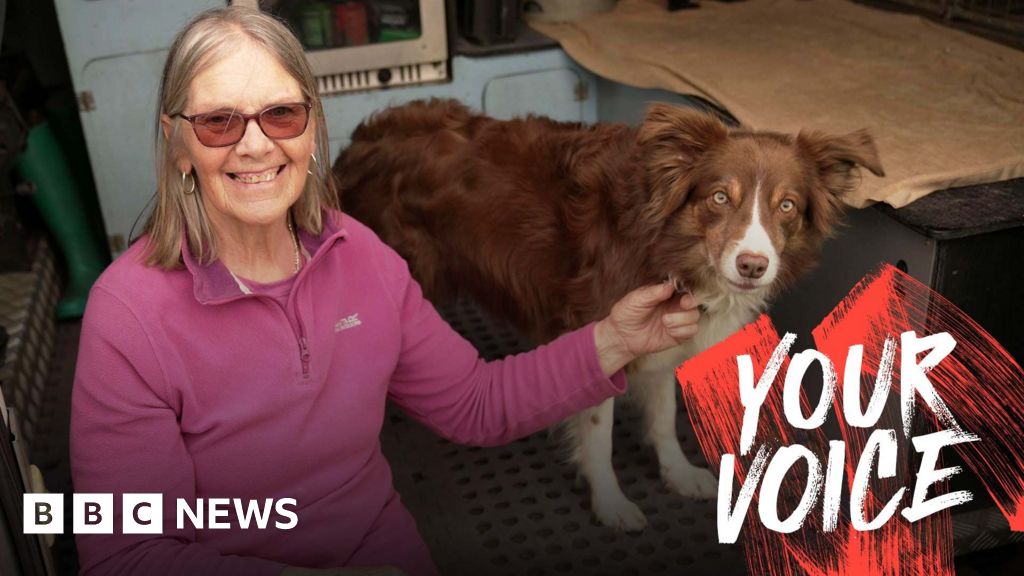
Tesco Pet Insurance, who provided the cover, says “the cost of claims is one of a number of factors that can affect the price of a policy at renewal” and also noted Tilly’s age had been reflected in the quote. It says the couple had a more comprehensive policy, which typically costs more than basic levels of cover, and that alternative options were presented to Fawcett and Neild.
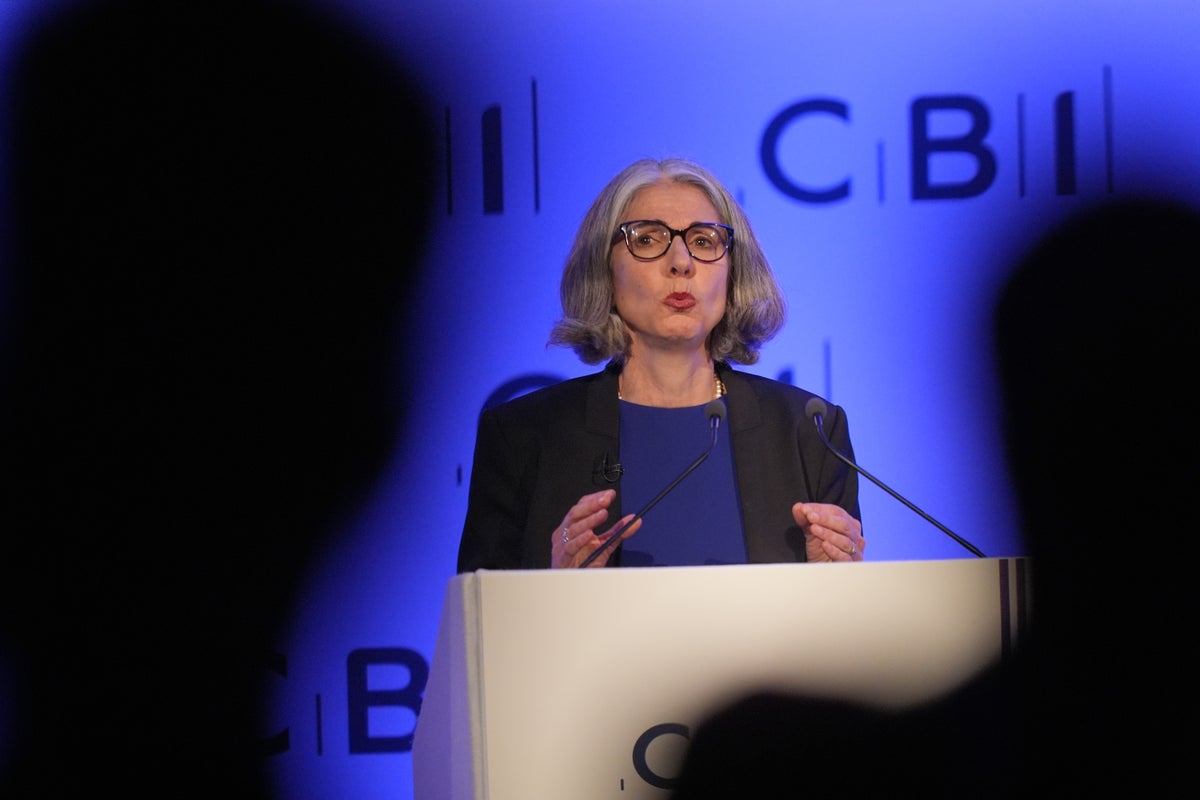
The UK must not “cut ourselves off” from trade opportunities in China despite security and business risks, the head of the Confederation for British Industry has warned.
CBI chief Rain Newton-Smith highlighted that British businesses see increased trade with Chinese firms as an opportunity to drive growth.
Her remarks came as business leaders were questioned by MPs on Parliament’s Business and Trade Select Committee regarding the UK’s economic relationship with China.
Last December, Prime Minister Sir Keir Starmer admitted China poses security threats to the UK but urged for greater business ties.
Ms Newton-Smith, chief executive of one of the UK’s largest business groups, was positive about the Government’s engagement with China.
“You can’t have a growth strategy without a strategy for China,” she said.
“China has the biggest contribution to global growth, is the third largest trading partner, and the world’s largest consumer market.
“The UK is second largest exporter of trade and services.
“We are mindful as all businesses are of security risks but it is really important that we have a strategy towards China.
“This Government has increased the economic engagement with China and including business within this does help us as a country.”
She added: “If we think about the future economy, there is a huge market in China and I think we mustn’t cut ourselves off from some of the opportunities there, even if in some areas there are difficult conversations and negotiations that need to be had.”
Peter Burnett, chief executive of the China-Britain Business Council, told the committee: “There are risks associated with technology advancement, AI, industrial development that they need to assess.
“Increasingly you will find them saying that they need to engage more in China to understand those risks and to develop some of the technologies along some of those risks themselves.”


IMF to give specific attention to low-income, vulnerable nations

A case for fuel reforms
World’s biggest condom maker Karex set to raise prices due to Iran war

-

 Fashion6 days ago
France’s LVMH Q1 revenue falls 6%, shows resilience amid Iran war
-

 Sports1 week ago
The case for Man United’s Fernandes as Premier League’s best
-

 Entertainment1 week ago
Palace left in shock as Prince William cancels grand ceremony
-
 Business1 week ago
UK could adopt EU single market rules under new legislation
-

 Entertainment7 days ago
Is Claude down? Here’s why users are seeing errors
-

 Fashion1 week ago
Energy emerges as biggest cost driver in textile margins
-
 Business1 week ago
Delta Air Lines unveils first new Delta One suite in premium cabin arms race
-
 Fashion1 week ago
Asia claims largest share of markets on Kearney FDI Confidence Index