

Business
US-Israel-Iran War: Strait Of Hormuz, A Global Oil Transit Chokepoint, Hit? Will It Impact India?

Last Updated:
US-Israel-Iran War And Strait Of Hormuz: How has the conflict impacted the traffic in the global oil shipping lane? What does it mean for India and the world? News18 explains




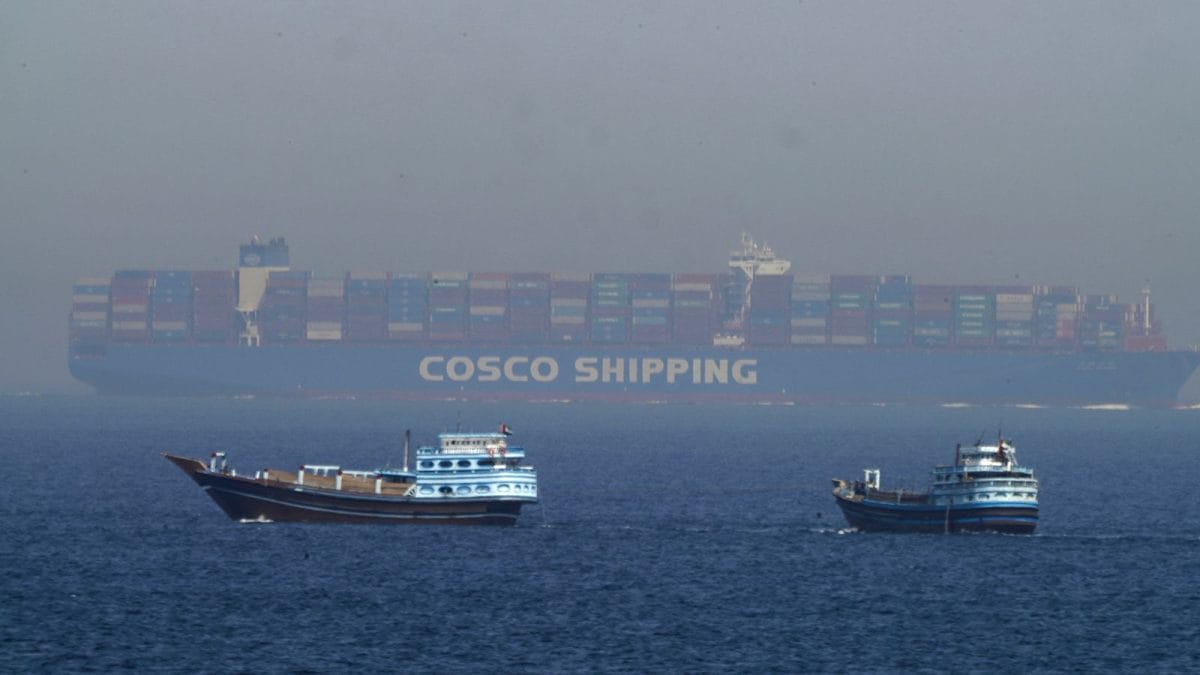
Two traditional dhows sail by a large container ship in the Strait of Hormuz. (AP)
The Strait of Hormuz is currently the focus of a severe global crisis. Following joint Israeli-United States strikes on Iran on February 28, the Islamic Revolutionary Guard Corps (IRGC) has reportedly closed the waterway to all maritime traffic.
Where is it? How was the conflict impacted the traffic? What does it mean for India and the world? News18 explains
Where is the Strait of Hormuz?
It is a narrow, strategically vital waterway in the Middle East that serves as the only sea passage from the Persian Gulf to the open ocean.
It links the Persian Gulf (to the west) with the Gulf of Oman and the Arabian Sea (to the southeast).
Bordering Countries
North Coast: Iran
South Coast: The Musandam Peninsula (an exclave of Oman) and the United Arab Emirates
It is about 21 to 33 miles (33–54 km) wide at its narrowest point. Due to the narrowness, ships must use two-mile-wide lanes (one inbound, one outbound) separated by a two-mile buffer zone to prevent collisions.
Major islands within or near the strait include Qeshm, Hormuz, Larak, and Hengam, most of which are controlled by Iran.
Key Oil Shipping Lane: Why the Strait of Hormuz matters
The Strait of Hormuz is the world’s most critical oil chokepoint. It connects the Persian Gulf with the Gulf of Oman and the Arabian Sea. It is approximately 21 miles (33 km) wide at its narrowest point.
It handles approximately 20% of global oil consumption (around 20 million barrels per day) and 20-25% of the world’s liquefied natural gas (LNG), primarily from Qatar. Over 80% of the oil passing through the strait is destined for Asia, with China, India, Japan, and South Korea being the primary importers.
Alternative routes are limited and cannot fully compensate for a total closure of the strait.
Saudi Arabia can divert up to 5 million barrels per day via its East-West Pipeline to the Red Sea. The UAE operates the Habshan-Fujairah pipeline, which can carry roughly 1.5 million barrels per day directly to the Gulf of Oman. Iraq has a pipeline through Turkey, but it primarily handles crude from northern fields.
How has the US-Israel-Iran conflict hit the Strait Of Hormuz?
While Iran has not issued a formal legal confirmation of a total blockade, vessels in the region are receiving VHF radio transmissions from the IRGC stating that “no ship is allowed to pass”.
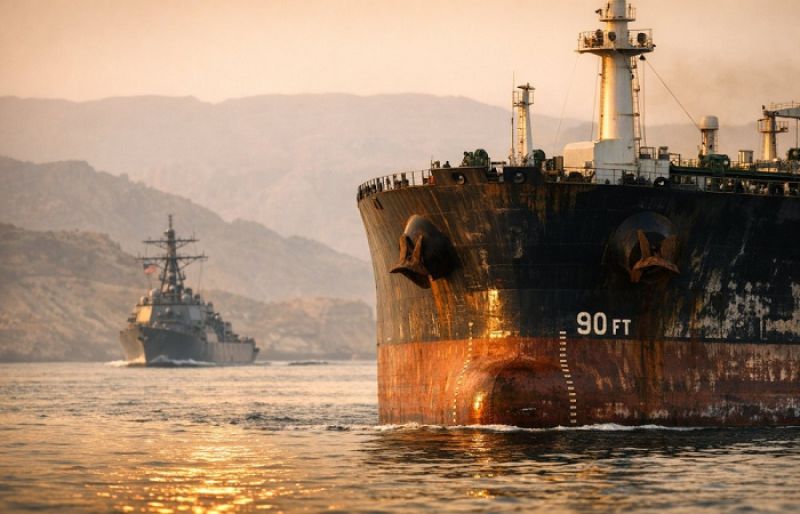
The U.S. has surged naval assets to the region, including the USS Gerald R. Ford and the USS Abraham Lincoln, in what is described as the largest deployment since 2003.
The impact
Forecasts for Brent crude have already been hiked toward $100 per barrel due to supply chain risks.
At least three Pakistani ships operated by the Pakistan National Shipping Corporation were reportedly stopped by Iran on March 1.
Ship traffic has plummeted, with many tankers staying in port or turning back, though some continue to transit at their own risk.
BREAKING:Iran has attacked the Palau-flagged oil tanker Skylight as it was passinf through the Strait of Hormuz right off the coast of Oman.
4 sailors wounded in the attack. The entire crew has been evacuated. pic.twitter.com/wDX5X2czq6
— Visegrád 24 (@visegrad24) March 1, 2026
Attack reported
A Palau-flagged oil tanker, Skylight, was reportedly attacked while transiting through the Strait of Hormuz near the coast of Oman, amid escalating tensions in the region. According to reports circulating on social media, the vessel was struck while passing through the strategic waterway, triggering a fire onboard. Visuals shared online show thick plumes of black smoke rising from the tanker, with flames visible near the deck. Initial reports claim that four sailors were injured in the attack. The entire crew has since been evacuated from the vessel. The extent of the damage to the tanker remains unclear
What does it mean for India?
India is facing a high-stakes energy and economic crisis due to the reported closure of the Strait of Hormuz by Iran. India is the world’s third-largest oil consumer and is uniquely vulnerable because its dependence on this specific route has actually increased in early 2026, say experts.
Approximately 50% of India’s total crude oil imports (around 2.6 million barrels per day) pass through the Strait. This volume primarily comes from Iraq, Saudi Arabia, the UAE, and Kuwait.
India is even more vulnerable in terms of LPG (Cooking Gas), as it imports almost 100% of its LPG through this chokepoint. A sustained closure would immediately threaten the Pradhan Mantri Ujjwala Yojana and domestic household energy.
About 60% of India’s Liquefied Natural Gas imports, mainly from Qatar and the UAE, transit the Strait. Every $1 increase in the price of oil adds roughly $2 billion to India’s annual import bill.
Rising fuel costs are expected to spike domestic inflation, potentially forcing the Reserve Bank of India (RBI) to keep interest rates high. The increased demand for dollars to pay for costlier oil is also putting downward pressure on the Indian Rupee (INR), according to analysts.
Beyond energy, over 13% of India’s non-oil exports (worth $47.6 billion) to Gulf nations are at risk due to shipping disruptions.
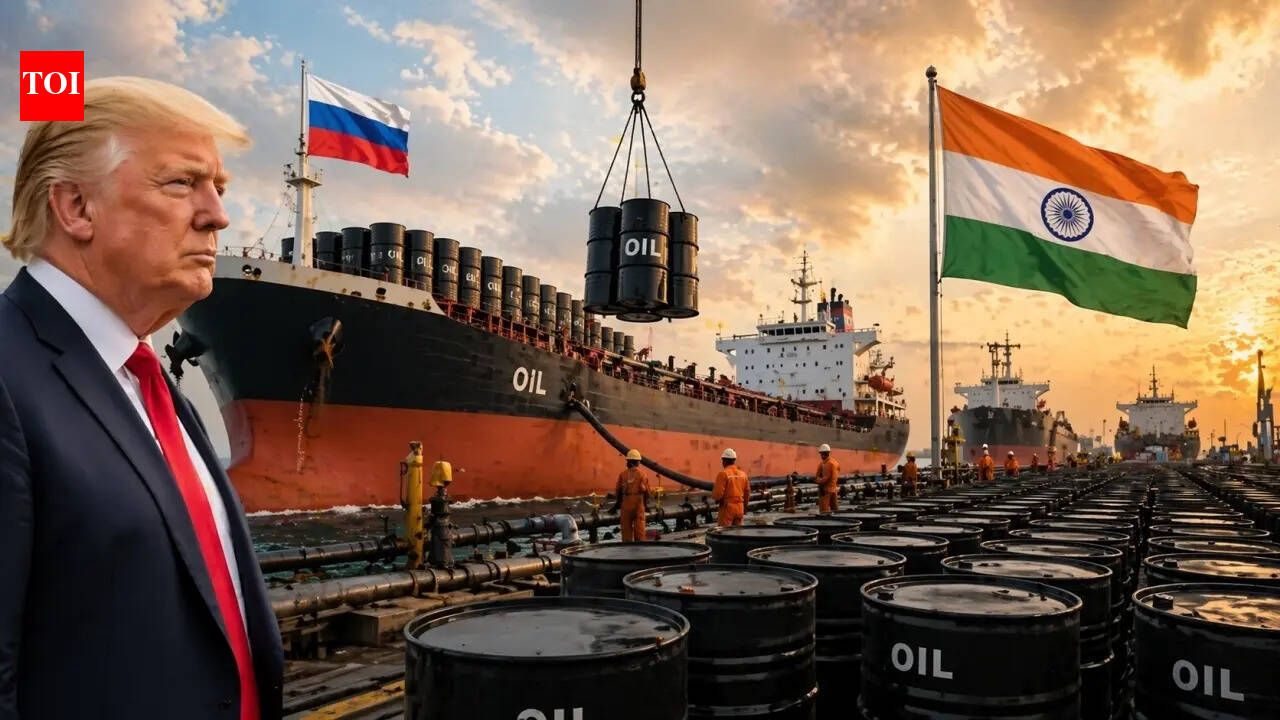
India has enough crude oil in its Strategic Petroleum Reserves (SPR) and commercial stocks to last about 10–15 days, plus another 7–10 days of finished fuel inventories. While India had recently reduced its intake of Russian oil, officials have indicated they may pivot back to Moscow if Middle Eastern supplies remain blocked, though transit from Russia takes nearly 30 days compared to 5 days from the Gulf, according to reports.
The Ministry of External Affairs has activated contingency plans for the possible evacuation of the 9–10 million Indians living in the Gulf region through Operation Sindhu-II.
External Affairs Minister S. Jaishankar is currently engaging in “shuttle diplomacy,” calling for restraint from both Iran and Israel while emphasizing the respect of sovereignty and territorial integrity.
With Agency Inputs
March 01, 2026, 18:10 IST
Read More



Sam Sidhu, CEO of Customers Bank.
Courtesy: Customers Bank
Nearly half an hour into a conference call on Friday to discuss first-quarter results with analysts, Customers Bank CEO Sam Sidhu revealed something unusual — up until that point, he hadn’t actually been speaking.
“The prepared remarks you heard on my behalf today were delivered by my AI clone, not read by me,” Sidhu said, calling it a potential first for a public company earnings call.
The point of the stunt, he said, was to underscore a broader shift happening as Customers Bank, a $25.9 billion asset lender catering to startups and small businesses, embraces artificial intelligence.
Customers Bank has signed a multiyear partnership with OpenAI in which the AI giant will embed engineers at the company to help it automate lending and client onboarding, CNBC has learned exclusively.
The deal is part of Sidhu’s effort to get ahead of other banks in the industry’s race to transform itself using AI agents as a new digital workforce. His strategy hinges on automating core banking processes — slashing loan timelines from weeks to days, for instance — and scaling growth without adding staff at the same pace.
While many bankers have described AI in broad terms like productivity gains, Sidhu is tying it directly to financial targets.
Sidhu told CNBC that the project will improve the firm’s efficiency ratio from about 49 to the low 40s, boosting the bank’s returns starting next year.
The relationship with OpenAI — which has targeted finance as one of its core industries, even hiring former bankers to train its models — will be a symbiotic one for the AI giant, according to the bank CEO.
“We’re going to be co-creating enterprise solutions they could potentially sell to other banks in the future,” Sidhu said. “The goal here is end-to-end, automated agentic led workflow” for lending, deposits and payments.
OpenAI said it was proud to help Customers Bank “as they build a more intelligent operating model that empowers employees, strengthens client service, and sets a new standard for regional banking,” chief revenue officer Denise Dresser said in a statement provided to CNBC.
Always-on workers
The bank expects to roll out AI agents across lending, deposits and payments over the next six to 12 months.
If they succeed, closing a commercial loan will go from taking 30 to 45 days, including underwriting, document collection and legal negotiations, to about seven days, Sidhu said.
Opening accounts for complex commercial clients, which can take more than a day, will be collapsed to under 20 minutes using conversational AI and automated document gathering, he said.
“When you have an autonomous agent, you’re essentially creating a digital worker … and they can work around the clock,” Sidhu said.
Customers Bank has been laying the groundwork for this announcement for years, first tapping OpenAI in 2023 because Sidhu had what he describes as a tiny investment in the AI giant through his contacts in the venture capital world. The OpenAI deal signed last week broadens their relationship, enabling AI engineers into the bank’s processes, he said.
The bank is among a handful of smaller lenders that target the startup and venture capital community, and it reportedly bid for Silicon Valley Bank in 2023 amid the regional banking crisis that year.
Key advantage
While it is a relatively tiny firm compared to the likes of JPMorgan Chase, which has $4.9 trillion in assets, Customers Bank has a key advantage, according to Sidhu, who began his career at Goldman Sachs in 2004. The megabanks have sprawling global operations and far higher complexity and regulatory standards for AI implementation, he said.
“Smaller banks are not going to be expected to have the same level of frameworks as many of the larger banks,” he said. Regulators want community and regional banks “to be able to compete with larger banks.”
The lender already uses AI to write half the firm’s software code and has saved 28,000 hours of work so far, equal to not hiring about 15 full-time employees, he said.
“This is an opportunity for us to potentially slow that hiring … and do more revenue per employee,” he said.
The bank is also exploring entering new businesses that would have been prohibitively expensive to tackle before AI agents. For these AI-native business lines, smaller teams oversee automated systems that handle work previously requiring large numbers of humans, he said.
Unlike typical software licensing agreements, Sidhu said both sides are contributing resources to build new tools together, with OpenAI gaining real-world use cases inside a regulated financial institution.
“It’s going to benefit our investors. It’s going to benefit our customers,” Sidhu said. “Our regulators will hopefully also be happier over time, because they’re going to see us reducing risk as well.”
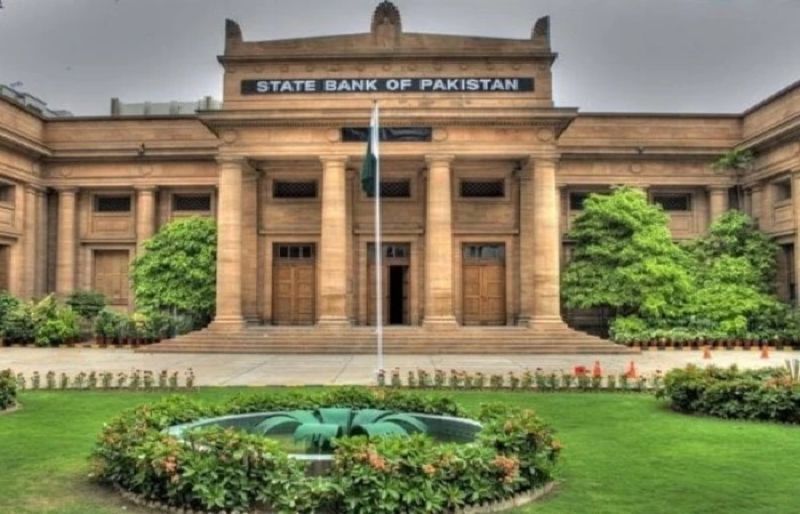
The State Bank of Pakistan (SBP) on Monday raised its benchmark policy rate by 100 basis points (bps) to 11.5% on Monday, warning of “intensified risks” to the macroeconomic outlook due to the US-Israel war on Iran.
In a statement, the central bank said that its Monetary Policy Committee (MPC) noted that global energy prices, freight charges and insurance premiums continued to remain significantly above pre-conflict levels due to the Mideast conflict.
Disruptions in the supply chain have also contributed to the prevailing uncertainty, it added.
While the incoming data has been broadly in line with the MPC’s expectations, the impact of the ongoing global developments will be visible in key economic indicators going forward, the SBP warned.
The MPC assessed that inflation is likely to increase and remain above the target range in the next few quarters.
Accordingly, the committee deemed it necessary to maintain a tighter policy stance to keep inflation expectations anchored and contain second-round effects of the current supply shock to bring inflation within the target range, the SBP said.
This will be important to preserve macroeconomic stability, which is necessary for achieving sustainable economic growth, it added.
Since its last meeting, the MPC highlighted several key developments, including a rise in inflation to 7.3% in March and an increase in core inflation to 7.8%. It also noted deteriorating consumer and business confidence in recent surveys.
On the macroeconomic front, real GDP grew by 3.8% in the first half of fiscal year 2026, compared to 1.9% a year earlier. The current account posted a small surplus during July-March FY26.
SBP’s foreign exchange reserves stood at approximately $15.8 billion as of April 24, bolstered by Eurobond issuances, marking Pakistan’s return to international capital markets after more than four years.
The MPC also referenced the staff-level agreement reached with the International Monetary Fund on March 27 as a positive development supporting external financing.
“In light of the above developments and evolving risks, the MPC viewed today’s decision as important to achieve the objective of price stability over the medium term,” the SBP said.
The MPC stressed the need for continued fiscal discipline, structural reforms, and strengthening of external buffers to ensure resilience against global shocks and sustain long-term growth.
Likely rise in inflation
Inflation was projected to increase up to the upper bound of the target range before the start of the Middle East conflict, mainly due to adverse base effect, the SBP said, adding that the energy price shock has led to a surge in fuel prices, which have already begun to seep into core inflation via transport fares.
However, contained food inflation amidst ample supplies is likely to offset some of the impact on headline inflation, the central bank said.
Going forward, the central bank’s MPC assessed that the current supply shock may push inflation to double digits in the coming months before it starts to ease subsequently.
It expects inflation to stay above the upper bound of the target range of 5% to 7% for most of the fiscal year 2027.
The SBP said that the outlook is subject to multiple risks, particularly the duration and intensity of the Mideast conflict, the extent of pass-through of changes in global energy prices to the domestic economy, and potential fiscal slippages.
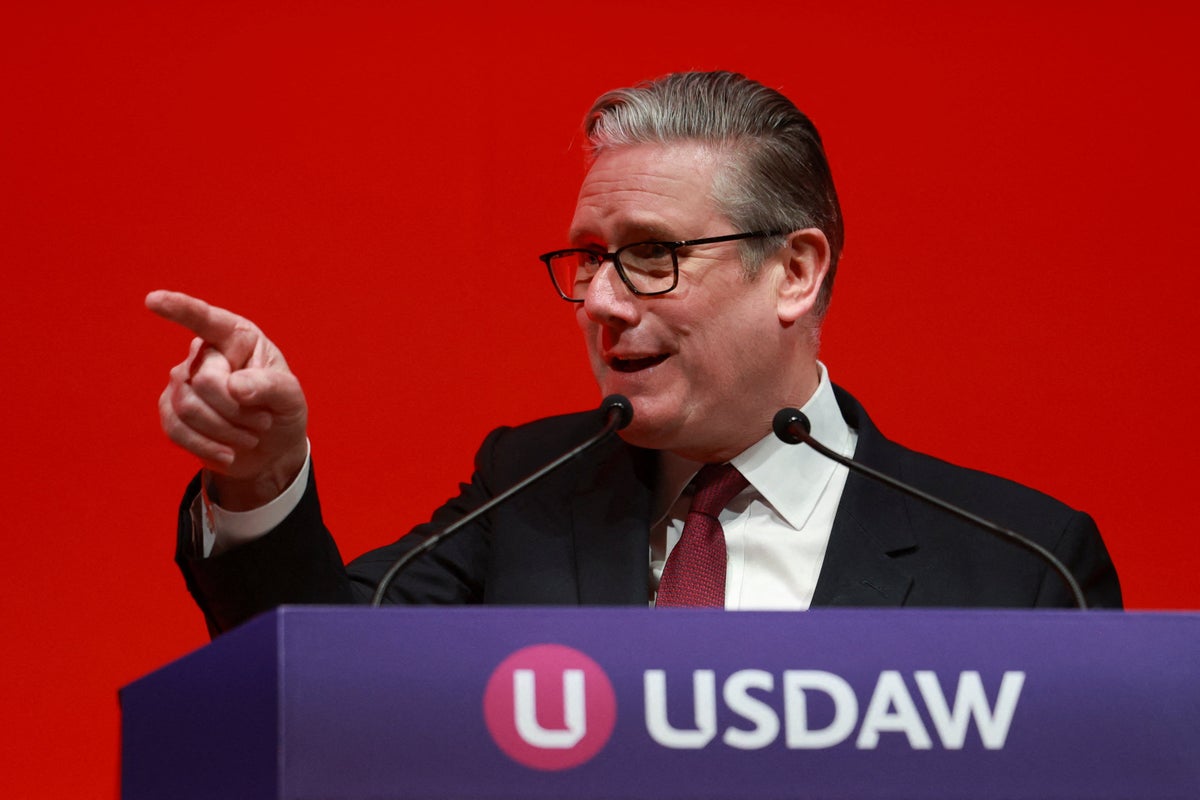
Sir Keir Starmer claimed “the tide could be turning” against shoplifting as he set out the Government’s efforts to crack down on retail crime.
The Prime Minister said shop thefts were “slightly down” in the latest figures and he wanted wider use of technology which allows CCTV footage to be shared immediately with the police.
His comments came as a think tank highlighted figures showing 67% of shoplifting offenders go on to commit another offence within 12 months, up from 55% before the pandemic.
In an address to the Usdaw shopworkers’ union, Sir Keir said: “It’s disgraceful that people just working in their shop have to take abuse from customers.
“It’s disgraceful that people feel sick to the stomach thinking about how they’re going to get through the day and it’s disgraceful that people can have their lives and livelihoods ruined by persistent shop theft.”
He said the Government has put an extra 3,000 neighbourhood police officers on the streets and scrapped the “ridiculous” rule which left theft of goods worth less than £200 “not properly investigated” by police.
“That was a shoplifters’ charter, and we’ve ended it and not before time,” he said.
“We’ve toughened up punishment too. We’re giving police stronger powers, making the abuse and assault of retail workers a specific crime and giving you the same protections as emergency workers.”
Sir Keir said he was “not blind to how big this challenge is” but said the number of people charged had gone up 17% in the latest statistics and shop theft was down.
The latest Office for National Statistics (ONS) data showed shoplifting offences fell slightly last year, down from 516,611 in 2024 to 509,566 in 2025.
Sir Keir said: “It’s only slightly down, but the tide could be turning.”
The Prime Minister’s speech came as the Centre for Social Justice (CSJ) warned of a high street crime epidemic.
The centre-right think tank highlighted figures uncovered by former Tory leader Sir Iain Duncan Smith through parliamentary questions which showed the extent of repeat offending.
The think tank’s analysis showed the average number of offences committed by shoplifters has nearly doubled in five years, rising from 5.5 to 9.1 offences per convicted thief.
Sir Iain, the CSJ’s chairman, said: “Communities across Britain are suffering from a high street crime wave.
“Set against years of economic difficulties, there is a risk that some of our town and city centres are left permanently hollowed out.”
A standalone offence for assaulting a retail worker is set to be introduced in the Crime and Policing Bill going through Parliament.
But the two Houses of Parliament are currently in a tussle over the final draft of the Bill as the end of the parliamentary session nears.
Almost 80% of shop workers said they experienced verbal abuse, more than half said they were threatened by a customer and 10% said they were assaulted in the latest annual survey by retail trade union Usdaw.
The small drop in shoplifting in the ONS figures may reflect a change in how such offences are recorded.
Offences where someone has entered a retail premises, steals, then either uses or threatens violence against staff or other people should be classed as robbery of business, police forces were advised in April last year.
This may account for the steep increase in the number of such robberies recorded, which rose 78% to 26,158 in 2025.
Joanne Thomas, Usdaw general secretary, said the incoming legislation delivers “much-needed protection of retail workers’ law”.
She said: “While there has been a welcome small decrease in shoplifting across last year, the fact is retail crime continues to be a significant issue for the sector and particularly staff.
“Usdaw’s last survey found that this is in no way a victimless crime, with two-thirds of attacks on retail staff being triggered by theft or armed robbery.
“Having to deal with repeated and persistent offences can cause issues beyond the theft itself, like anxiety, fear and physical harm to retail workers.”
Shadow home secretary Chris Philp accused the Prime Minister of “brazen cheek”, saying Sir Keir was “part of the problem, not the solution”.
He said: “Shoplifting is up 8% under Labour, made worse by a drop in total police numbers of 1,300 in the last year alone.
“Starmer is abolishing prison sentences under a year, which means virtually no shoplifter will ever go to prison.
“The Conservative plan to take back our streets will see 10,000 extra police hotspot patrol high crime areas, combined with a tripling of stop and search and widespread use of live facial recognition to catch wanted criminals.
“Only the Conservatives have a plan to fix this.”


The Man Behind AlphaGo Thinks AI Is Taking the Wrong Path
This bank CEO let his AI clone handle an earnings call — now he’s signing an OpenAI deal

TNA wrestling star Xia Brookside gets baptized: ‘A new chapter’

-

 Sports1 week ago
WWE WrestleMania 42 Night 2: Live match results and analysis
-

 Sports1 week ago
NCAA men’s gymnastics championship: All-time winners list
-

 Fashion1 week ago
UK’s Sosandar returns to profitability amid robust FY26 performance
-

 Politics6 days ago
UK’s Starmer seeks to deflect blame over Mandelson appointment
-

 Entertainment7 days ago
Lee Anderson, Zarah Sultana kicked out of UK Parliament for calling PM ‘liar’
-
 Business1 week ago
No fuel shortage: Govt assures 100% domestic LPG, PNG, CNG supply amid Hormuz energy crunch – The Times of India
-
 Business7 days ago
How Trump’s psychedelics executive order could unlock stalled cannabis reform
-
 Business6 days ago
Us-India Trade Talks: US–India trade deal: Where do talks stand & what to expect – explained – The Times of India