

Fashion
Cascale announces Sri Lanka Forum focused on resilient value chains

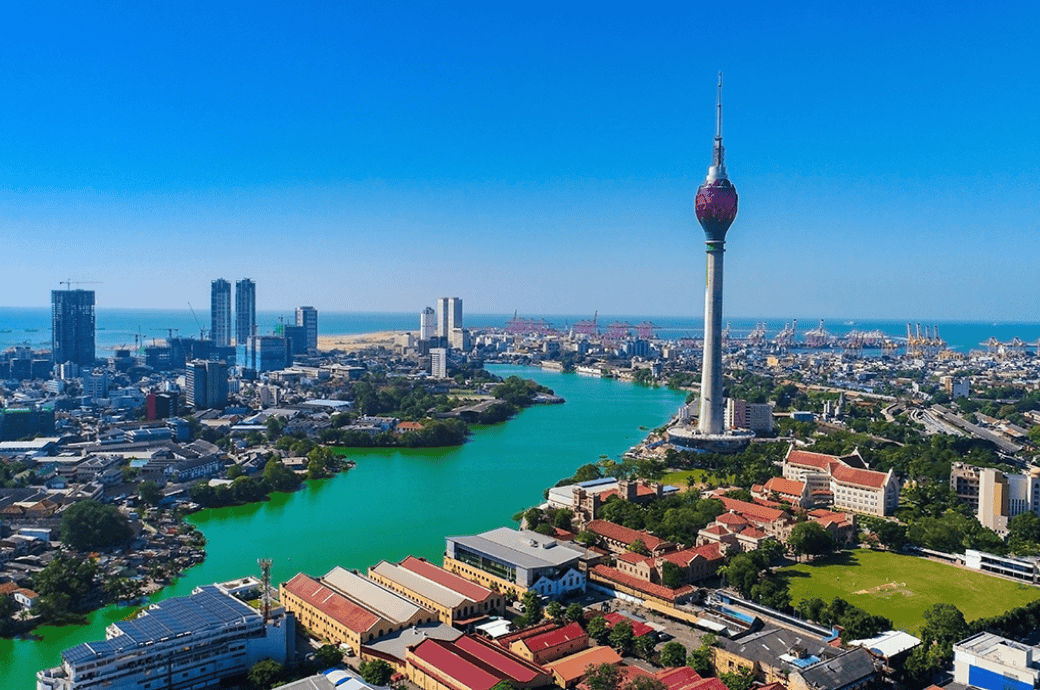
Cascale has announced program details for Cascale Forum: Colombo, taking place March 30–April 1, 2026 in Sri Lanka. Building on the success of the 2025 Forum in Ho Chi Minh, Vietnam, this gathering will convene manufacturers, brands, retailers, NGOs, policymakers, and solution providers under the theme “Action by Design: Accelerating a Fairer, More Resilient Value Chain.”
Cascale has announced Cascale Forum: Colombo, March 30 to April 1, 2026, uniting brands, manufacturers, NGOs and policymakers to accelerate fairer, more resilient apparel value chains.
To be hosted in Sri Lanka, the Forum focuses on climate action, decent work, collaboration, hands-on learning, factory tours and practical use of Higg Index tools.
“At Cascale Forum: Colombo, we are bringing the value chain together to work intentionally on the systems, relationships, and practices that accelerate measurable progress on climate and decent work,” said Harsh Saini, interim CEO, Cascale. “This is a space for shared learning — and shared responsibility.”
Rotated annually across critical manufacturing regions, Cascale Forums are brought to the industry by the stewards of the Higg Index, exclusively available on Worldly, and center the experience and expertise of manufacturers and sourcing companies at the center of global production. The Joint Apparel Association Forum (JAAF), which represents Sri Lanka’s textile and apparel export sector, is the event’s Association Collaborator. Hosting the Forum in Sri Lanka reinforces Cascale’s commitment to ensuring regional priorities shape global strategies while emphasizing that intentional collaboration is essential to drive measurable improvement on climate and decent work.
“Sri Lanka has long played an important role in advancing responsible manufacturing,” said Saifuddin Jafferjee, chairman of the Joint Apparel Association Forum Sri Lanka (JAAF). “Cascale Forum: Colombo provides a valuable platform to share regional experience, strengthen collaboration across the value chain, and contribute practical insights that support a fairer, more resilient industry.”
Across two days of plenaries, workshops, and training sessions, participants will explore what effective brand–manufacturer collaboration looks like in practice, engage in hands-on learning, and gain a deeper understanding of how to effectively use Cascale’s tools, including those in the Higg Index and Better Buying. New this year, side meetings and factory tours will offer additional opportunities to learn from regional examples of operational and sustainability excellence.
Why Sri Lanka?
Sri Lanka represents an important region in the global apparel supply chain and brings diverse perspectives to the table. Its manufacturers have earned a reputation for high environmental and social standards, energy-efficient operations, and early adoption of sustainability tools such as the Higg Index. The textile and apparel export sector accounts for nearly 50 percent of Sri Lanka’s exports and represents six percent of its GDP.
With a well-connected network of industry players who actively engage in shared initiatives, Sri Lanka offers real-world examples of responsible production – making it an ideal location for hands-on learning, cross-industry dialogue, and peer-to-peer capability building. Finally, local organizations provide valuable context through factory tours, coordinated through the Cascale Forum: Colombo program, which allow participants to experience sustainability innovations, workforce practices, and environmental performance improvements firsthand.
Member-Driven Program Advisory Group
Cascale’s expert Program Advisory Group members emphasized the importance of grounding global strategy in local realities while helping develop the program for Cascale Forum: Colombo.
“South Asia is known in the global apparel industry for combining innovation, quality, and responsible manufacturing,” said Nikhil Hirdaramani, director, Hirdaramani. “Cascale Forum: Colombo showcases how that leadership contributes meaningfully to global industry progress.”
“Manufacturers are navigating increasing complexity and at MAS we have always tried to be proactive and take the challenge head on,” said Dhanujie Jayapala, general manager of environmental sustainability, MAS Holdings. “Cascale Forum: Colombo gives us the opportunity to share regional insights and build capabilities that support long-term, aligned progress.”
“To build a resilient supply chain, we need strong alignment between brands and suppliers,” said Cesar Hasibuan, responsible supply chain director, South Asia, Nike Inc. “This Forum will create space to understand each other’s challenges and design solutions that work in practice, not just on paper.”
“We need practical, operational pathways to meet today’s climate and social expectations in the fashion industry,” said Dr. Thiwanka De Fonseka, chief sustainability officer at Komar. “Cascale Forum: Colombo plays a vital role by creating a space for hands-on learning and intentional, equitable collaboration that empowers our industry to move from commitment to real, measurable impact throughout the value chain.”
“Collaboration is essential to scaling credible environmental solutions,” said Maria Arroyo, Sector Partnership Lead, ZDHC. “Our work only succeeds when data, standards, and implementation are connected — and Cascale Forum: Colombo helps make that possible.”
Program Highlights
Lead sponsored by Worldly and sponsored by MAS Holdings, Komar, TÜV Rheinland, GSCS, among others, key highlights for Cascale Forum: Colombo include:
- 500+ attendees from across the consumer goods value chain
- Two days of impact across plenaries, workshops, and practical training
- One unified mission to strengthen a fairer, more resilient industry
- Field trips and side meetings on March 30
- Intentional networking and social events
- In-person participation only; no virtual access
“Cascale Forum: Colombo brings the industry together at the point where data, capability, and action intersect,” said Scott Raskin, CEO of Worldly. “By pairing Cascale’s standards and governance with accessible, innovative solutions, the Forum helps brands and manufacturers move beyond reporting and toward decisions that improve environmental and social performance across the value chain.”
In November, after over a million people were displaced by severe flooding and landslides, Sri Lanka declared a state of emergency; Cascale is contributing to the Sri Lanka Red Cross Society to support emergency response and long-term rebuilding, and continues to stay in close contact with regional partners as needs evolve.
Note: The headline, insights, and image of this press release may have been refined by the Fibre2Fashion staff; the rest of the content remains unchanged.
Fibre2Fashion News Desk (HU)









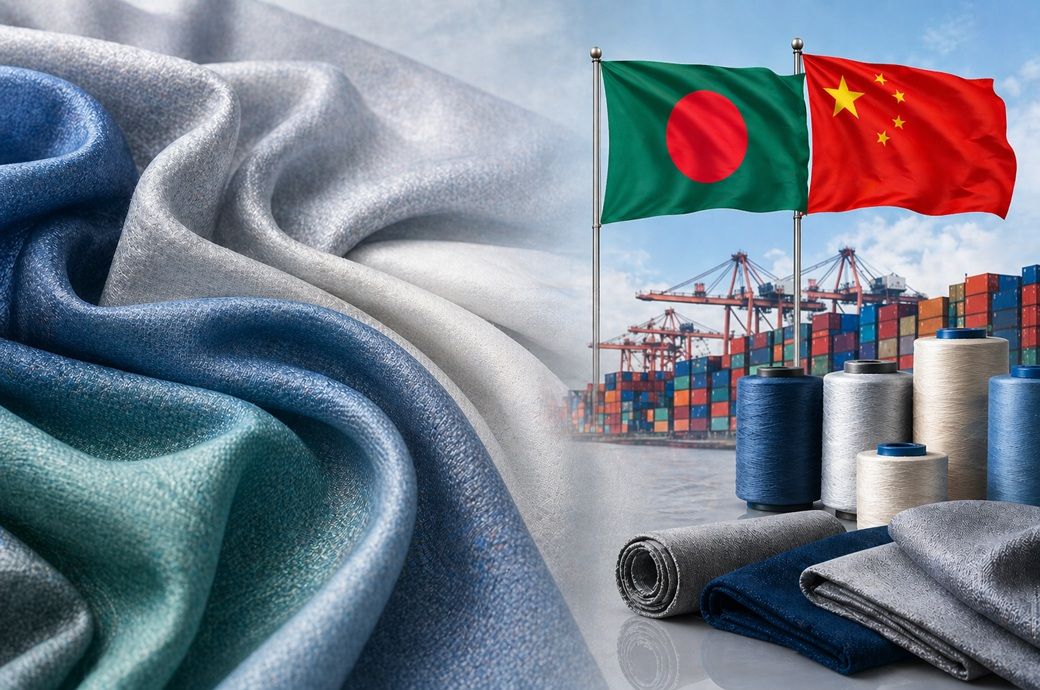
A high-level Chinese delegation held talks with the Bangladesh Garment Manufacturers and Exporters Association (BGMEA) to explore foreign direct investment (FDI) and technology collaboration in Bangladesh’s textile sector, with a focus on man-made fibres, synthetic textiles, and advanced processing.
A Chinese delegation met BGMEA to explore foreign direct investment (FDI) and technology partnerships in Bangladesh’s textile sector, focusing on MMF, synthetic fibres and technical textiles.
Bangladesh highlighted its $8–9 billion fabric import market as a key opportunity.
Talks also covered sustainability, training and B2B linkages to boost sector modernisation.
The delegation included senior representatives from the China National Textile and Apparel Council (CNTAC) and the China Dyeing and Printing Association (CDPA), along with leaders from major dyeing, printing, finishing, and chemical firms. The meeting took place at the BGMEA Complex and was led by BGMEA President Mahmud Hasan Khan, alongside senior office-bearers and directors.
Discussions centred on expanding cooperation, particularly China’s role in supporting technological modernisation of Bangladesh’s textile industry. Khan described China as a key long-term partner and urged Chinese companies to invest in high-growth segments such as MMF and technical textiles. He highlighted Bangladesh’s $8-9 billion annual woven fabric import market as a significant opportunity for investors.
He also encouraged Chinese firms to pursue investments independently or through joint ventures, assuring BGMEA’s full support. Additionally, he pointed to benefits under the Bangladesh–Japan Economic Partnership Agreement, which could enable duty-free exports to Japan for Chinese-backed ventures based in Bangladesh.
Technology transfer was a major focus, with calls for regular training and knowledge-sharing in areas such as digital printing and synthetic fabric processing. Sustainability was also discussed, with Bangladesh seeking to leverage China’s expertise in eco-friendly dyeing and finishing technologies.
To strengthen business linkages, the Chinese delegation was asked to share company profiles and production capacities to facilitate B2B engagement with BGMEA members. The visiting team also toured several local dyeing and printing units during their visit.
Both sides reaffirmed their commitment to deepening collaboration, aiming to drive sustainable growth and long-term development in the textile and garment sectors.

One of the first visible changes arrives with the EU’s ban on the destruction of unsold textiles, taking effect on 19 July 2026, less than three months from now, for large companies under the Ecodesign for Sustainable Products Regulation (ESPR). While the rule focuses on what happens to unsold goods, its implications reach much further upstream. Brands facing restrictions on overproduction now have an immediate commercial incentive to improve demand planning, tighten order volumes, increase inventory accuracy, and reduce discrepancies across the supply chain. As a result, data quality and traceability at the production level are becoming a matter of regulatory compliance, not just operational efficiency.
EU rules are shifting sourcing from certificates to data-driven verification.
ESPR and upcoming Digital Product Passports demand structured, traceable product data.
Factories offering real-time, item-level visibility gain a clear edge over audit-based peers.
With RFID adoption still limited, early movers can strengthen competitiveness and secure future orders.
Alongside this, the EU is developing the Digital Product Passport (DPP) framework, which will introduce structured data requirements for products placed on the EU market. Textiles are a priority category, with specific delegated acts and implementation timelines expected to be finalised in the near future. This follows the Omnibus I Directive, which already entered into force in March 2026. While the final DPP requirements are still being defined, the direction is clear: Standardised product data, greater supply chain transparency, and the ability to share information across systems and stakeholders.
This regulatory direction is already influencing how brands evaluate suppliers. According to a recent EcoVadis study, sustainability clauses in supplier contracts are evolving into enforceable governance tools. Traditional compliance tools such as certifications and audit reports remain important, but they are no longer sufficient on their own. They are increasingly complemented by expectations around digital data availability, traceability across production stages, and structured formats that integrate into brand systems.
In practice, digital traceability is not about a single technology, but about combining several elements: Unique product identifiers such as QR codes, RFID, or NFC; data capture at key production and logistics stages; and platforms that structure and share this data across the value chain. Together, these elements enable products to carry a digital identity that links physical items to their associated information.
This is where factory-level infrastructure becomes increasingly important. Solutions such as SML’s Factory Care Solutions (FCS) are designed to capture production data at source, enable on-demand RFID encoding and labelling, validate shipments, and reduce discrepancies. They create a reliable data foundation during manufacturing.
Importantly, these solutions do not replace a brand’s Digital Product Passport system; Rather, they act as the essential data capture and verification layer that feeds into DPP platforms and brand systems.
“Factories have always been evaluated on their ability to meet quality and compliance standards,” says Nanna Ingemann Dalsgaard, VP Sustainability, Digital ID & Marketing at SML Group. “What’s changing now is that brands increasingly expect that compliance to be backed by structured, verifiable data. The factories that can provide that data seamlessly are not just meeting requirements – they are making it easier for brands to operate in a more regulated environment.”
To see the commercial impact of this shift in action, consider two factories competing for a Spring/Summer 2027 order. Both hold the same sustainability certifications. However, Factory A submits quarterly audit summaries by email, while Factory B provides real-time, item-level digital traceability for every garment, verifiable through RFID. By delivering the seamless data Nanna describes, Factory B transforms a regulatory baseline into a decisive operational advantage, making it the obvious choice for the brand.
At the same time, adoption of item-level digital identification is still far from universal. According to IDTechEx, RFID tagging currently reaches only around 40 per cent of the total addressable market for apparel. This creates a significant window of opportunity for manufacturers to build capabilities ahead of regulatory deadlines, align more closely with evolving brand requirements, and strengthen their position in future sourcing decisions.
The regulatory timeline is moving fast, and the direction is consistent: More transparency, more structured data, and greater accountability across the value chain. For manufacturers, the key question is no longer whether these requirements will materialise, but how quickly they can build the capabilities needed to support them.
Certifications will continue to signal commitment. But increasingly, it is the ability to translate that commitment into reliable, shareable data that will win the order.
Note: The headline, insights, and image of this press release may have been refined by the Fibre2Fashion staff; the rest of the content remains unchanged.
Fibre2Fashion News Desk (MS)
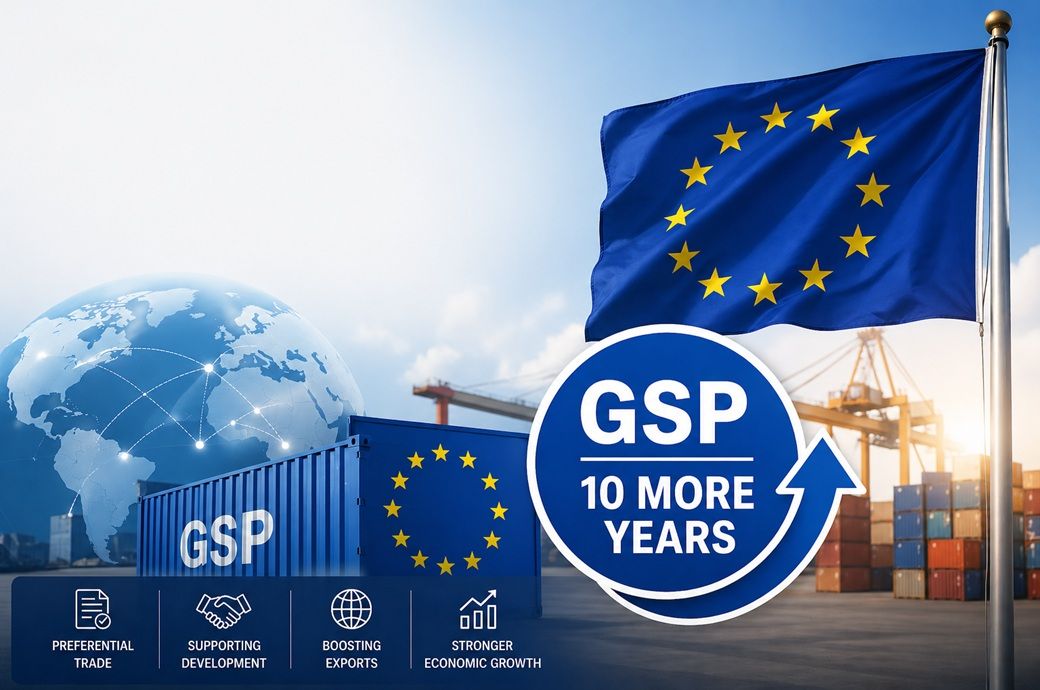
The updated rules, passed with 459 votes in favour, 127 against and 70 abstentions, allow vulnerable developing countries to export goods to the European Union (EU) with low or no tariffs.
The European Parliament recently adopted the renewed regulation on the generalised system of preferences (GSP).
The updated rules allow vulnerable developing countries to export goods to the EU with low or no tariffs.
Once formally adopted by the Council, the legislation will be signed and published in the official Journal of the EU.
It will then enter into force and apply for a period of 10 years.
Several international human rights and environmental conventions have been added to the list of international treaties that participating countries must ratify to benefit from trade preferences. These include the Paris Agreement, the Convention on the Rights of Persons with Disabilities, and the Convention on the Rights of the Child, according to an official release.
Parliament members managed to include a series of stricter criteria that will need to be fulfilled before GSP countries see their preferential tariffs withdrawn for continued non-cooperation on the readmission of irregular migrants.
These criteria include a longer evaluation procedure and mandatory engagement of at least 12 months with the countries concerned. There will also be a two-year delay for the least developed countries in the application of the readmission conditionality.
Once formally adopted by the Council, the legislation will be signed and published in the official Journal of the EU. It will then enter into force and apply for a period of 10 years.
The GSP has been the EU’s preferential trade arrangement with developing countries since 1971. It offers developing countries reduced duties when exporting to the EU with the aim of eradicating poverty, promoting sustainable development, and better integrating these countries in the world economy.
The GSP system covers more than 60 countries and 2 billion people around the world.
Fibre2Fashion News Desk (DS)


Musk v. Altman Kicks Off, DOJ Guts Voting Rights Unit, and Is the AI Job Apocalypse Overhyped?

China’s brain-control weapons race being led by Harvard scientist who was jailed in US

Markets are underpricing the risk of Middle East pullback in AI, says tech investor Jack Selby

PSL 11: Hyderabad Kingsmen opt to field after winning toss against Multan Sultans

Trump administration in advanced talks for a rescue package for Spirit Airlines, source says
UK inflation accelerates after Iran war drives sharp rise in fuel prices

-
 Sports1 week ago
PSL 11: Hyderabad Kingsmen opt to field after winning toss against Multan Sultans
-
Business1 week ago
Trump administration in advanced talks for a rescue package for Spirit Airlines, source says
-
Business1 week ago
UK inflation accelerates after Iran war drives sharp rise in fuel prices
-

 Entertainment1 week ago
Anne Hathaway shares major news about ‘Princess Diaries 3’
-

 Tech1 week ago
Microsoft faces court battle in £2bn Windows Server class action | Computer Weekly
-
 Business1 week ago
Gold prices in Pakistan Today – April 23, 2026 | The Express Tribune
-

 Tech1 week ago
Blackbox replaces two racks of HPE storage with 8U of Everpure | Computer Weekly
-
 Fashion1 week ago
Bangladesh RMG units call for allowing local FOC raw material sourcing