

Business
Crucial GST Meet Today: Check Timings; All Eyes On Revision Of 2-Slab Tax Structure

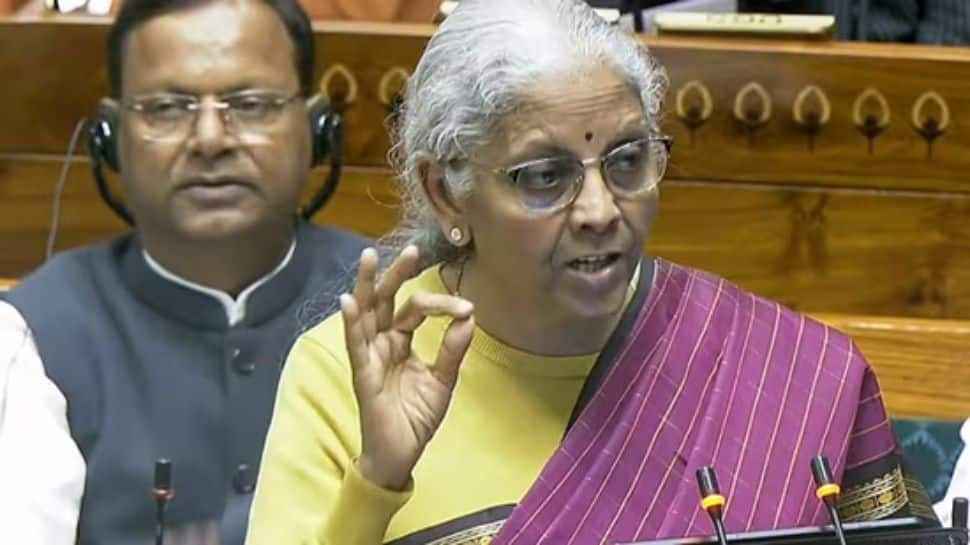
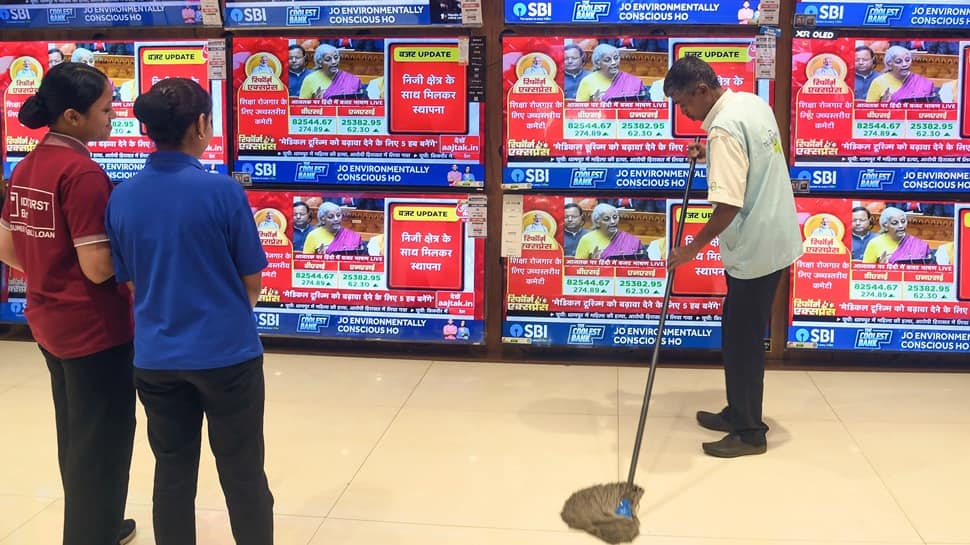
New Delhi: GST Council Meeting Today: The 56th meeting of the GST Council will kick off on Tuesday. The 2-day meet between September 3-4 is expected to start at 11 am today. The GST Council will decide on the Group of Minister’s (GoM) proposal to retain two slabs — 5 percent and 18 percent.
As per Indian GST rules, currently a four-slab GST system is followed — 5 percent, 12 percent, 18 percent, and 28 percent — along with an additional cess on sin and luxury goods.
(Also Read: 45% Of Indian Midle-Class Salaries Gone In EMI)
Under the new structure, ‘merit’ goods and services will attract 5 per cent GST, while most other items (standard) will come under an 18 per cent standard rate. A higher 40 per cent levy will remain on a small set of so-called sin goods. Examples include alcohol, tobacco, drugs, gambling, soft drinks, fast food, coffee, sugar, and even pornography.
A sin tax is a special tax that the government puts on such goods. The purpose is to discourage people from using them and to reduce the harm they can cause.
Marking his 12th Independence Day address, Prime Minister Narendra Modi promised a “double Diwali” for citizens this year, hinting at a major economic announcement.
(Also Read: A Few Allowance May Be Abolished In 8th Pay Comission– Here’s Why)
GST Council Meeting: GST Rate Rationalisation 2025
Key areas identified for next-generation reforms include the rationalisation of tax rates to benefit all sections of society, especially the common man, women, students, middle class, and farmers.
Reforms will also seek to reduce classification-related disputes, correcting inverted duty structures in specific sectors, ensuring greater rate stability, and further enhancing ease of doing business. These measures would strengthen key economic sectors, stimulate economic activity, and enable sectoral expansion.
Key Pillars of the Centre’s Proposed GST Reforms:
Pillar 1: Structural reforms:
1. Inverted duty structure correction: The correction of inverted duty structures to align input and output tax rates so that there is a reduction in the accumulation of input tax credit. This would support domestic value addition.
2. Resolving classification issues: Resolve classification issues to streamline rate structures, minimise disputes, simplify compliance processes, and ensure greater equity and consistency across sectors.
3. Stability and Predictability: Provide long-term clarity on rates and policy direction to build industry confidence and support better business planning.
Pillar 2: Rate Rationalisation:
1. Reduction of taxes on common: man items and aspirational goods: This would enhance affordability, boost consumption, and make essential and aspirational goods more accessible to a wider population.
2. Reduction of slabs: Essentially move towards simple tax with 2 slabs – standard and merit. Special rates only for select few items.
3. Compensation Cess: The end of compensation cess has created fiscal space, providing greater flexibility to rationalise and align tax rates within the GST framework for long-term sustainability.
Pillar 3: Ease of Living:
1. Registration: seamless, technology-driven, and time-bound, especially for small businesses and startups.
2. Return: Implement pre-filled returns, thus reducing manual intervention and eliminating mismatches.
3. Refund: Faster and automated processing of refunds for exporters and those with inverted duty structure.
Finance Ministry has said that GST Council meets will deliberate on the recommendations of #GoM, and every effort will be made to facilitate early implementation so that the intended benefits are substantially realised within the current financial year.
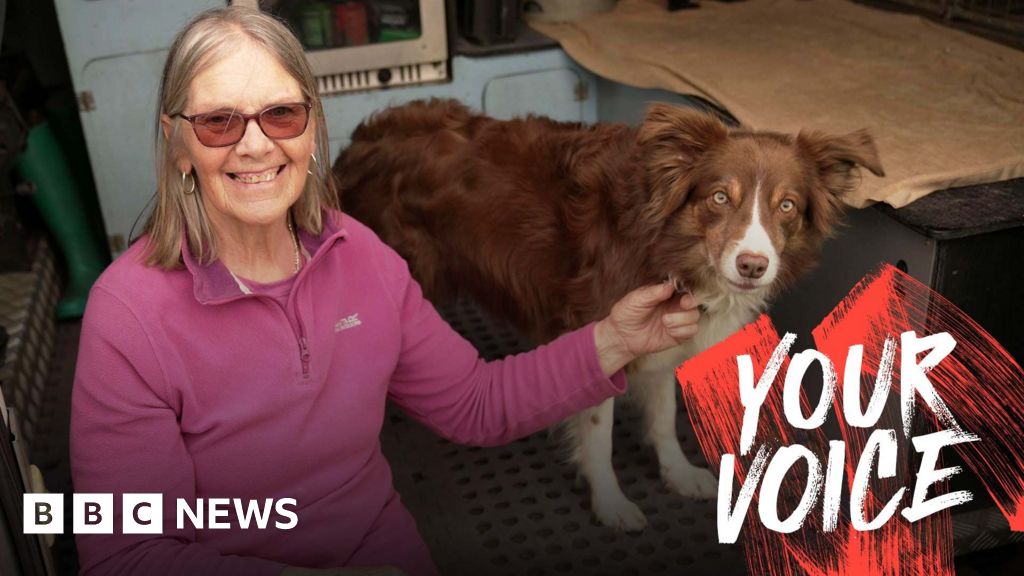
Tesco Pet Insurance, who provided the cover, says “the cost of claims is one of a number of factors that can affect the price of a policy at renewal” and also noted Tilly’s age had been reflected in the quote. It says the couple had a more comprehensive policy, which typically costs more than basic levels of cover, and that alternative options were presented to Fawcett and Neild.
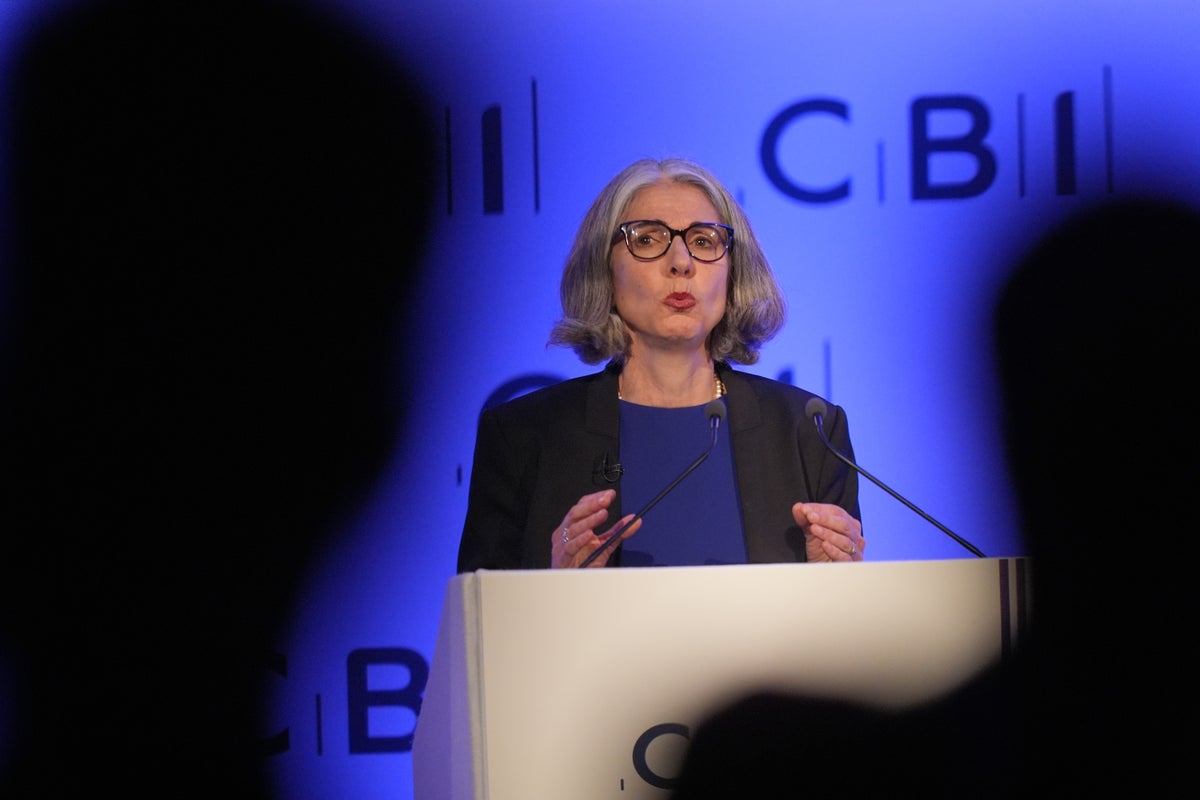
The UK must not “cut ourselves off” from trade opportunities in China despite security and business risks, the head of the Confederation for British Industry has warned.
CBI chief Rain Newton-Smith highlighted that British businesses see increased trade with Chinese firms as an opportunity to drive growth.
Her remarks came as business leaders were questioned by MPs on Parliament’s Business and Trade Select Committee regarding the UK’s economic relationship with China.
Last December, Prime Minister Sir Keir Starmer admitted China poses security threats to the UK but urged for greater business ties.
Ms Newton-Smith, chief executive of one of the UK’s largest business groups, was positive about the Government’s engagement with China.
“You can’t have a growth strategy without a strategy for China,” she said.
“China has the biggest contribution to global growth, is the third largest trading partner, and the world’s largest consumer market.
“The UK is second largest exporter of trade and services.
“We are mindful as all businesses are of security risks but it is really important that we have a strategy towards China.
“This Government has increased the economic engagement with China and including business within this does help us as a country.”
She added: “If we think about the future economy, there is a huge market in China and I think we mustn’t cut ourselves off from some of the opportunities there, even if in some areas there are difficult conversations and negotiations that need to be had.”
Peter Burnett, chief executive of the China-Britain Business Council, told the committee: “There are risks associated with technology advancement, AI, industrial development that they need to assess.
“Increasingly you will find them saying that they need to engage more in China to understand those risks and to develop some of the technologies along some of those risks themselves.”
Business
Trump says he’d be disappointed if Fed pick doesn’t cut rates; Warsh vows to be ‘independent actor’ – The Times of India
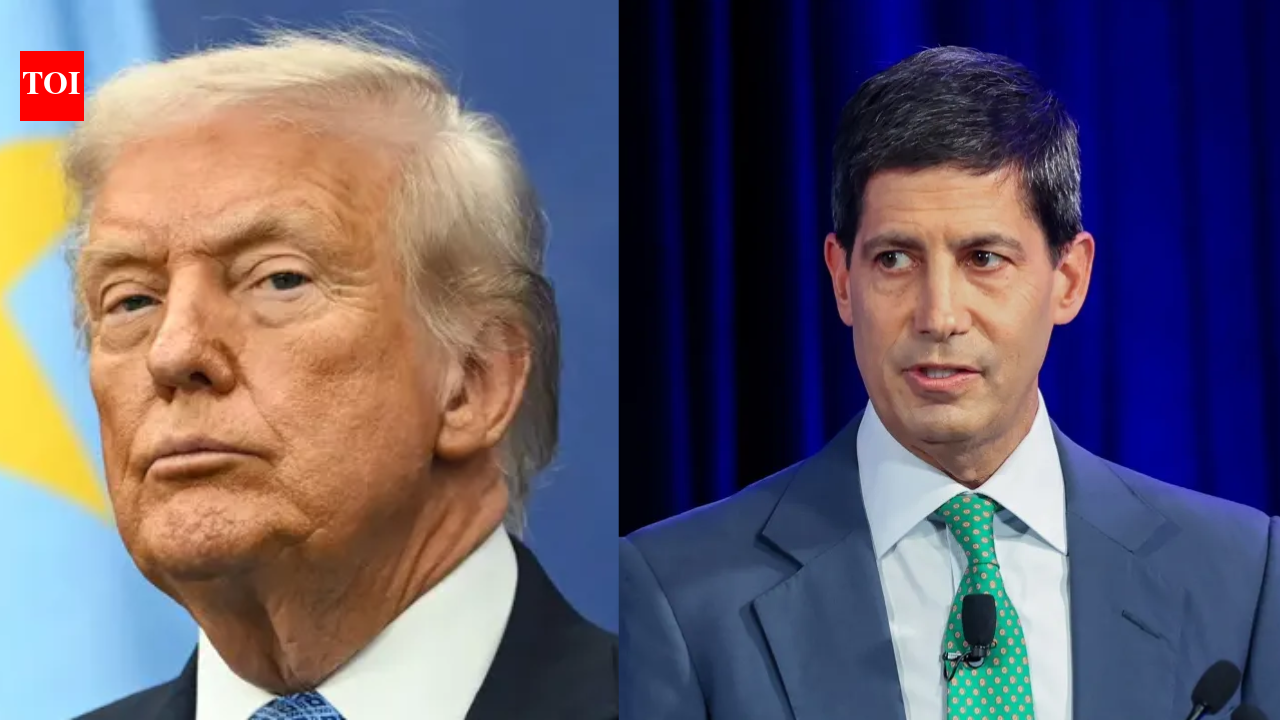
US President Donald Trump on Tuesday said he would be disappointed if his nominee for Federal Reserve chair, Kevin Warsh, does not cut interest rates right away after taking office if confirmed by the Senate. Trump, during an interview with CNBC’s “Squawk Box,” also said “we have to find out” about the construction costs of the new Federal Reserve building.Warsh, a former Federal Reserve official and financier, is currently facing Senate confirmation hearings where he has stressed his independence from political pressure.“The president never once asked me to commit to any particular interest rate decision, and nor would I agree to it if he had,” Kevin Warsh said under questioning by the Senate Banking Committee, as quoted by LA Times. “I will be an independent actor if confirmed as chair of the Federal Reserve.”Warsh told lawmakers that fighting inflation would be one of his main priorities if confirmed.“Congress tasked the Fed with the mission to ensure price stability, without excuse or equivocation, argument or anguish,” Warsh said. “Inflation is a choice, and the Fed must take responsibility for it.”The comments come as investors closely watch his confirmation hearing, with inflation remaining at 3.3% annually and global tensions, including the war in Iran pushing up gas prices, adding pressure on the economy. Higher inflation typically leads the Federal Reserve to keep interest rates steady or raise them rather than cut them, as rate changes affect mortgages, auto loans, and business borrowing.Democrats on the Senate Banking Committee accused Warsh of shifting his stance on interest rates over time, supporting higher rates under Democratic presidents and lower rates during Trump’s presidency.Warsh, if confirmed, would take over at a time when inflation pressures make it difficult for the Federal Reserve to cut rates, even as Trump continues to push for lower borrowing costs. Trump has repeatedly urged rate cuts and has long clashed with current Fed chair Jerome Powell over monetary policy. Powell has also been the subject of a Department of Justice criminal probe after refusing Trump’s requests for faster rate cuts. Trump told CNBC that he does not plan to pressure the Justice Department to end that probe.


Trump repeats call for Congress to rein in college sports

Eli Manning fires back amid debate comparing ex-Giants star to Falcons great Matt Ryan
I was left with an £8,000 vet bill when my insurer cancelled my pet policy

-

 Fashion6 days ago
France’s LVMH Q1 revenue falls 6%, shows resilience amid Iran war
-

 Sports1 week ago
The case for Man United’s Fernandes as Premier League’s best
-

 Entertainment1 week ago
Palace left in shock as Prince William cancels grand ceremony
-
 Business1 week ago
UK could adopt EU single market rules under new legislation
-

 Entertainment6 days ago
Is Claude down? Here’s why users are seeing errors
-

 Fashion1 week ago
Energy emerges as biggest cost driver in textile margins
-
 Business1 week ago
Delta Air Lines unveils first new Delta One suite in premium cabin arms race
-

 Fashion1 week ago
Asia claims largest share of markets on Kearney FDI Confidence Index