

Business
FASTag Annual Pass Fee Revised For FY27: New Rate To Take Effect From April 1, 2026

Last Updated:
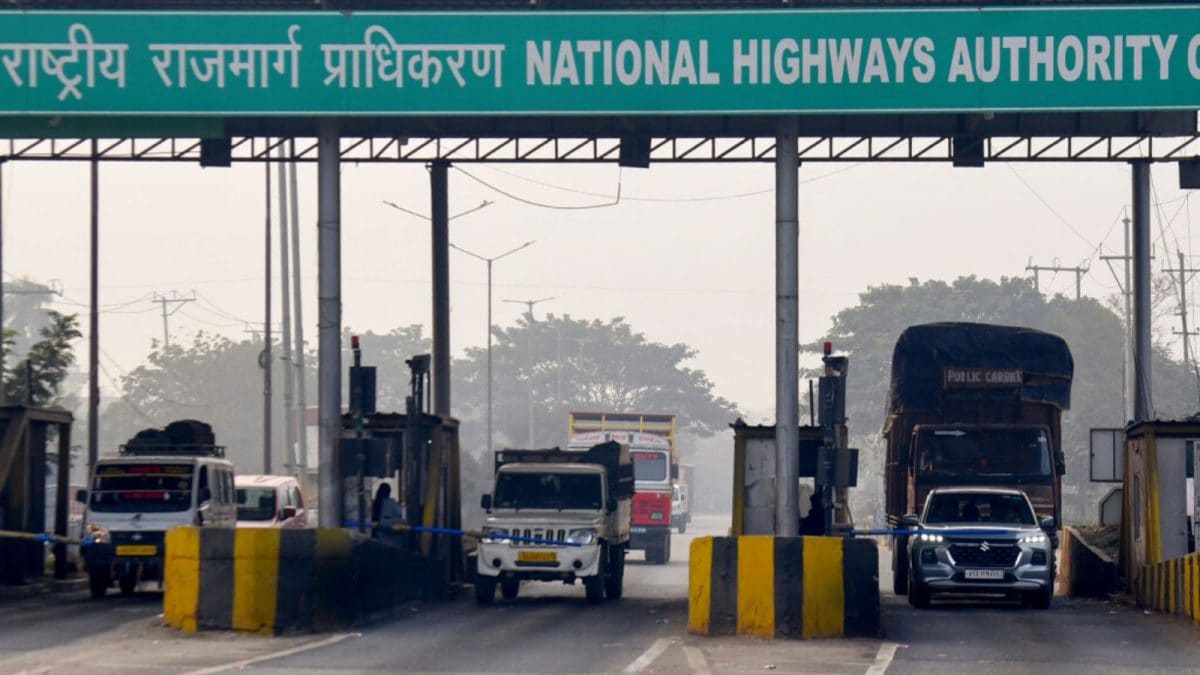
NHAI raised the FASTag Annual Pass fee from Rs 3,000 to Rs 3,075 for 2026–27, effective April 1, 2026. The pass covers 1,150 toll plazas for non-commercial vehicles.




NHAI Revises FASTag Annual Pass Fee for FY27; Price Increased to Rs 3,075
The National Highways Authority of India (NHAI) has announced a revision in the FASTag Annual Pass fee, increasing the charge from Rs 3,000 to Rs 3,075 for the financial year 2026–27. According to an official statement released on March 15, the revised fee will come into effect from April 1, 2026.
The change has been implemented in accordance with the National Highways Fee (Determination of Rates and Collection) Rules, 2008, which allows periodic revision of toll charges. The FASTag Annual Pass facility is available to eligible non-commercial vehicles with a valid FASTag, enabling users to travel across around 1,150 toll plazas on national highways and expressways.
The annual pass allows private vehicle owners to pay a one-time fee for toll usage instead of recharging FASTag frequently. Once activated, the pass remains valid for one year or up to 200 toll plaza crossings, whichever occurs earlier, making it a convenient option for frequent highway commuters.
Users can activate the annual pass on their existing FASTag linked to the vehicle by paying the fee through the Rajmarg Yatra App or via the official NHAI website. According to the authority, the pass is typically activated within two hours of payment.
Launched on August 15, 2025, the FASTag Annual Pass has seen growing adoption among private vehicle owners. NHAI said more than 56 lakh users have already opted for the facility, highlighting its popularity as a convenient and cost-effective option for travellers on national highways across India.
March 15, 2026, 16:25 IST
Read More
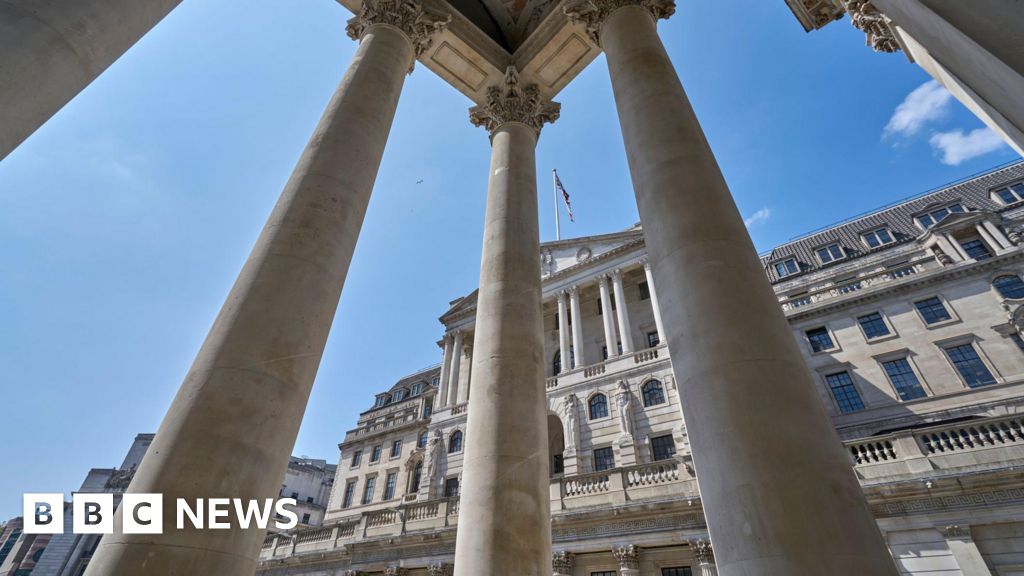
Policymakers vote unanimously to hold rates at 3.75% after the Iran war prompts a sea-change in the debate over borrowing costs.
Source link
Business
Eli Lilly’s next-generation obesity drug retatrutide clears first late-stage diabetes trial

Eli Lilly on Thursday said its next-generation obesity drug retatrutide cleared its first late-stage trial on Type 2 diabetes patients, helping them manage their blood sugar levels and lose weight.
The drug lowered hemoglobin A1c — a key measure of blood sugar levels — by an average of 1.7% to 2% across different doses at 40 weeks compared to placebo, meeting the study’s main goal. Patients started the trial with an A1c in the range of 7% to 9.5%, and were not taking other diabetes medications.
Retatrutide also met the study’s second goal, helping patients at the highest dose lose an average of 16.8% of their weight, or 36.6 pounds, at 40 weeks, when evaluating only patients who stayed on the drug. When analyzing all participants, including those who discontinued treatment, the highest dose of the drug helped patients lose 15.3% of their weight.
Patients with Type 2 diabetes historically struggle to lose weight, so Lilly is “very excited” to see that the drug led to both a competitive drop in blood sugar levels and significant weight loss, Ken Custer, president of Lilly Cardiometabolic Health, said in an interview.
The company was also “very pleased” with the relatively low discontinuation rates due to side effects, which were up to 5%, he added.
They are the second late-stage results to date on retatrutide, which works differently from existing injections and appears to be more effective, at least for weight loss. Lilly is betting big on retatrutide as the next pillar of its obesity portfolio after its blockbuster weight loss injection Zepbound and its upcoming pill, orforglipron.
But Lilly has yet to file for approval for the drug for obesity or diabetes. The company expects to report findings from seven additional phase three trials on the drug by the end of the year.
There are no head-to-head trials of retatrutide against other drugs, making it difficult to directly compare efficacy.
Still, retatrutide’s A1C reduction doesn’t appear to be the greatest Lilly has seen within its portfolio: The highest dose of Zepbound lowered the measure by more than 2% at 40 weeks in two separate trials on diabetes patients.
But Custer said retatrutide’s A1C reduction is still “very, very strong” compared to other diabetes medications that don’t target gut hormones.
He also said that having options in the obesity and diabetes space will be important because “not everybody is going to be helped with or satisfied with the same treatment.” Choosing which drug to take will depend on “individualized tailoring of solutions and patients,” particularly earlier in their diabetes treatment, he added.
For example, Custer said patients who want to regulate their blood sugar could benefit from either Zepbound or retatrutide. But if they are looking to lose more weight, the latter might be a better option, he said.
In the two separate diabetes trials, Zepbound helped patients lose slightly less weight than retatrutide did. In one study called SURPASS-2, the highest dose of Zepbound helped patients lose an average of 13.1% of their weight at 40 weeks. In the other study, SURPASS-1, the highest dose helped patients lose an average of 11% of their weight at the 40-week mark.
Retatrutide’s safety profile was similar to other injectable diabetes and obesity drugs, primarily causing gastrointestinal side effects. Around 26.5% of patients on the highest dose experienced nausea, while roughly 22.8% and 17.6% had diarrhea and vomiting, respectively.
Low rates of patients experienced dysesthesia, which is an unpleasant nerve sensation.
Dubbed the “triple G” drug, retatrutide works by mimicking three hunger-regulating hormones – GLP-1, GIP and glucagon – rather than just one or two like existing treatments. That appears to have more potent effects on a person’s appetite and satisfaction with food than other treatments.
Tirzepatide, the active ingredient in Zepbound, mimics GLP-1 and GIP. Novo Nordisk’s semaglutide, the active ingredient in Wegovy, mimics only GLP-1.
As retatrutide inches closer to the market, Novo is racing to catch up to Lilly. In March 2025, Novo said it agreed to pay up to $2 billion for the rights to an early experimental drug from the Chinese pharmaceutical company United Laboratories International.
Novo’s newly acquired drug is a clear potential competitor to retatrutide because it similarly uses a three-pronged approach to promoting weight loss and regulating blood sugar. But Novo’s treatment is much earlier in development, meaning it will take several years before it reaches patients.

Annual earnings grew at an annual rate of 3.8% in the November to January period, the Office for National Statistics says.
Source link


Australian wool prices decline this week as buyer caution ends rally
Bank of England ‘ready to act’ on rising prices as interest rates on hold

ICE cotton rally pauses on stronger US dollar, profit booking

Stock market crash today (March 12, 2026): Nifty50 opens below 23,600; BSE Sensex down over 900 points on continuing US-Iran war – The Times of India

UK’s Topshop unveils Tolu Coker capsule collection

India’s textile recycling market may reach $3.5 bn by 2030: Report

-
Business1 week ago
Stock market crash today (March 12, 2026): Nifty50 opens below 23,600; BSE Sensex down over 900 points on continuing US-Iran war – The Times of India
-
 Fashion1 week ago
UK’s Topshop unveils Tolu Coker capsule collection
-
 Fashion1 week ago
India’s textile recycling market may reach $3.5 bn by 2030: Report
-
 Business1 week ago
US ignites Iran war, but Gulf Arab states pay the price | The Express Tribune
-
 Tech1 week ago
Meta Developed 4 New Chips to Power Its AI and Recommendation Systems
-

 Sports1 week ago
Bangladesh crush Pakistan in ODI series opener | The Express Tribune
-

 Entertainment1 week ago
Gas, food, household prices explained
-

 Entertainment1 week ago
Ed Sheeran makes surprising Benny Blanco confession after hygiene uproar