

Business
New BIS standard for incense sticks: Govt bans certain substances; flags ‘potential impact on human health’ – The Times of India


NEW DELHI: The government issued a notification announcing a new Indian Standard for incense sticks (agarbatti), laying down quality norms and specifying a list of substances prohibited for use in their manufacture.The standard has been developed by the Bureau of Indian Standards (BIS) to ensure safer products and promote responsible and sustainable practices in the incense stick industry, the minister for consumer affairs said in a statement released on National Consumer Day 2025.The ministry released a list of harmful substances. “This includes certain insecticidal chemicals such as alethrin, permethrin, cypermethrin, deltamethrin, and fipronil, as well as synthetic fragrance intermediates like benzyl cyanide, ethyl acrylate, and diphenylamine. Many of these substances are restricted or banned internationally due to their potential impact on human health, indoor air quality, and ecological safety,” it said.According to the notification, the standard classifies agarbattis into machine-made, hand-made, and traditional masala agarbattis, and prescribes norms for raw materials, burning quality, fragrance performance and chemical parameters. This, the ministry said, will ensure safer products and consistent quality for consumers.Agarbattis are deeply embedded in India’s cultural and religious life and are widely used in homes, places of worship, meditation centres.With rising global demand for incense products growing steadily in India and overseas, the international studies and regulatory developments, “particularly in Europe have raised concerns over the use of certain synthetic chemicals in fragranced products, including incense sticks,” the release stated.Some of these substances have been linked to respiratory irritation, allergic reactions, neurological effects and environmental harm when used repeatedly in indoor environments, it added.The standard has been developed by the Fragrance and Flavour Sectional Committee (PCD 18) of BIS after extensive consultations with stakeholders.India is the world’s largest producer and exporter of agarbattis. The industry is estimated at around Rs 8,000 crore annually, with exports worth nearly Rs 1,200 crore to over 150 countries, including the US, Malaysia, Nigeria, Brazil and Mexico.The sector supports a large network of artisans, micro-entrepreneurs and MSMEs, especially in rural and semi-urban areas, and plays a key role in generating employment, particularly for women.The government said the new standard is “expected to enhance consumer confidence, promote ethical and sustainable manufacturing practices, support traditional artisans, and improve access to global markets. The standard reinforces India’s commitment to protecting its cultural heritage while aligning indigenous industries with modern quality and safety expectations. Products complying with this standard can also carry the BIS Standard Mark, helping consumers make informed choices with confidence.“


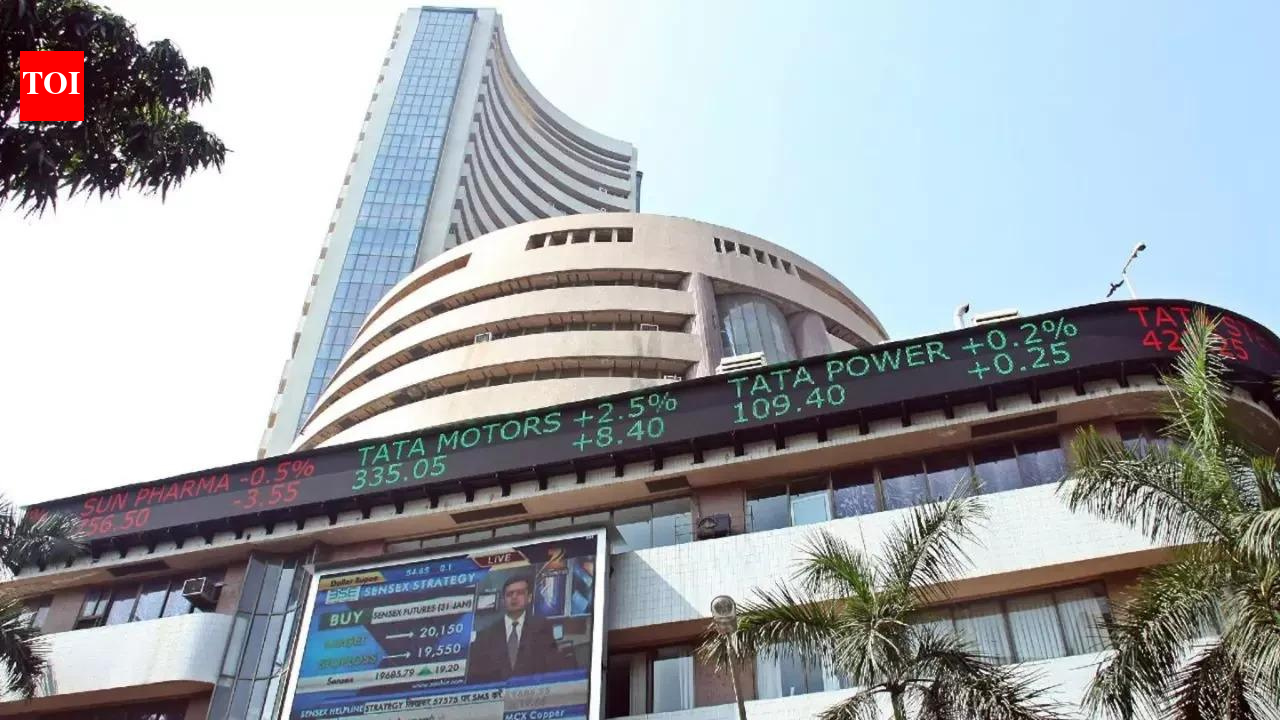
Stock market rallied sharply on Monday, with the Sensex soaring more than 1,000 points and the Nifty reclaiming the 24,000 mark, as easing geopolitical tensions in West Asia and falling crude oil prices boosted investor sentiment globally.The 30-share BSE Sensex jumped 1,073.61 points, or 1.42 per cent, to close at 76,488.96, while the NSE Nifty 50 surged 312.40 points, or 1.32 per cent, to settle at 24,031.70.The rally came after optimism grew around a possible agreement between the United States and Iran, following remarks by US President Donald Trump over the weekend that a deal was “largely negotiated”.
Nifty50 top gainers
| Company Name | Current Price (Rs) | Price Change | % Change |
|---|---|---|---|
| Eicher Motors | 7,414 | 433.00 ↑ | 6.20% ↑ |
| Adani Ent. | 2,850 | 132.00 ↑ | 4.88% ↑ |
| Bajaj Finance | 941.90 | 25.40 ↑ | 2.77% ↑ |
| Tata Motors PV | 373.25 | 9.90 ↑ | 2.73% ↑ |
| L&T | 4,033 | 107.00 ↑ | 2.72% ↑ |
| HDFC Bank | 786.85 | 20.10 ↑ | 2.62% ↑ |
| Eternal | 247.67 | 5.72 ↑ | 2.37% ↑ |
| Bajaj Finserv | 1,807 | 41.40 ↑ | 2.35% ↑ |
| Kotak Bank | 392.85 | 8.71 ↑ | 2.27% ↑ |
| Shriram Finance | 961.95 | 21.00 ↑ | 2.23% ↑ |
Sensex top gainers
| Company Name | Current Price (Rs) | Price Change | % Change |
|---|---|---|---|
| Bajaj Finance | 941.90 | 25.40 ↑ | 2.77% ↑ |
| L&T | 4,033 | 107.00 ↑ | 2.72% ↑ |
| HDFC Bank | 786.85 | 20.10 ↑ | 2.62% ↑ |
| Eternal | 247.67 | 5.72 ↑ | 2.37% ↑ |
| Bajaj Finserv | 1,807 | 41.40 ↑ | 2.35% ↑ |
| Kotak Bank | 392.85 | 8.71 ↑ | 2.27% ↑ |
| ICICI Bank | 1,292 | 27.50 ↑ | 2.18% ↑ |
| SBI | 969.60 | 20.40 ↑ | 2.15% ↑ |
| Axis Bank | 1,311 | 25.80 ↑ | 2.01% ↑ |
| Titan Company | 4,159 | 79.40 ↑ | 1.95% ↑ |
Nifty50 top losers
| Company Name | Current Price (Rs) | Price Change | % Change |
|---|---|---|---|
| Max Healthcare | 1,001 | -22.40 ↓ | -2.19% ↓ |
| ONGC | 284.95 | -5.06 ↓ | -1.75% ↓ |
| Hindalco | 1,100 | -9.61 ↓ | -0.87% ↓ |
| Nestle India | 1,414 | -9.50 ↓ | -0.67% ↓ |
| Bajaj Auto | 10,491 | -58.50 ↓ | -0.56% ↓ |
| Infosys | 1,169 | -6.00 ↓ | -0.52% ↓ |
| TCS | 2,308 | -9.11 ↓ | -0.40% ↓ |
| Tata Consumer | 1,187 | -4.60 ↓ | -0.39% ↓ |
| HUL | 2,197 | -7.10 ↓ | -0.33% ↓ |
| Sun Pharma | 1,841 | -4.00 ↓ | -0.22% ↓ |
Sensex top losers
| Company Name | Current Price (Rs) | Price Change | % Change |
|---|---|---|---|
| Infosys | 1,169 | -6.00 ↓ | -0.52% ↓ |
| TCS | 2,308 | -9.11 ↓ | -0.40% ↓ |
| HUL | 2,197 | -7.10 ↓ | -0.33% ↓ |
| Sun Pharma | 1,841 | -4.00 ↓ | -0.22% ↓ |
| Kwality Wall’s | 26.33 | -0.06 ↓ | -0.19% ↓ |
Oil prices tumble as Iran deal hopes rise
Investor confidence improved as markets increasingly priced in the possibility of a diplomatic breakthrough between Washington and Tehran, which could lead to the reopening of the Strait of Hormuz and ease global energy supply concerns.According to news agency ANI, market expert Ponmudi R said optimism surrounding a potential US-Iran agreement revived risk appetite across global markets.“Investor sentiment improved significantly after Donald Trump stated over the weekend that a deal was ‘largely negotiated’, encouraging markets to increasingly price in the possibility of a near-term diplomatic resolution,” he said.He added that markets would look for the “successful implementation of a lasting peace agreement and the credible reopening of the Strait of Hormuz”.Brent crude prices dropped sharply below the $100 per barrel mark and were trading around $98 per barrel, down more than 5 per cent during the session.The Indian rupee also recovered strongly, gaining 48 paise to trade at Rs 95.21 against the US dollar after recent weakness.
Banking stocks lead market rally
Financial stocks led the gains on Dalal Street. Bajaj Finance, Larsen & Toubro, HDFC Bank, Eternal, Bajaj Finserv and Kotak Mahindra Bank emerged among the top Sensex gainers.Sectorally, Nifty PSU Bank rose 2.73 per cent, while Nifty Private Bank advanced 2.02 per cent, as per ANI. Nifty Auto climbed 1.66 per cent and Realty gained 1.54 per cent.However, FMCG stocks remained under pressure. Infosys, Tata Consultancy Services, Sun Pharma and Hindustan Unilever were among the laggards.
Global markets gain amid improving sentiment
Asian markets also ended higher on Monday amid improving global risk appetite. Japan’s Nikkei 225 surged 2.76 per cent, while Taiwan’s weighted index jumped 3.15 per cent.European markets were trading in positive territory, while US markets had settled higher on Friday.Meanwhile, Foreign Institutional Investors (FIIs) offloaded equities worth Rs 4,440.47 crore on Friday, according to exchange data.
Business
PSX gains over 2,500 points as US-Iran peace hopes fuel bullish rally | The Express Tribune

KSE-100 surges past 170,000 intraday on strong institutional buying, easing geopolitical tensions
KARACHI:
The Pakistan Stock Exchange (PSX) extended strong bullish momentum on Monday as the benchmark KSE-100 Index hovered around 170,423.30 points at 1:24pm, up 2,579.06 points or 1.54% in intraday trade.
During the session, the benchmark index touched an intraday high of 171,519.26 points, while the day’s low was recorded at 170,161.66 points. Market participation remained strong, with traded volume reaching 125.96 million shares and total traded value standing at Rs11.75 billion.
Read: PSX gains 2,248 points in mixed week
Investor sentiment remained upbeat amid reports of a likely peace agreement between the United States and Iran, which boosted confidence across regional markets and improved risk appetite among investors.
Analysts said the rally was driven by aggressive institutional buying and renewed optimism over easing geopolitical tensions following progress in US-Iran negotiations.
The previous close of the KSE-100 index was 167,844.24 points.
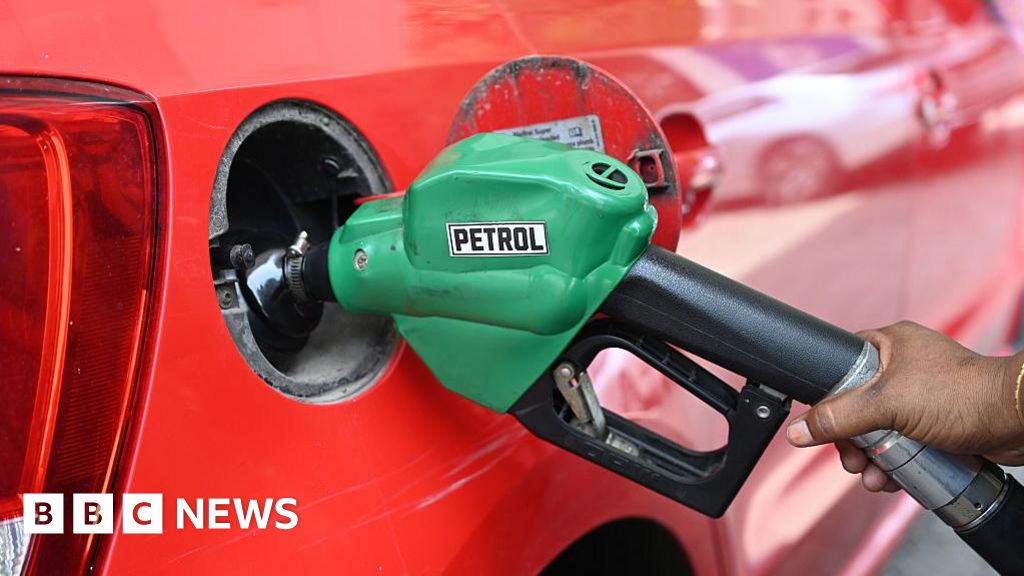
Trump said on Saturday that an agreement would include the reopening of the Strait of Hormuz, without giving further details.
Source link


Financial conditions, oil prices concerns for India: RBI Bulletin

US govt formally implements extension of AGOA till 2026 end
Stock market today: Which are top gainers and losers on NSE & BSE on May 25? Check list

-

 Entertainment1 week ago
Where Pete Davidson, Elsie Hewitt stand after breakup: Details revealed
-

 Tech1 week ago
Why Is Your Grill So Dumb? The Best Grills Set Temp Like an Oven
-

 Tech1 week ago
This Solar-Powered Smart Sprinkler Keeps My Lawn Watered Without Any Power Cables
-
 Fashion5 days ago
US cotton planting advances to 41%, concerns persist in Texas
-
 Fashion7 days ago
Turkiye’s current account deficit expected to widen in 2026: Minister
-
 Fashion4 days ago
ICE cotton sees mixed trend as rain forecasts weaken sentiment
-

 Fashion1 week ago
India’s Pearl Global’s FY26 revenue crosses $521 mn milestone
-

 Tech1 week ago
A Danish Couple’s Maverick African Research Finds Its Moment in RFK Jr.’s Vaccine Policy