

Business
Wisdom beyond markets: What is Warren Buffett’s success mantra & how to recreate it? – The Times of India

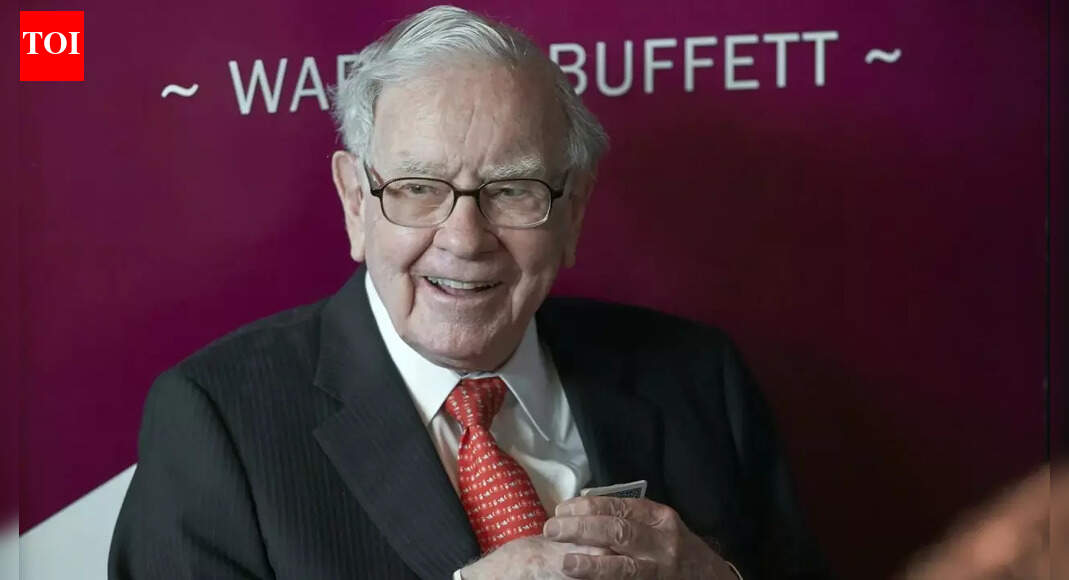
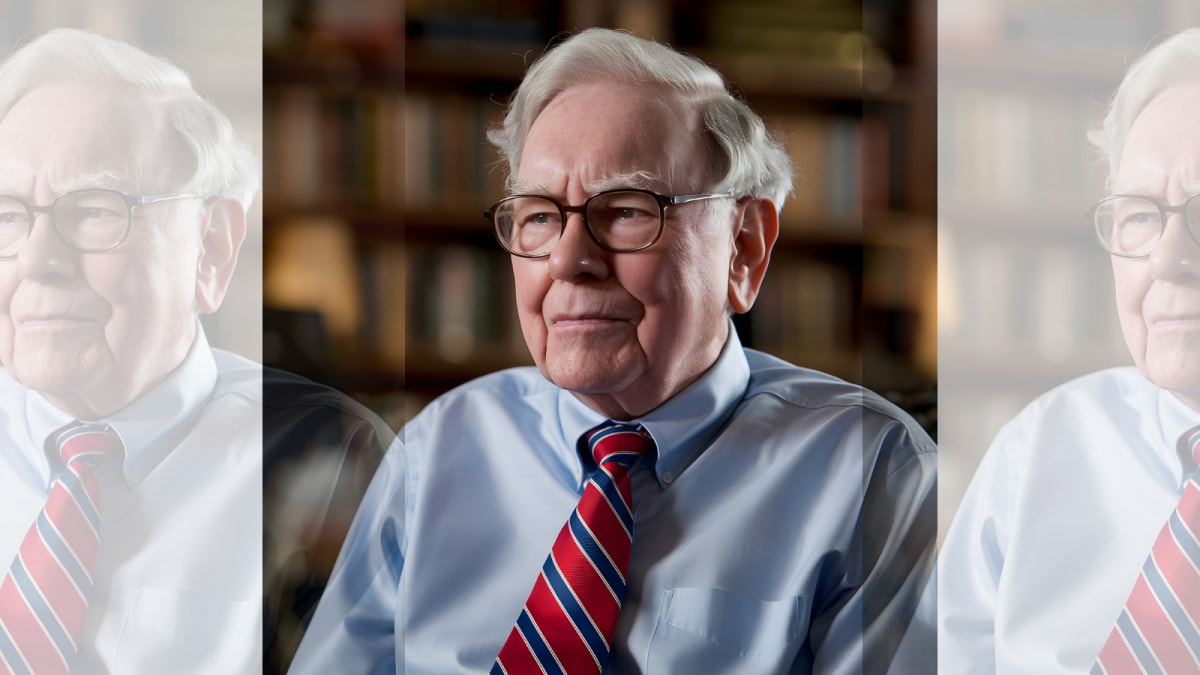
Warren Buffett is known for many things – he is one of the richest persons in the world, a master of investment, the ‘Oracle of Omaha’, Zen master and more. When it comes to business acumen and mastering the stock markets, Buffett’s mantras are cited as near-gospel by investors.As the 95-year-old approaches his retirement as Berkshire Hathaway’s CEO later this year, his remarkable investment acumen has garnered widespread recognition. His achievements have established him amongst history’s most accomplished investors, accumulating wealth estimated at $150 billion.But Buffett’s lessons don’t just extend to markets and investment – they are often regarded as pearls of wisdom for dealing with life’s ups and downs.According to a CNN report, Buffett’s teachings incorporate diverse philosophical traditions, drawing from Zen Buddhism, Confucian thought, Stoic philosophy and New Testament teachings. These principles provide guidance for navigating both financial markets and personal difficulties.
Warren Buffett’s Zen-like principles
Although not religious himself, Buffett’s career reflects substantial engagement with spiritual principles. Religious scholars and practitioners studying Buffett’s approach recognise him not only as a business leader but also as someone who embodies Zen-like wisdom in his methods and teachings, says CNN.Warren Buffett’s spiritual influence has extended globally over the years. His followers attend Berkshire Hathaway shareholder meetings to see the individual whom a financial expert described as “the God of investing.”Buffett himself serves as the primary source of his spiritual wisdom, having developed his own philosophical perspective. Both investors and non-investors study his sayings and teachings, including statements like “Someone is sitting in the shade today because someone planted a tree a long time ago.” He also notes that wealth “lets you be in more interesting environments, but it can’t change how many people love you or how healthy you are.“Such philosophical observations from Buffett have led Leo Babauta, who practises Zen Buddhism, to recognise Buffett’s alignment with Zen principles.“He’s one of the richest men in the world, and yet I really don’t feel like he has made that a central part of who he is,” Babauta, author of “The Power of Less: The Fine Art of Limiting Yourself to the Essential…in Business and in Life,” tells CNN.“He’s surrounded by people who are focused on making money, and he sees how people are deluded (by that). That’s one of the central ideas of Zen: We’re all living these illusions of what’s going to make us happy.”In Buffett’s perspective, excellence in investing and personal integrity are inseparable. He suggests that one can always be in a bull market by adhering to three spiritual guidelines, which he articulates in his own words: ‘Envy and greed go hand in hand’The Ten Commandments include the directive against coveting, whilst envy features amongst the seven deadly sins. According to Buffett, amongst the seven deadly sins, envy stands alone as the only one devoid of pleasure. He has said, “Being envious of someone else is pretty stupid. Wishing them badly, or wishing you did as well as they did — all it does is ruin your day. Doesn’t hurt them at all, and there’s zero upside to it. If you’re going to pick a sin, go with something like lust or gluttony. That way at least you’ll have something to remember the weekend for.”This mindset has implications for investment strategies. Babauta’s analysis of Buffett’s investment approach reveals a conservative methodology rooted in Zen principles. Buffett acknowledges his own boundaries, particularly regarding technology investments, due to his limited understanding of the sector.“You would never find him chasing after cryptocurrency or the latest AI thing,” Babauta says according to CNN. “He looks for things that are fundamentally sound and that kind of discipline can only happen if he didn’t need to chase after things because of his contentment. That contentment, in his case, led to a lot of discipline.”‘More blessed to give than to receive’In June 2006, Buffett announced a big philanthropic commitment through a series of letters, pledging most of his wealth to foundations and charitable organisations. This philanthropic spirit continued in his recent shareholder letter, where he discussed plans to accelerate his charitable giving, allocating approximately a billion dollars to four family foundations.According to the CNN report, Buffett exemplifies the New Testament principle of giving over receiving, setting him apart amongst America’s wealthy. This characteristic inspired Robert L. Bloch, whose father established H&R Block, to compile “The Warren Buffett Book of Investing Wisdom: 350 Quotes from the World’s Most Successful Investor”. Speaking to CNN, Bloch identifies Buffett’s gratitude and generosity as essential spiritual values.Buffett demonstrates genuine concern for underprivileged and ordinary citizens, expressing a desire to contribute to society’s welfare, as Bloch notes. “That’s very spiritual. Not many billionaires are like that.”His charitable nature aligns with ancient Greco-Roman Stoic principles. Philosophers like Epictetus and Marcus Aurelius advocated that virtuous living was essential for happiness, whilst viewing material attachments as obstacles to self-control. As documented by Ryan Holiday, author of popular books on Stoicism, Aurelius, whilst serving as Roman emperor, liquidated palace possessions to reduce empire debt and support Roman citizens.According to Bloomberg Opinion columnist Beth Kowitt, Buffett credits his success to luck. “He is very clear that a lot of his success comes from being born a white male American in the year 1930. I think he believes that his wealth is a product of the system. It’s not all. He doesn’t buy into his own hype. And I think that is really different from what we see from a new cohort of Silicon Valley CEOs who seem to feel that they’ve contributed so much more to society than they’ll get back,” she tells Bloomberg. “This is a little bit of the secret of his success. It’s kind of helped him avoid hubris and the mistakes that come with it. And I think, you cannot recreate Warren Buffett’s luck, but you can certainly try to recreate this mentality,” she says.
Keeping the faith
People in the US have faced significant challenges recently. A Politico survey reveals nearly 50% of citizens struggle with essential expenses like food and healthcare. Various polls indicate that over half of Americans believe the country’s peak has passed.Nevertheless, Buffett maintains optimism in America. This optimistic outlook mirrors the Christian virtue of faith, despite his non-religious stance. According to Christianity’s central figure, faith possesses transformative power. Another New Testament author defines it as “confidence in what we hope for and assurance of what we do not see.”Warren Buffett stands as America’s foremost optimist. During challenging economic periods and political turmoil, he has maintained his positive outlook with statements like, “For 240 years, it’s been a terrible mistake to bet against America, and now is no time to start.” And: “We always live in an uncertain world. What is certain is that the United States will go forward over time.”This unwavering confidence motivated Bloch to explore Buffett’s statements in detail.“You got to have faith that it’s going to get better and we will come out of this,” Bloch explains to CNN, referring to the current political and economic climate in the US. “Look at 1776, 1820, and the Great Depression. America just got bigger and better throughout history.”This steadfast belief appears to be the source of Buffett’s consistent positive attitude. His wholesome Midwestern outlook is captured in his retirement letter: “Kindness is costless, but also priceless.”Unlike many billionaires who display domineering attitudes, Buffett maintains courtesy even towards critical voices at shareholder meetings and avoids associations with questionable individuals. As he stated, “You can’t make a good deal with a bad person.”He frequently discusses an unexpected topic in the competitive investment world: love.His perspective on love is clear: “The only way to get love is to be lovable” as money cannot purchase genuine affection. He believes in the reciprocal nature of love, stating, “The more you give love away, the more you get.”This approach, rather than his successful investments in Coca-Cola, Wells Fargo and Kraft Heinz, might be considered his most significant contribution. He has earned widespread respect in America not solely for his financial success but for his consistent consideration of others.His investment in human relationships may prove to be his most valuable achievement.



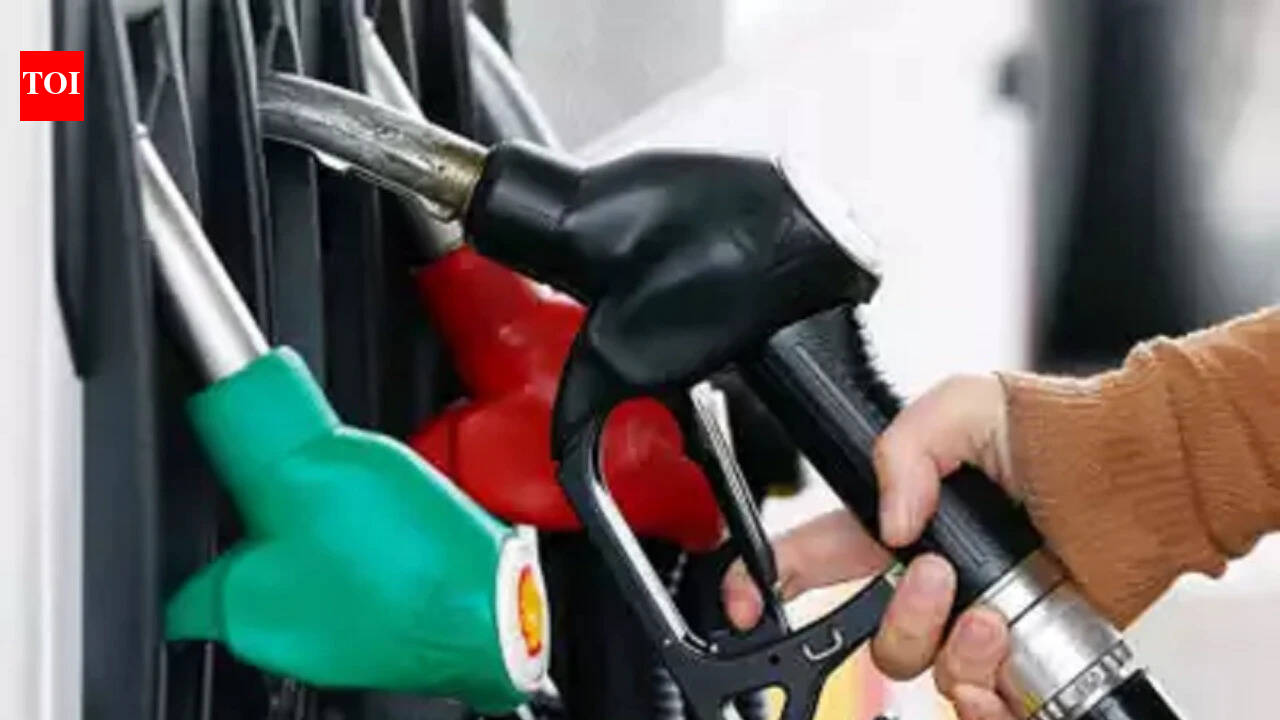
NEW DELHI: The West Asia conflict is pushing govt to look at a faster transition towards renewable energy, including the possibility of increasing ethanol blending in petrol from 20-25%, although in a calibrated manner. This will come along with increased refining capacity within the country, so that there is a buffer in the system and greater domestic resilience, those familiar with the discussions said, pointing out that sustaining refineries at 100% capacity is not sustainable.While Barmer refinery has begun operations, expansion at Numaligarh is underway and work on integrated refineries on the west coast is also under focus. Apart from a mega refinery in Maharashtra, a new facility in Gujarat is also planned.Officials said rising use of renewables, biofuels and hydrogen in the energy mix was no longer just an environmental issue, but a strategic necessity in a situation like the present one, where the military conflict in West Asia has disrupted global energy supplies, triggering a supply crisis and a surge in oil and gas prices.According to officials, 20% ethanol blending has helped India save 4.5 crore barrels of crude annually and reduce foreign exchange outflow by around ₹1.5 lakh crore so far. Given the concerns over fuel efficiency and impact on vehicles, govt is expected to take a gradual approach that addresses the anxiety on ethanol blending. The third pillar on energy is expanding the strategic petroleum reserves.
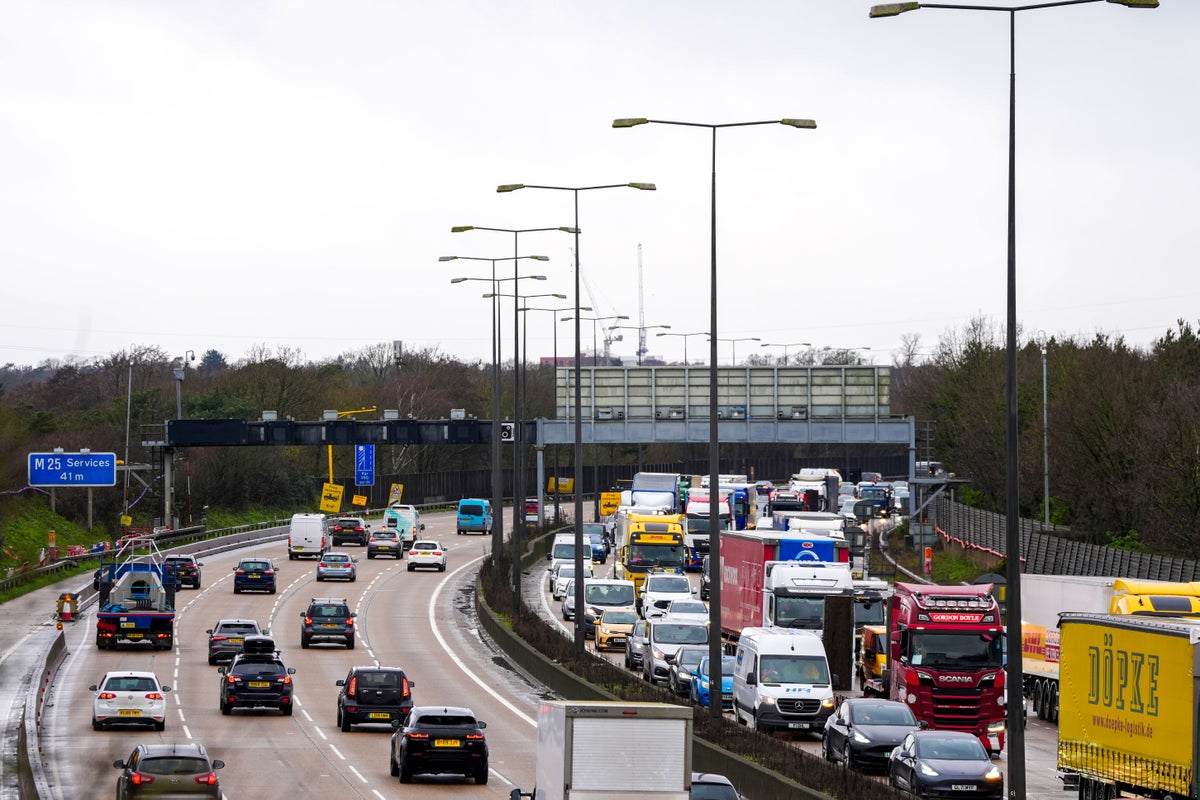
Millions of car finance payouts are in jeopardy after the UK’s financial watchdog indicated its compensation scheme faces significant delays, changes, or even collapse.
This uncertainty stems from four legal challenges against the Financial Conduct Authority (FCA).
The FCA has advised motor finance firms to prepare for the possibility that its redress scheme, which could see an average payout of £829, may not proceed.
The regulator stated that while a hearing date is unclear, these cases are unlikely to be heard before October.
In the meantime, it is in discussions about the “possibility of suspending some elements” of its compensation scheme, while still urging lenders to prepare for payouts.
But the regulator said it was also considering its options should parts of the scheme be quashed by the courts, including proceeding with a revised version or asking lenders to plan for a scenario where “there would be no scheme”.
This could mean lenders need to be ready to respond to complaints from car finance customers individually, rather than under the rules of an industry-wide programme set by the FCA.
“Many people will be frustrated that the legal action will delay payouts due to begin this year,” the FCA said.
“We remain committed to ensuring consumers receive any compensation owed as promptly as possible.”
The FCA set out the final details of its compensation scheme in March, which it estimated could cost the industry about £9.1 billion in total.
It had been expecting millions of claims to be paid out this year and the vast majority settled by the end of 2027.
The financial services arms of carmakers Volkswagen and Mercedes-Benz and the car finance arm of French bank Credit Agricole, as well as Consumer Voice, a group representing consumers, are asking the courts to quash the scheme, arguing the rules are unlawful.
“Between the four separate legal challenges, it is claimed in effect that the FCA’s approach to establishing the schemes has been both unduly favourable to consumers and unduly favourable to lenders,” the watchdog said.
At least one claim alleges that the FCA has breached the rights of lenders under the 1998 Human Rights Act, according to the watchdog.
Despite the uncertainty of the legal cases, the watchdog is still advising consumers to complain directly to their lender if they think they might be owed compensation, which they can do for free using a template letter on its website.
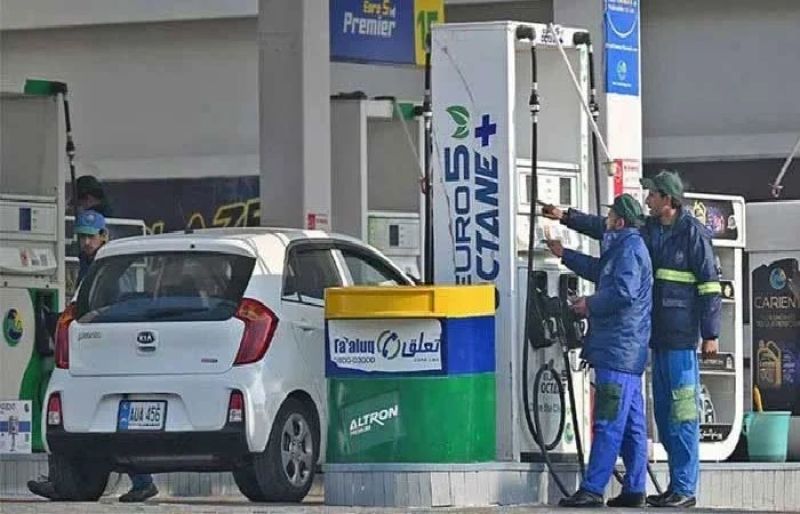
The federal government has increased petrol and diesel prices by nearly Rs15 per litre each for the next week.
In a notification issued on Friday, the Petroleum Division said new fuel rates will come into effect from May 9.
The price of petrol has jumped from Rs399.86 to Rs414.78, while the HSD price increased from Rs399.58 to Rs414.58 per litre.
This marks the third consecutive increase in petrol and diesel prices after cumulative hikes of Rs33.28 on petrol and Rs46.16 on diesel over the previous two weeks.
The government has been reviewing petroleum prices every Friday night amid global oil market volatility linked to the US-Iran conflict.
Global oil prices were up more than 1% on Friday after renewed fighting broke out between the US and Iran, threatening a shaky ceasefire and dashing hopes for progress on reopening the Strait of Hormuz, a key oil and gas transit route.
Brent crude futures were up $1.41, or 1.41%, at $101.47 a barrel as of 0123 GMT. West Texas Intermediate (WTI) US crude futures rose by $1.12, or 1.18%, to $95.93 a barrel. At the market open prices had risen by more than 3%.
Petrol is mainly used by commuters in small vehicles, rickshaws and two-wheelers. Higher fuel prices significantly impact the budgets of middle and lower-middle-class households, who rely on petrol for daily travel.
On the other hand, a significant portion of the transport sector relies on high-speed diesel.
Its price is considered inflationary since it is predominantly used in heavy goods transport vehicles, trucks, buses, trains, and agricultural machinery such as tractors, tube wells, and threshers.
The consumption of high-speed diesel particularly contributes to the increased prices of vegetables and other food items.


Timberwolves’ coach Finch blasts Tony Brothers for ‘unprofessional’ conduct

Top Sri Lankan Buddhist monk arrested over alleged sex abuse

Romeo Beckham shares loved up moment with girlfriend Kim Turnbull

-

 Politics6 days ago
Iran weighs US reply delivered via Pakistan as Trump signals opposition to deal terms
-

 Tech1 week ago
Almost half of UK businesses hit by cyber attacks | Computer Weekly
-

 Tech1 week ago
This Indigenous Language Survived Russian Occupation. Can It Survive YouTube?
-

 Fashion1 week ago
Canada’s Lululemon appoints Esi Eggleston Bracey to board of directors
-

 Fashion1 week ago
US’ J.Jill, Inc. appoints Kimberly Wallengren as CMO
-

 Entertainment1 week ago
David Allan Coe, country singer who wrote “Take This Job and Shove It,” dies at age 86
-
 Business1 week ago
Government hikes jet fuel prices by 5% for international airlines – The Times of India
-
 Business1 week ago
Apollo Sports Capital and Tom Dundon make landmark $225 million investment in pickleball