

Business
Women’s Day 2026: Female Investors Cut FD Allocation From 45% To 20%, Boost Equity Funds


Last Updated:
On International Women’s Day 2026, Equirus Wealth reports Indian women investors’ shift from fixed deposits and gold to equity mutual funds.




Women investors are steadily reshaping India’s financial landscape, with rising participation in stocks, mutual funds, and digital investing platforms.
On International Women’s Day 2026, a key trend of behavior change among female investors has emerged over the past five years, particularly in their investment choices across various financial products. Women are now more confident while investing in high risk but rewarding equity market, as the portfolio allocation in equity mutual funds surged from 10 per cent to 32 per cent, while down from 40 per cent to 20 per cent in Fixed Deposits (FDs).
The five-year study on women investors and relationship managers was conducted by Equirus Wealth Limited, and was published in a report titled “Expanding Horizons: Changing Wealth Management Behaviours of Indian Women – Qualitative Analysis of Investor Evolution Across Age and Affluence.”
The study reveals that women investors are increasingly moving away from episodic product purchases such as fixed deposits, gold and property towards diversified, allocation-driven portfolios anchored around long-term financial goals.
This reflects the major behavioural change from ‘safety-first’ investing to allocation-driven portfolio strategies.
Female Investors Adopting AI Cautiously
According to the report ,Artificial Intelligence may dominate global investment conversations, but Indian women investors are adopting it cautiously. They are using AI primarily as research and learning tool rather than for autonomous investment decisions.
Not Panicking During Corrections
Another interesting thing being revealed by the study is that 70-90% of investors hold or review their investments during market corrections rather than exiting in panic, showing maturity during market cycles.
At the same time, around 55% selectively add capital during market dips, reflecting growing conviction and a longer-term approach to investing.
Rise of “bucket investing”
Investors are increasingly dividing portfolios into buckets like safety, growth, liquidity and legacy instead of buying random financial products.
Risk is no longer seen only as loss of capital.
Investors now also consider inflation, goal failure, and portfolio drawdowns as risks.
75–90% are discussing intergenerational wealth transfer and financial discipline for the next generation.
 Click here to add News18 as your preferred news source on Google.
Follow News18 on Google. Join the fun, play games on News18. Stay updated with all the latest business news, including market trends, stock updates, tax, IPO, banking finance, real estate, savings and investments. To Get in-depth analysis, expert opinions, and real-time updates. Also Download the News18 App to stay updated.
March 08, 2026, 14:14 IST
Read More













Chennai: Indian Overseas Bank’s annual net profit crossed Rs 5,000 crore for the first time, with the public sector lender reporting FY26 profits at Rs 5,209 crore, up 56% from Rs 3,335 crore in FY25, driven by higher income and lower provisions and tax expenses. The bank’s operating profit also crossed Rs 10,000 crore for the first time.

Lee Sustar, an analyst at Forrester, said there is still anxiety “about the sustainability of the AI boom” given the high cost and so far unrealised gains. Yet, tech companies are pushing forward with plans, for this year and next, to pour billions into its development.
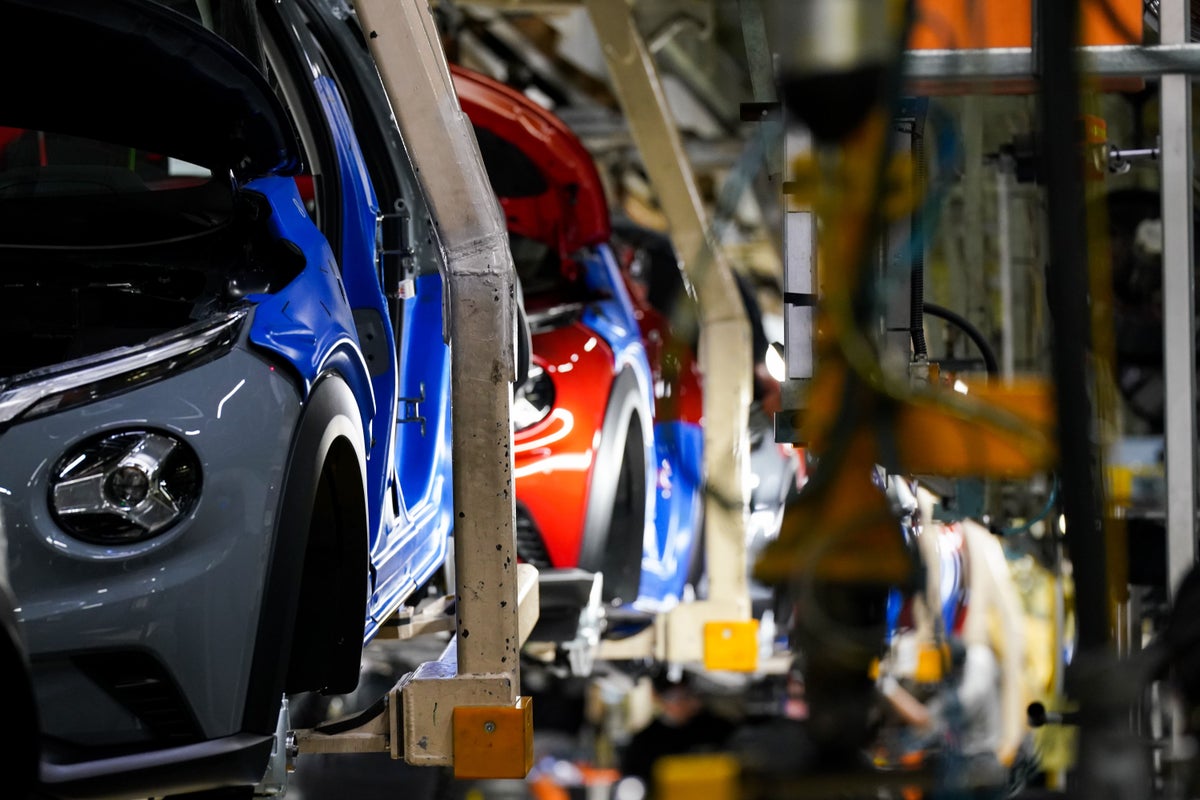
Car and commercial vehicle production fell last month amid issues including weak exports, model changeovers and restructuring, new figures show.
Vehicle production fell by 8.2% in March compared to a year ago, with 72,511 units leaving factories, according to the Society of Motor Manufacturers and Traders (SMMT).
The number of cars built was 69,755, down by 0.8%, while 2,756 commercial vehicles (CV) were produced, 68% fewer.
The SMMT said car output was affected by a parts supply challenge temporarily pausing production at a large plant, weak exports to Asian and US markets, and model changeovers, while commercial volumes continued to reflect restructuring.
Exports of cars and CVs fell, down by 4.3% and 54%, to 49,339 and 1,602 units respectively.
Despite this, production for overseas buyers still accounted for 70% of vehicle output, with the EU remaining the UK’s largest global market, taking 91.6% (1,467 units) of CV exports and 62.6% (30,899 units) of car exports.
EU demand for UK-built cars rose for a fourth consecutive month, said the SMMT.
Chief executive Mike Hawes said: “Car production stabilising in March is welcome news for both assembly and the wider supply chain.
“Government’s recent intervention to bring down electricity costs will provide a major and long-called for boost, but the scheme’s benefits must be delivered urgently as the geopolitical situation offers little optimism.
“We must ensure any ‘Made in Europe’ proposals from the European Commission do not exclude the UK as the two industries are integrated such that both would suffer if the free trade provisions enshrined in the Brexit deal were undermined.
“The EU and UK must work together to avoid that scenario – and the looming threat of tariffs arising from stricter rules of origin on electrified vehicles – to ensure a positive outcome for industry, economies and consumers on both sides of the Channel.”


War causes production loss, serious stress for Indian textile industry

Kris Jenner teases marriage plans with boyfriend Corey Gamble
IOB profit up 56% at Rs 5,200 crore in FY26 – The Times of India

-

 Politics1 week ago
UK’s Starmer seeks to deflect blame over Mandelson appointment
-

 Fashion1 week ago
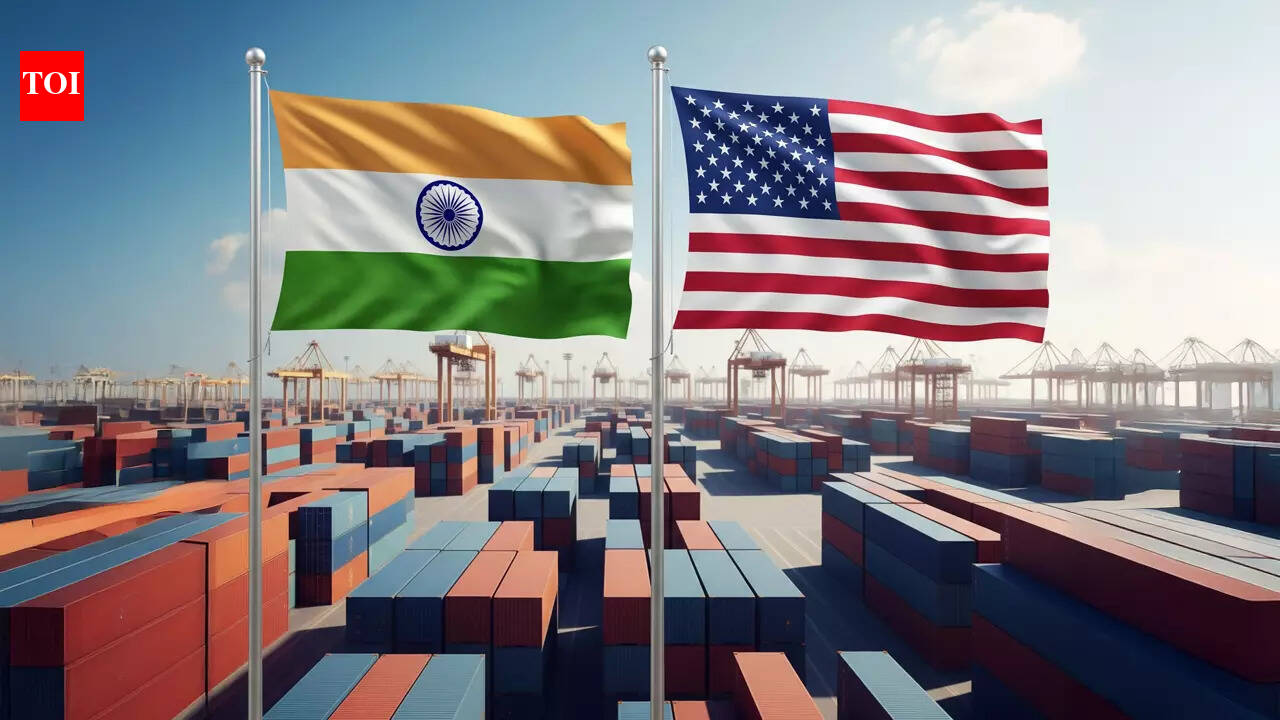
India, US to resume BTA talks today
-
 Business1 week ago
Us-India Trade Talks: US–India trade deal: Where do talks stand & what to expect – explained – The Times of India
-

 Fashion1 week ago
Global energy growth slows to 1.3% in 2025: Report
-
 Business1 week ago
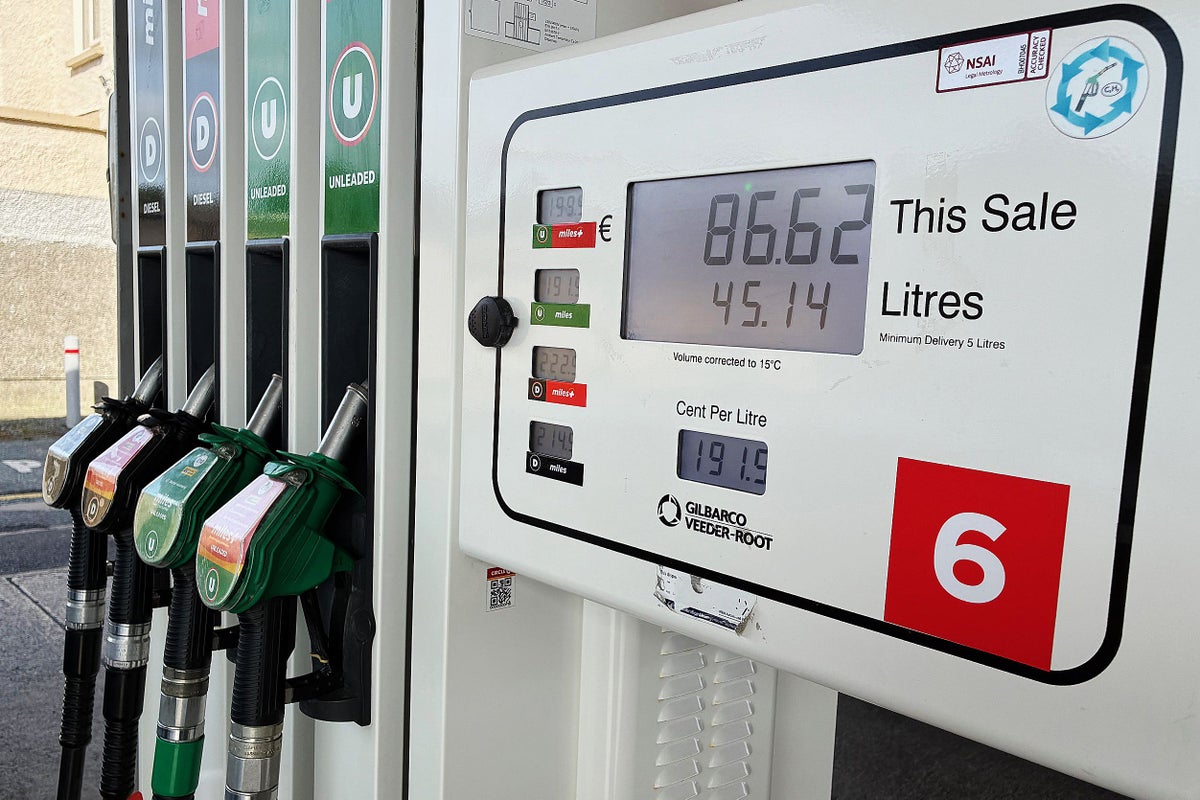
UK inflation accelerates after Iran war drives sharp rise in fuel prices
-

 Tech1 week ago
Nation states responsible for ‘nationally significant’ cyber attacks against UK, says NCSC chief | Computer Weekly
-

 Tech1 week ago
Microsoft faces court battle in £2bn Windows Server class action | Computer Weekly
-
 Business1 week ago
Trump administration in advanced talks for a rescue package for Spirit Airlines, source says