

Sports
No vote on Big Ten capital deal; some urge caution

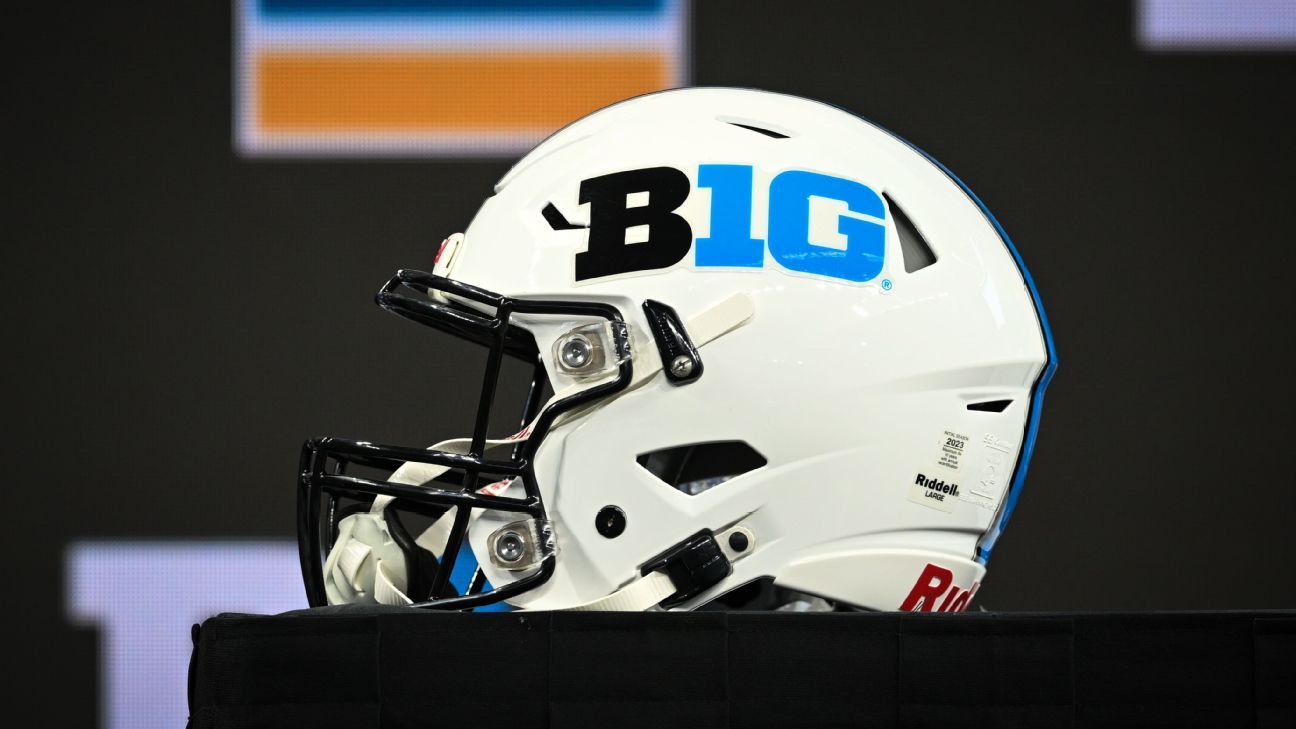
A decision on the Big Ten’s proposed private capital deal does not appear imminent in the wake of a Thursday meeting of the league’s presidents and chancellors.
No vote was taken on the conference call, as leagues rarely do so on any issue that won’t be unanimously approved.
The Big Ten said in a statement that conversations are ongoing.
Earlier Thursday, University of Michigan regents criticized the proposed deal, illustrating how tenuous completing it will be. Regent Mark Bernstein dubbed the deal “a payday loan.” Another regent, Jordan Acker, compared it to opening a new credit card to pay off debt.
The plan calls for the league to spin off a new entity, Big Ten Enterprises, that will house all leaguewide media rights and sponsorship deals. A University of California pension fund will receive a 10% stake in exchange for a cash infusion of over $2 billion to conference athletic departments. The deal also would extend the league’s grant of rights until 2046.
The Big Ten is in the middle of a seven-year, $7 billion media rights package that runs through 2030. Numerous schools, however, need money from soaring operational costs, revenue sharing with athletes and significant debt on stadium constructions and renovations.
Michigan and Southern California have emerged as opponents of the groundbreaking deal, details of which are still being negotiated. The deal does enjoy support among a majority of league schools, as well as from Big Ten commissioner Tony Petitti. Whether the deal can pass without unanimous support is unknown.
In its statement Thursday, the Big Ten said it “remains committed to modernizing the operations of our conference, strengthening conference stability, preserving Olympic and women’s sports, and enhancing the student-athlete experience.
“The conference has provided an option from a nonprofit partner — not private equity — that meets those objectives. Ultimately, it is the decision of the Big Ten member institutions’ presidents and chancellors to decide if it’s the right opportunity and those conversations are ongoing.”
At a previously scheduled meeting of Michigan trustees, multiple regents blasted the proposal as shortsighted and not addressing college athletics’ underlying spending problem. Acker said it was the latest short-term strategy to raise money. He noted the league has expanded four times since 2011 to generate more revenue but again is being told it has to rush into another deal.
“Now, we have to do this deal; giving away 10% of future media revenue for the next 21 years even though no one knows what college athletics or media will look like?” Acker said.
Acker brought up regrets inside the ACC for a 2013 deal that extended its grant of rights through 2036.
“The ACC once thought a long-term deal was a good idea,” he said. “Within a few years, they were suing each other.”
Acker said Michigan hired third-party “consultants and banks,” including the multinational financial institution Barclays, and all were “unequivocal in their opposition. They recommend different ways to address deficits and raise money. They say we can do it more efficiently without selling assets.”
“We understand the responsibility to lift all boats and to help schools that need money to get that money,” Acker said. “It just has to be on the best financial terms possible. The Big Ten doesn’t need to be sold to save college sports. It needs to lead to save college sports.”
Bernstein followed by criticizing the league for demanding quick action, claiming the “contrived urgency is mysterious.” He called the deal “reckless” and a “payday loan.”
“It is the job of the board to protect the future from the present,” he said.
Michigan Regent Sarah Hubbard said further study was needed, and noted that given the board’s mission to protect the assets of the university, it would not be pressured.
“We will not be rushed by false deadlines or pressure from those that do not hold the fiduciary responsibilities we do,” Hubbard said.
The framework of the groundbreaking Big Ten deal would send a significant infusion of money (a minimum of at least the $100 million range) to each of the league’s 18 schools. Shares of ownership in Big Ten Enterprises would fall to those schools, the conference office and the capital group — an investment fund that is tied to the University of California pension system. The UC pension fund would receive the 10% stake in Big Ten Enterprises and would hold typical minority investor rights but no direct control, according to sources.
The exact equity amounts per school in Big Ten Enterprises are still being negotiated. There is expected to be a small gap in the percentage of the remaining equity among the schools that would favor the league’s biggest athletic brands, but it’s likely to be less than a percentage point. There is also expected to be a tier system for initial payments, but with the lowest amount in the nine-figure range. Larger athletic departments could receive an amount above $150 million.
An extension of the Big Ten grant of rights through 2046 would provide long-term stability for the league and make both further expansion and any chance schools leave for the formation of a so-called “Super League” unlikely.
The pension fund is not a private equity firm, which has been attractive to the Big Ten and its schools. The UC fund valuation proved to be higher than other competing bids, sources told ESPN, and that made it attractive.
The money infusion is believed to be acutely needed at a number of Big Ten schools that are struggling paying down debt on new construction and budgeting for direct revenue ($20.5 million this year and expected to rise annually) to athletes.
In 2023-24, Illinois spent $20 million, or 11.8% of its expenditures, paying down debt, according to Sports Illustrated. Ohio State laid out $33.7 million, or 11.5% of its budget.
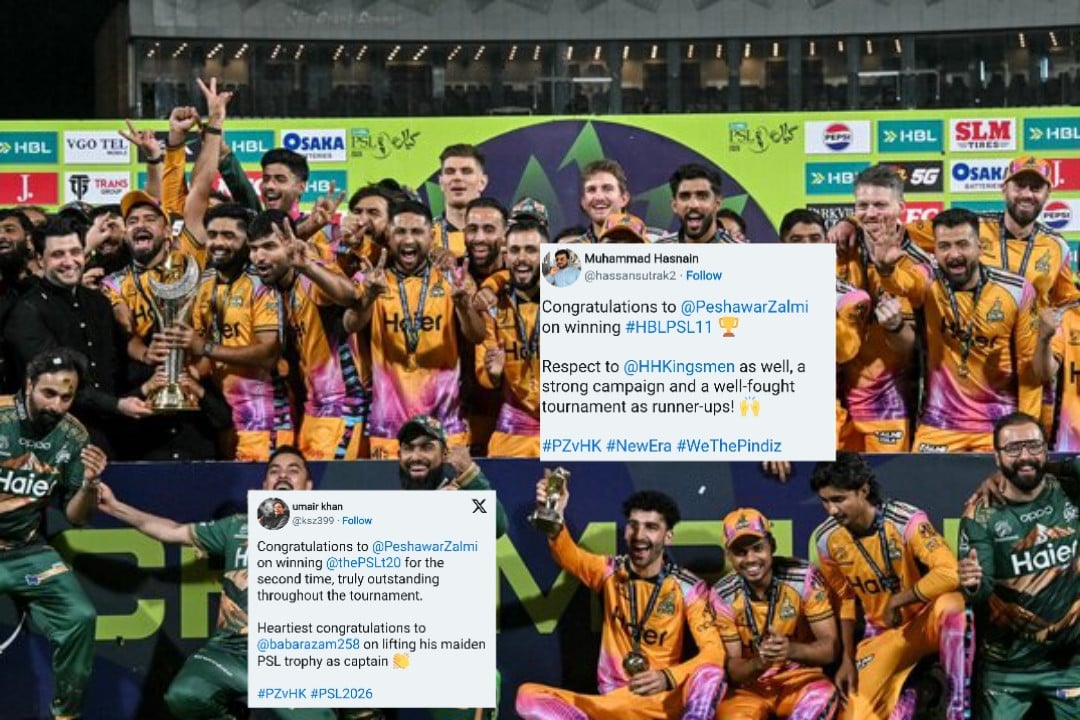
Peshawar Zalmi ended a nine-year wait for Pakistan Super League glory with a composed five-wicket victory over debutants Hyderabad Kingsmen in the PSL 11 final at Lahore’s Gaddafi Stadium on Sunday, sparking jubilant reactions from fans across the cricketing world.
All-rounder Aaron Hardie emerged as the star of the night, delivering a match-winning performance with both ball and bat. His four-wicket haul restricted Kingsmen to a modest total, before he anchored the chase with an unbeaten half-century to guide Zalmi home with 28 balls to spare. Chasing 130, Zalmi approached the target with calm authority, sealing the win for the loss of five wickets.
The triumph marked Zalmi’s second PSL title — their first since 2017 — and a significant personal milestone for captain Babar Azam, who lifted his maiden major T20 trophy as skipper. The victory also denied Hyderabad Kingsmen a dream debut season ending, though their impressive run to the final as first-time entrants drew widespread praise.
Fans flooded social media with celebratory reactions after Peshawar Zalmi’s title win, with supporters enjoying the franchise’s second PSL crown and praising a competitive, entertaining season.
Federal Minister for Information Ataullah Tarar was all praise for the match, lauding the “great game of cricket” and the country’s effort in staging another successful season of the PSL.
Amid the wider celebrations, much of the spotlight turned to Babar’s leadership, with fans lauding his composed captaincy and resilience throughout the tournament, hailing the triumph as a long-overdue milestone in his career.
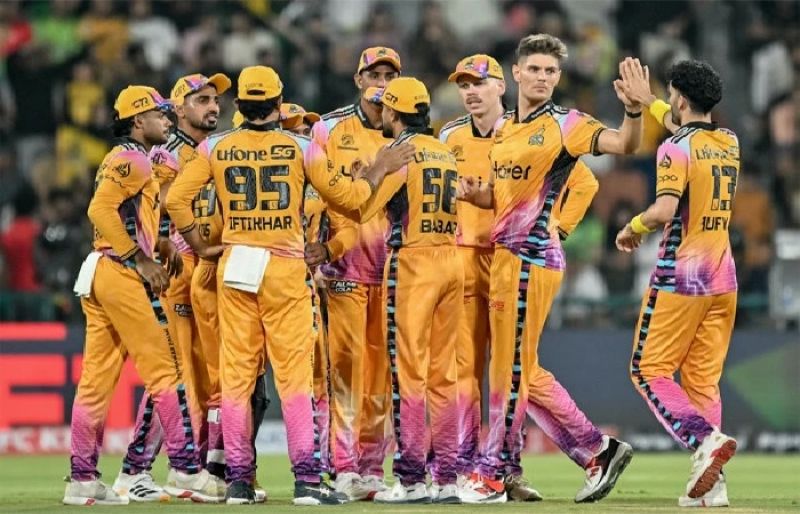
Aaron Hardie backed his four-wicket haul with a blistering half-century to lead Peshawar Zalmi to a five-wicket victory over Hyderabad Kingsmen in an enthralling Pakistan Super League (PSL) 11 final at Lahore’s Gaddafi Stadium on Sunday.
The high-reward victory helped Zalmi clinch their second PSL title, ending a nine-year wait as they first got their hands on the prestigious silverware in 2017 under the leadership of West Indies great Darren Sammy. It also marked the first-ever major trophy for star batter Babar Azam as the captain.
Set to chase a modest 130-run target, Zalmi eventually knocked the winning runs comfortably for the loss of five wickets and 28 balls to spare.
The former champions, however, had a contrasting start to the pursuit as they lost Mohammad Haris (six) and captain Babar Azam (duck) in the pulsating first over, bowled by Mohammad Ali.
After the departure of both openers, all-rounder Aaron Hardie and in-form Kusal Mendis (nine) attempted to anchor the run chase with a 26-run partnership, which culminated with the latter’s dismissal in the fourth over.
Left-arm pacer Akif Javed inflicted another blow to Zalmi’s run chase in the subsequent over as he got Michael Bracewell (four) caught behind and brought the total down to 40/4.
Hardie was then joined by Abdul Samad in the middle, and the duo turned the game on its head with sensible batting and put Zalmi within touching distance with an 85-run partnership.
Ali broke the crucial stand in the 15th over by dismissing Samad, who walked back after scoring a valiant 48 off 34 deliveries, laced with three fours and four sixes.
Hardie, on the other hand, batted until the end and walked back after top-scoring with an unbeaten 56 off 39 deliveries, studded with nine boundaries.
Ali was the pick of the bowlers for the Kingsmen, taking three wickets for 38 runs in his four overs, while fellow pacers Hunain Shah and Javed could claim one apiece.Zalmi captain Babar Azam’s decision to field first paid dividends as the 2017 champions booked the debutants for a modest 129 in 18 overs.
Kingsmen got off to a shaky start to their innings as their lost left-handed opener Maaz Sadaqat (11) fell victim to Mohammad Basit in the second over with just 16 runs on the board.
Following his dismissal, Saim Ayub joined Marnus Labuschagne in the middle, and the duo ensured retaining the scoring rate by putting together 35 runs in 19 deliveries before Aaron Hardie got the skipper caught behind in the fifth over.
Labuschagne remained a notable run-getter for the Kingsmen, making a 12-ball 20 with the help of three fours and a six.
Saim, on the other hand, was then involved in a 20-run partnership for the third wicket with in-form wicketkeeper batter Usman Khan (eight), who was trapped lbw by leading wicket-taker of the PSL 11 Sufiyan Muqeem in the seventh over.
Usman’s dismissal triggered a middle-order collapse as the Kingsmen lost three more wickets, out of which two were run-outs, in just eight deliveries, and consequently slipped to 73/6 in 7.5 overs.
Following the collapse, Hassan Khan (12) walked out to bat at No.8 and shared a brief 17-run partnership for the seventh wicket with set batter Saim until being sent back by Hardie in the 10th over.
Saim was then involved in cautious partnerships with Hunain Shah (nine) and Mohammad Ali until eventually being dismissed by Hardie on the first delivery of the 18th over.
The left-handed batter remained the top-scorer for the Kingsmen with a cautious 54 off 50 deliveries, featuring five fours and two sixes.
Hardie struck again in the same over, getting Akif Javed (five) caught behind to round up Zalmi’s dominant performance with the ball.
Hardie was the standout bowler for Zalmi in the PSL 11 final, returning sensational figures of 4/27 in his four overs, followed by Nahid Rana, who bagged two wickets, while Muqeem and Basit chipped in with one scalp apiece.
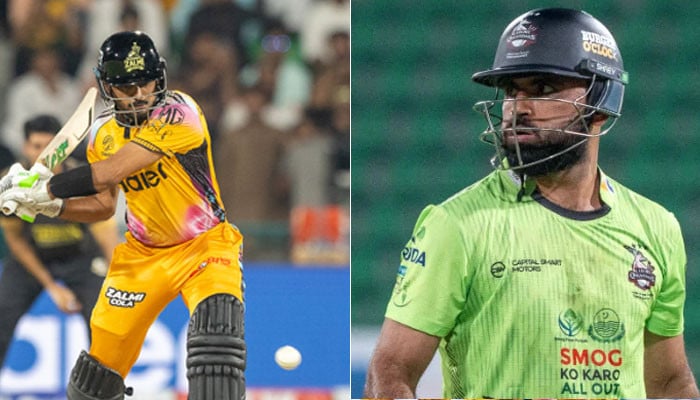
Peshawar Zalmi captain Babar Azam was dismissed for a duck in the PSL 11 final against Hyderabad Kingsmen at Gaddafi Stadium on Sunday, falling short of Fakhar Zaman’s record for most runs in a single season.
The right-handed batter entered the high-stakes final needing just one run to surpass Zaman’s landmark tally. However, he failed to add to his score and was dismissed without troubling the scorers, missing out on a historic milestone.
Previously, the left-handed batter from the Qalandars held the record in the 2022 edition of the tournament, when he amassed 588 runs in 13 innings at a strike rate of 152.72, including seven half-centuries and one century.
Babar, meanwhile, has equalled the feat in 11 innings, scoring runs at an outstanding average of 73.50 and a strike rate of 145.90. His season has included two centuries and three half-centuries.
Most runs in a PSL season:
Babar Azam (Peshawar Zalmi) – 588 runs in 2026
Fakhar Zaman (Lahore Qalandars) – 588 runs in 2022
Babar Azam (Peshawar Zalmi) – 569 runs in 2024
Babar Azam (Karachi Kings) – 554 runs in 2021
Mohammad Rizwan (Multan Sultans) – 550 runs in 2023
Mohammad Rizwan (Multan Sultans) – 546 runs in 2022
Kusal Mendis (Peshawar Zalmi) – 541* runs in 2026
Babar Azam (Peshawar Zalmi) – 522 runs in 2023
Mohammad Rizwan (Multan Sultans) – 500 runs in 2021
Moreover, the 31-year-old previously equalled two major records during the ongoing edition of the tournament courtesy of a blistering century against Islamabad United in the Qualifier.
Babar Azam top-scored in the high-stakes fixture with a swashbuckling 103 off just 59 deliveries, decorated with 12 fours and four sixes, helping the table-toppers post a commanding total of 221/7 in their 20 overs.
His 57-ball century in the match marked his second of the ongoing edition, making him only the second batter in the history of the marquee league to register two centuries in a single season, joining Usman Khan, who achieved the feat in PSL 9 for Multan Sultans.


US GDP grows 2% in Q1 2026, driven by investment & exports

Australian wool prices edge higher, quality gap weighs on market

Kim Kardashian delights fans with pregnancy pic ahead of Met Gala: ‘Loading’

-

 Tech7 days ago
A Brain Implant for Depression Is About to Be Tested in Humans
-

 Tech1 week ago
Almost 90% of women leave tech industry within 10 years | Computer Weekly
-
 Business1 week ago
Pakistan’s oil market is fuelling the crisis | The Express Tribune
-
 Business6 days ago
‘I had £20,000 stolen and had to fight a 13-month fraud reporting rule to get it back’
-

 Sports6 days ago
Pro wrestling star Steph De Lander reveals how colleague’s advice helped lead her to title triumph at ACW
-

 Entertainment7 days ago
Norway joins Type 26 Frigate Programme to boost NATO naval power
-

 Entertainment7 days ago
Melania Trump says ABC should ‘take a stand’ on late-night host Kimmel
-

 Tech6 days ago
This Ambitious Laptop Doesn’t Leave Much Room for Your Hands