

Politics
China oil majors restart Russian oil imports after a 4-month halt, sources say

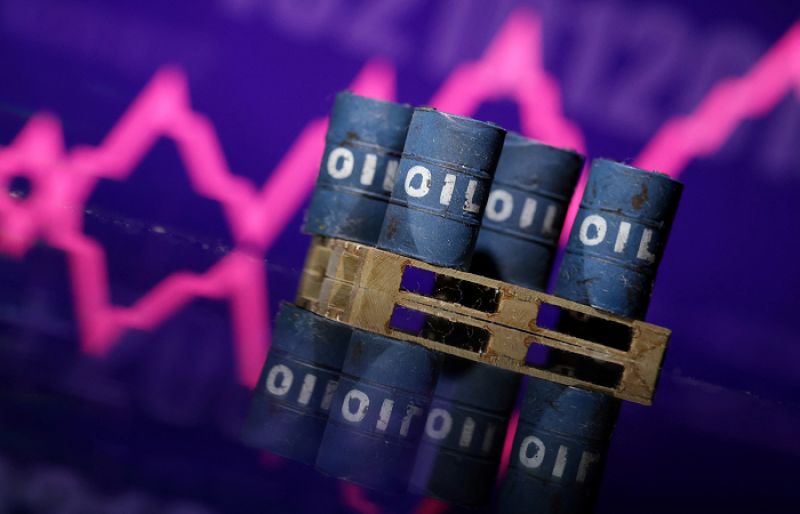

Chinese state oil majors looking to head off supply shortages caused by the war in the Middle East have resumed seeking Russian crude cargoes after a four-month hiatus, taking advantage of a US sanctions waiver, five trade sources said.
Trading arms under state-run Sinopec and PetroChina have this week made inquiries with suppliers for possible purchases of Russian oil, which would be their first since November, said five sources close to or involved in Russian oil trade.
While no deals were known to have been struck as of Tuesday, two of the sources said transactions were likely to be imminent as Russian oil remains cheap versus rival supplies from Brazil and West Africa despite surging prices and premiums triggered by the US-Israel war on Iran that began on February 28.
Chinese oil majors were “assessing” the situation, said a state oil trader, including whether payment and delivery could be completed within the 30-day waiver window that began on March 12 and applies to cargoes that had already been loaded.
Sinopec and PetroChina did not immediately respond to requests for comment.
One of the sources, involved in Russian oil trading and familiar with PetroChina’s trading operations, said majors could also seek to secure cargoes while the situation is “messy” by buying from Chinese independent refiners or traders with Russian-origin oil already in storage.
“Some teapots are ready to resell, as that makes more money for them than processing at their plants,” said the source, referring to the independent refiners.
End-April arriving ESPO blend, Russia’s flagship Far East export grade, was last heard offered by a Russian producer at $8 a barrel above July ICE Brent on a delivered basis.
That compared with April-loading Brazil’s Tupi grade last pegged at a premium of $12-15 over dated Brent.
FROM DISCOUNT TO PREMIUM
Differentials for ESPO, mostly consumed by China’s independent refiners, flipped into a $2-$3 premium last week for April/May shipments, compared with discounts of $7-$10 for March-loading barrels.
China’s seaborne Russian oil imports surged to an all-time high of 1.92 million barrels per day in February, Kpler data showed, as independent buyers snapped up deeply discounted cargoes after top buyer India’s demand fell.
State oil companies had since late October suspended buying Russian oil after Washington imposed sanctions on Moscow’s two biggest oil companies, Rosneft and Lukoil.
The spikes in spot premiums and outright Brent prices to more than $100 a barrel would, however, sideline independent refiners, said three of the sources, as they are cushioned for the near term with cheaper inventories of Russian and Iranian oil bought before the war.
- Ceasefire will remain effective from May 9 to 11.
- Swap of 1000 prisoners part of ceasefire: Trump.
- Trump appreciates Putin, Zelensky over agreement.
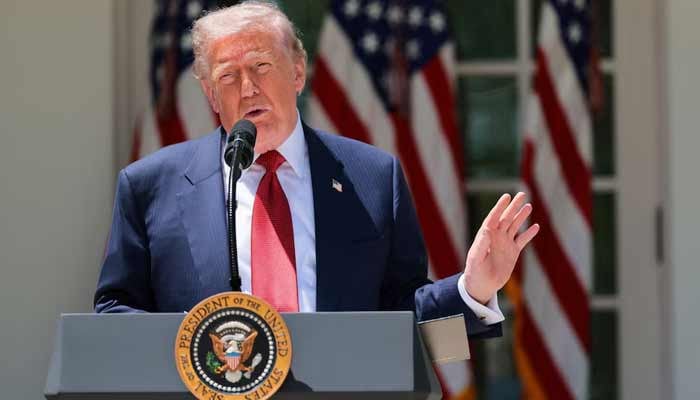
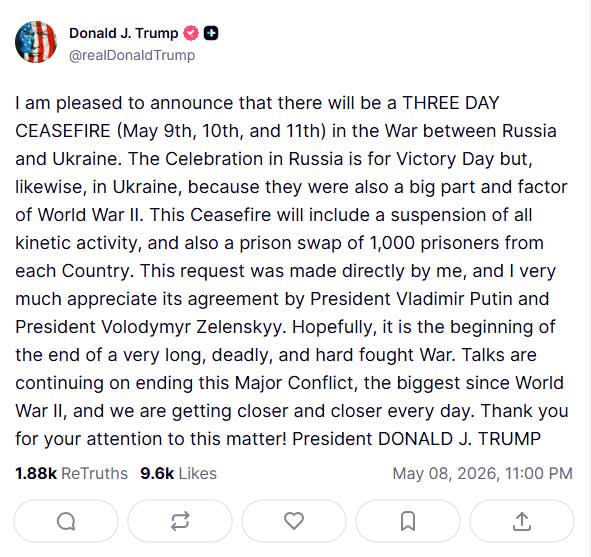
US President Donald Trump on Friday announced on social media that there would be a three-day ceasefire in the war between Russia and Ukraine from May 9 until May 11 to mark the end of World War Two for the Russians.
Trump had said after a phone call with Putin on April 29 that a temporary ceasefire was in the works. Putin announced a similar truce last year that lasted three days but was not agreed with Kyiv.
Trump said in a Truth Social post that the pause will include a suspension of all kinetic activity, and also a prison swap of 1,000 prisoners from each country.
“Hopefully, it is the beginning of the end of a very long, deadly, and hard-fought war,” he said, adding that there was constant progress in talks to end the conflict.
Russia announced a ceasefire for May 8 to 9 to coincide with commemorations of the Soviet Union’s victory over Nazi Germany in World War II and a military parade in Moscow’s Red Square.
Ukraine announced its own proposal for an open-ended ceasefire that started at midnight on Tuesday (2100 GMT), urging Russia to reciprocate.
Officials said on Thursday that Ukraine’s top negotiator, Rustem Umerov, had arrived in Miami for a series of meetings with US representatives as peace talks on ending Russia’s war in Ukraine have stalled in recent months.
The US-brokered talks are deadlocked over Ukraine’s eastern Donetsk region. Moscow demands Kyiv pull troops back from parts of the region it has failed to capture in its four-year full-scale invasion. Ukraine says it will not cede land that it controls.
Moscow and Kyiv have both accused each other of violating ceasefires that each has separately declared.
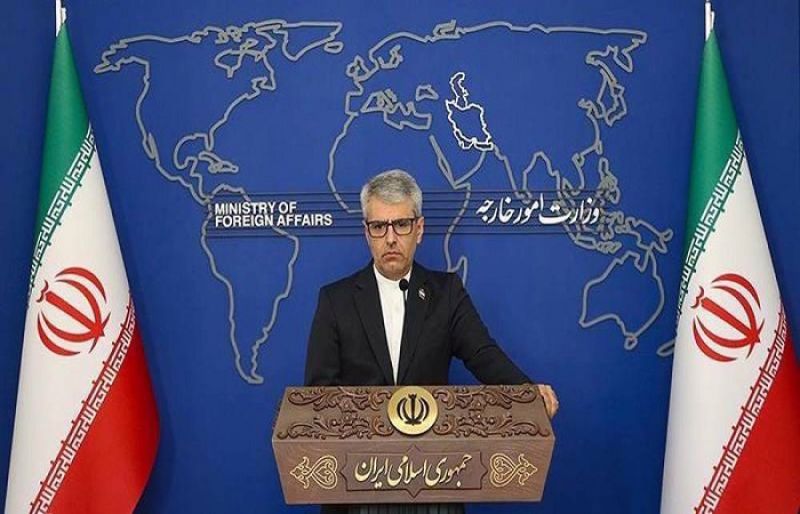
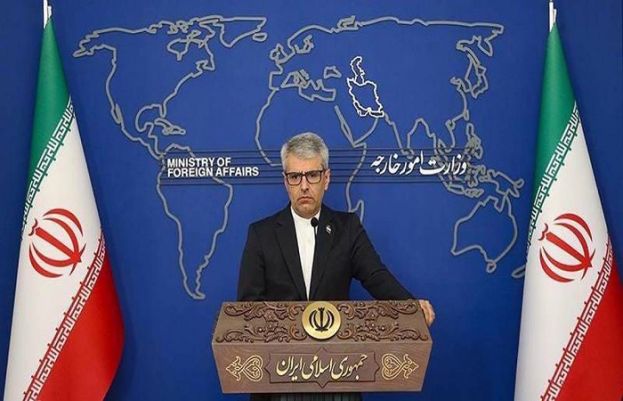
The spokesperson for Iran’s Foreign Ministry says Tehran’s response to a proposal by the United States to end the war against the Islamic Republic is still under review, paying no heed to the Americans’ deadlines.
“The [US] proposal is still being reviewed, and once we reach a conclusion, we will announce it,” Esmaeil Baghaei told reporters on Friday.
Regarding some reports that the Americans have set a deadline for Iran to respond to the plan, he once again affirmed that the matter is still being examined.
“We are doing our own job and pay no attention to such deadlines,” Baghaei emphasized.
The Iranian spokesperson’s remarks came after US Secretary of State Marco Rubio said on Friday that Washington expected to receive Iran’s response to a US proposal later in the day.
The US and Israel initiated an unprovoked war of aggression against Iran since February 28 after assassinating Leader of the Islamic Revolution Ayatollah Seyyed Ali Khamenei and several high-ranking military commanders.
A Pakistani-mediated ceasefire was brokered on April 8, but subsequent talks failed to turn into an agreement due to Washington’s excessive demands.
Iranian officials have repeatedly criticized the United States for its approach to talks as the White House seeks to impose conditions rather than engage in genuine give-and-take.
In a Wednesday post on X, Baghaei elaborated on Tehran’s understanding of what negotiations entail, citing international law.
The concept of talks “needs ‘good faith’, then, meaning that ‘negotiations’ is not ‘disputation’; nor is it ‘dictation’, ‘deception’, ‘extortion’ or ‘coercion’,” he explained.
On the same day, Iran’s Parliament Speaker Mohammad Baqer Qalibaf dismissed certain reports about a supposed impending arrangement between Tehran and Washington, describing them as misleading and part of recurring fake media narratives originating in the United States.
In a post on X, Qalibaf referred to allegations published by the US-based outlet Axios regarding such an arrangement, ironically describing them as “Operation Fauxios.”
He suggested that the circulation of such reports reflected a routine pattern in US media coverage, particularly stories attributed to unnamed sources that Iranian officials have repeatedly rejected as unfounded and have later been proven invariably wrong.
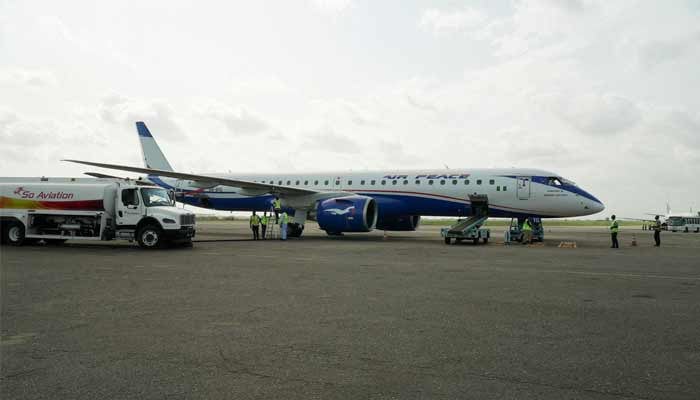
Airlines must not charge customers extra fuel fees after they have already bought tickets, the EU warned on Friday, as the aviation sector feels the pain from high energy prices because of the Middle East war.
“Airlines may adapt their published fares to the situation, but adding a fuel surcharge to a ticket after it has been bought cannot be justified,” EU spokesperson Anna-Kaisa Itkonen told reporters in Brussels.
Any changes post-booking can “raise issues under the EU’s unfair commercial practices”, she added.
In a document published on Friday on the energy crisis affecting the aviation sector, the EU said “any retroactive change of the price is excluded”.
“Airlines may not include terms and conditions which would allow them to increase the price of the ticket above what is advertised at the time of purchase simply because fuel was more expensive than they had accounted for,” the European Commission said.
The only exception is for package holidays if the seller has made it clear in the contract there could be a possibility of fuel-related changes to the costs.
In such cases, an increase of up to 8% is allowed, but if it is higher, the customer can accept or they have the right to cancel their booking.
Spanish low-cost carrier Volotea has been criticised in France where it is under investigation after demanding fuel surcharges from customers because of the energy shock from the war.
Gilles Gosselin, the airline’s France director, has defended the measure.
“The legality of our system has been confirmed by three independent law firms specialising in air transport and consumer law. The measure is transparent, it is temporary, and it works both ways”, up and down, Gosselin told AFP in France.


Extended interview: Lizzo

Trump announces three-day ceasefire between Russia and Ukraine

‘Orbs,’ ‘Saucers,’ and ‘Flashes’ on the Moon: Pentagon Drops New UFO Files

-
 Politics5 days ago
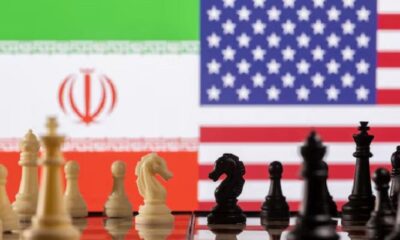
Iran weighs US reply delivered via Pakistan as Trump signals opposition to deal terms
-
 Business1 week ago
PSX plunges over 4,800 points | The Express Tribune
-

 Fashion7 days ago
US’ J.Jill, Inc. appoints Kimberly Wallengren as CMO
-

 Fashion1 week ago
Canada’s Lululemon appoints Esi Eggleston Bracey to board of directors
-

 Tech1 week ago
Almost half of UK businesses hit by cyber attacks | Computer Weekly
-

 Tech1 week ago
This Indigenous Language Survived Russian Occupation. Can It Survive YouTube?
-
 Business1 week ago
Government hikes jet fuel prices by 5% for international airlines – The Times of India
-

 Entertainment1 week ago
David Allan Coe, country singer who wrote “Take This Job and Shove It,” dies at age 86